
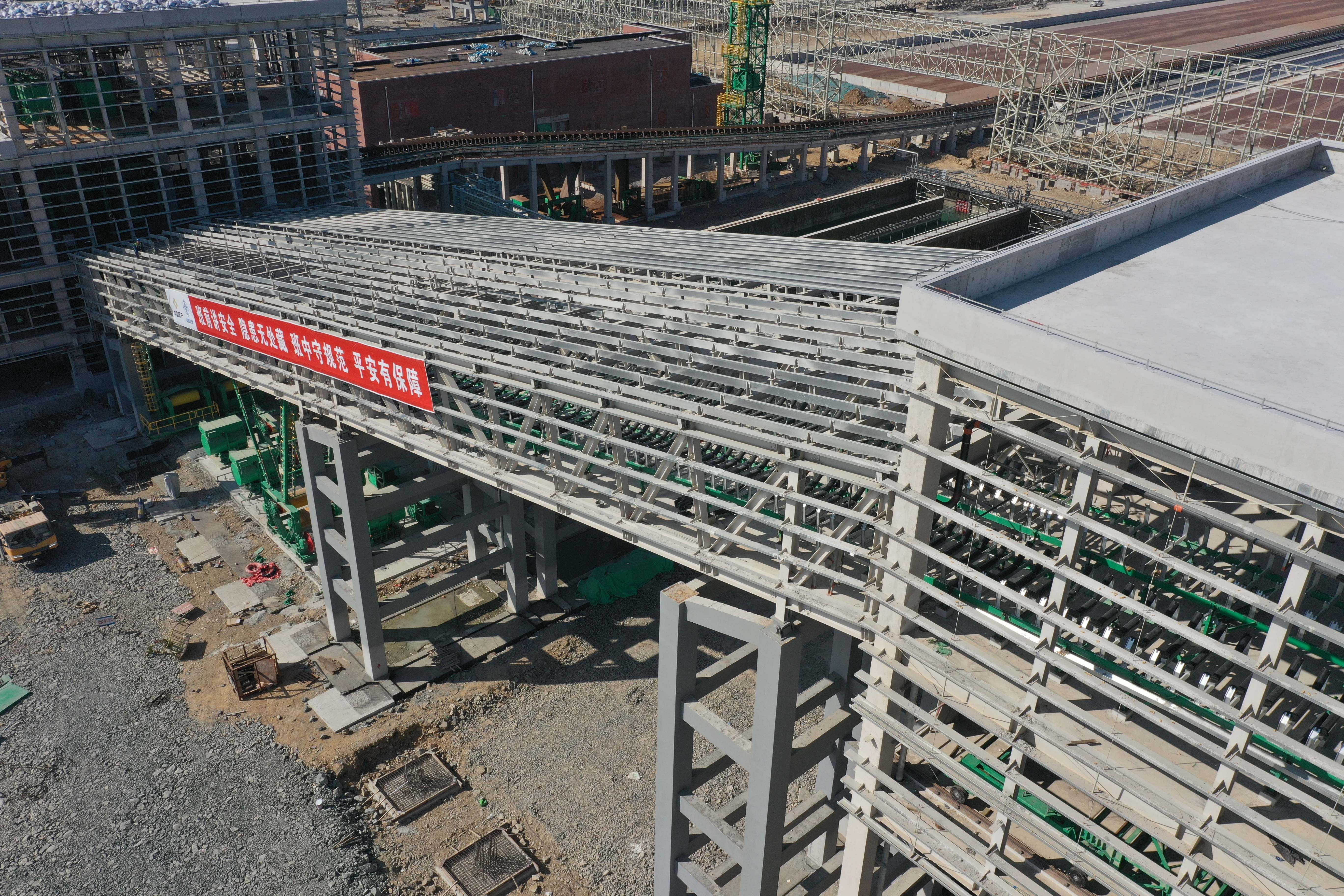
When you operate a portal crane in low light, improving pick success is essential for both safety and efficiency. Choosing the right portal crane for each job is critical, especially when visibility is limited. CEGC provides portal crane solutions designed to improve pick success in low light conditions, with technical specifications that meet market standards. Additionally, CEGC offers project-based customization to ensure your portal crane equipment is tailored to your site’s unique requirements.
Key Takeaways
-
Use uniform lighting to see better and lower accident risks. Pick lights that resist shaking and rust so they last longer.
-
Add smart control systems to stop loads from swinging and hitting things. These systems make work safer and help things run smoothly.
-
Train operators often on safety rules and how to use equipment. Good communication and training help picking work in low light.
Lighting Solutions for Portal Crane Conditions
Uniform Lighting Upgrades
Uniform lighting is important when using a portal crane in low light. It helps you see the area better and make fewer mistakes. Vibration-resistant lights are best for portal cranes. These lights have strong covers and tight mounts. They do not move or fall off when the crane shakes. Anti-corrosion lights use stainless steel and special coatings. These materials keep the lights safe from saltwater and bad weather. These lights last longer and work well in hard places.
OSHA-approved LED safety lights have many good points. LED lights do not get very hot, so there is less fire danger. Their solid design makes them strong. They do not break from crane shaking. The daylight color of LED lights helps you stay awake. You can see safety wires and color codes clearly. Load proximity lights make things even safer. They show a warning on the floor. Workers can see where the load is going and stay away from danger. These lights help stop accidents and keep everyone safe.
CEGC gives portal crane solutions with lighting you can change. You can pick the anti-corrosion level and lighting you need. CEGC makes lighting for tough places. You get lights that work well and last a long time for every job.
Tip: Upgrading to uniform lighting helps you see better and lowers accident risks. Pick vibration-resistant and anti-corrosion lights for your portal crane to handle hard jobs.
Maintenance and Inspection Protocols
You need to check and clean your portal crane lights every day. Wipe off dust and salt. Look for damage or loose parts. Change broken lights right away. Daily checks keep your work area bright and safe. You lower accident risks and always see the load.
OSHA rules say you must have warning lights for portal cranes. LED safety lights follow these rules. They give clear alerts and help you stay safe. Use a checklist for your checks. Make sure all lights work before lifting. If you find a problem, fix it before moving the load.
Better lighting and control systems help you in many ways. LED lights use less power, so you save money. LEDs last longer, so you spend less on repairs. You make your work safer and faster. New control systems help you work quickly and stop delays.
|
Cost Implication |
Description |
|---|---|
|
Enhanced Safety |
Better lighting helps operators and people nearby avoid accidents. |
|
Energy Efficiency |
LED lights use less energy, so you pay less for power. |
|
Reduced Maintenance Costs |
LED lights last longer and need fewer repairs, saving money. |
|
Improved Operational Efficiency |
New control systems help you work faster and get more done. |
International safety rules tell you how to set up portal crane lights. The cab must be bright enough to see the load hook everywhere. Handles must be easy to reach. You must follow these rules to keep your work safe and smooth.
CEGC lets you pick lighting and anti-corrosion levels for your project. You can match your portal crane to your site. You get the best safety and lifting for every job.
Note: Checking and caring for your portal crane lights keeps them working well. Follow safety rules and pick the right crane for your job.
Control Systems and Operator Training
Anti-Sway and Collision Prevention
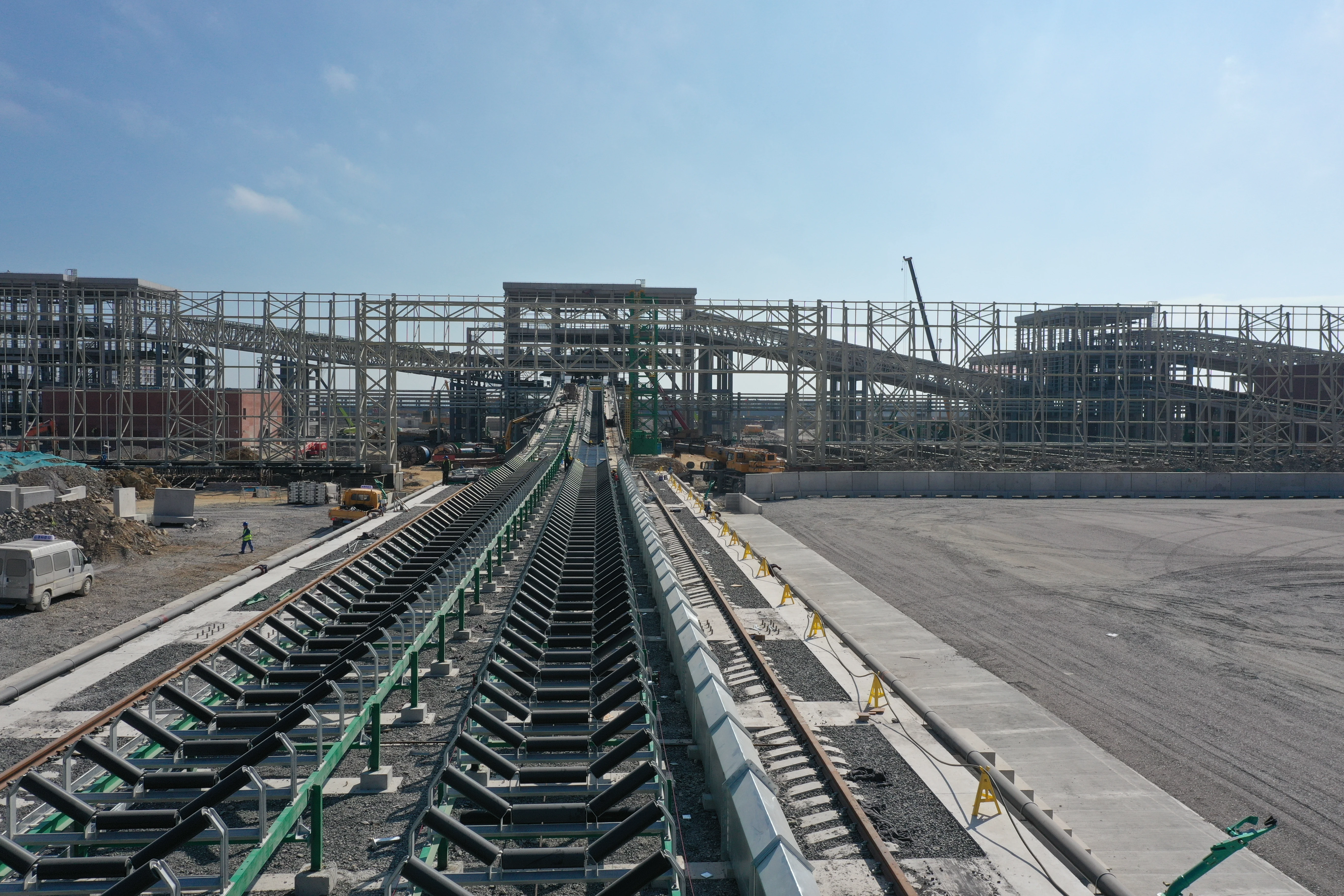
You need a good crane control system to keep your portal crane safe in low light. Anti-sway control helps stop the load from swinging. This system keeps the hook from moving because of sudden stops or starts. It works at any height and lets you control how much the load swings. You can see the benefits in this table:
|
Aspect |
Impact on Effectiveness |
|---|---|
|
Load Swing Reduction |
Big drop in swinging motion |
|
Safety Enhancement |
More safety during lifting |
|
Operational Efficiency |
Better work in low light |
Advanced algorithms give real-time feedback. These help keep the load steady, which is important when you cannot see well. The system controls the swing angle within ±0.25 degrees. This means you can put the load exactly where you want it, even in hard places.
Old systems try to stop sway, but this can slow you down. AI systems control sway, so you can move faster and place loads better. This makes sway helpful and helps you get more work done.
Multi-layer safety interlocks add more protection. These interlocks stop the crane unless all safety steps are done. You do not have to remember every step. The system makes sure you do things in the right order. This lowers the chance of accidents, especially in risky jobs.
Collision prevention technology is also important for portal cranes. Here are some common systems in the table below:
|
Technology |
Description |
|---|---|
|
Shipyard Crane Group Anti-Collision System |
Uses 3D simulation and real-time data to watch for collision risks. |
|
3D Dynamic Simulation |
Shows real-time equipment and risk spots. |
|
Multi-Parameter Monitoring |
Tracks position and angles as you work. |
|
Progressive Alarm Protection |
Gives three levels of warnings to stop crashes. |
|
Wireless Networking Communication |
Lets cranes share data for safe lifting together. |
|
Remote Centralized Control Platform |
Allows remote checks and quick alerts. |
You can also use SAFEMOVE. This tool lets you set up safety zones and limit crane movement. It helps you avoid crashes and keeps lifting safe.
CEGC gives you custom options for your portal crane. You can pick safety features like anti-sway, strong materials, and automation. Predictive maintenance helps you avoid delays and keeps your projects running well.
Operator Protocols in Low Light
You must follow special rules when using a portal crane in low light. Training teaches you how to use the right crane for each job. You need to know how to use control systems, safety locks, and crash prevention tools. Good communication is important. Use radios, hand signals, or alarms to talk with your team.
You can use workflow integration to make lifting safer and faster. Here is how a modern system works:
-
Vision system scans the area and finds the load.
-
AI picks the best path for the crane.
-
PLC gets the path and starts the move.
-
VFDs control the motors for smooth lifting.
-
Vision system checks the final spot, and the PLC lets go of the load.
-
The system logs the job and gets ready for the next one.
AI-based systems use computer vision to watch the area in real time. They spot obstacles, keep the load steady, and track people near the crane. IoT sensors check for odd movements or weight changes. If something is wrong, the system warns you fast. This keeps lifting safe, even when you cannot see well.
You should also review your lifting jobs often. Use reviews to talk about what went well and what can be better. Hold safety meetings to share ideas and talk about any problems. Anonymous surveys help you learn what operators think about safety and training. These steps help you keep making your crane training better.
CEGC supports you with custom options. You can pick the right crane, safety level, and automation for your site. Operator-centered HMI makes it easy to see alarms, check status, and follow steps. This helps you learn fast and work safely, no matter the site.
Tip: Always pick the right crane for your job. Follow safety rules, use advanced control systems, and keep training to get better pick success in low light.
You can make portal crane pick success better in low light. Upgrade the lighting so you can see every load clearly. Use advanced control systems to stop the load from swinging and avoid crashes. Train operators so they know how to work safely on the job site. Here are the steps:
-
Make the lighting brighter so you can see each load.
-
Use control systems to keep loads steady and stop crashes.
-
Teach operators how to handle loads safely in construction.
Check and fix your portal crane often to keep it working well. This helps your crane last longer and saves money on repairs. It also makes sure all safety parts work right. Real-time monitoring and cloud recording let you watch every load and help you do better.
|
Step |
Benefit |
|---|---|
|
Lighting Upgrade |
Easier to see each load |
|
Control System |
Safer and more exact moves |
|
Operator Training |
More success on the job site |
Pick CEGC’s portal crane for your construction site. You get strong and safe solutions that help you pick loads better in low light and keep everything safe.
FAQ
How can you improve pick success with a portal crane in low light?
You can make the lighting brighter. Use smart control systems. Train operators well. These steps help you see the load. They help you place it safely with your portal crane.
What safety features does a portal crane offer for handling a load?
A portal crane has anti-sway control. It uses safety interlocks and crash prevention. These features keep the load steady. They protect workers when lifting.
Why should you choose CEGC’s portal crane for your site?
You get strong specs and custom options. The lighting is bright and tough. CEGC’s portal crane helps you lift every load safely, even in low light.
Tip: Always check your portal crane before lifting. Good care keeps your crane safe and ready for every job.
|
Portal Crane Feature |
Benefit for Load Handling |
|---|---|
|
Anti-Sway Control |
Keeps load steady |
|
Safety Interlocks |
Protects workers |
|
Custom Lighting |
Makes it easier to see |


