
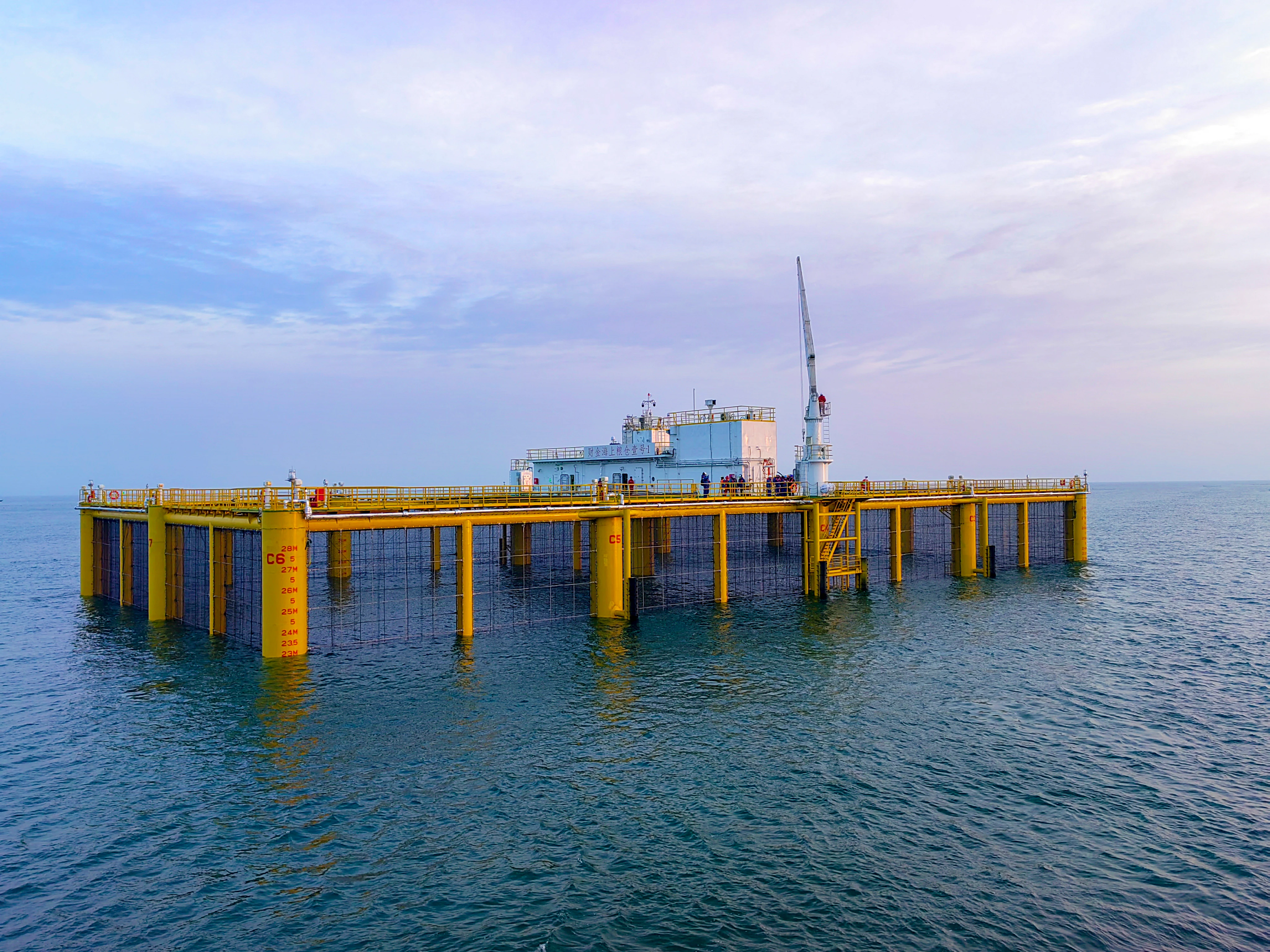
You get better results with portal crane: pick success vs operator training when you focus on operator training and a good training program. Many port operators have problems that can hurt safety, like load sway, machines not lined up right, and tired operators. These risks include:
-
Machines not lined up right because of boom pivot changes
-
Tired operators who react more slowly
-
Safety steps skipped because of system updates
You make safety and training better when you pick CEGC for advanced port machines and training help.
Key Takeaways
-
Spending money on operator training makes port work safer and faster. Trained operators have fewer accidents and do better with pick success.
-
Simulation training helps people learn faster and keeps them safe. It lets operators practice in safe places, so they do better at work.
-
Training with data and smart systems makes crane work better. Predictive maintenance and AI make cranes more reliable and cost less.
Pick Success in Portal Crane Operations
What Is Pick Success
You measure pick success by how well you move cargo with a portal crane or container crane. Pick success means you lift, move, and place containers or cargo safely and without mistakes. You want every pick to finish without load sway, dropped cargo, or delays. You also want your operator to follow the right steps every time. In port operations, you use numbers to track pick success. MMBF, or Mean Moves Between Failures, shows how many moves you complete before a problem happens. A high MMBF, like 750, means your system works well. MTTR, or Mean Time to Repair, tells you how fast you fix a problem. If your MTTR is low, like 0.625 hours, you keep your port running smoothly. You also look at how well your operator controls the hoist, trolley, gantry, and boom. These movements must work together for top performance.
Why Pick Success Matters for Ports
Pick success matters because it keeps your port safe and efficient. When your operator gets good training, you see fewer accidents and less damage. You also save money because you avoid costly repairs and downtime. Good pick success means your port handles more containers in less time. You track voyage productivity, container dwell time, reefer dwell time, container traffic, truck visit time, and the number of gate moves. These numbers show how well your port works. CEGC gives you portal crane: pick success vs operator training solutions that match market standards. You can choose custom options for capacity, span, duty cycle, and automation. With the right training and equipment, you improve safety, performance, and profit at your port.
Operator Training: Reducing Risk and Improving Outcomes
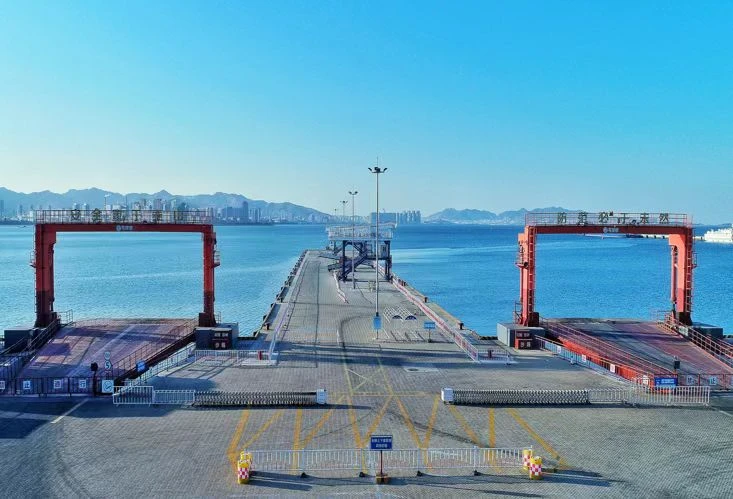
Core Skills in Port Operator Training
You need strong skills to do well as a port operator. When you use a portal crane, you must work safely and efficiently. You learn how to plan steps, try different situations, and understand results. You practice safety rules and check if everyone follows them. You use good management to plan resources and avoid crowding. Data helps you make smart choices and get better results. You keep improving so you can fix problems fast and do your best.
|
Description |
|
|---|---|
|
Operational Efficiency |
Planning steps, making models, trying situations, and understanding results to help with layout and staffing. |
|
Safety Awareness |
Learning safety rules and checking if everyone follows them to lower risks. |
|
Effective Management Practices |
Finding who is involved, planning how to work together, and scheduling resources to stop crowding. |
|
Data Analytics |
Using data to make decisions and basic TOS operation for better results. |
|
Continuous Improvement |
Setting up ways to watch performance and fix problems. |
You also learn to see things clearly and know where things are. You get better at operating and adjusting to changes. You learn to be responsible and handle stress. These skills help you deal with risks and keep the port safe.
Training Methods: Theory, Simulation, Practice
You use different ways to train and become skilled. Theory teaches you the basics of crane operation and safety. You learn rules, steps, and how to spot dangers. Simulation lets you practice safely. You face real situations without risk. You build quick reactions and timing for tough conditions like wind or sudden changes.
Simulation training helps you learn faster than old methods. You get feedback right away and track your progress. You practice emergencies and learn from mistakes. You can train anytime and anywhere, which saves time and cuts downtime. Simulation training lowers training hours by 44% and reduces safety incidents by 40%. You see clear improvements in efficiency and performance.
|
Advantage |
Simulation-Based Training |
Traditional Training |
|---|---|---|
|
Risk Management |
Stops injury risks and equipment damage |
Higher risk of injury and equipment damage |
|
Skill Development |
Gives safe, realistic practice |
Fewer chances for real practice |
|
Feedback and Assessment |
Gives instant feedback and measures performance |
Often no quick feedback |
|
Learning Speed |
Helps you learn faster |
Slower learning process |
|
Performance Improvement |
Shows clear gains in efficiency and decision-making |
Results can vary |
Hands-on practice with simulators helps you learn crane operations. You learn to control load sway, cycle time, and safety risks. You gain confidence and get better at your job.
Data-Driven Training and Intelligent Systems
Data-driven training and smart systems help you in portal crane: pick success vs operator training. Predictive maintenance keeps machines working and lowers costs. Computerized operation saves work and makes things steady. Advanced safety systems cut insurance costs and risks. AI makes crane work faster and lowers rental time and costs. Predictive reliability stops breakdowns and keeps projects going longer.
|
Benefit |
Impact on Safety and Efficiency |
|---|---|
|
Predictive maintenance |
Keeps machines working and lowers maintenance costs |
|
Computerized operating capability |
Saves work and makes operation steady |
|
Advanced safety systems |
Cuts insurance costs and risks, making customers trust you more |
|
Makes projects faster and lowers rental time and costs |
|
|
Predictive reliability |
Stops breakdowns and keeps projects going longer |
Simulation training lets you learn from mistakes without real danger. Operators who use simulators have fewer safety problems. You train faster and work better in container terminals. Camera systems help you see better and make good choices during hard lifts.
Ongoing port operator training is important for steady pick success and less downtime. Regular training programs raise productivity by 15%. Workers feel better, and you build a culture of responsibility. Customers are happier because deliveries are faster. You keep your port safe and running well.
Operator training is key to portal crane: pick success vs operator training. You build strong skills, use advanced training, and trust smart systems. You lower risks, improve safety, and boost productivity. You get better efficiency and performance at your port.
You get better pick success when you spend money on operator training and use advanced systems from CEGC. Programs that use data help you fix safety and work problems. If you want to make your training better, do these things:
|
Description |
|
|---|---|
|
Develop a written training program |
Have a supervisor say yes to the plan. |
|
Use qualified instructors |
Pick teachers who have the right skills. |
|
Keep thorough documentation |
Write down all training and results. |
|
Add behavioral-based safety training |
Teach workers to make safe choices and actions. |
FAQ
What is the main benefit of operator training for portal cranes?
Operator training helps stop accidents. It also makes pick success better. Your team works faster and safer each day.
How does CEGC support port operator training?
CEGC gives you simulation tools and data programs. You also get help from expert instructors. These things help you learn strong skills for safe crane work.
Which features help reduce load sway in portal crane operations?
Anti-sway systems and safety interlocks help control loads. Clear operator displays also help you avoid accidents.


