
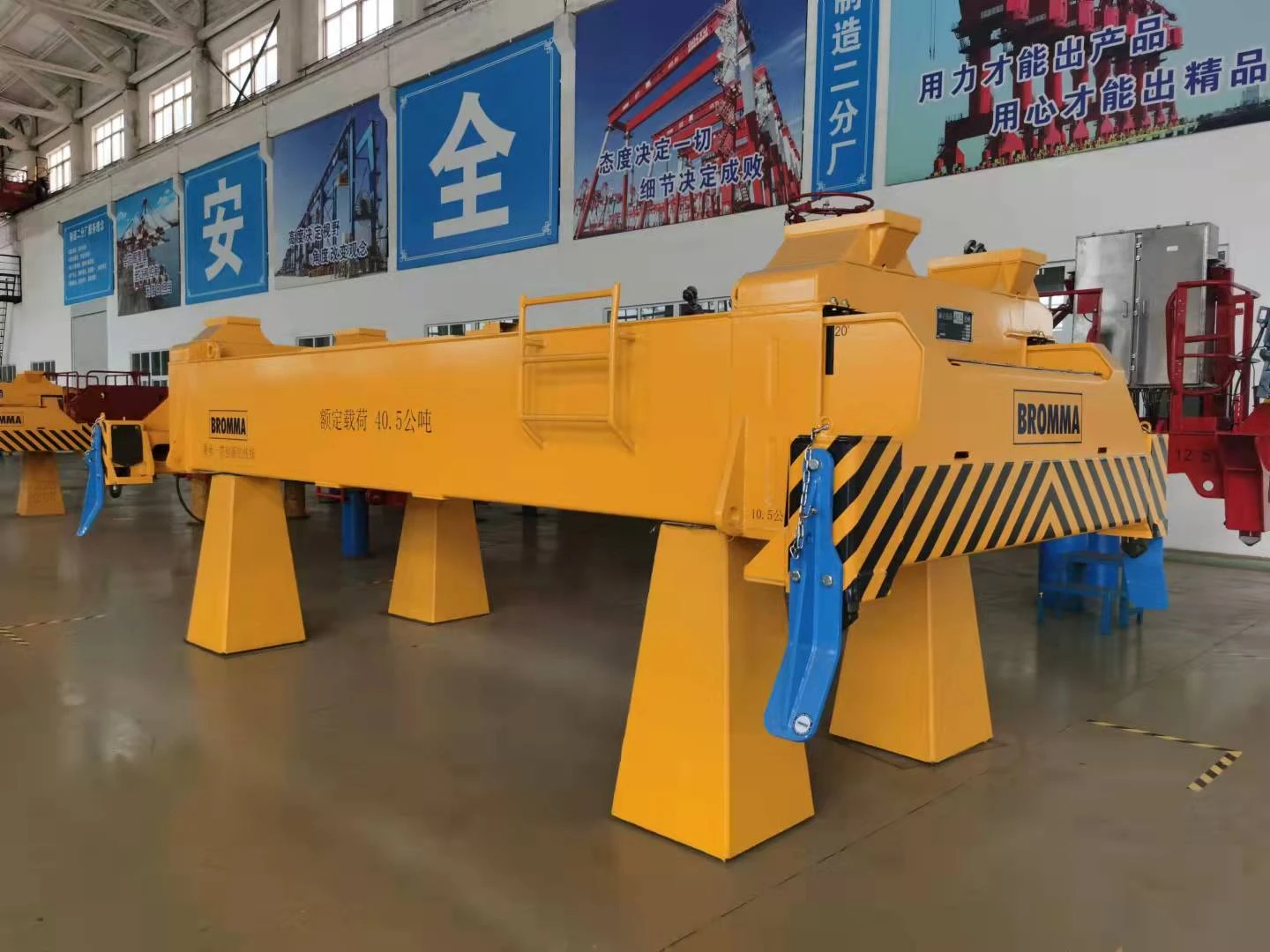
Have you ever experienced sensor faults on your portal crane after heavy rain? Portal crane rain-proofing: stop sensor faults and keep your operations running smoothly. Rain can disrupt your crane’s performance, create safety risks, and increase repair costs. With CEGC’s advanced solutions, portal crane rain-proofing stops sensor faults before they start, protecting your equipment and ensuring your port operations stay efficient and reliable.
Key Takeaways
-
Use strong housings and seals to keep rain off your portal crane sensors. This stops water from causing damage and helps your work go well.
-
Clean and check your sensors often to find problems early. Doing this helps you avoid stopping work and keeps everyone safe.
-
Think about getting new sensor options with better sealing and strength. These changes help your sensors work well even in bad weather.
Rain impact on portal crane sensors
Common faults from rain exposure
Rain can cause big problems for your portal crane sensors. Water gets inside sensor housings and creates short circuits. Moisture leads to corrosion, which damages connectors and wires. Salt in the air at ports speeds up rust and makes sensors fail faster. You might see sensors giving false readings or not working at all. These faults can stop your crane, slow down container handling, and even create safety risks. CEGC has seen these issues in port environments, so you’re not alone if you face them.
Vulnerable sensor types
Some sensors are more likely to fail when exposed to rain and salt. Here’s a quick list:
-
Load sensors: Measure weight and can give wrong data if water gets inside.
-
Angle sensors: Help with crane positioning and may lose accuracy.
-
Wind sensors: Detect wind speed but stop working when moisture builds up.
-
Anti-collision sensors: Keep cranes safe but can malfunction in wet conditions.
Tip: If you use container cranes, ship cranes, or reach stackers, pay extra attention to these sensor types.
Early warning signs
You can spot trouble early if you know what to look for. Watch for these signs:
-
Sensors show strange or unstable readings.
-
Alarms go off without clear reasons.
-
Crane movements become jerky or slow.
-
You see rust or water inside sensor housings.
If you catch these signs early, you can fix problems before they cause downtime. CEGC recommends regular monitoring and predictive maintenance to keep your portal crane running smoothly.
Portal crane rain-proofing: stop sensor faults
Protective housings and sealing
You want your sensors to work well, even in bad weather. Protective housings and good sealing keep water out. This helps your portal crane rain-proofing: stop sensor faults plan work. There are different kinds of housings and ways to seal sensors. Here is a simple table that shows how each one helps:
|
Protective Measure |
Effectiveness in Preventing Water Ingress |
|---|---|
|
Hermetic sealing |
Protects strain gauges from water |
|
Epoxy encapsulation |
Stops water from getting inside |
|
Glass-to-metal seals |
Blocks moisture from sensors |
|
IP-rated housings |
Needed for tough weather |
|
High alloy stainless steel |
Stops rust very well |
|
Hard anodized aluminum |
Stops some rust |
|
Protective coatings or plating |
Makes sensors last longer |
|
Rain hoods, sun shields, covers |
Keep rain off sensors |
|
Proper conduit sealing |
Stops water during heavy rain |
You can ask CEGC for special sealing and housing upgrades. They help you pick what works best for your port’s weather. This step is very important for portal crane rain-proofing: stop sensor faults.
Sun shields and water diversion
Sun shields and water diversion give extra protection. Sun shields block sunlight. This keeps heat and UV rays away from sensors. Water diversion hoods and covers move rain away from important spots. You can put these on container cranes, ship loaders, or reach stackers. They work with other portal crane rain-proofing: stop sensor faults steps. You get less water on sensors and fewer problems.
Tip: Make sure shields and covers fit well. If there are gaps, water can get in and cause trouble.
Corrosion protection for connectors
Salt air and rain can damage connectors fast. You need strong protection to keep sensors working. First, clean the steel and take off old rust. Next, put on a zinc-rich epoxy primer. Then, add another coat and finish with a tough polyurethane topcoat. This makes a thick layer over 300 microns. Stainless steel cabinets and fasteners help too. CEGC has these upgrades for all container equipment. These steps make portal crane rain-proofing: stop sensor faults much easier.
Cleaning and inspection routines
Dirt, salt, and water can build up on sensors. You should clean sensors and connectors often. Use a soft brush or cloth. Look for rust, loose wires, or broken seals. If you find problems early, you can fix them before your crane stops. CEGC says to add these checks to your regular maintenance. This helps portal crane rain-proofing: stop sensor faults and keeps your equipment safe.
Sensor placement and sensitivity adjustment
Where you put sensors is important. Try to keep them away from rain and splashes. Change the sensitivity so small drops or dust do not set off alarms. CEGC can help you choose the best places and settings for your portal crane. This makes portal crane rain-proofing: stop sensor faults work better.
Advanced sensor options
Sometimes, you need sensors that do more. Advanced sensors have better sealing, stronger parts, and smart features. They work well in bad weather and storms. CEGC has sensor upgrades for special needs. You can pick better anti-corrosion, stronger sealing, or remote monitoring. These choices give you more control and less worry. They make portal crane rain-proofing: stop sensor faults last a long time.
Safety and collision avoidance for cranes
Anti-sway and safe lifting systems
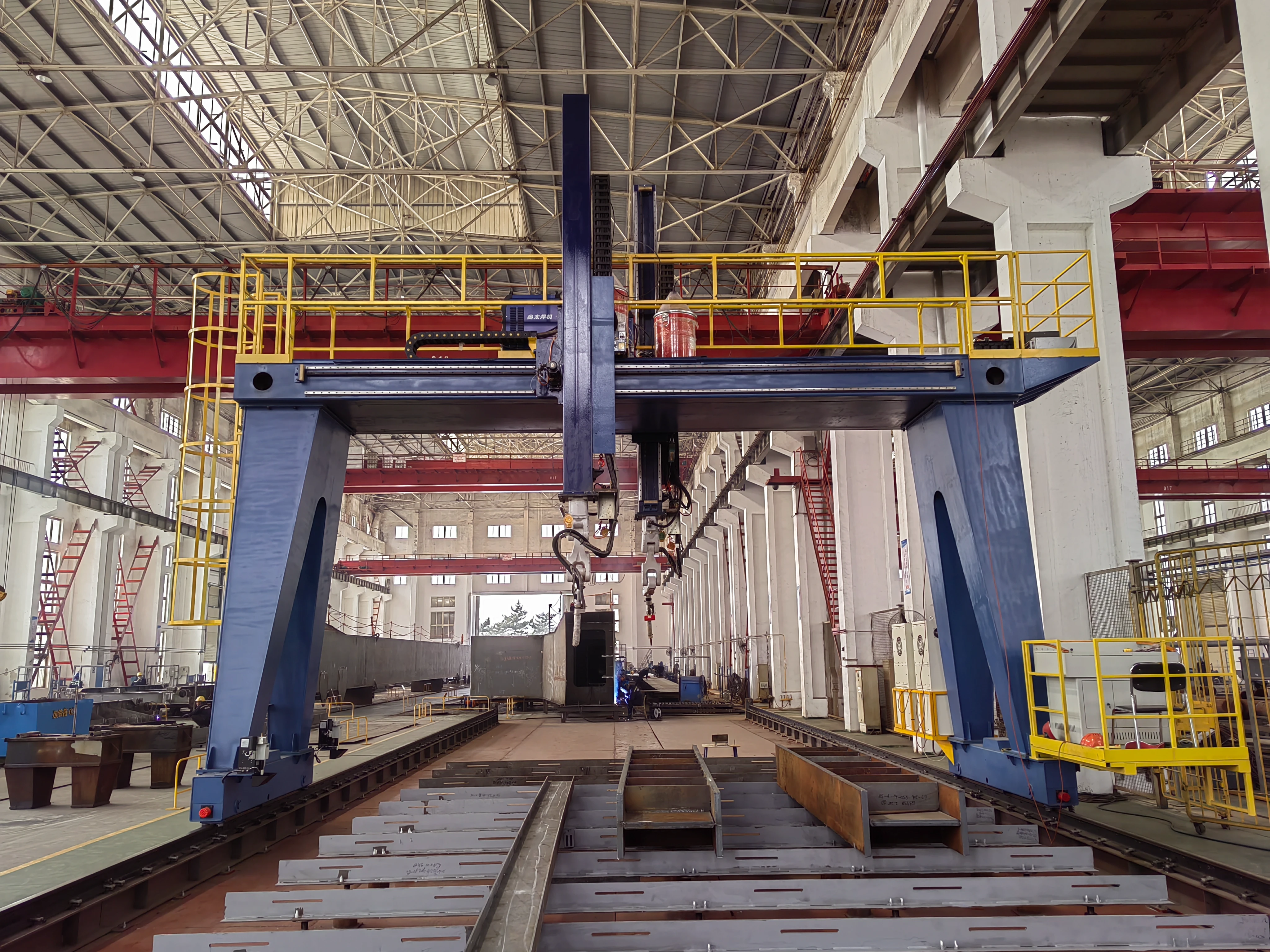
Rain-proofing helps your crane’s safety systems work better. When sensors stay dry, they give correct readings. You can trust anti-sway controls to keep loads steady. CEGC offers motion profiles and braking that reduce sway. This means safer lifts and fewer accidents. If you use container cranes or ship loaders, steady loads matter a lot. Rain-proof sensors make your anti-sway system work every day.
Collision avoidance for cranes
You want to stop crashes and keep your team safe. Rain can cause sensor faults that hurt collision avoidance for cranes. CEGC’s anti-collision system uses protected sensors and smart controls. You get clear alarms and zone-based prevention. If you use a gantry crane or reach stacker, you need these features. Rain-proofing keeps your anti-collision system working in storms.
Multi-layer safety interlocks
Safety interlocks give extra protection. You get overload protection, limit switches, and emergency stop logic. These layers help stop mistakes and accidents. CEGC designs multi-layer safety interlocks for all port machines. Rain-proof sensors make these interlocks more reliable. You can trust your crane to stop when needed.
Predictive maintenance and monitoring
Condition monitoring gives real-time updates. You can track weather and rainfall. Weather stations help you know when to pause crane work. Custom alarms warn you about sensor issues before downtime happens. Here’s how condition monitoring helps:
-
You see weather changes right away.
-
You get alarms for important sensor faults.
-
You can act fast to stop rain-related failures.
CEGC’s monitoring systems help with predictive maintenance and analytics. You get more uptime and safer container handling equipment.
You can keep your portal crane sensors safe from rain with these steps:
-
Use strong housings and seals.
-
Clean and check sensors often.
-
Pick advanced sensor options.
Want fewer faults and safer cranes? Choose CEGC’s market-standard specs or ask for custom upgrades. Invest in rain-proofing today!
FAQ
How often should you check sensors on your portal crane?
Check sensors every week. Regular checks help you find problems early. This keeps your crane safe in bad weather.
What makes gantry crane monitoring important during storms?
Gantry crane monitoring shows sensor status right away. You can act quickly if rain or wind causes issues. This keeps your team and cargo safe.
Can an outdoor-proof radar sensor improve monitoring system response?
Yes! An outdoor-proof radar sensor works well in rain. It gives you good data and faster system response. You get fewer false alarms with gantry crane monitoring.


