
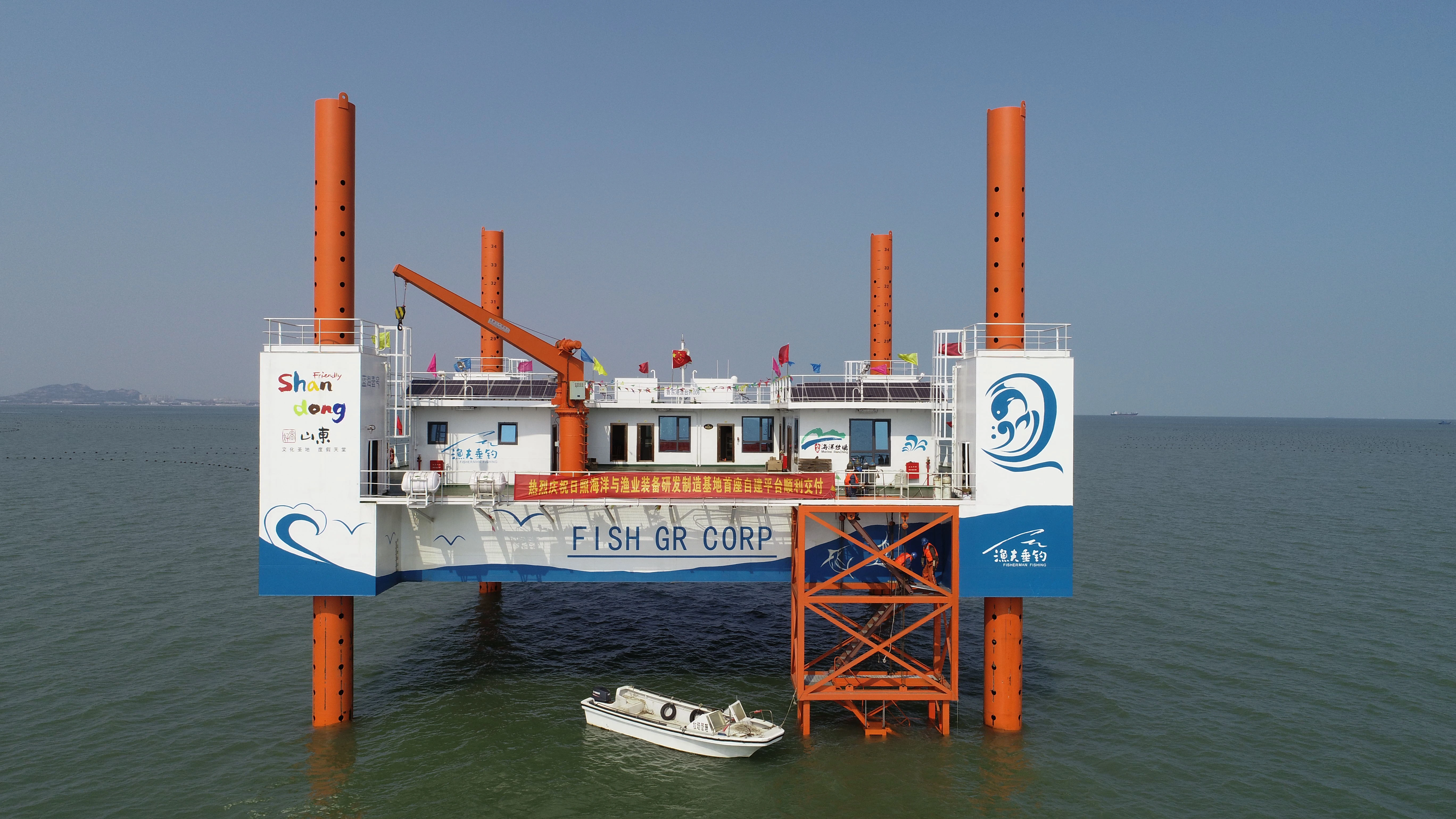
You want ship crane cold weather: start-up failures solved fast so your work does not stop. Cold weather makes hydraulic oil thick and batteries weak. This causes the crane to stop working. CEGC makes equipment for these problems. You can trust ship crane cold weather: start-up failures solved with tested fixes.
Key Takeaways
-
Use low-temperature hydraulic fluids like ISO VG 32. This helps stop hydraulic system failures in cold weather.
-
Check and take care of batteries and electrical systems often. This makes sure the crane works well when it is freezing outside.
-
Make a winter startup plan. The plan should have preheating equipment and the right oils. This keeps engines safe from cold weather problems.
Cold Weather Solutions for Ship Crane Start-Up
When it gets cold, ship cranes can have trouble starting. This can make you lose time and money. It can also be dangerous. You need easy ways to keep your CEGC portal crane, container crane, or container handling equipment working well. Here are the best ways to stop hydraulic system failure, electrical failures, and other problems.
Hydraulic System Failure Fixes
Hydraulic system failure happens a lot in cold weather. This is because hydraulic fluids get thick. Thick fluids make it hard for machines to move. This can break your equipment. You can stop hydraulic system failure by doing these things:
-
Use low-temperature hydraulic fluids like ISO VG 32. These special oils flow better in the cold and help stop hydraulic system failure.
-
Winterize your hydraulic system. Check how thick the fluid is often. Keep the temperature steady to protect pumps and valves.
-
Look at seals and connections. Cold weather makes things shrink. This can cause leaks and hydraulic system failure.
-
Add heating solutions. Use reservoir heaters or heat trace tape. These keep hydraulic fluids warm enough.
-
Make a winter startup plan. Always preheat your equipment. Follow steps to stop pressure spikes and cavitation.
-
Store equipment the right way. Keep extra fluids and repair supplies ready for emergencies.
Container handling equipment makers say to use hydraulic fluids made for cold weather. Heating blankets and insulation keep the right temperature and help stop hydraulic system failure.
Tip: Check and fix your equipment often. This helps you find problems early and stop hydraulic system failure before it causes downtime.
Battery and Electrical Maintenance
Batteries lose power fast when it is cold. Electrical failures can keep your crane from starting. You can stop these problems by:
-
Checking the temperature around your batteries. Use insulation or heaters to keep them warm.
-
Controlling the area. Make sure batteries stay at the right temperature to work well.
-
Upgrading electrical systems. New cranes like CEGC container gantry cranes can use heaters and cold-proof parts to stop electrical failures.
-
Using better lubricants. These help electrical parts move easily, even when it is freezing.
If you check and fix batteries and electrical systems often, your equipment will work better and be safer.
Engine Warm-Up and Oil Selection
Engines need extra care in cold weather. If you do not warm up your equipment first, oil can get too thick and cause problems. Here is how you can protect your engine:
|
Method |
Description |
|---|---|
|
Use the right oils and greases. Move hydraulic oils before starting. |
|
|
Protection Against Freezing |
Stop lubricants and hydraulic oils from freezing with heaters. |
|
Continuous Circulation |
Use heaters or pumps to keep water in pipes from freezing. |
|
Suitable Materials |
Pick materials that work in the cold or add heaters. |
Always pick engine oils that are thin for cold weather. These oils move better and protect your engine when you start it. If you use the wrong oil, your equipment can freeze up and break. Checking your equipment and using the right oil helps stop engine failure and saves time.
Safe Work Area Preparation
Safety is very important in cold weather. You must get the work area ready to stop accidents and failures. Follow these safety steps:
|
Safety Protocols |
Description |
|---|---|
|
Clear snow and ice |
Take off all snow and ice from the crane before you start. |
|
Load reduction |
Lower the load by 20%-40% when it is below 0°C. |
|
Material selection |
Use strong materials that work in the cold, like high-strength low-alloy steel. |
|
Protective coatings |
Put on galvanized or epoxy coatings to protect steel from the cold. |
|
Certification |
Pick cranes with RS and DNV certification for cold weather. |
|
Cab comfort |
Make sure cabs have air conditioning and defogging for safety. |
You should also use anti-sway and safe lifting control systems. These help stop crashes and keep your work safe, even when wind and cold make things harder.
Note: Check and fix your work area and equipment often. This helps you avoid safety problems and failures.
If you follow these steps, you can stop hydraulic system failure, electrical failures, and engine problems. Your CEGC ship crane, portal crane, or container handler will work safely and well, even in very cold weather.
Preventing Start-Up Failures: Maintenance and Monitoring
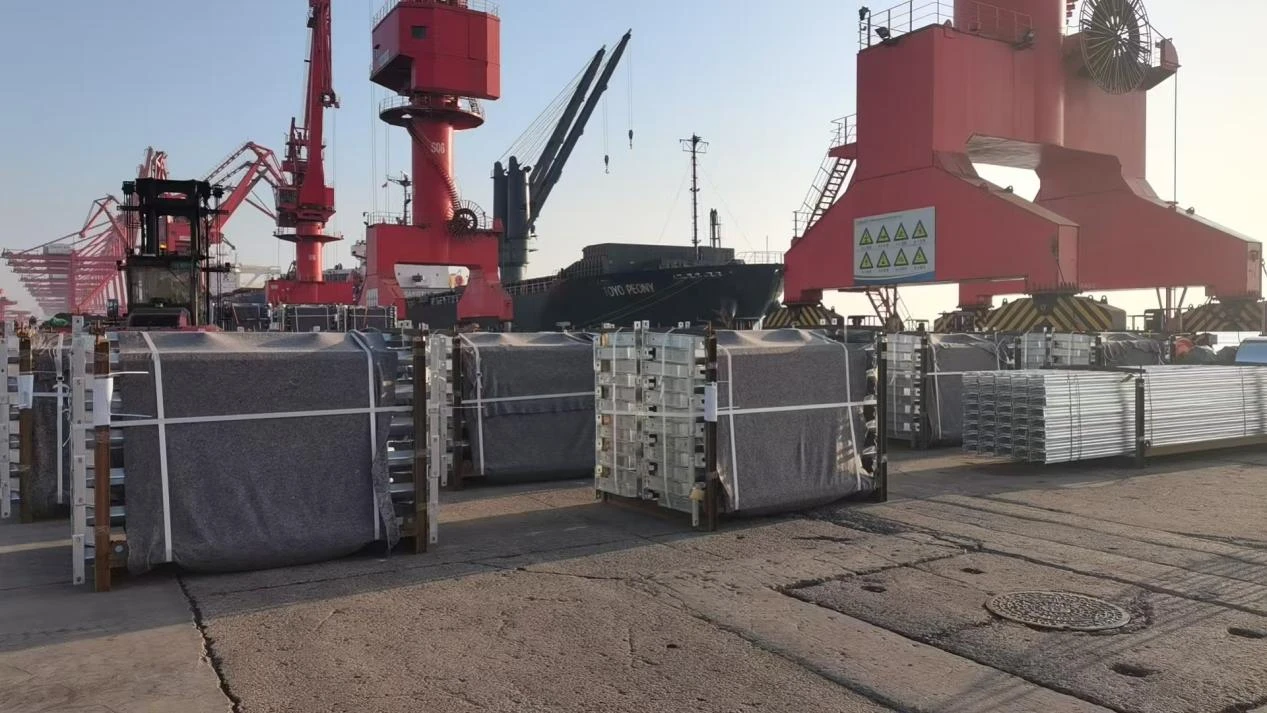
Regular Maintenance and Inspection
You need to check your ship crane often to stop failures. Cold weather can make contamination and temperature problems worse. Use a checklist so you do not miss anything. Look at fluid levels and see if the fluids are clean. Change filters and check for cracks or leaks. Test the batteries and clean the battery ends. Take off any ice and test alarms. Good habits, like using block heaters and parking where it is safe, help stop failures. If you skip these steps, your crane can get contaminated and the hydraulic system can fail.
|
Inspection Area |
Key Actions |
|---|---|
|
Fluids and Lubrication |
Check how thick the oil is, use oil for cold, and test coolant for freezing. |
|
Filters |
Change filters and empty water separators. |
|
Belts, Hoses, and Seals |
Look for cracks, leaks, or dirty spots. |
|
Battery and Electrical System Care |
Test batteries, check alternators, and clean battery ends. |
|
Daily Inspections |
Remove ice, check lights, alarms, and look for leaks. |
|
Operator Practices |
Use block heaters, do not rev too hard, and park in safe places. |
Predictive Monitoring for Hydraulic System Failure
You can use sensors to spot problems before they happen. Sensors watch hydraulic pressure, vibration, and temperature. They send this information to a computer. The system looks for strange changes and warns you about leaks or clogs. This helps you stop hydraulic failure and contamination. Using sensors means less downtime and saves money. Smart systems can warn you weeks before a problem happens. You will not have as many surprise breakdowns. You can plan repairs instead of fixing things in a rush.
Temperature Management and Preheating
You need to keep things warm to stop failures and contamination. Use preheaters for hydraulic oil and engine fluids. Heated windshields, LED lights, and fans help keep the crane safe and working well. Cold-proof materials and heated control boxes stop frost and contamination. Always clear snow and ice from your crane. Watch the temperature to keep fluids good and safe.
Marine Durability and Anti-Corrosion Protection
Saltwater and wet air can cause contamination and failures. Put on marine coatings like Rust Grip, Moist Metal Grip, or Enamo Grip. These coatings keep out salt and water and stop rust. Wash your crane with fresh water to get rid of salt. Use stainless steel parts and closed electrical boxes for more strength. Marine coatings help your crane last longer and stop failures. Doing these things keeps your crane safe and working in tough weather.
Tip: Do maintenance, check the hydraulic system, and use protection to stop contamination and failures in cold weather.
You can fix ship crane start-up failures in cold weather. Do this by doing regular maintenance, using sensors, and making technical upgrades. Cold weather can make brakes work badly. It can cause gearboxes to wear out faster. Electrical parts may not work well in the cold. The table below shows main problems:
|
Challenge |
Impact on Crane Systems |
|---|---|
|
Brake performance |
Snow and ice make brakes weaker |
|
Gearbox wear |
Cold makes gearboxes wear out faster |
|
Rail tracking |
Winter makes rails harder to track |
|
Electrical reliability |
Extreme cold makes electrical parts weaker |
|
Load stability |
Ice and snow can make loads unsafe |
|
Maintenance and inspections |
Needed to find winter damage early |
Pick CEGC solutions to keep your crane working well all year.
FAQ
What hydraulic oil should you use for ship cranes in cold weather?
You should use low-temperature hydraulic oil like ISO VG 32. This oil flows better in cold weather and helps your crane start smoothly.
How can you keep batteries working in freezing temperatures?
You can use battery heaters or insulation. Check battery charge often. Warm batteries work better and last longer in cold weather.
Why does CEGC recommend anti-sway systems for winter operations?
Anti-sway systems help you control loads in wind and ice. You reduce collision risk and improve safety for your team.


