
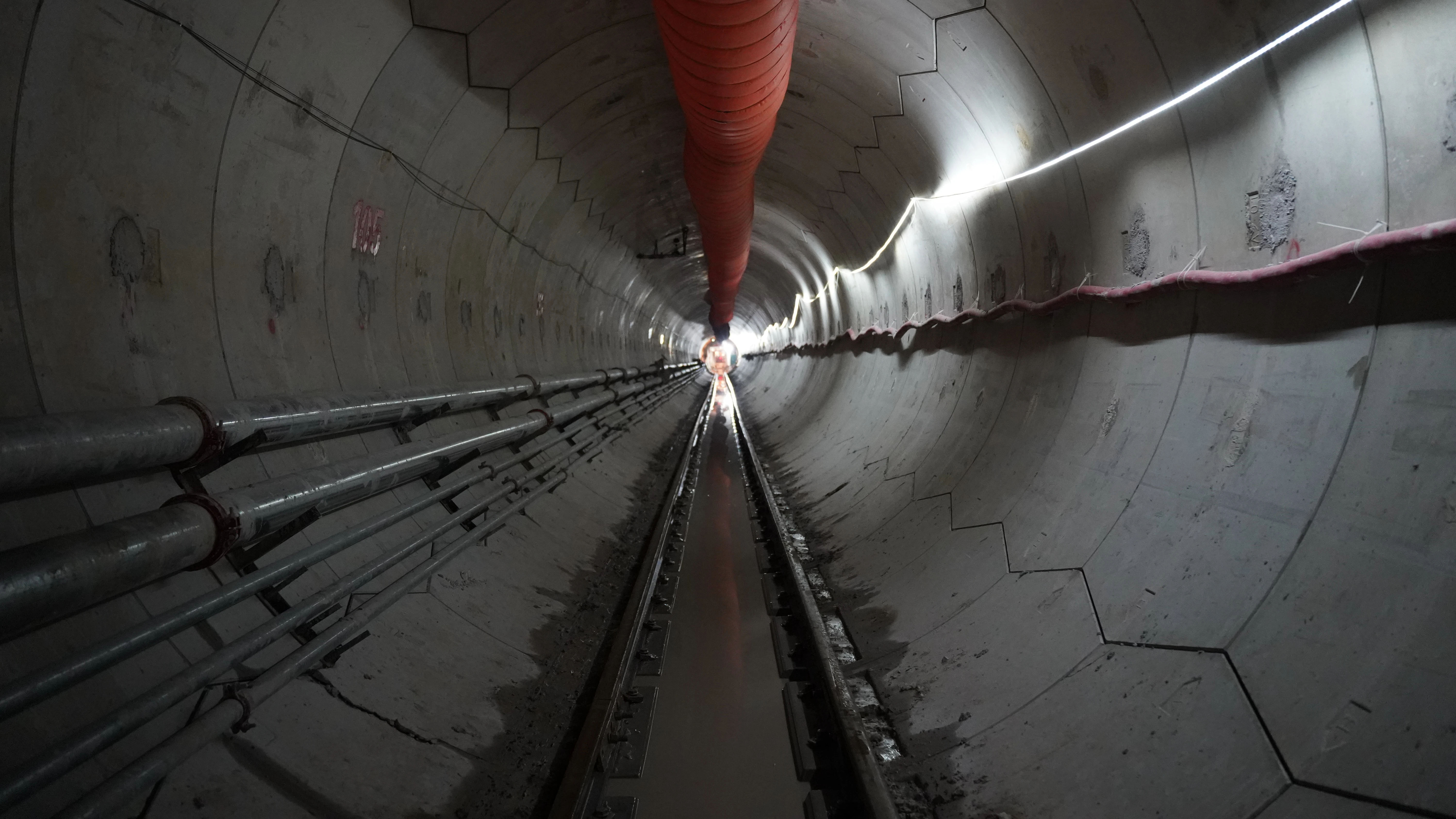
In large tunnel projects, accurate information is crucial. Position errors can delay handover on a TBM tunnel, leading to potential setbacks. Losing tunnel alignment can result in project delays, which impacts everyone involved. Ensuring reliable tunnel information is essential for meeting regulatory requirements and keeping the project on track. Any delays affect all team members working on the tunnel, emphasizing the need for precision and efficiency.
Key Takeaways
-
Position errors in tunnel building can cause big delays and higher costs. Good data and checking are needed to keep the project moving.
-
Using Building Information Modeling (BIM) and geotechnical data helps stop misalignment. It also makes sure the tunnel stays on the right path. This teamwork is very important for the project to work well.
-
Using real-time monitoring systems can lower building costs and make things safer. Spending money on technology now can save time and money later.
Position Errors in Tunnel Machine Operations
Definition and Causes
You use tunnel machines like TBM, microtunnelling machines, and auger boring machines for every tunnel job. Position errors happen when the machine does not stay on the planned path. These mistakes can come from different places. Sometimes, equipment is not set up right. Survey mistakes can cause trouble too. Data transfer between teams may be wrong. Ground conditions can change and surprise you. Recent case studies show ground changes are a main cause of errors. These changes make it hard to know what will happen next. This can cause accidents and slow down building.
You need building information modelling and geotechnical engineering to help stop these errors. BIM data model lets you collect and share tunnel information. Geotechnical data tells you about the ground. Using both helps you plan better and avoid surprises.
Impact on Tunnel Alignment
Position errors change tunnel alignment in every project. In city and utility tunnel jobs, you must keep the tunnel on the right path. If the tunnel goes off course, you face big problems. You may have to stop and fix the tunnel. This takes time and costs money.
If you do not connect geotechnical data and building information modelling, you risk misalignment. Bad data integration can cause ground instability and equipment failures. You need all information from geotechnical engineering and BIM data model to keep the tunnel safe and on track.
You must use accurate data and share information well. This helps you finish the tunnel project on time and reach all your goals.
How Position Errors Can Delay Handover on a TBM Tunnel
Handover Disruptions and Rework
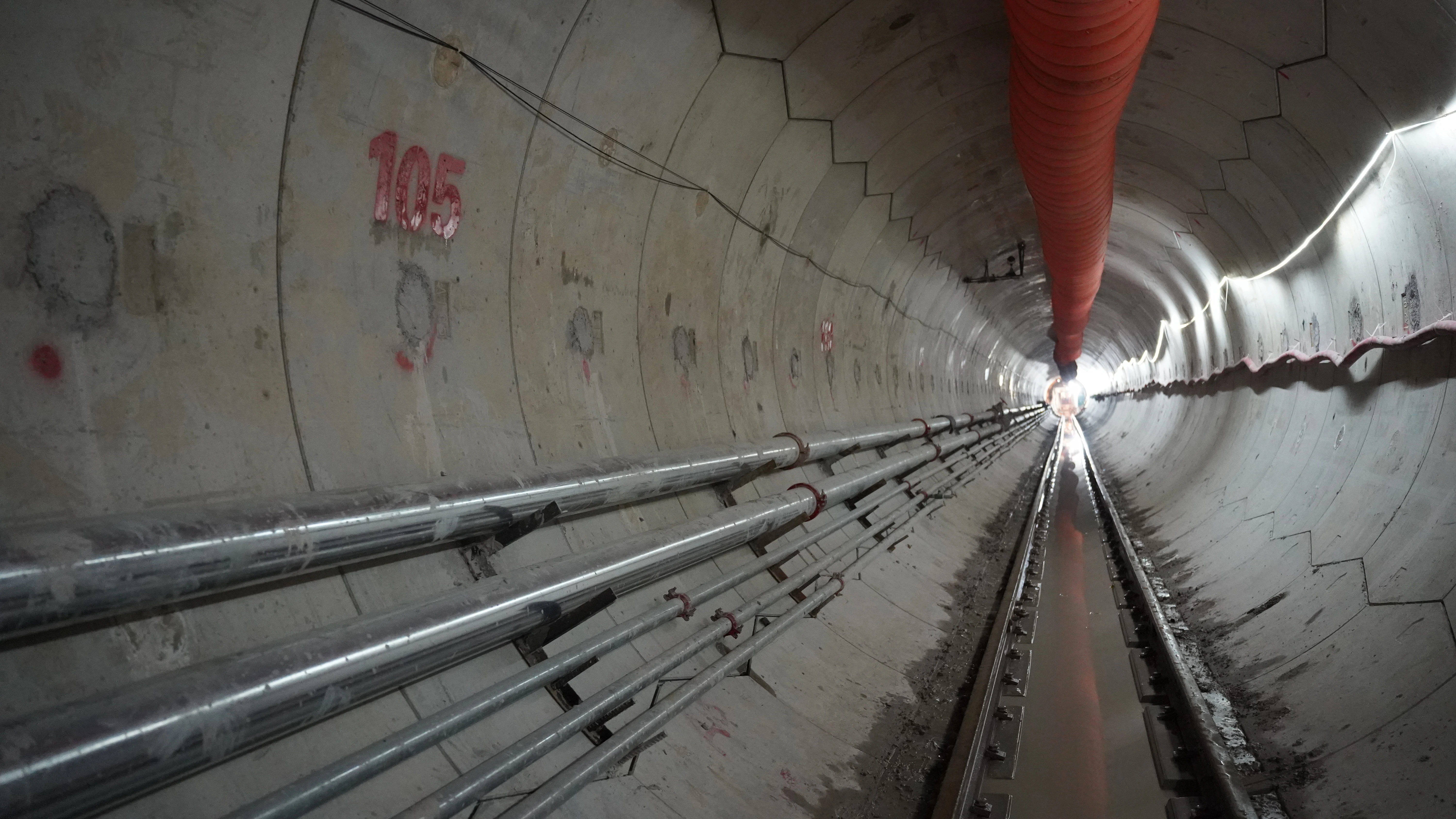
When position errors happen, you face many problems on a TBM tunnel. These problems often start when the tunnel is not straight. If the tunnel machine moves off the planned path, you must stop and check the tunnel. This means you have to fix or rebuild tunnel parts. Every time you fix a mistake, you lose time and money.
You also have to wait for checks. Before you finish the project, you must show the tunnel meets all rules. If you find gaps or misalignment in the tunnel lining, you must write down every change. This slows down the handover. You may also have trouble getting the tunnel accepted. The owner or inspector may not accept the tunnel if you cannot prove the work is good. These problems can cause big delays for your team and the project.
Note: Segment misalignment can make tunnel segments weaker. This can hurt the tunnel’s strength and safety. You must check every detail during building to stop these problems.
You need teams to work together well. BIM and geotechnical data help you track every step. When you use good information, you can fix problems and keep the project moving.
Real-World Delay Scenarios
You can see how position errors slow down handover on a TBM tunnel in real life. Imagine you work on a city tunnel for a new water line. The tunnel machine goes off course because the ground changes. You must stop and check the tunnel’s path. The team finds some tunnel segments do not fit. You need to take them out and put in new ones. This can delay the project for weeks.
In another job, you use BIM and geotechnical data to plan the tunnel. But the data does not move between teams the right way. The tunnel machine follows the wrong path. You must do the survey again and fix the records. This adds more problems and costs.
You may also have trouble with quality records. If you cannot show clear steps, the owner may not accept the tunnel. You must check again and fix mistakes. This slows down handover and costs more money.
-
Common problems you may see:
-
Gaps between tunnel segments
-
Misalignment during tunnel lining
-
Delays in checks and records
-
More time needed for fixing and checking
-
You can fix these problems by working together and using good data. BIM and geotechnical data help you track changes and keep the project going.
Prevention and CEGC Solutions
You can stop position errors that slow handover on a TBM tunnel by using new technology and good habits. Real-time monitoring and guidance systems help you track the tunnel machine’s spot. These tools lower mistakes and make the work better. For example, real-time monitoring can cut monthly costs by 37% and yearly costs by 77%. You also get better safety and faster records.
|
Metric |
Improvement |
|---|---|
|
Monthly construction costs |
37% reduction |
|
Annual construction costs |
77% reduction |
|
Safety enhancements |
Real-time risk checks, monitoring, and auto records |
You can use deep reinforcement learning to control the tunnel machine. This tool helps you guess and control where the machine goes. It makes the work more exact and lowers human mistakes. You can get high accuracy for both sideways and up-and-down moves.
CEGC gives you TBM and microtunnelling machines you can change for your job. These machines have guidance systems, strong parts, and controlled digging shapes. You can pick what fits your project. CEGC also gives training, quality checks, and support. These help you fix problems and stay on schedule.
You must care about quality at every step. Regular safety checks, skill training, and using safety gear help you avoid mistakes. You need to stop unsafe actions and make work better. BIM and geotechnical data give you the info you need for good records and teamwork.
Tip: Better position accuracy helps city workers and trenchless contractors work in small spaces. You can avoid breaking other pipes and finish the job safely.
You may pay more at first for new monitoring tools. But you save money later. You use less labor, build faster, and finish on time. With the right tools and info, you can fix problems and build a good tunnel.
|
Technology |
Description |
Advantages/Disadvantages |
|---|---|---|
|
Total Stations |
Measures spots of optical targets in a set system. |
Needs a clear view; not always good for tight tunnels. |
|
Laser Scanning (LiDAR) |
Measures millions of 3D points to make a point cloud. |
Good for checking shape; needs a clear view and can make mistakes. |
|
Bassett Convergence System |
Uses arms and tilt sensors; no clear view needed. |
Gives almost real-time data; not for use during TBM work. |
|
Tape Extensometer |
Measures distance between points by hand. |
Not for live tunnels; data is not real-time or steady. |
You can pick the best tool for your tunnel job. CEGC helps you with custom machines and good quality. You can use BIM, geotechnical data, and guidance systems for good records and accuracy. This helps you fix problems and finish the project on time.
You can see that position errors slow down tunnel handover. You need BIM and geotechnical data to keep the tunnel straight. You use monitoring systems to help guide the tunnel machine. You follow good project management steps. You trust CEGC to help with tunnel jobs. You share data with your team. You use BIM to plan the project. You check geotechnical data to build safely. You depend on information to finish the tunnel. You make better choices with good data for handover.
FAQ
What causes position errors in a tunnel project?
Position errors can happen for a few reasons. Sometimes, you use the wrong data. Other times, the ground changes in ways you did not expect. You might also miss important geotechnical checks. Good bim helps you stop these mistakes.
How does bim help with tunnel construction?
Bim lets you share data with your team. You can see how the tunnel is going. You can check geotechnical reports easily. This helps you keep the project on time.
Why is geotechnical data important for tunnel handover?
Geotechnical data tells you about the ground. This helps you plan how to build the tunnel. You can avoid risks and finish the project with fewer problems.


