
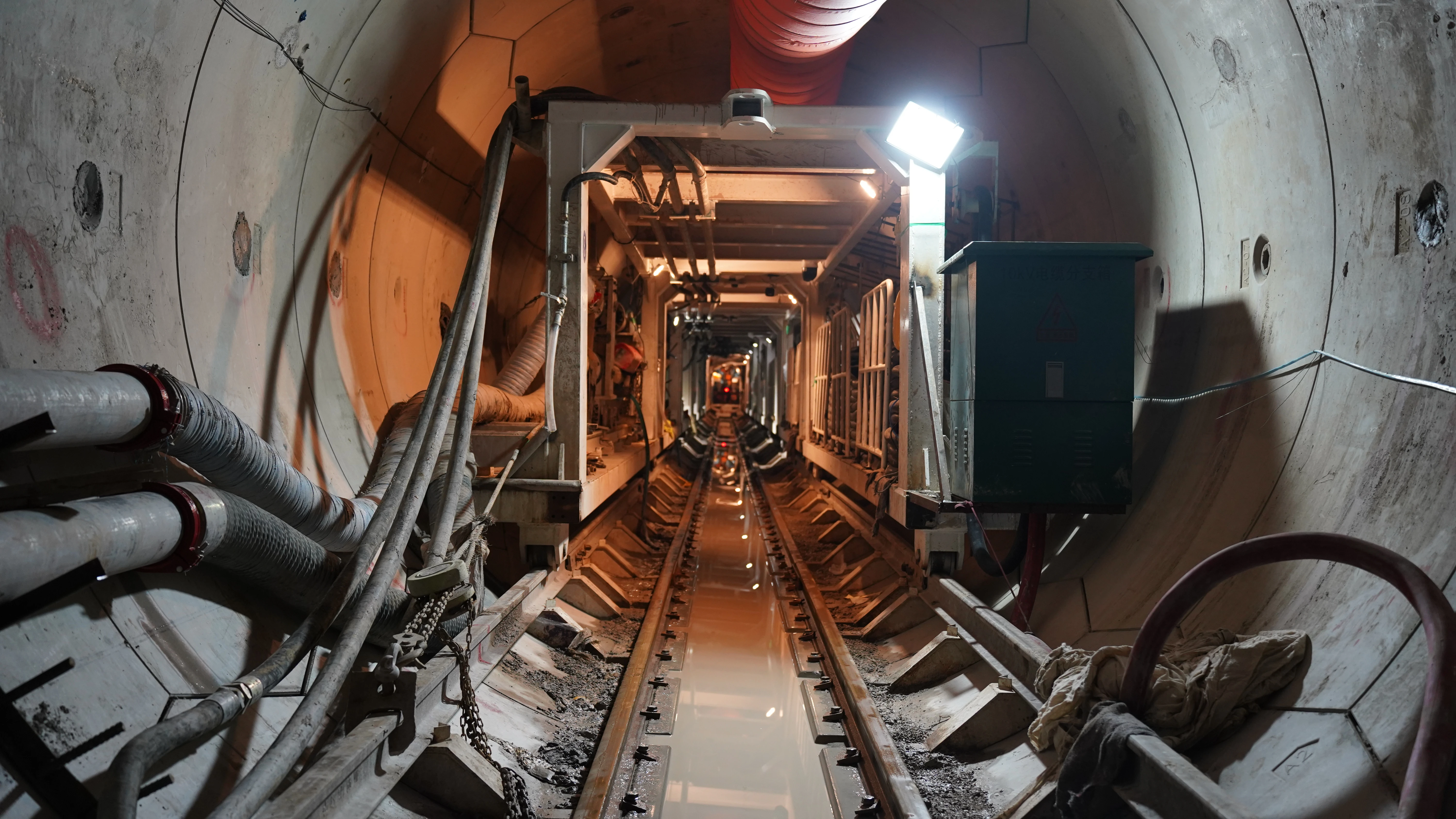
With micro tunneling positioning, you gain greater control and precision over your project, significantly reducing scope creep risk. This advanced method delivers exceptional accuracy and minimizes potential issues. Here’s how micro tunneling positioning compares to traditional tunneling:
|
Feature |
Micro Tunneling Positioning |
Traditional Tunneling |
|---|---|---|
|
High |
Lower |
|
|
Data Collection |
3D GPR, multiple data sources |
Basic surveys |
|
Construction Optimization |
Digital twin technology |
Standardized |
CEGC’s expertise in tunnel machine technology ensures that micro tunneling positioning reduces scope creep risk, providing reliable results and enhanced project control.
Key Takeaways
-
Micro tunneling positioning helps people control projects better and be more exact. This lowers the chance of scope creep happening. - Micro tunneling uses advanced guidance systems. These systems let workers make changes right away. This helps fix alignment problems and stops expensive errors. - When people use micro tunneling, it can cost less money. There are also fewer delays. This helps projects finish on time and not spend too much.
Scope Creep in Tunnel Construction
What Is Scope Creep?
You may hear the term "scope creep" when people talk about construction. Scope creep happens when new tasks or changes get added to a job after work has already started. These changes often do not come with extra time or money. In tunnel construction, scope creep can start small but grow quickly. You might see new requirements, extra safety steps, or design changes appear during the work.
Many experts say that scope creep often comes from not knowing enough about the tools or the complexity of the job. If you do not understand how a tunnel machine or a TBM tunnel boring machine works, you may ask for changes that cause confusion. This lack of knowledge increases risk and makes it harder to finish on time.
Impact on Tunnel Projects
Scope creep can cause big problems for your tunnel project. You may face higher costs and longer schedules. For example, some projects must follow strict rules from environmental groups. These rules can force you to change your plans, which adds more work and cost. When you add new tasks without planning, you increase the risk of delays and budget problems.
Project managers often find it hard to measure progress when scope creep happens. You may see confusion among teams and trouble meeting deadlines. In some cases, scope creep can even lead to project failure. You can avoid these issues by understanding the risks and using the right tools from the start.
micro tunneling positioning reduces scope creep risk
Precision and Guidance Systems
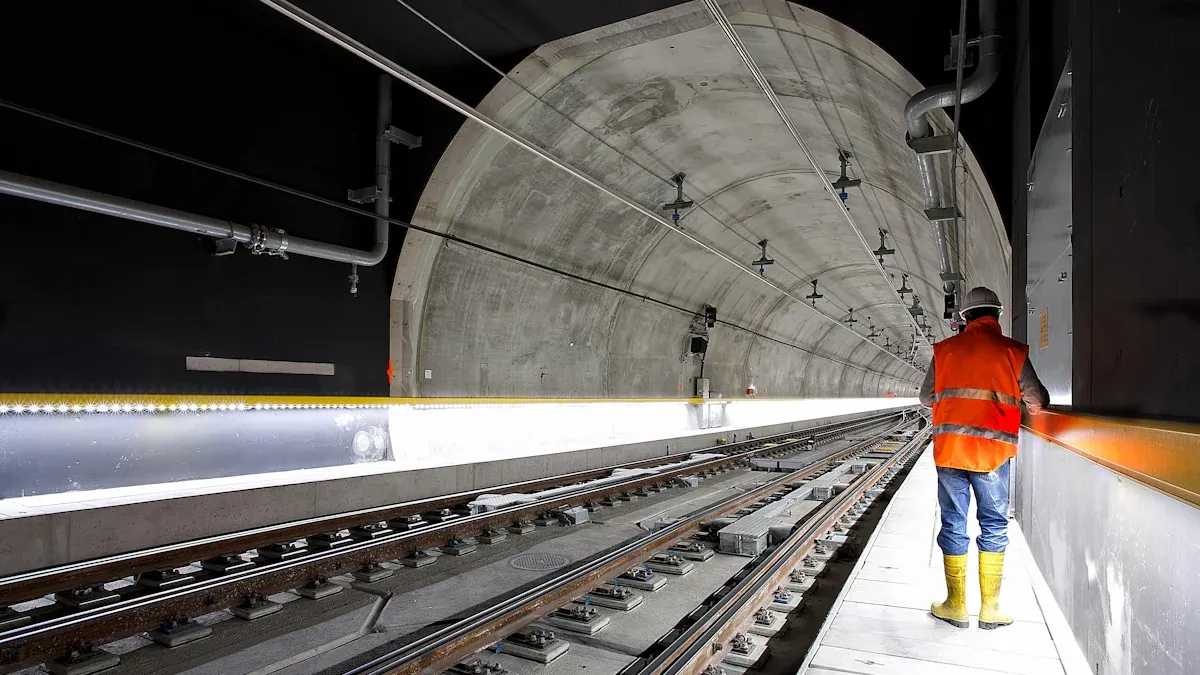
You must control your tunnel project very carefully. Micro tunneling positioning helps lower scope creep risk with special guidance systems. These systems let you steer the tunnel machine very accurately. CEGC’s microtunneling machines use laser-controlled guidance, motorized laser targets, and active laser reference points. These tools give you real-time data and help you make fast changes. The table below shows how each tool helps with accuracy:
|
Feature |
Contribution to Positioning Accuracy |
|---|---|
|
Laser-controlled guidance system |
Gives real-time data for steering, making navigation more accurate. |
|
Motorized laser target unit |
Finds the horizontal and vertical position, pitch, and roll of the MTBM, which is important for alignment. |
|
Active laser reference point |
Sends a laser beam down the tunnel centerline, helping keep the line and grade correct. |
|
Controlled atmosphere maintenance |
Stops problems from heat, dust, and humidity, so laser readings stay clear and accurate. |
These systems help your tunnel boring machine stay on the planned path. This control means you avoid surprises and keep your project on track.
Preventing Alignment Deviations
Alignment mistakes can cause big trouble in tunnel building. Micro tunneling positioning helps stop these mistakes before they happen. CEGC’s guidance systems use automated tools like inertial navigation, tilt sensors, and hydraulic steering. These tools can move the cutterhead up to 100 times every second. You get 40% fewer alignment problems than with manual systems. Here is a quick comparison:
|
Feature |
Micro Tunneling Machines |
Manual Systems |
|---|---|---|
|
Guidance Technology |
Automated (inertial navigation, tilt sensors, hydraulic steering) |
Manual alignment |
|
Adjustment Frequency |
50 to 100 times per second |
N/A |
|
Reduction in Alignment Issues |
40% decrease |
N/A |
You avoid expensive mistakes and extra work because the tunnel stays on line and grade. This is very important in cities where space is small and there are many pipes and wires. CEGC’s strong machine structure and careful digging also help you avoid cutting too much and make pipe installation easier.
Reducing Rework and Delays
Using micro tunneling positioning means less rework and fewer delays. Good guidance means fewer surprises and less need to change your plans. CEGC’s modular design and face pressure control systems help your tunnel machine work well, even in hard ground. You spend less time fixing errors and more time moving forward.
Real projects show how micro tunneling positioning lowers scope creep risk. For example, the Maryland State Highway Administration cut utility moves from 5,000 feet to only 400 feet, saving over a million dollars. In Richmond, Virginia, a project fixed 80% of possible problems before building started, saving hundreds of thousands of dollars. In North Carolina, a team saved $500,000 by moving just part of a water line instead of all of it.
You can see that microtunneling gives you better control, fewer changes, and more predictable results. CEGC’s tunnel machines and technical solutions help you finish your project on time and on budget.
Practical Benefits for Project Management
Cost and Schedule Certainty
You want your project to finish on time. You also want to stay within your budget. Microtunneling helps you control costs and schedules. It lowers the risk of delays and surprise expenses. One pilot project had a 1.2 km tunnel. The time to fix issues dropped from 21 days to 6 days. Change orders went down by 35%. If your project is late by ten days, costs can go up by 2.1%. Early scope drift causes 27% of average cost overruns. Microtunneling keeps your project on track and avoids these problems.
|
Aspect |
Micro Tunneling (Micro TBM) |
Traditional Tunneling (TBM) |
|---|---|---|
|
Initial Costs |
Lower |
Higher |
|
Operational Efficiency |
Higher |
Lower |
|
Project Completion Time |
Quicker |
Slower |
|
Local Disruption Penalties |
Fewer |
More |
|
Overall Cost Reduction |
Baseline |
You save money over time. Micro TBM technology cuts labor costs by 30%. Maintenance costs are 25% lower. Cities see up to 40% better return on investment.
Fewer Surface Disruptions
Microtunneling keeps the surface safe and quiet. You avoid claims, stoppages, and utility conflicts. This method works well in cities. Traditional digging would cause big problems there. You protect roads, sidewalks, and buildings. Microtunneling uses advanced guidance to steer around pipes and wires. Lasers and sensors help you make real-time changes. The surface stays intact and safe.
-
Micro-tunnel boring keeps surface disruptions low during construction.
-
It works best in cities where digging would disturb daily life.
-
You install underground systems quickly and keep the surface safe.
Microtunneling helps your project succeed with standard specs and custom options. You get fewer disruptions, lower risk, and better results.
You can lower scope creep risk with micro tunneling positioning. CEGC offers advanced tunnel machines and smart solutions. This gives you more control and better accuracy. Your project stays on schedule. You should trust CEGC for your next trenchless construction job.
FAQ
What makes microtunneling different from other trenchless construction methods?
Microtunneling is used for underground jobs that need accuracy. It gives you more control than other trenchless methods. You can make sure the tunnel goes exactly where you want.
How does microtunneling help reduce construction risk?
Microtunneling lowers risk during construction. The guidance system keeps the tunnel straight. It helps you avoid expensive errors and problems.
Can you use microtunneling in cities with many underground utilities?
Microtunneling works well in cities with lots of pipes and wires. You do not need to dig up streets. This means less noise and fewer disruptions for people.


