
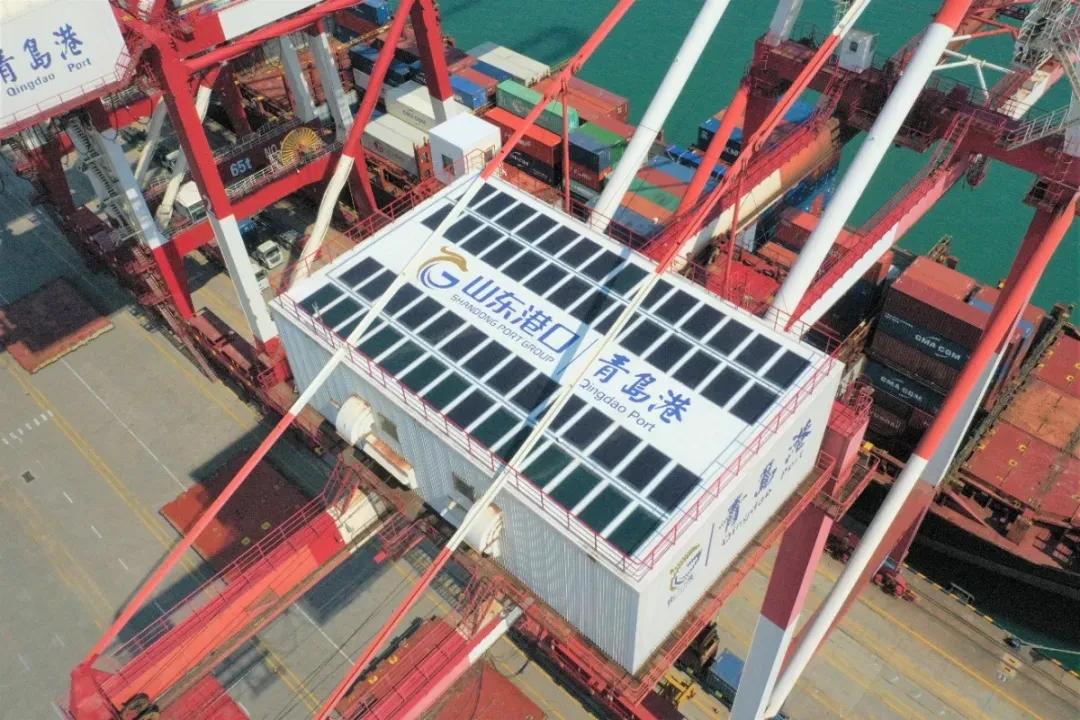
You see reach stacker forklift: faster lift at ports. CEGC makes reach stacker forklift: faster lift to lower risk and stop tip-over. Tip-over accidents cause 42% of forklift crashes during high lifts.
|
Incident Type |
Percentage |
|---|---|
|
Tip-over |
42% |
|
Overturns |
25% |
You lower risk by using standard specs and changing reach stacker forklift: faster lift. You use anti-sway systems, safety locks, and operator controls to lower risk. You keep loads in the right place and use speed control to lower risk and stop tip-over. You count on strong stability to lower risk and tip-over. You trust reach stacker forklift: faster lift to lower risk and make things safer.
-
Operator training and certification help you lower risk and tip-over.
-
Checking and fixing equipment help you lower risk and tip-over.
-
Safe driving and following limits lower risk and tip-over.
Key Takeaways
-
CEGC reach stacker forklifts make work safer with special features like anti-sway systems and overload protection. These features help stop tip-overs from happening. - Operators need good training and must check the equipment every day. This helps keep everyone safe and stops accidents when lifting things high. - Always keep loads low and in the middle of the forks. This helps the forklift stay steady and lowers the chance of tipping over.
Forklift tip over risks in high lifts
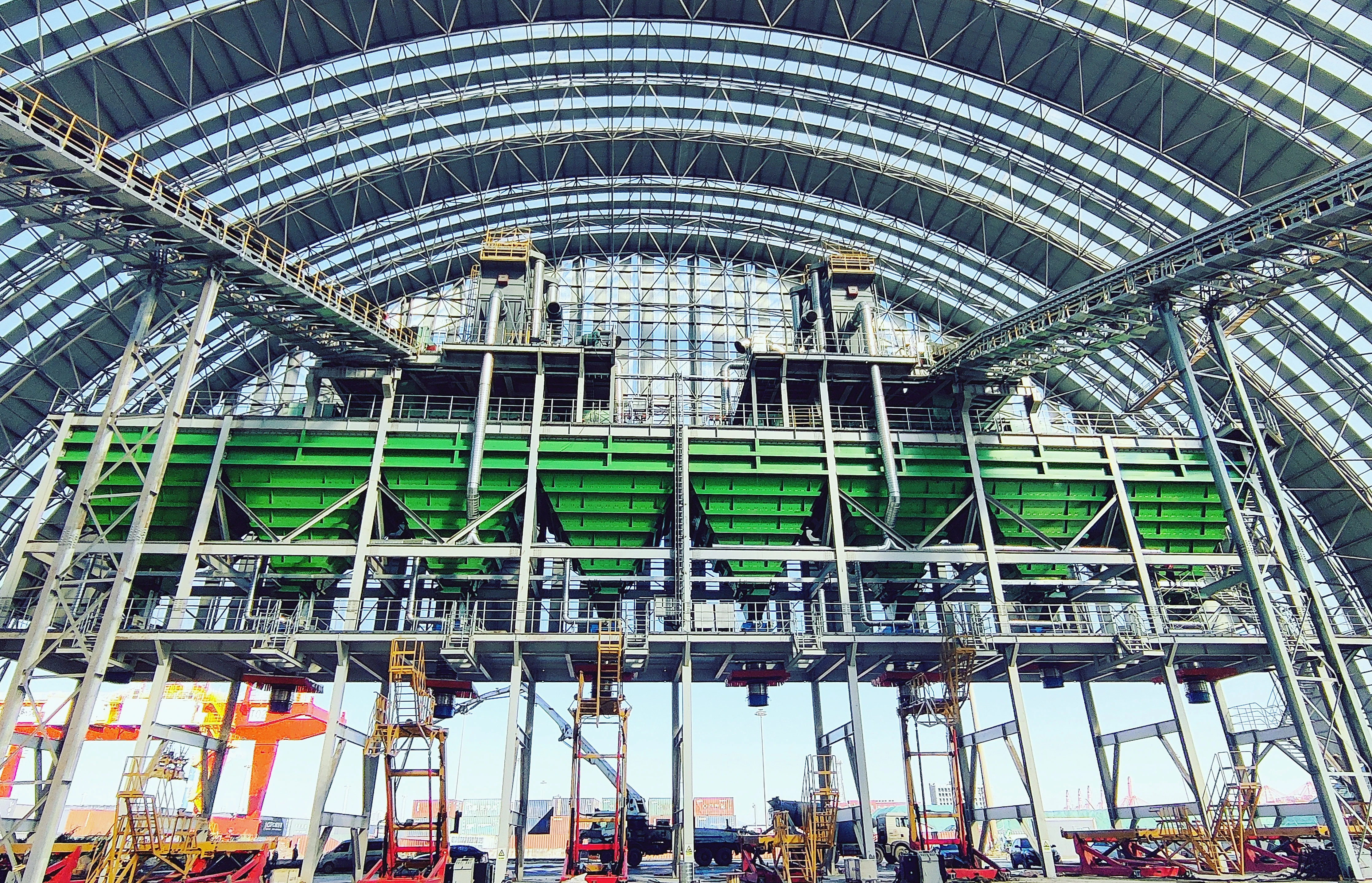
Load center and stability
Every time you lift a load high, there is tip over risk. The main causes are handling suspended or live loads, turning with an elevated load, moving on slopes, and working with unstable loads. When you lift a load up, the center of gravity moves. If the load center distance gets bigger, the forklift is less stable. The load moment gets stronger as the load center moves out. This makes tipping more likely. You must check the load center and keep it inside the rated limits. This helps you keep stability and avoid forklift tip-overs.
Tip: Always keep the load close to the mast. This keeps the center of gravity low and helps stability.
|
Cause of Tip-Over |
Explanation |
|---|---|
|
Handling of suspended or live loads |
These loads swing and move, making the forklift unstable and raising tip-over risk. |
|
Turning with an elevated load |
Turning with an elevated load makes the forklift less stable, especially at greater heights. |
|
Traversing a slope or uneven ground |
Slopes or rough ground shift weight, making the forklift unstable and easier to tip over. |
|
Unstable loads or overloading |
Unstable loads or too much weight can make the forklift tip forward or backward. |
Operator skill and environmental factors
Your skill as an operator is important for stopping forklift tip over. Turning with an elevated load needs careful control. Quick turns or sudden stops can make the forklift unstable. You must also watch for environmental factors. Temperature changes affect hydraulic systems. High humidity can cause rust and electrical problems. Uneven ground makes it harder to keep stability.
|
Environmental Factor |
Impact on Forklift Operations |
|---|---|
|
Temperature |
Changes fluid response and can cause overheating. |
|
Humidity |
Causes rust and electrical issues, making systems unstable. |
|
Terrain |
Uneven ground increases the risk of forklift tip over. |
CEGC reach stacker forklifts help you handle these risks. You get market-standard safety features like anti-sway systems, overload protection, and collision prevention. You can also add smart stabilization, anti-overturning devices, and load-sensing alarms. These features work together to keep you safe and keep stability during every lift.
Reach stacker forklift: faster lift and safety features
Low center of gravity and advanced stability
Strong stability is important when lifting heavy loads high. CEGC reach stacker forklifts use a low center of gravity for safety. This design keeps the forklift steady when raising containers or cargo. The center of gravity stays inside the stability triangle to stop tip-overs. Lifting the forks high increases the risk of tipping. You lower this risk by keeping the load close to the ground while moving.
-
A low center of gravity helps keep the forklift stable.
-
The center of gravity stays inside the stability triangle to prevent tipping.
-
Lowering the forks while traveling improves stability.
You can see how reach stacker forklifts are different from conventional forklifts in the table below:
|
Feature |
Reach Stacker Forklifts |
Conventional Forklifts |
|---|---|---|
|
Lift Speed |
High handling speed and efficiency |
General handling speed |
|
Safety Features |
Advanced safety systems, stabilizing legs |
Basic safety features |
|
Maneuverability |
Designed for high stacking in narrow aisles |
More versatile but less efficient in tight spaces |
|
Operator Fatigue |
Ergonomic controls reduce fatigue |
Standard controls may lead to fatigue |
CEGC reach stacker forklifts use advanced stability systems. These systems watch for changes in weight and movement. They adjust in real time to keep you safe. You get better control when turning and carrying raised loads.
Anti-sway and safety control systems
Load sway and collision risks happen during high lifts. CEGC reach stacker forklifts use anti-sway technology to stop loads from swinging. This makes your work safer and faster. Anti-sway control systems keep the load steady so you can move containers with less risk. These systems help you finish jobs quickly by reducing time lost to swinging loads.
-
Anti-sway control keeps the load steady and lowers accidents.
-
You work faster because the load does not swing.
-
Less load sway means less wear on your equipment.
Safety control systems protect you and others. These systems include object detection, dynamic speed control, and automatic braking. They alert you to hazards and slow down or stop the forklift if needed. You get overload protection, anti-tip devices, and cameras to help you see around the forklift.
|
Safety Feature |
Functionality |
|---|---|
|
Object Detection |
Alerts operators to nearby objects to prevent accidents. |
|
Dynamic Speed Control |
Regulates speed based on the environment to enhance safety. |
|
Automatic Braking |
Engages brakes automatically in response to detected hazards. |
|
Overload Protection |
Prevents lifting loads that exceed the forklift's capacity to avoid accidents. |
|
Anti-Tip Devices |
Stabilizes the forklift to prevent tipping during operation. |
|
Cameras and Sensors |
Enhances visibility around the forklift to avoid collisions. |
|
Intelligent Stabilization |
Maintains balance and stability during operation. |
|
Load-Sensing Alarms |
Monitors load conditions and provides real-time warnings to the operator. |
You can pick extra features for your CEGC reach stacker forklift. Options include sensor sets, automation, anti-corrosion packages, and maintenance plans. These upgrades help you work safely in tough port environments.
|
Feature |
Impact on Speed and Efficiency |
|---|---|
|
AC Drive and Lift Motors |
Faster acceleration and travel speeds help you move more cargo. |
|
Multifunction Handle |
Using hydraulic functions and travel at the same time improves productivity. |
|
Rigid Mast Construction |
Less sway allows for quicker and more precise load handling. |
|
Optional Carriage Camera |
Better control and speed when working with tall racks. |
|
Acculaser Technology |
Quick fork placement makes handling faster. |
Operator HMI and training
You use an operator-centered HMI to make your work safer and faster. The HMI gives you real-time information about the forklift and load. You see alarms, status updates, and guided steps on the screen. This helps you make quick decisions and avoid mistakes.
-
HMIs help reduce mistakes with easy-to-use screens.
-
You can monitor the forklift from a safe distance.
-
You get fast access to important safety information.
Proper training is needed to use reach stacker forklifts safely. Training programs teach you how to handle loads, adjust speed, and spot hazards. You learn safe procedures and how to stay alert on the job. Hands-on instruction and classroom learning help you build skills and confidence.
|
Training Aspect |
Description |
|---|---|
|
Operator Training and Certification |
Only trained operators use the equipment and learn to handle the machine safely. |
|
Safe Operational Procedures |
Focuses on safe navigation and speed adjustment based on load and environment. |
|
Load Handling Practices |
Teaches operators how to recognize and reduce hazards during operation. |
|
Operator Alertness and Fatigue |
Trained operators learn to know their limits and report equipment issues. |
|
Hands-on Instruction |
Practical training shows competence in real-world situations. |
|
Classroom and Online Learning |
OSHA requires lectures, videos, and hands-on training for full learning. |
You keep your port running smoothly by using advanced technology, smart safety systems, and strong operator training. CEGC reach stacker forklifts give you the tools to lift faster and safer every day.
Practical safety tips for high lifts
Load positioning and speed control
You make forklift safety better by watching load weight and where you put it. Putting the load in the right spot helps stop tip-over. You put the load in the center of the forks. The heaviest part should be close to the mast. Make sure the load is tight so it does not move. You drive with the load as low as you can. This keeps the center of gravity safe inside the stability triangle.
|
Technique |
Description |
|---|---|
|
Balance the load and position it properly on the forks. |
|
|
Keeping Load Low |
Travel with the forklift as low to the ground as possible. |
|
Heaviest Load Near Mast |
Minimize forward tipping risk. |
|
Even Load Distribution |
Keep center of gravity centered. |
|
Secure Load Placement |
Prevent shifting during movement. |
You keep the right speed to stay stable. Slow down before you turn. Driving with a raised load is not safe. Always go at a speed where you can stop fast. Going slow helps you work better and stops accidents.
Tip: Go slower when you turn. Going too fast is a big reason for forklift overturns.
Pre-operation checks and ongoing training
You check the forklift every day before you use it. Look at the tires for cuts or low air. Check the hydraulic hoses for leaks. Make sure the forks and parts are not bent or loose. Test the brakes, steering, and gas pedal. Make sure the lift and tilt controls work right. Always look at the data plate for the max load.
-
Walk around and look for leaks, cracks, or damage.
-
Check the tires and hydraulic parts.
-
Test all the controls and alarms.
-
Move things out of the work area.
-
Check fluid levels and the battery.
Regular care keeps your forklift safe. Daily checks help you find problems early. Stop using the forklift if you see damage. Tell your boss and call a repair person.
Operator training helps stop tip-overs. Trained drivers report near-misses and follow safety rules. OSHA programs can cut accidents by up to 70%. Most forklift accidents happen because people make mistakes, not because the forklift breaks. Training all the time helps you stay careful and use safe steps.
|
Metric |
Trained Operators |
Untrained Operators |
|---|---|---|
|
Annual Incident Rate |
Low |
High |
|
Tip-over Frequency |
Rare |
Common |
|
Near-miss Reports |
Actively Reported |
Often Ignored |
Note: Training and regular care make port work safer.
You can lift things faster and work more safely with CEGC reach stacker forklifts. Technical tools and how operators work help keep high lifts safe and efficient:
|
Operator Practice |
|
|---|---|
|
Proximity detection |
Complete training |
|
Real-time location sensing |
Using the best safety steps |
Changing features and learning new skills means fewer accidents, quicker jobs, and equipment lasts longer.
FAQ
What makes a CEGC reach stacker forklift safer for high lifts?
You get anti-sway systems, overload protection, and smart controls. These features help you keep loads steady and lower tip-over risk.
How often should you check your reach stacker forklift?
You should check your forklift every day before use. Look for leaks, tire damage, and test all controls.
Can you customize a CEGC reach stacker forklift for your port?
-
Yes, you can.
-
You choose sensor sets, automation, anti-corrosion packages, and maintenance plans to fit your port needs.


