
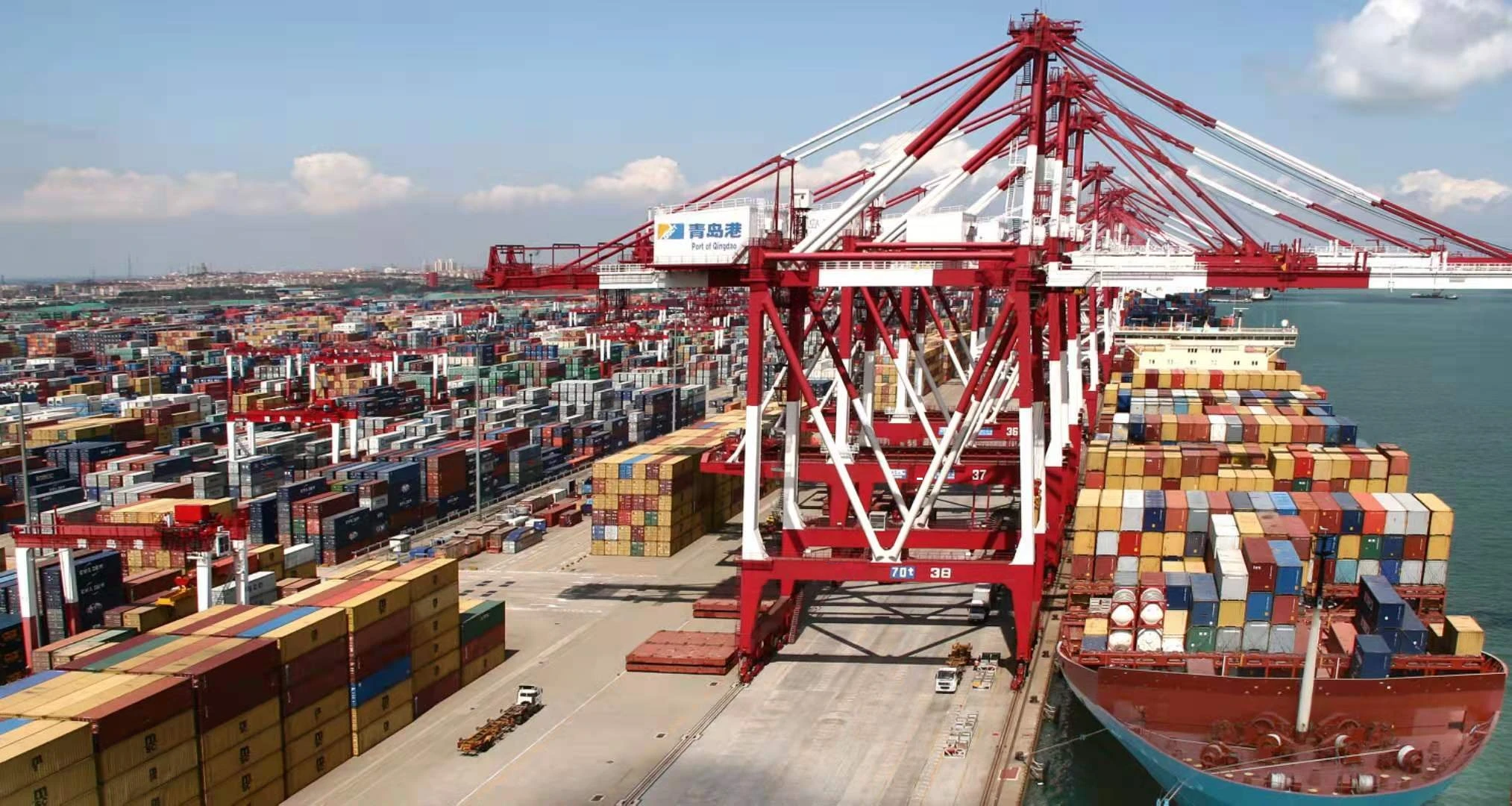
Reach Stacker forklift fault alerts reduce tire blowouts by allowing you to detect issues early and address them quickly. In port and container operations, hazards are everywhere:
-
Sharp objects such as nails or metal debris can puncture tires, causing unexpected downtime.
-
High temperatures or heavy loads can lead to tire blowouts, making equipment control difficult and creating safety risks.
CEGC provides advanced digital solutions that monitor your equipment and alert you to potential problems before they escalate. With CEGC’s technology, Reach Stacker forklift fault alerts reduce tire blowouts, helping you maintain safety and minimize operational risks.
Key Takeaways
-
Reach Stacker forklift fault alerts find tire problems early. This lowers the chance of blowouts and keeps work safe. - Digital monitoring systems can help save money. They do this by cutting downtime and lowering repair costs with early fixes. - Predictive maintenance uses smart sensors to give quick alerts about tire health. This makes port work safer and helps things run better.
Tire Blowout Impact in Port Operations
Downtime and Cost Risks
Tire blowouts can stop port machines fast. When a tire breaks, you lose time and money. You might have to pause moving cargo and delay ships. Emergency repairs cost extra. These issues pile up and hurt your maintenance budget.
You can check the table below to see the effects:
|
Benefit |
Impact on Maintenance Budget |
|---|---|
|
Reduced downtime |
Helps save work time and lowers costs |
|
Lower maintenance costs |
Changes from costly fixes to planned service |
|
Increased tire lifespan |
Puts off expensive replacements and saves money |
|
Faster decision-making |
Lets you fix problems sooner and spend less |
Reach Stacker forklift fault alerts help you find problems early. This lets you plan repairs and avoid big costs.
Safety and Efficiency Concerns
Tire blowouts do more than cost money. They also make your team and machines unsafe. A sudden blowout can make a Reach Stacker lose control. This can cause accidents, injuries, or damage to cargo and buildings.
Here is how blowouts change your daily work:
|
Impact of Tire Blowouts on Port Operations |
Description |
|---|---|
|
Equipment Stoppages |
Blowouts can stop work suddenly and delay cargo. |
|
Increased Operational Costs |
Delays from blowouts make port work cost more. |
|
Importance of Tire Selection and Maintenance |
Picking good tires and checking them often keeps things safe and efficient. |
Digital monitoring and quick alerts help your port stay safe and run well. You protect your workers, your cargo, and your budget.
Reach Stacker forklift fault alerts reduce tire blowouts
Common Causes of Tire Blowouts
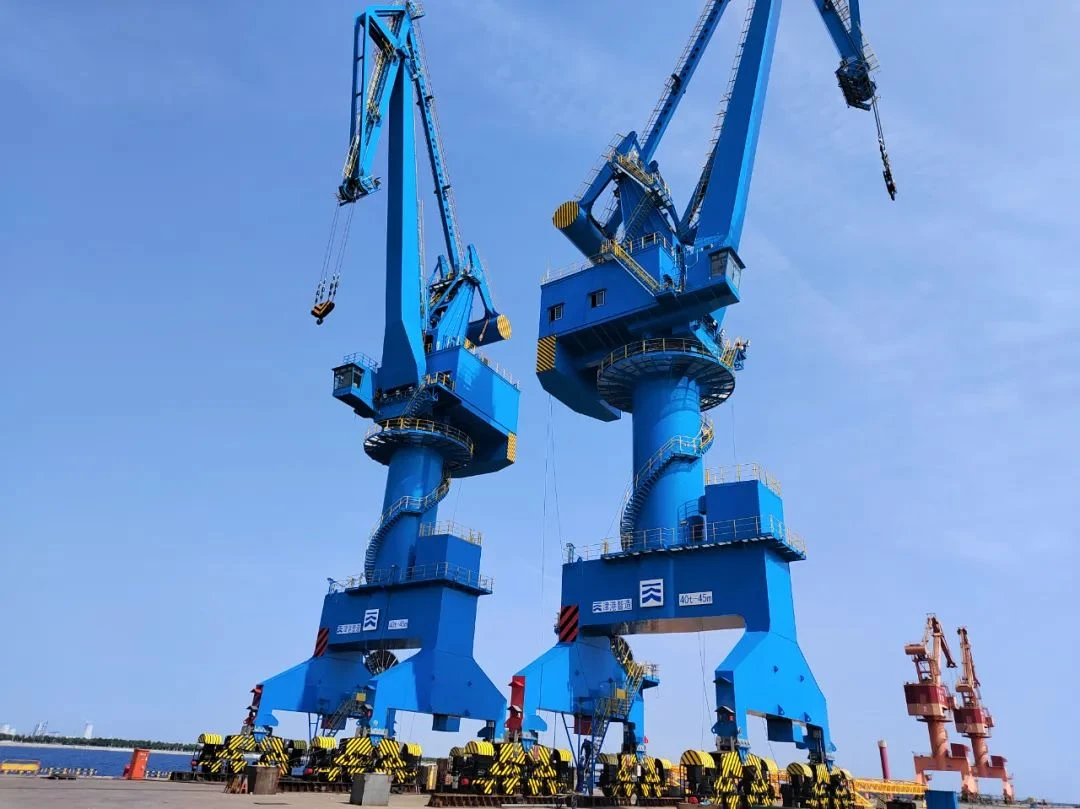
There are many dangers when you use port machines. Tire blowouts can happen if tires are not inflated right. Misalignment or uneven wear also cause problems. These issues are common in busy ports. If tires do not have the correct air pressure, blowouts are more likely. Too much air puts extra stress on parts of the tire. Not enough air makes the tire touch the ground unevenly. Both can make tires get hot and break.
Misalignment is a big issue too. If wheels are not lined up, tires wear out faster on one side. This makes the tire weak and can cause a blowout. Forklifts and Reach Stackers can quickly become unsafe because of these problems. Damaged or worn tires make machines less stable. This can lead to tipping. You should look for flat spots, missing tread, or damage on the side. These signs mean the tire might fail soon.
How Fault Alerts Enable Early Detection
Reach Stacker forklift fault alerts help you spot problems early. Digital inspection systems use sensors to check tire pressure, tread, and temperature. These systems send alerts if something is wrong. You get updates right away and can fix issues fast.
Let’s see how digital checks compare to manual checks:
|
Feature |
Traditional Tire Inspection |
|
|---|---|---|
|
Data Captured |
Detailed measurements (PSI, tread depth) |
Checkmark only |
|
Photo Evidence |
Geotagged and timestamped damage photos |
None |
|
Trending Data |
Wear-rate trending and predicted remaining life |
No trending data |
|
Alerts |
Automatic alerts for OOS thresholds |
No alerts |
Digital monitoring shows problems as soon as they start. You do not have to wait for a planned check. This helps you avoid sudden blowouts and keeps your equipment safe.
The best fault alerts look for these signs:
-
Flat spots or chunks missing from the tire
-
Loss of tread or damage to the side
-
Sudden drops in tire pressure
When you get an alert, you can act quickly. This cuts downtime and keeps your port working well.
Predictive Maintenance and Digital Monitoring
Reach Stacker forklift fault alerts help with predictive maintenance. Predictive maintenance uses smart sensors and digital tools to watch tires all the time. Tire Pressure Monitoring Systems (TPMS) give real-time pressure data. Adaptive Tire Management Systems (ATMS) track load and temperature. They also give tips about pressure based on real conditions.
Here are some benefits of these systems:
-
Smart sensors help you save money by warning you early.
-
They alert you to low tread or high temperature, stopping failures.
-
Real-time monitoring makes things safer for everyone.
Digital monitoring makes maintenance more accurate and timely. You get detailed information about tires, so you can plan repairs before problems grow. This reduces breakdowns and keeps your workshop running well. Early detection of air loss helps you fix issues before they get worse. Tire insights can cut big failures by over 80%.
Integrated tire management systems help you save money. They give real-time data, reduce manual checks, and send notifications when maintenance is needed.
|
Evidence Description |
Contribution to Maintenance Costs |
|---|---|
|
Real-time data on tire conditions |
Helps you fix problems early and avoid surprise repairs |
|
Automated tire monitoring |
Saves time and makes work more efficient |
|
Notifications for maintenance needs |
Stops tire problems from causing delays and saves money |
CEGC’s solutions for port machines use predictive maintenance, safety interlocks, and operator-centered HMI. The HMI design makes alarms and updates easy to see. Safety interlocks stop unsafe actions and help you respond fast to alerts. This setup helps you make better choices and keeps your team safe.
When you use Reach Stacker forklift fault alerts, you get real benefits:
-
Less downtime and fewer emergency repairs
-
Lower maintenance costs and longer tire life
-
Better safety for workers and cargo
-
Higher efficiency for your port
Proactive tire management means you change tires less often and use less fuel. Keeping tires at the right pressure can save up to 3% on fuel. Over time, these savings make your port more cost-effective.
Reach Stacker forklift fault alerts help you fix problems early. This keeps tires from blowing out and stops bigger issues. You spend less money and your team stays safer. You also have fewer delays at work. CEGC’s digital systems help you work faster and protect the environment. New things like 5G and AI are coming. With good training and support, you can keep up with these changes.
FAQ
How do Reach Stacker forklift fault alerts help you avoid tire blowouts?
You get alerts about tire pressure, temperature, and wear right away. These alerts help you fix problems early. This keeps your equipment safe.
Can you connect CEGC’s fault alert system to other port machinery?
Yes. You can use CEGC’s digital monitoring with other machines. It works with portal cranes and container gantry cranes. This helps keep your whole fleet safe.
What is the main benefit of using predictive maintenance for tires?
Predictive maintenance lets you plan repairs before tires break. You save money and have less downtime. Your port keeps running smoothly.


