
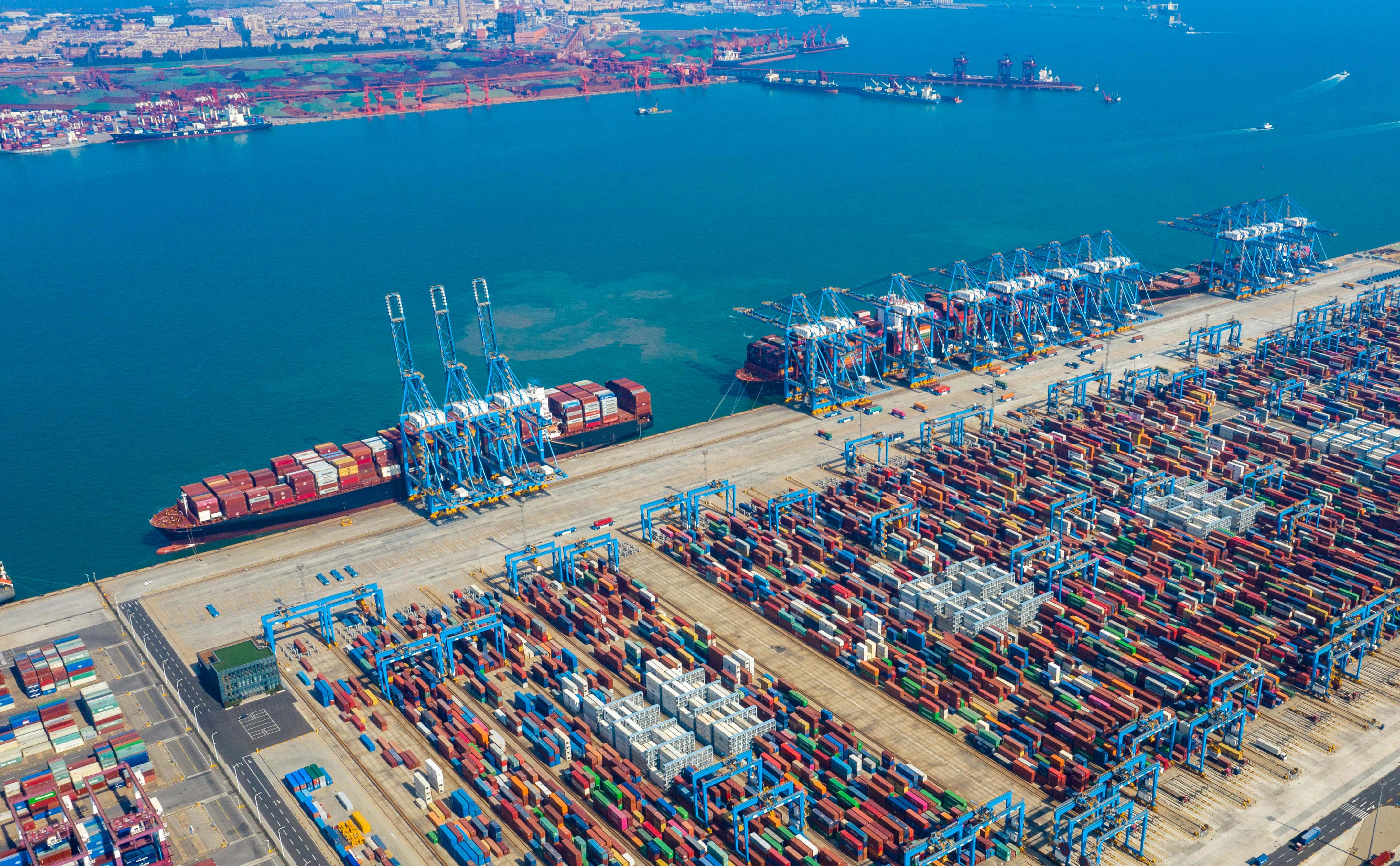
You can prevent costly breakdowns by responding quickly to cargo crane fault warnings, which are essential for cutting gearbox failures. Paying attention to these warnings—such as strange sounds, excessive heat, oil leaks, or transmission problems—can help you address issues before they escalate.
|
Causes of Gearbox Failure |
|
|---|---|
|
Strange sounds |
Not enough lubrication |
|
Too much heat |
Excessive weight |
|
Oil leaks |
Worn-out seals |
|
Transmission problems |
Manufacturing defects |
With advanced safety and monitoring systems from CEGC, you can detect these problems early. These solutions ensure your port machinery operates safely and efficiently, making cargo crane fault warnings a key factor in reducing gearbox failures and maintaining smooth operations.
Key Takeaways
-
Act fast when you see cargo crane fault warnings to stop expensive gearbox problems. - Check the crane often and do maintenance to find early signs of gearbox trouble, like weird noises or oil leaks. - Make a good maintenance plan so the crane works well and lasts longer.
Cargo crane fault warnings cut gearbox failures
Visual and audible warning signs
You can find cargo crane fault warnings by watching and listening. When you use a portal crane, container crane, or ship crane, look for flashing lights and alarm sounds. The operator-centered HMI shows these signals. These warnings help you spot safety problems early. You might hear strange noises like grinding or knocking from the gearbox. These sounds often mean gears or bearings are getting worn out.
Tip: If the crane moves in a jerky way or stops suddenly, check for warning signs right away. Finding problems early can stop big breakdowns.
You should also look for oil leaks under the crane, too much heat in the gearbox, or shaking in the transmission. These signs usually mean the crane needs maintenance. CEGC’s container handling equipment uses special anti-sway control and safety interlocks. These features help lower load sway and stop crashes. They help you act fast when you see cargo crane fault warnings and keep your crane safe.
Common fault codes and indicators
You will notice common fault codes and warning lights on the crane’s diagnostics panel. These codes tell you about problems in the gearbox, transmission, or other parts. For example, a code might show low oil pressure, high heat, or strange vibrations. You need to know what these codes mean to fix cargo crane fault warnings.
Here is a table with technical solutions for safety risks and crash problems:
|
Solution Type |
Key Features |
|---|---|
|
Smart PLCs, collision detection, and advanced safety features |
|
|
Anti-Sway Systems |
Motion control reduces sway and vibration for safer handling |
|
Collision Detection Features |
AI-powered sensors improve safety and efficiency |
Check the diagnostics panel often. If you see a warning, follow the maintenance checklist. This means checking bolt tightness, looking for movement marks, and measuring oil levels. CEGC’s gantry crane and reach stacker forklift have operator-centered HMI with clear fault codes. These features make it easy to spot cargo crane fault warnings and act quickly.
Early symptoms and inspection tips
You can stop gearbox failures by finding early symptoms and using easy inspection tips. Vibration checks help you find damage, imbalance, or misalignment in the transmission. Changes in vibration often mean the gearbox needs fixing. Listen for odd noises like whining or rattling. These sounds can mean gear damage or bearing wear.
Here are some early symptoms to watch for:
-
Jerky or jumpy movement in the crane transmission
-
Higher hydraulic pressure
-
Oil leaks or too much heat in the gearbox
-
Strange sounds or shaking
Operators should learn to spot these symptoms. Fixing problems early can stop cargo crane fault warnings from causing downtime. Each month, check electrical connections, change old seals, and look at structural parts. Each year, check booms, gearboxes, and brake systems.
Note: Good lubrication stops extra wear and overheating in the gearbox. Always check lubrication levels and quality to keep the crane working well.
Follow this inspection checklist:
-
Walk around the crane and look for problems.
-
Use inspection ports to check the gearbox and transmission.
-
Measure the gearbox temperature.
-
Check oil pressure and listen for sound or vibration in the transmission.
-
Look at filter parts and magnetic debris collectors.
A recent case showed that missing inspections caused a $127,000 loss after a gearbox bearing failed. Small noise changes happened weeks before the breakdown. This shows that using inspection checklists helps you avoid expensive failures.
CEGC’s vessel tracking and ship loading systems help with predictive maintenance and diagnostics. Finding problems early lets you plan repairs when traffic is low. This cuts down on surprise failures and makes crane work faster. By following these tips, you can respond to cargo crane fault warnings and keep your crane safe.
Responding to gearbox fault warnings
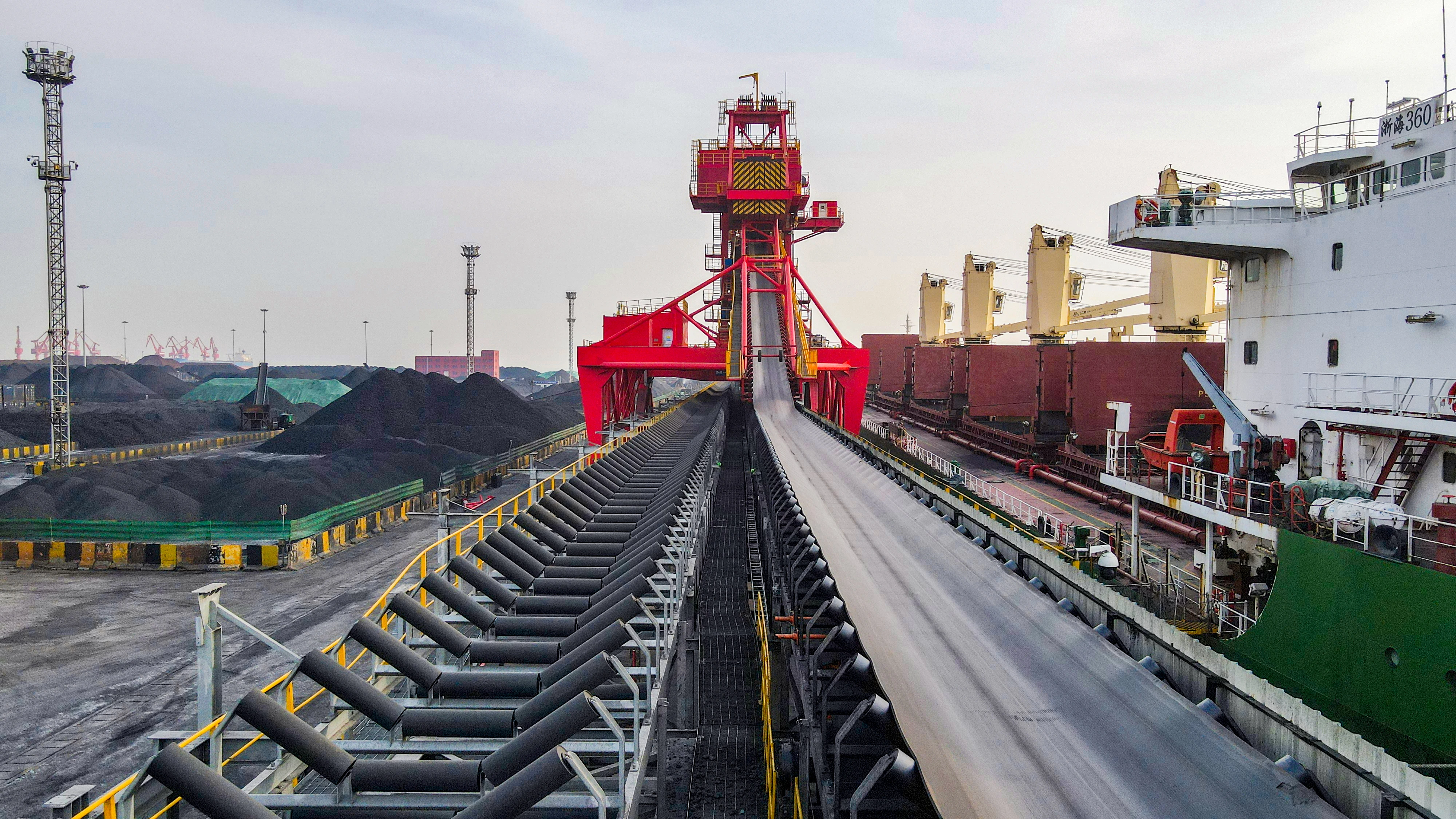
Immediate actions and troubleshooting
When you see a warning on the crane diagnostics system, act quickly. First, look at the equipment manual and check old inspection records. Get your tools ready and use lockout/tagout to keep everyone safe. Start with a simple look at the crane. Search for oil leaks, chipped paint, or loose bolts on the gearbox. Check the breather and mounting hardware too. If you see a transmission fluid leak, stop the crane and tell someone right away.
Next, check the gearbox temperature and listen for odd sounds. Use vibration checks to find imbalance or misalignment in the transmission. See if shifting is hard or if the crane moves in a jerky way. If you hear grinding or knocking, the gearbox might be damaged inside. Take oil samples to check for dirty oil. Look at gear teeth and bearings for signs of wear. If you find problems, write them down and match them to the right repairs.
Tip: Always pay attention to small changes in sound, vibration, or heat. Fixing small problems early can stop bigger crane issues and save time.
Preventative maintenance practices
You can make your crane gearbox last longer with good care. Clean and oil gears often to stop wear. Use the right oil and change it when needed. Check the crane often for loose bolts, worn wire rope, or leaks. Make sure the crane is lined up right and adjust brakes and limit switches if needed.
Set up a strong maintenance plan. Oil bearings and change worn parts before they break. Clean sprockets and gears so dirt does not cause damage. Use condition monitoring tools to watch the gearbox and transmission. Real-time checks help you find problems before they get worse. Oil checks tell you the best time to fix things, so you do not waste time or hurt the crane.
Many ports use predictive maintenance and sensors on their container equipment. These tools warn you when the gearbox or transmission needs help. You can plan repairs when work is slow and avoid surprise breakdowns. Regular checks and good habits lower repair costs and keep your crane working well.
Note: Bad maintenance causes about 25% of equipment damage. Good care and condition checks help you avoid these problems.
When to call a technician
Sometimes, you need a trained mechanic for tough gearbox or transmission problems. Use this list to know when to call for help:
-
Oil leaks around seals or breather vents
-
Low gear oil level in any drive
-
Bad oil in the traveling part of the reducer
-
Poor oil in the hoisting winch gearbox
-
Oil leaks or damage in the hoisting winch reducer
-
Hard shifting or trouble lifting loads
-
Strange noise, shaking, or overheating that does not stop after simple repairs
If you see any of these signs, stop the crane and call a mechanic. Do not try to fix big problems by yourself. A trained mechanic can use crane diagnostics to find the real problem and fix it safely.
You can also protect your gearbox with special steps. Upgrade to labyrinth seals to keep out dirt and water. Use special breathers and filter carts to keep oil clean. For big cranes, think about using permanent filters for nonstop protection. CEGC can add safety, anti-rust, and long-life features. These choices help you stop gearbox failures and keep your crane working well.
Callout: Always follow the manufacturer's rules and your port's safety steps. Acting early and getting expert help keeps your crane safe and working right.
You can stop expensive gearbox failures if you notice cargo crane warnings early and act quickly. Checking the crane often and learning what to look for helps you find problems before they get worse.
-
Taking care of the crane before it breaks makes it last longer and keeps it working.
-
CEGC’s special anti-sway and smart systems make cranes safer and work better.
|
Benefit |
Description |
|---|---|
|
Longer equipment life |
Focused care helps cranes work well for many years. |
|
Fewer breakdowns |
Fixing things early stops surprise downtime and repairs. |
FAQ
What should you do if you see a gearbox warning on your cargo crane?
You should stop the crane, check for leaks or strange sounds, and report the issue. Follow your maintenance checklist right away.
How often should you inspect your container crane gearbox?
You should inspect the gearbox every month. Look for oil leaks, loose bolts, and listen for odd noises.
Can CEGC help you customize safety features for your port machinery?
-
Yes, CEGC offers project-based customization.
-
You can add anti-sway, anti-corrosion, and advanced monitoring to your portal crane or container handling equipment.


