
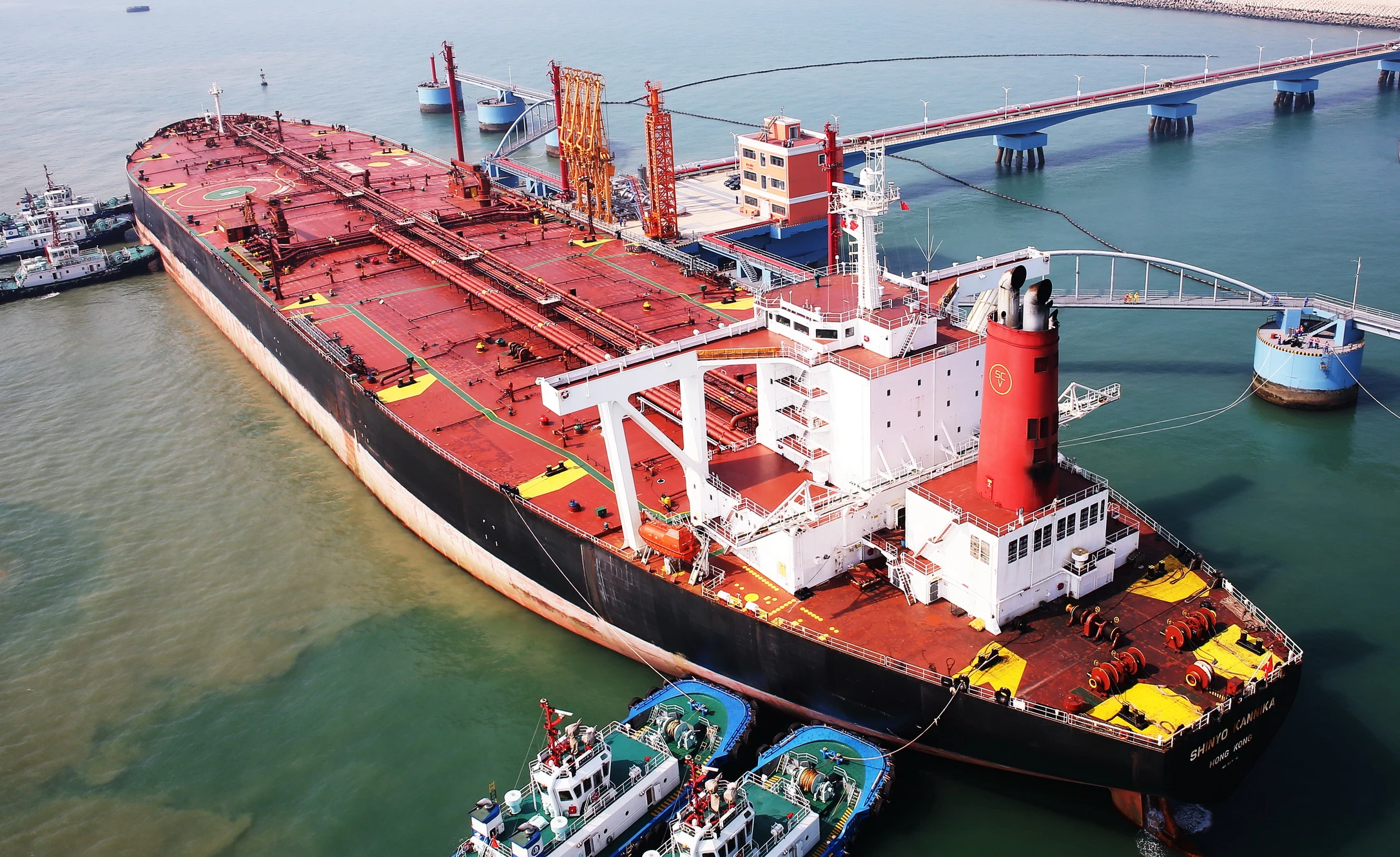
Portal crane fault alerts reduce end-stop incidents every day by providing immediate warnings. With portal crane fault alerts, potential issues are detected before they occur, helping to reduce end-stop incidents and improve maintenance efficiency. Portal crane fault alerts reduce end-stop incidents by enhancing operational safety and reliability. These alerts also support CEGC in delivering solutions that meet market-standard performance specifications.
Key Takeaways
-
Portal crane fault alerts give quick warnings. These warnings help stop end-stop incidents. They also make things safer.
-
Real-time monitoring and predictive maintenance cut down on downtime. They also lower maintenance costs. This keeps cranes working well and running smoothly.
-
Training crane operators to act fast when they get alerts makes things safer. It also lowers the chance of accidents.
Portal crane fault alerts and end-stop prevention
Understanding end-stop incidents
When you use a crane at a port, there are many dangers. End-stop incidents happen if a crane hits its limit or stops fast. These problems can break equipment, stop work, and hurt people. You need to know why these things happen to keep everyone safe.
|
Cause of Crane Accident |
Description |
|---|---|
|
Crane touches a power line |
Contact with power lines is a leading cause of crane accidents. |
|
The crane drops its load |
Improper handling or rigging can lead to dropped loads. |
|
The crane was constructed or assembled incorrectly |
Poor assembly can lead to structural failures during operation. |
|
Failures with rigging |
Defective rigging can cause loads to become unstable. |
|
The boom collapses |
Structural failure of the boom can occur due to overloading or defects. |
|
Crane is overloaded and collapses due to too much weight |
Overloading is a significant risk factor for crane stability. |
|
The crane operator is not qualified |
Lack of training can lead to operational errors. |
|
Improper maintenance of the crane |
Neglecting maintenance can result in mechanical failures. |
|
A worker falls from the crane |
Safety hazards can lead to worker injuries. |
|
The wrong type of crane was selected for the job |
Using an inappropriate crane can lead to operational failures. |
Some common dangers are electrical problems, too much weight, and falling things. OSHA says most crane accidents happen when operators lift more than they should. This shows how important it is to follow weight rules. You need to watch out for these dangers to keep people and machines safe.
End-stop incidents can hurt port business in many ways. If a crane breaks, you lose money and work slows down. Fixing cranes costs time and money. There are also hidden costs, like people thinking your company is not safe.
|
Description |
|
|---|---|
|
Lost Revenue |
Calculated as Hourly Revenue x Downtime (hours) x Uptime (%). |
|
Lost Productivity |
Calculated based on employee salaries and their productivity percentage during downtime. |
|
Recovery Costs |
Includes repair services, replacement parts, lost data recovery, and miscellaneous costs due to data loss. |
|
Intangible Costs |
Costs related to reputation damage and long-term impacts on brand image due to downtime. |
You should try to stop these problems before they happen. CEGC container cranes and lifting tools help you stay safe with smart controls and safety features.
Real-time alerts for crane safety
Real-time alerts help you keep cranes safe. These alerts use sensors and computer programs to check crane actions and find problems. You get warnings before something bad happens. Real-time information lets you act fast and stop end-stop incidents.
|
Technology |
Description |
|---|---|
|
TRUCONNECT Remote Monitoring |
Provides usage and operating data for predictive maintenance, helping to identify anomalies and prioritize actions. |
|
Load Moment Indicator (LMI) |
Uses sensors to collect data processed by software, providing real-time information to enhance safety. |
|
Anti-Collision Devices |
Comprises sensors, signal processors, and controllers to monitor crane environment and prevent collisions. |
You can use emergency stop logs to see what went wrong and make safety better. When you spot a problem, you can fix it quickly. CEGC container cranes have anti-sway controls and safety locks. These tools help you lower risks and stop accidents.
Watching cranes in real time helps you a lot. The Gengroup Crane story shows that seeing problems early and acting fast makes work safer and better. Portal crane plans help you stop load swinging and crashes. Smart controls make mistakes less likely and help teams work together. You see fewer accidents and better safety.
Tip: Train your crane operators to react fast to alerts and use real-time data. This will help you stop problems and keep workers safe.
You need to use real-time alerts and smart safety tools to control crane risks. CEGC container cranes give you what you need to make things safer, lower risks, and stop end-stop incidents.
Technical solutions for crane incident prevention
Anti-sway and safety interlocks
You need good technical solutions to keep cranes safe. CEGC’s anti-sway control uses sensors and smart software. These systems watch how loads move and change crane actions right away. This helps keep loads steady and stops many accidents. Real-time checks help you find problems early.
-
CEGC’s anti-sway system:
-
Uses sensors to watch load movement.
-
Changes crane actions to keep loads steady.
-
Makes load sway and crashes less likely.
-
Many safety interlocks protect your crane. Limit switches and safety tools work together to stop unsafe moves. The brake system and emergency stop add more safety. You can count on these systems to stop accidents and protect important crane parts.
A good HMI helps operators do their jobs better. It shows clear info and quick warnings. You can make fast choices and avoid mistakes. The table below shows how HMI makes crane work safer:
|
Aspect of Technical Environment |
Impact on Operating Procedures |
|---|---|
|
Automation Level |
Makes work faster and safer |
|
Visualization and Interface Design |
Helps operators understand and make fewer mistakes |
|
Data Collection and Monitoring |
Helps people make smart choices and stay aware |
|
Human-Machine Interaction |
Makes the system easier to use and lowers mistakes |
|
Fault Handling and Emergency Management |
Helps people react to problems and stay safe |
|
Safety Measures |
Lowers the chance of accidents and mistakes |
A well-made HMI gives you better safety and fewer mistakes.
Predictive maintenance and alerts
You can stop crane downtime with predictive maintenance and alerts. Sensors on the crane check vibration, heat, and load. They look for problems in important crane parts. If something changes, the system sends a warning. You can fix things fast and stop bigger problems.
|
Sensor Type |
Function |
|---|---|
|
Vibration Sensors |
Find strange shaking to stop big failures. |
|
Temperature Sensors |
Watch for too much heat so you can act early. |
|
Acoustic Emission Sensors |
Hear high sounds that mean something is wrong inside. |
|
Oil Debris Sensors |
Check oil for signs of damage inside parts. |
|
Current Signature Analysis Sensors |
Watch electric patterns to find motor and drive problems. |
Condition monitoring saves money and cuts downtime. Predictive maintenance can lower service costs by half. You get 62% fewer surprise breakdowns and longer crane life. You can plan repairs when work is slow, so the crane is always ready.
-
Predictive maintenance benefits:
-
Finds worn parts early in the crane.
-
Lowers repair bills and saves spare parts.
-
Makes crane repairs easier to plan and causes fewer delays.
-
You need to check the brake, brake system, load, limit switches, and safety tools often. Preventative maintenance keeps your crane safe and working well. You protect your crane and keep your port running smoothly.
Operational benefits of portal crane fault alerts
Enhanced safety and uptime
Portal crane fault alerts help you keep your port safe. These alerts warn you about crane, brake, or load problems early. You can fix issues before they cause shutdowns. When you get a warning, you act fast to stop downtime. This keeps your crane working longer and avoids repeated shutdowns.
Real-time monitoring and predictive analytics bring many improvements:
-
Trucks move faster and containers are handled smoothly.
-
Crane downtime drops and your yard stays busy.
-
Yard space is used better and crane work goes up.
-
Unplanned shutdowns and sudden downtime happen less often.
You can check these improvements with key performance indicators. The table below shows important KPIs for crane operations:
|
KPI |
Description |
|---|---|
|
Crane Availability (%) |
Tells how often your crane is ready to work. |
|
Gross Moves Per Hour (GMPH) |
Counts how many containers your crane moves each hour. |
|
Net Moves Per Hour (MPH) |
Measures how well your crane team controls performance. |
|
Downtime by Cause Code |
Tracks why your crane stops, like brake or load problems. |
Maintenance efficiency and prevention
Portal crane fault alerts make maintenance easier and cheaper. These alerts help you find brake wear, load issues, or crane faults early. You can plan repairs before shutdowns happen. This means less downtime and fewer surprises.
Switching from reactive to condition-based maintenance brings big changes:
|
Cost Factor |
Before: Reactive Mode |
After: Oxmaint-Driven Programme |
|---|---|---|
|
Emergency Repairs |
40–60% of total maintenance spend at 3–5x planned cost |
Under 15% of spend — condition-triggered interventions before failure |
|
PM Compliance |
60–75% compliance — reactive interruptions crowd out scheduled work |
90–95% compliance — automated scheduling and mobile technician notifications |
|
Downtime Cost |
$260K+/hr unplanned — frequent, unpredictable, budget-destroying |
Planned downtime windows — 30–50% reduction in unplanned downtime events |
You save money by fixing problems early. Your crane, brake, and load systems stay in good shape. This helps you avoid sudden downtime and keeps your port running well. CEGC container handling equipment supports your maintenance goals and stops unplanned shutdowns.
You make cranes safer and keep them working longer with portal crane fault alerts. These alerts help you find brake problems and load risks early. CEGC gives you good performance and special choices. Look at the table below for common options:
|
Customization Aspect |
Description |
Impact on Efficiency |
|---|---|---|
|
Hook Height |
Changes how high the crane lifts things. |
Makes lifting more accurate. |
|
Lifting Mechanisms |
Uses wire rope or electric chain hoists. |
Changes how much and how fast you can lift. |
|
Additional Features |
Has wireless controls and safety upgrades. |
Makes the crane easier and safer to use. |
|
Configuration Choices |
Picks single or double girder cranes. |
Helps you lift more and save money. |
Advanced alert systems give you lasting benefits:
-
You spend less on brake repairs.
-
There are fewer crane crashes.
-
Loads are handled better.
-
Cranes work more often.
-
Work is safer.
Check your crane alert system often. Pick CEGC for safe and strong crane, brake, and load solutions.
FAQ
What is an end-stop incident in a portal crane?
An end-stop incident happens when a crane reaches its movement limit. You risk equipment damage and safety issues if you do not act quickly.
How do real-time fault alerts help you?
Real-time fault alerts warn you about problems right away. You can stop the crane, fix the issue, and keep your team safe.
Can you customize CEGC portal cranes for your port?
Yes. You can choose lifting capacity, span, duty cycle, and safety features. CEGC offers project-based customization for your port’s needs.


