
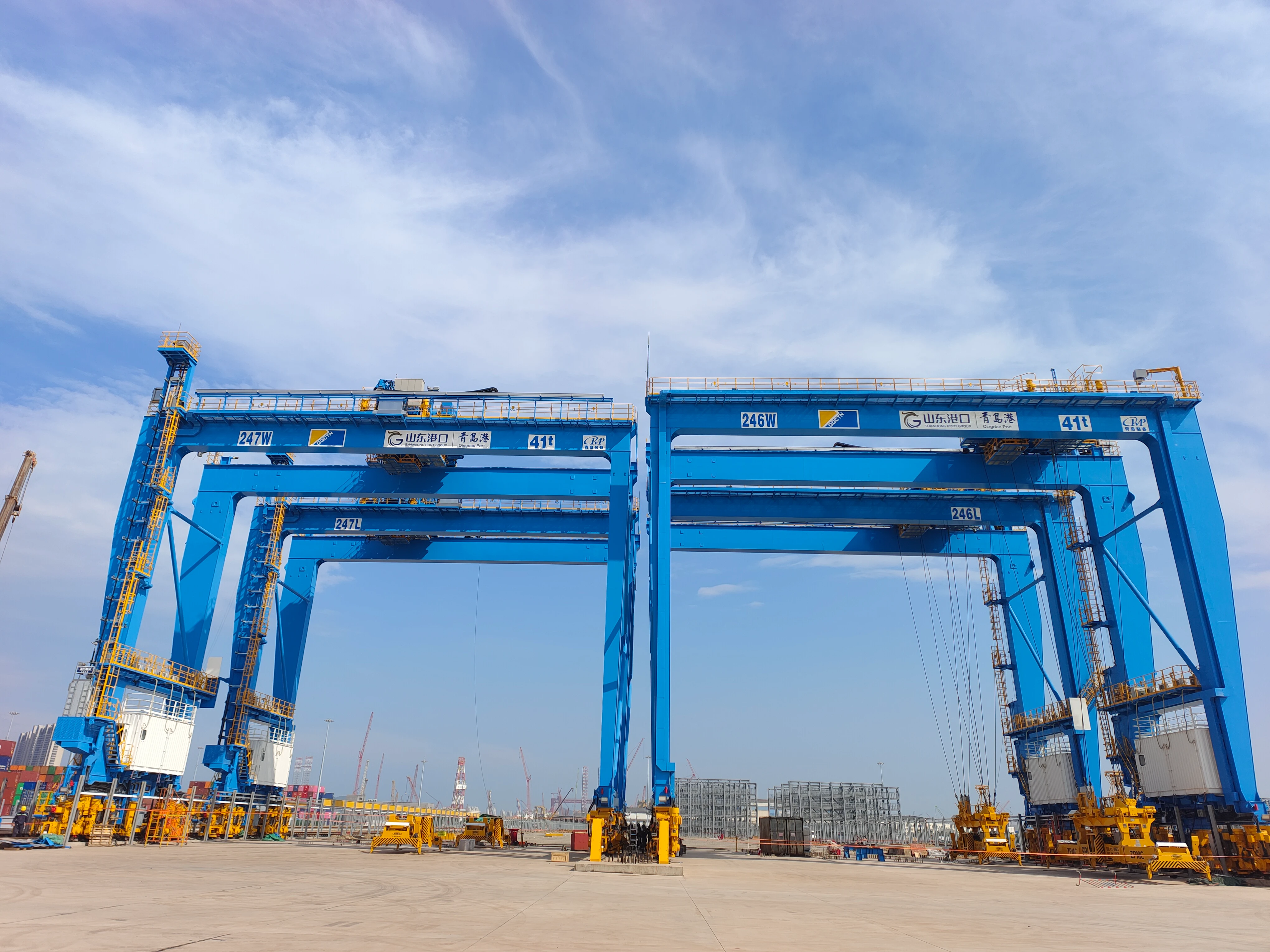
You make your operations safer and more efficient when you use ship loader fault warnings to prevent throughput collapse. At CEGC, we know that safety is essential for every operator to stay alert and focused. Ship loader fault warnings help you detect issues early, keeping your throughput secure and your team working smoothly. With CEGC’s advanced solutions, awareness is built into every process—helping you recognize hazards, make smart decisions, and avoid mistakes that could lead to downtime.
Awareness means you’re always prepared: you know how to act, you stay attentive, and you’re ready to respond to emergencies. Ship loader fault warnings prevent throughput collapse by ensuring you spot problems before they escalate. This proactive approach keeps your work moving, reduces stress, and builds trust in your equipment and your team.
With CEGC, you benefit from market-standard performance specs and project-based customization for all your port machinery needs. Our ship loader fault warnings and safety systems help you protect your assets, maintain high productivity, and achieve your operational targets. Trust CEGC to deliver the awareness, reliability, and safety your port operations demand.
Key Takeaways
-
Ship loader fault warnings find problems early. This keeps things running well and stops expensive delays.
-
With smart detection systems, workers can act fast when they see warnings. This makes the area safer and keeps work going strong.
-
Checking and fixing shiploader systems often is very important. It stops accidents and helps cargo move smoothly.
Throughput collapse risks in shiploader operations
Causes and consequences of throughput collapse
There are many risks when you load ships with a shiploader. Load sway, wind, and different operator skills can make things unsafe. These problems can also make throughput unstable. If you lose control of the shiploader, you might have delays. Costs can go up when things slow down. Throughput collapse causes congestion at important spots. Shipping schedules get pushed back. Logistics do not work well. Sometimes, there are not enough skilled workers. This makes shiploader loading even harder.
When cargo services stop, you lose money right away. Inventory losses get bigger because storage costs go up. You miss chances to move goods. Carriers lose money if deliveries are late. Total logistics losses can be very large. The Suez blockage showed how big these losses can be. Loading and unloading fees, inventory costs, and freight rate changes all add up.
Common failure points in ship loading systems
You need to watch out for common failure points in shiploader systems. Load sway can cause safety problems and make work less efficient. Too much sway raises the chance of accidents. Collisions with structures or other cranes can happen. Wind makes load sway worse. This makes shiploader loading harder. Different operator skills can lead to mixed warning responses. Unsafe results can happen.
You use shiploader, portal crane, and container crane equipment at your port. Each machine has its own risks. Shiploader systems need good collision warning and prevention. This helps stop accidents. Portal cranes and container cranes also need strong warning features. These protect your team and cargo. You must stay alert and use warning systems. This keeps throughput safe and steady.
How ship loader fault warnings prevent throughput collapse
Fault warning systems and detection methods
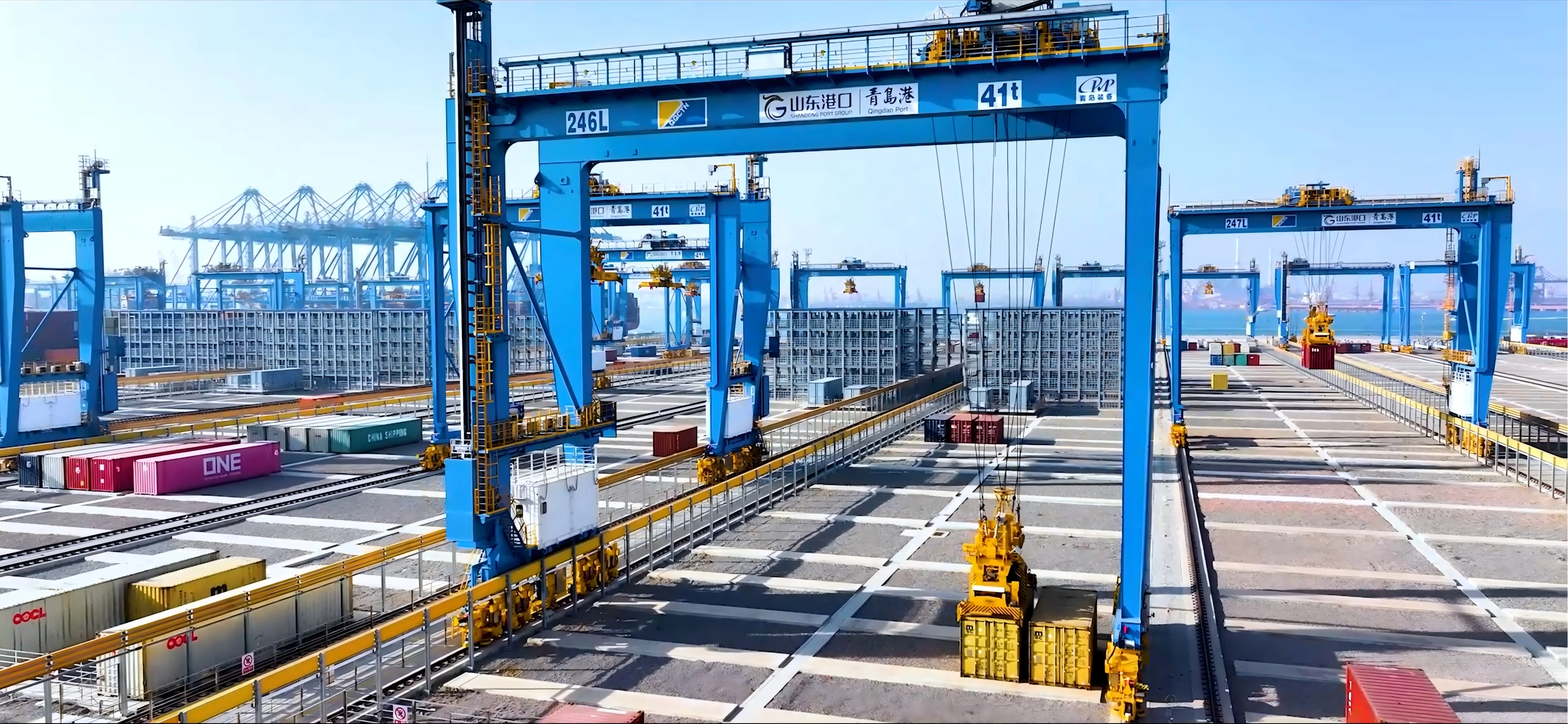
You use ship loader fault warnings every day to stop throughput collapse. These systems use smart detection to keep your shiploader safe. Sensors check load, angle, and wind all the time. You get live data from these sensors. This helps you find problems before they get worse. Anti-sway control and safety interlocks work together for best results. Anti-sway control keeps the load steady. It stops the load from swinging too much. This helps you put cargo in the right spot. Safety interlocks make sure the shiploader only works when it is safe. They stop the machine if something is wrong.
Electronic systems also help with detection. They look for overloads, limit switch issues, and unsafe zones. You see clear alarms on your screen. This lets you act fast. The detection system uses many safety layers. Each layer checks for different problems. If one layer misses something, another will catch it. This is how ship loader fault warnings stop throughput collapse.
You see how these features help you every day:
|
Feature |
Impact on Throughput |
|---|---|
|
Anti-Sway Control |
Keeps load steady, so there are fewer delays |
|
Safety Interlocks |
Stop accidents, so work does not stop |
|
Multi-Sensor Detection |
Finds problems early, keeps shiploader working safely |
Detection is not just hardware. You also use predictive maintenance and condition monitoring. These tools check your shiploader’s health. They look for signs of wear, heat, or vibration. You get alerts before a part breaks. This lets you plan repairs and avoid sudden stops. Predictive maintenance can cut your costs by up to 70%. It also makes your shiploader more reliable. You spend less time fixing things and more time moving cargo.
CEGC lets you pick the best detection system for your needs. You can choose different sensors for your shiploader. You can add anti-collision zones and extra safety. You can pick the best HMI for your team. You can even check your shiploader from far away with remote diagnostics. All these choices help ship loader fault warnings stop throughput collapse.
Detection is the main part of safety protection technology. It gives you operator situational awareness. You always know what is happening with your shiploader. You can trust your detection system to keep you safe and keep cargo moving.
Operator response and emergency buffers
You are important in using ship loader fault warnings to stop throughput collapse. When you see a warning, you know to act fast. Detection gives you time to make a move. You can slow down, stop, or change your plan. This quick action keeps your shiploader safe. It also keeps your team and cargo safe.
You get better at spotting risks with every warning. You learn to make safer choices. Your training helps you use detection and safety protection technology together. You know when to use emergency stop buttons. You know how to follow alarms and instructions on your HMI. Working with your shiploader as a team keeps things running well.
Emergency buffers are built into your shiploader. These buffers give you extra time to react. If a fault happens, the shiploader slows down or stops safely. You do not have to worry about sudden accidents. Safety improvement technologies like these make your job easier. You can focus on moving cargo, not fixing problems.
You also get help from monitoring. This system checks your shiploader all the time. It looks for small changes that could become big problems. You get alerts before anything serious happens. This is how ship loader fault warnings stop throughput collapse. You stay ahead of trouble. You keep your port running on time.
CEGC helps you with project-based customization. You can pick the right detection and safety features for your shiploader. You can add remote diagnostics, special sensors, or extra safety interlocks. You get a system that fits your needs. This makes ship loader fault warnings stop throughput collapse in every case.
You see the results in your daily work. You have fewer accidents. You avoid costly downtime. Your shiploader works better and lasts longer. Safety is always most important. Detection, safety protection technology, and safety improvement technologies work together to keep you and your cargo safe. Ship loader fault warnings stop throughput collapse and help you reach your goals every day.
Shiploader telescopic chute safety and best practices
Key benefits for operational efficiency
You use the shiploader telescopic chute to make loading safe. The chute helps control dust and lets you see better. It moves cargo faster and keeps the ship steady. The chute has safety features to protect people and equipment. You see fewer accidents and less time when work stops. If you do regular maintenance, the chute works well and helps the port run better.
|
Safety Feature |
Description |
|---|---|
|
Anti-bottom contact device |
Stops the chute from hitting the ship’s hold by using tilt switches for alarms and fault signals. |
|
Inclination switch |
Keeps the chute vertical for safe operation and easy inspection. |
|
Improved wire rope connection method |
Prevents chute falls if a wire rope breaks with a balance locking device. |
|
Telescopic chute anchoring |
Stops swinging during standby, reducing wire rope wear and breakage. |
|
Lifting restrictions |
Limits stress on wire rope and motor torque for chute protection. |
|
blockage protection device |
Stops loading and sends alarms when blockage happens, ensuring safe operation. |
|
Other aspects |
Observation holes and heaters help with cargo discharge and freezing protection. |
Best practices for monitoring and maintenance
You keep the shiploader safe by following good steps. You teach workers to spot blockage and use safety systems. You check the chute often for damage or blockage. You use real-time monitoring to find problems early. You use predictive maintenance to stop failures before they happen. You use Asset Operations Management to help with fault warnings. You use AI tools to keep the shiploader working its best.
You work hard to stop blockages. You use the blockage protection device to stop loading if there is a problem. You look for dust and check the wire rope for stress. You follow CEGC’s rules for anti-corrosion and protection. You use heaters in cold weather and check observation holes for cargo flow. You anchor the chute when not in use to stop swinging and protect the wire rope.
You make a plan that keeps safety first. You keep the chute working well and safe. You stop accidents and keep cargo moving fast. You trust CEGC’s safety features to keep your port running well.
You keep your port safe when you pay attention to safety. Ship loader fault warnings tell you about problems early. This helps you stay safe at work. You count on CEGC to help with safety in every job. You pick tools that make things safer. You change systems to fit your safety needs. You follow rules that help everyone stay safe. You teach your team how to be safe. You use warning systems that are smart and help you. You make your port strong by always thinking about safety.
Safety helps you do well and keeps your cargo safe.
-
You always put safety first.
-
You trust CEGC to help you work safely and well.
FAQ
What should you do when you see a ship loader fault warning?
You need to stop what you are doing right away. Look at the warning on your HMI screen. Follow the safety steps shown there. If you are not sure what to do, tell your supervisor. Always ask for help if you need it.
How does the shiploader telescopic chute improve safety?
The telescopic chute helps keep dust down. It stops cargo from spilling out. Sensors help the chute avoid hitting things. This makes loading safer and lowers the chance of accidents.
Can you customize CEGC ship loader safety systems?
Yes! You can pick different sensors and anti-collision tools. You can add remote diagnostics and other features. CEGC lets you choose what fits your port best.


