
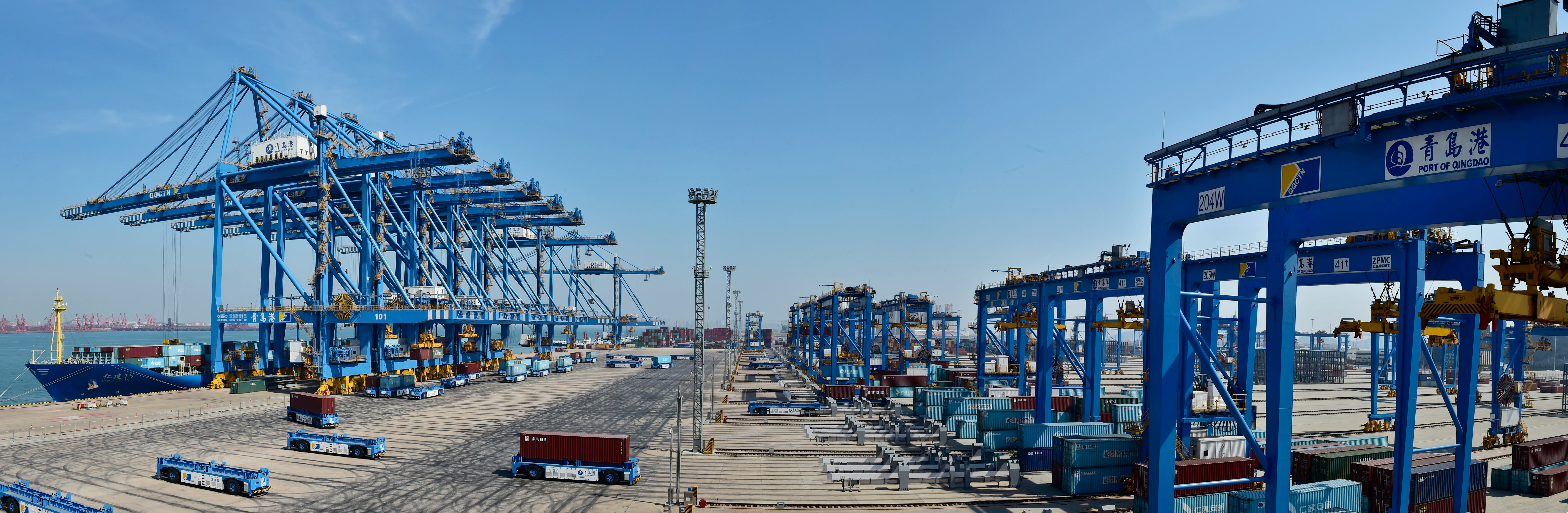
Container handler fault alerts from CEGC help fix problems faster. They send you quick messages when equipment has issues, ensuring that container handler fault alerts cut repair lead time significantly. With CEGC solutions, you can identify problems early and address them swiftly. This means machines experience less downtime, and shipments are not delayed as often. Timely repairs help you avoid crowded ports and enhance your operational efficiency each day.
|
Pain Point |
Description |
|---|---|
|
Port Congestion |
Congestion slows down goods and hurts trade and customer happiness. |
|
Infrastructure Inadequacies |
Many ports cannot handle big ships, so unloading takes longer. |
|
Coordination and Digitalization Needs |
Slow inland transport causes delays, exacerbated by insufficient workers and space. |
Finding equipment problems early with CEGC solutions makes work run smoother. It cuts down on surprise repairs and stops, allowing you to plan repairs better, utilize your tools effectively, and achieve greater productivity.
Key Takeaways
-
CEGC's fault alerts help you find equipment problems fast. This cuts repair time and keeps downtime short.
-
Real-time detection lets you fix things early. This stops big breakdowns and keeps port work running well.
-
Shipment delay alerts help you plan better. You can avoid running out of stock and give better service to customers.
Container handler fault alerts cut repair lead time
Fault alert systems in container handling equipment
You need your equipment to work well so your port does not have problems. CEGC gives you smart tools for machines like container handlers, portal cranes, and container gantry cranes. These machines face many problems every day. Load sway makes it tough to put containers in the right spot. Crashes can happen if workers do not get enough warning. Different cycle times slow down your work. Saltwater damage and sudden stops cost more money and make machines wear out faster.
CEGC’s fault alert systems help you fix these issues. The systems use sensors and smart controls to check for things like load sway, too much weight, and unsafe moves. If something is wrong, you get a fast alert. This helps you act quickly and stop bigger problems. You can also change these systems to fit your needs. Pick the right sensors, anti-collision zones, and safety parts for your port. CEGC follows market rules and can make special changes for port bosses and terminal workers.
Real-time detection for timely repairs
You want to fix problems before they slow you down. Real-time detection helps you find faults right away. This way, you can plan repairs and avoid surprise stops. Using real-time data and monitoring lets you do maintenance before things break. Predictive maintenance finds problems early, so you avoid big breakdowns and less downtime. Machine learning in predictive maintenance lowers breakdowns, saves money, and stops surprise downtime.
CEGC’s technology uses strong sensors and smart software. Here is what you get with a real-time detection system:
|
Feature |
Description |
|---|---|
|
Sensor Type |
|
|
Application |
Used in container cranes for controlling spreader approach to containers |
|
Robust Design |
Stainless steel housing for durability against salt spray and harsh conditions |
|
Shock Resistance |
100 g, suitable for heavy-duty applications in port logistics |
|
Range |
Up to 15 meters for effective distance measurement |
|
Output Options |
IO-Link process value or conventional analog signal for retrofitting older cranes |
|
Real-time Visualization |
Signal curve display for interference suppression and dynamic motor control |
|
Safety Features |
Improved collision protection through continuous distance monitoring |
With these features, you can watch your equipment all the time. You see alerts on your operator screen. You know when and where to send your team for repairs. This system makes sure container handler fault alerts cut repair lead time every time there is a problem.
Shipment delay alerts and operational impact
You need shipments to move on time. Shipment delay alerts tell you right away if something might slow you down. These alerts help you act fast when there are problems. You can change your plans, move people, and keep your supplies balanced. When you use alert data in your planning, you do not run out of stock or have too much. You can also see patterns in delays, so you make better choices next time.
When you use CEGC’s alert systems, you control your work better. You can plan repairs before they become urgent. You can cut downtime and keep your port working well. Container handler fault alerts cut repair lead time, help your work go smoother, and let you give better service to your customers.
Benefits and best practices for timely repairs
Reduced downtime and repair lead time
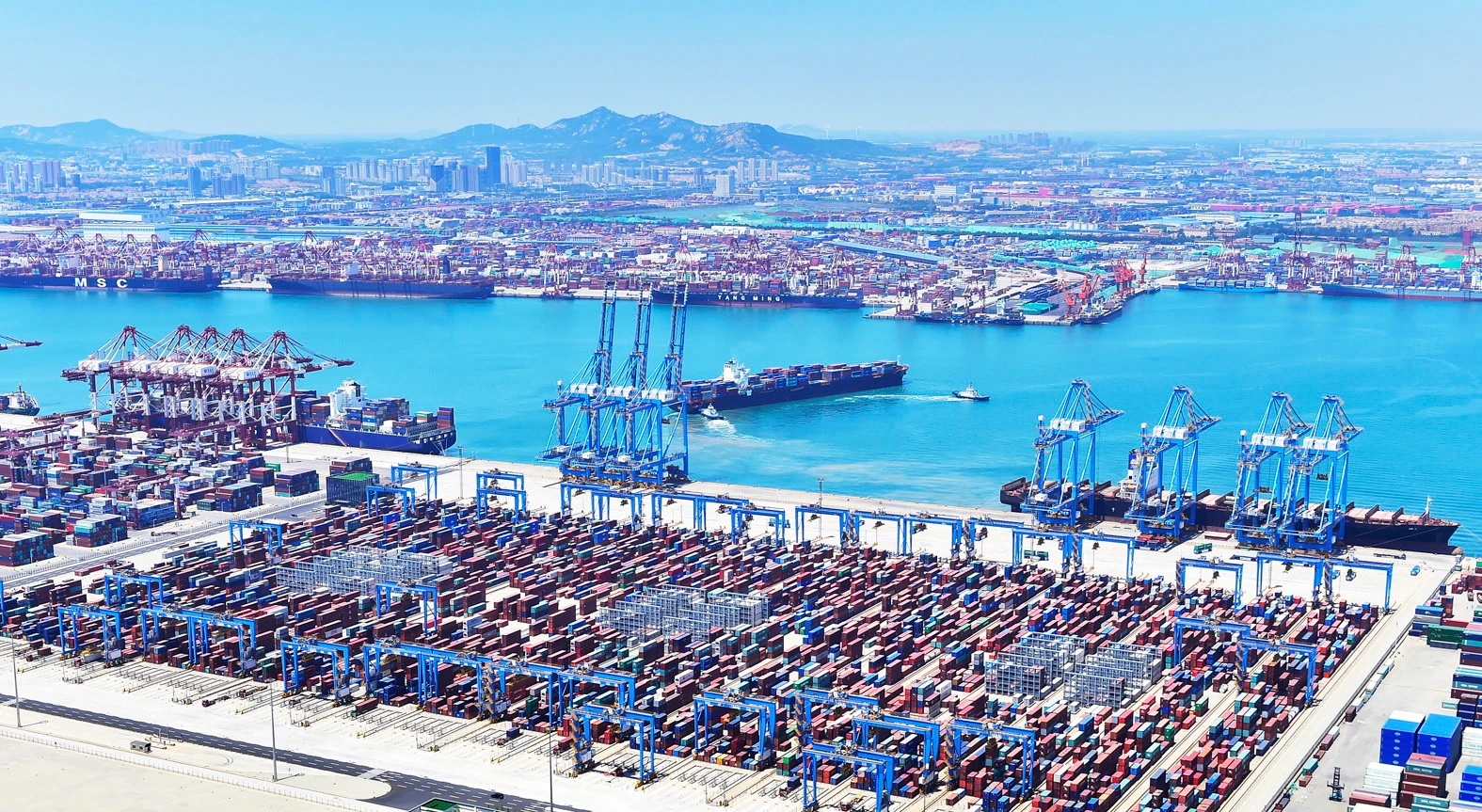
Quick repairs and regular container maintenance keep your port running well. Fixing problems early stops them from getting worse. When you repair issues fast, you avoid shipping delays and keep containers safe. Many companies check their equipment often and fix things quickly. This helps them catch problems before they grow. Doing this saves money by avoiding emergency repairs and last-minute changes.
-
Fixing things fast keeps small problems from getting bigger.
-
Checking equipment often helps you find and fix issues early.
-
Taking care of containers ahead of time lowers delays and keeps work steady.
Financial and operational advantages
Less downtime means you save money and use your resources better. Real-time data helps you make smart choices and work faster. Automated scheduling and tracking move cargo quickly and cut waiting times for ships. Using technology and automation lowers labor costs.
|
Advantage Type |
Description |
|---|---|
|
Safety |
Sensors warn you about dangers and stop accidents. |
|
Efficiency |
Automated systems make loading and unloading faster. |
|
Automation |
AI analytics help you use resources well and save money. |
|
Communication |
Sharing info in real time helps teamwork and planning. |
Watching key performance indicators helps you find slow spots and fix them fast. This leads to better container care and more profits.
Implementing alert systems for container handlers
Follow best steps to set up alert systems for your container handlers. Start by making alarms and warnings clear. Keep alarms on until you fix the problem and reset them. Give each alarm its own ID so you can track it easily. Work with experts to check risks before adding new alarms.
-
Real-time monitoring gives you live updates and helps you decide fast.
-
Predictive maintenance lets you plan repairs before things break.
-
Automation cuts mistakes and keeps repairs on time.
-
Electronic data systems help you track repairs and manage costs.
You can change your alert system with different sensors. Pick temperature sensors for sensitive cargo, humidity sensors to stop moisture damage, and shock sensors to record impacts. Door sensors help you spot unauthorized access. Set alert levels to fit your needs. CEGC gives you flexible choices for sensor sets, anti-corrosion grades, and maintenance plans, so you get what works best for your port.
You can make your port work better by using container handler fault alerts, shipment delay alerts, and fixing things quickly. CEGC gives you a way to stop container problems before they get worse. The table below explains how these tools help your work:
|
Key Takeaway |
Benefit |
|---|---|
|
Faster repairs |
|
|
Improve communication |
Fewer delays |
|
Optimize inventory |
Better shipment planning |
FAQ
How do container handler fault alerts help you?
You get instant warnings about equipment issues. You can fix problems quickly. This keeps your port running smoothly and reduces downtime.
Can you customize CEGC alert systems for your port?
Yes. You can choose sensors, safety features, and maintenance plans. CEGC lets you match the system to your port’s needs.
What equipment works with CEGC fault alert systems?
You can use CEGC alert systems with portal cranes, container handlers, container gantry cranes, and reach stackers. These tools help you manage port operations better.


