
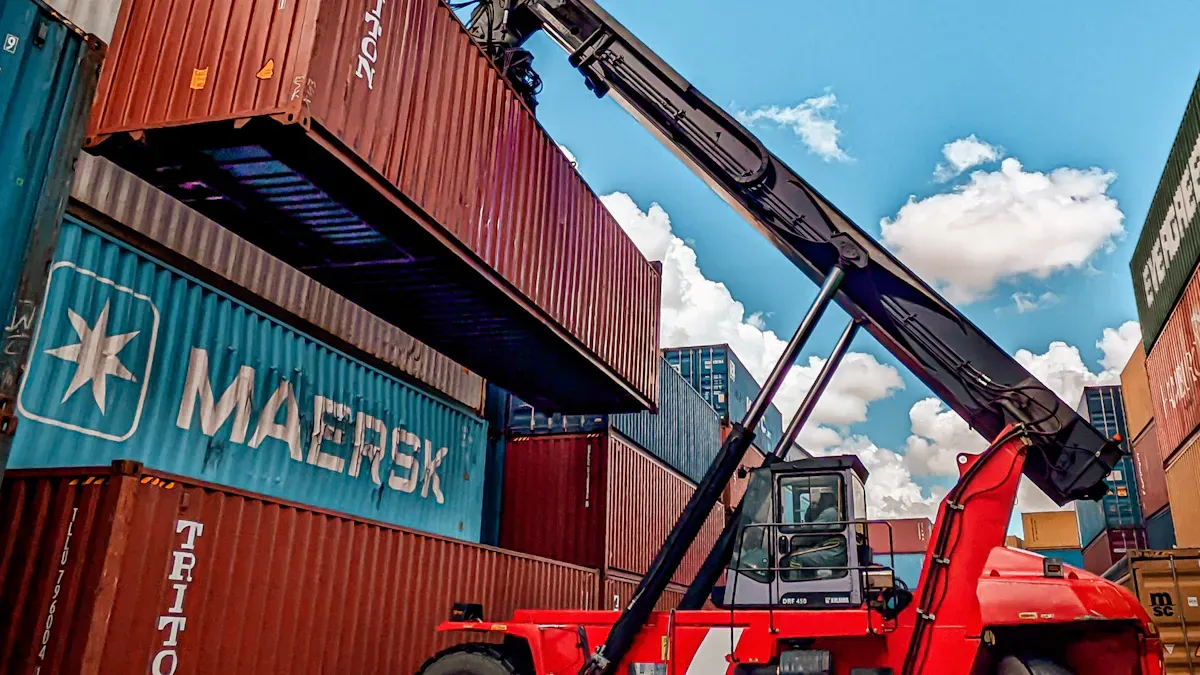
You set height limits on high-reach forklifts by doing these steps:
-
Measure the highest spot you need to reach.
-
Check how tall the cargo is.
-
Leave a safety gap.
-
Make sure the forklift can hold the load.
Load stability is important. Anti-sway systems and safety interlocks help keep forklifts safe. CEGC gives market-standard solutions for Reach Stacker forklift: limit settings for high stacks.
|
Safety Principle |
Explanation |
|---|---|
|
Stability Triangle |
Keep the center of gravity inside the triangle to stop tip-over. |
|
Load Height |
Lifting loads makes the center of gravity higher, so keep loads as low as you can. |
Key Takeaways
-
Always check how tall your load is and how high you can stack before you set lift limits. This keeps things safe and steady when you use the machine.
-
Use the control panel to set the lift height. Double-check it to stop accidents and keep your work area safe.
-
Check your forklift often and take care of it. This helps stop problems with load balance and lift limits. It also makes things safer and work faster.
Why height limits matter for stacking
Safety risks and load stability
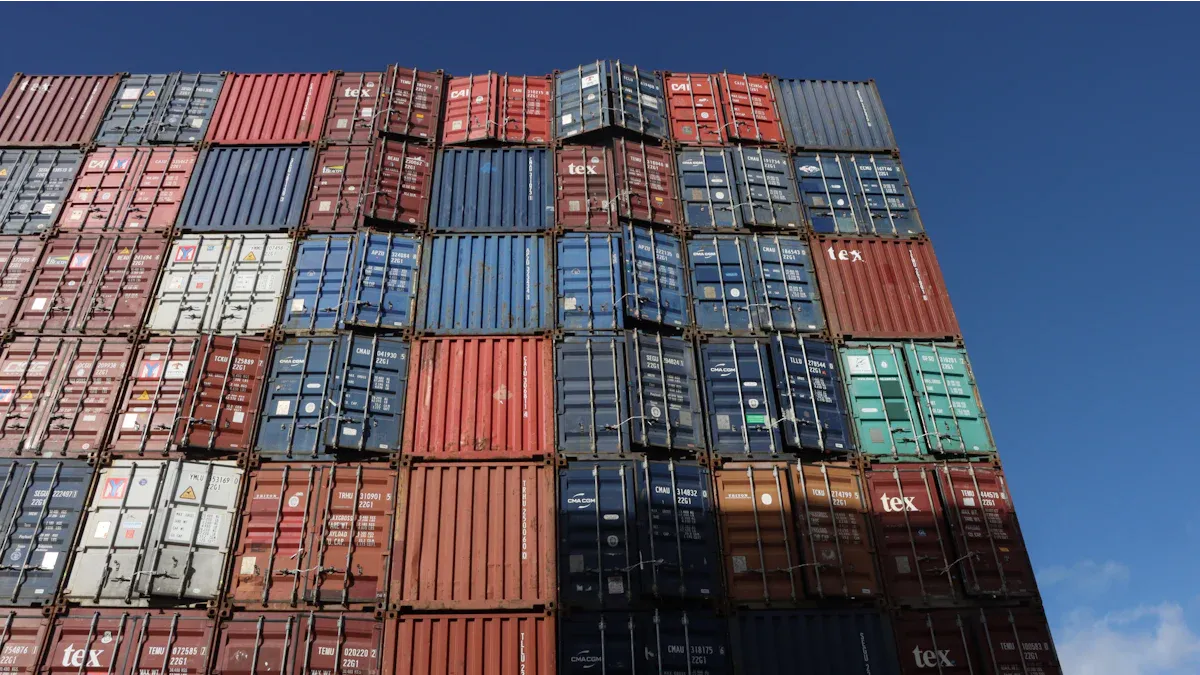
It is important to follow height limits when stacking with a forklift. If you do not follow these limits, it can be very dangerous. Stacks can fall if you pile loads too high. Pallets might drop and hurt people walking nearby. When heavy loads go above the safe height, they get less stable. If the weight is not even, stacking gets more risky. Loading and unloading in tall warehouse racks can be unsafe. By following safety rules, you help keep everyone safe.
Keeping to the right height limits makes loads more stable. This helps stop stacks from falling over. Using good stacking methods lets you use tall shelves safely. You can avoid accidents and broken items by stacking at the correct height. Picking the right forklift for your job keeps things steady. CEGC’s anti-sway systems and safety locks help you stack safely in tall racks. You get alarms and help with stacking, so you can work in aisles without worry.
Preventing collisions and equipment damage
Setting height limits helps stop crashes in the warehouse. Forklifts drive in aisles, and tall stacks can block your view. Keeping loads under the limit helps stop damage to equipment. Stacking in aisles needs careful planning. You should check each stack’s height and make sure loads do not lean. CEGC’s container machines use many safety locks to stop accidents. Following stacking rules keeps your forklift and loads safe. You also keep aisles open and safe for everyone.
Reach stacker forklift: limit settings for high stacks
Accessing and adjusting control panel settings
You start by turning on the forklift and checking the control panel. Most modern reach stacker forklifts have a digital display or touch screen. This panel lets you set the lift height for stacking. You find the menu for height limits by following the on-screen prompts. Use the navigation buttons or touch controls to select the lift height you need for your stacking job. Always check that the display shows the correct lift height before you begin.
A clear human-machine interface (HMI) helps you work safely and quickly. The HMI on CEGC equipment uses simple icons and easy-to-read numbers. This design reduces mistakes when you set the lift height. You see alarms if you try to lift loads above the set height. The system also logs your changes, so you can review them later. Here is how a good HMI helps you:
|
Characteristic |
Description |
|---|---|
|
Compatibility with major PLC brands |
Ensures smooth communication between systems for better safety. |
|
User-friendly software |
Makes it easy to set and adjust lift height without confusion. |
|
Data logging capability |
Tracks your settings and helps you improve stacking over time. |
Setting height limits for safe stacking
You need to set the right lift height before you start stacking. First, measure the total height you want to reach. Add the height of your loads and leave extra clearance for safety. Enter this number into the control panel. Double-check the lift height setting to make sure it matches your stacking plan.
Operator training plays a big role in using reach stacker forklift: limit settings for high stacks. Training teaches you how to manage speed, follow safety rules, and use the control panel. You learn how to set the lift height for different loads and stacking needs. CEGC offers training programs that help you use their forklifts safely and efficiently.
When you set the lift height, always think about the size and weight of your loads. Make sure the forklift can handle the weight at the chosen height. If you need to efficiently stack wide loads, use the right attachments and check the load chart on the forklift. CEGC can customize the control system for your stacking needs, including special lift height settings and alarms for different types of loads.
Here are some tips for setting lift height and stacking safely:
-
Measure the rack or stack height before you lift.
-
Set the lift height limit on the control panel.
-
Check the load weight and make sure it fits the forklift’s rating.
-
Leave enough clearance above the load to avoid hitting beams or ceilings.
-
Use visual aids or guides to help you align loads in aisles.
Verifying load stability before operation
Before you lift or stack, you must check load stability. This step keeps you and others safe. Follow these steps to make sure your loads stay stable during stacking:
-
Inspect the load for damage or loose parts before lifting.
-
Center the load between the forks for balance.
-
Place the heaviest part of the load near the front wheels.
-
Secure loose items with bands or wrap to stop shifting.
-
Level the forks and insert them fully under the load.
-
Tilt the mast slightly backward for better stability.
-
Keep the load low while moving through aisles.
-
Take wide, slow turns to prevent tipping, especially with high loads.
-
Always check overhead clearance before you lift or stack.
Maintaining load stability and visibility is key for vertical storage. You should keep at least 6 inches of clearance between loads and rack frames. Use high-visibility labels and guides to help you place loads in the right spot. Choose the right forklift for your stacking job. Attachments like side shifters and load backrests help you control wide or tall loads. Regular maintenance keeps your forklift safe and ready for high stacking.
Operator training should match the equipment and stacking tasks. CEGC supports application-specific training and refresher courses. This training helps you build skills for vertical storage and stacking in narrow aisles. Always plan your lifts and check the load center before you enter aisles. Stay alert and follow safety rules every time you use the reach stacker forklift: limit settings for high stacks.
Tip: Keep load capacity plates visible and inspect your forklift before every shift. This habit helps you avoid overloads and keeps stacking safe.
Troubleshooting and best practices
Common issues with height limit settings
You can run into problems when setting the lift height. Sometimes, the system does not show the right height. You might ignore a safety rule by mistake. Operators can make errors when stacking or lifting. The table below lists common problems you may face:
|
Type of Limit |
Description |
|---|---|
|
Lifting Height Limit |
Maximum mast height (8 to 13 meters) keeps stability. Going over this makes tipping more likely. |
|
Load Capacity Limit |
Load capacity gets lower as height goes up. Too much weight can break the forklift. |
|
Environmental Limits |
Forklifts work best on smooth floors. Rough ground or outside use can make things unsafe. |
If you see alarms or errors on the control panel, stop and check the lift height. Always follow safety rules and never skip system warnings. Make sure loads match the forklift’s rating before stacking in aisles.
Ensuring consistent load stability
You keep stacking safe by checking loads and lift height each time. Regular maintenance helps you find problems early. This keeps your forklift ready for stacking in narrow aisles. Here are ways maintenance helps:
-
You find and fix problems before they cause breakdowns.
-
You spot worn parts that could make stacking unsafe.
-
You make your forklift last longer and work well at any height.
CEGC offers remote monitoring and energy-saving features. These tools help you stack wide loads and keep aisles clear. Picking the right forklift for your job makes stacking safer. Always plan your lifts and check the load center before moving in aisles.
Tip: Keep your forklift clean and check it every day. This habit helps you avoid problems with stacking, lift height, and load stability.
You set the lift height by measuring racks and checking loads. Use the control panel to enter the right number. Always check the lift height before lifting in aisles. Operator training and anti-sway systems make things safer. Good habits help you avoid problems with loads and forklifts.
-
Training, knowing the rules, and following them keep lift height safe.
-
Talking clearly in aisles helps stop accidents.
|
Description |
Impact on Efficiency |
|
|---|---|---|
|
Hook Height |
Changes how high you can lift. |
Makes lifting more exact. |
|
Lifting Mechanisms |
Different ways to lift loads. |
Affects how much and how fast you can lift. |
|
Additional Features |
Extra controls and safety tools. |
Makes cranes easier and safer to use. |
|
Location |
Implementation Details |
Results |
|---|---|---|
|
Port of Shanghai |
Used speed controls and trained operators |
Accidents went down by 15%, work got 10% faster |
FAQ
How do you check if your forklift is safe for high stacking?
You inspect the forklift before use. Look for damage, check the load plate, and test controls. Always keep safety features active.
What should you do if your forklift alarm sounds in aisles?
You stop the forklift right away. Check the control panel for warnings. Clear the aisles before you continue stacking or moving loads.
Can you adjust forklift height limits for different stacking jobs?
You can change height limits using the control panel. Set the right height for each job. Always follow safety rules in aisles.


