
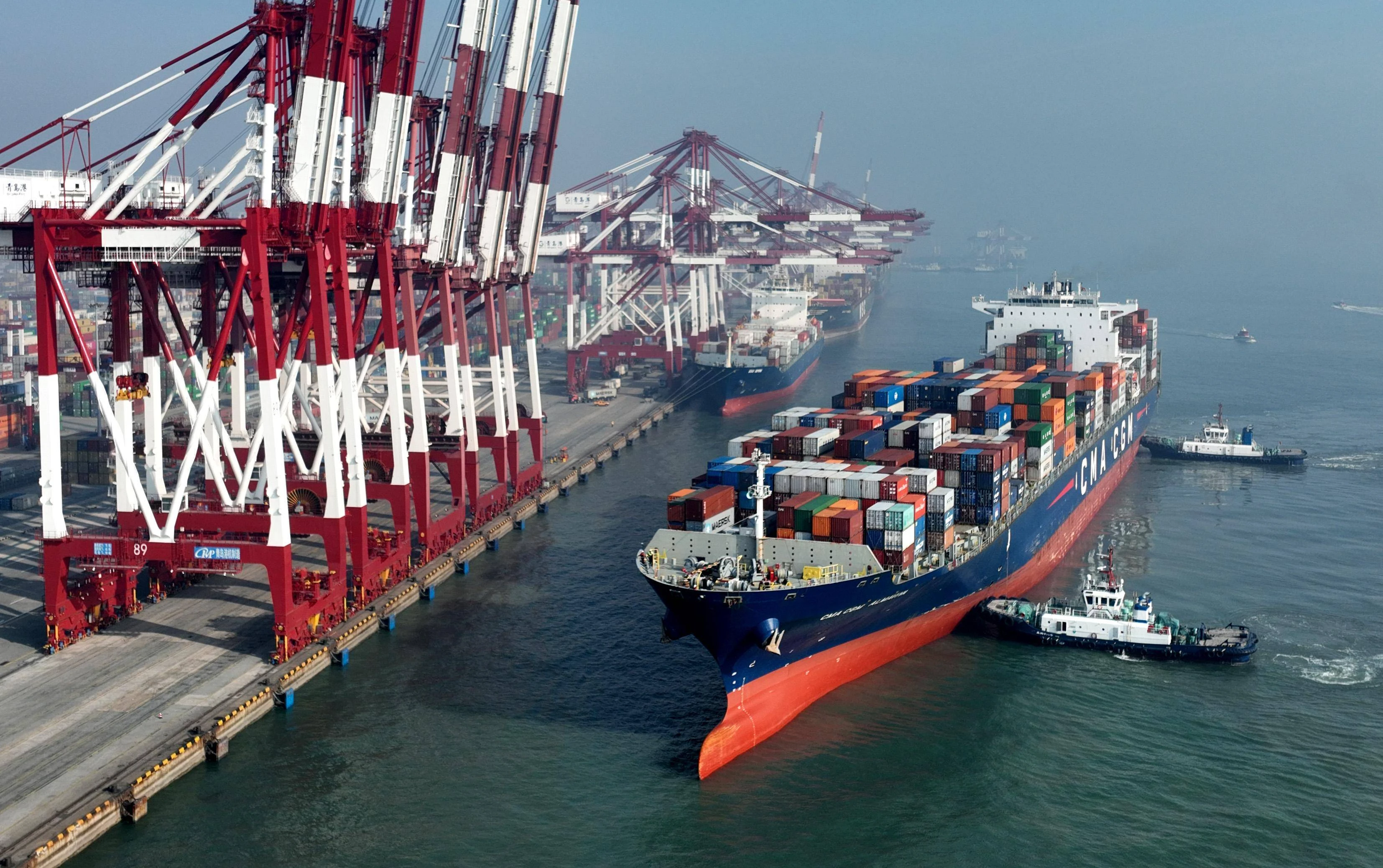
In busy warehouses or ports, you often face numerous challenges. Safety issues and slow operations frequently arise due to poor path planning. Common problems include misaligned platforms, slippery floors, and increased risk of injuries. Congestion leads to longer wait times and higher labor costs. CEGC provides solutions where Reach Stacker forklift: path planning avoids congestion, ensuring smoother workflows and safer environments.
Key Takeaways
-
Good path planning for reach stacker forklifts helps stop traffic jams and makes warehouses safer. - Smart warehouse designs, like special lanes and one-way roads, help work go smoothly and stop accidents. - Using machines and data tools can make routes better, help work get done faster, and save a lot of money on workers.
Reach stacker forklift: path planning avoids congestion
Congestion risks in warehouse operations
Warehouse work has many problems. Bad planning can cause traffic jams. If the layout is not good, traffic gets stuck. Forklift paths get blocked. Workers have trouble moving containers. Work slows down. Accidents happen more. Safety problems go up. Using space well means making travel short and paths easy to use. You need to make routes that help traffic move well. Forklifts work better with smart planning and layout.
|
Category |
Description |
|---|---|
|
Work Organization Factors |
High-pressure environments, inadequate equipment, improper operator assignment, and neglected maintenance. |
|
Forklift Operation Behavior |
Speeding, operating with raised loads, poor awareness of surroundings (blind spots), unauthorized rides, and lack of communication. |
|
Environmental Hazards |
Poor visibility, congested intersections, shared pedestrian zones, and uneven flooring. |
You should think about these things when planning forklift paths. Warehouse design and layout help stop traffic jams. A good layout keeps things safe and moving.
Forklift paths and safety challenges
Forklift paths can be dangerous. You need to plan safe routes. Loads can swing and make it hard to place them right. Crashes can happen if paths cross busy spots. Operators who do not follow rules can cause accidents and slow work. Safety tools like anti-sway control and safety locks help lower these risks. CEGC’s systems make things safer and faster.
-
Bad training makes workers choose wrong speeds, handle loads badly, and drive poorly.
-
Workers who are not trained may miss warning signs and cause accidents.
You need to care about worker safety and smooth work. Forklifts work best with good planning and design. Using space well needs a clear layout and safe paths. You can stop traffic jams by making traffic flow better and planning good routes.
|
Evidence Description |
Impact on Congestion |
|---|---|
|
Exceptional maneuverability in confined spaces |
Reduces waiting times for ships, trucks, and trains. |
|
Speed and quick loading/unloading capabilities |
Minimizes operational downtime and increases productivity. |
|
Ability to stack containers higher and handle heavy loads efficiently |
Optimizes yard space and reduces congestion. |
|
Good maneuverability overall reduces congestion and waiting times |
Increases overall efficiency. |
Reach stacker forklift: path planning avoids congestion by making layout, paths, and safety better. Planning routes and making a good layout help you use space well and keep traffic moving. Safety risks go down with better systems and training. Work gets faster and more productive.
Optimized planning for efficient forklift paths
Reducing congestion with smart warehouse layouts
You can make your warehouse less crowded by using smart layouts. A good layout keeps forklift paths and walking lanes apart. This helps keep people safe and traffic moving. One-way lanes in small aisles stop forklifts from crashing into each other. Cross aisles give forklifts shorter ways to go, so work gets done faster. Forward picking zones put fast-selling items in easy spots. This keeps busy places clear and helps workers do their jobs better.
Here is a table that shows some top ways to use space and help forklifts work well:
|
Strategy |
Description |
|---|---|
|
Dedicated pedestrian and forklift lanes |
Keeps foot traffic and forklifts apart, lowering risk and making operations safer. |
|
One-way traffic flow in narrow aisles |
Stops forklifts from facing each other, making movement smoother and reducing congestion. |
|
Cross aisles |
Gives forklifts shorter paths, which helps with workflow efficiency and reduces traffic jams. |
|
Forward picking zones for fast-moving SKUs |
Makes high-demand items easy to reach, speeding up order picking and lowering congestion. |
|
High-density racking systems |
Uses vertical space, so you can store more without making the warehouse bigger. |
You can pick different warehouse shapes for what you need. U-shaped designs are good for shipping and getting goods. I-shaped designs split up work areas clearly. L-shaped designs use space well for storage and moving things.
When you use these ideas, you make a layout that keeps forklift paths safe and easy. This means fewer accidents and smoother work.
Route optimization and automation in planning
Route optimization uses tech to make forklift paths better. Automation helps forklifts do simple jobs, so they can focus on harder ones. Automated forklifts use sensors and maps to drive by themselves. This makes work safer and faster. You spend less time fixing mistakes and more time moving stuff.
Data tools show how your warehouse works. These tools find patterns and show where things slow down. You can use this info to plan better routes and make work smoother. Predictive maintenance uses sensors to check forklifts. It warns you before something breaks, so you can fix it early and keep things moving.
Here is how automation and data tools help your warehouse:
-
Automation cuts down on mistakes and hard work.
-
Sensors help forklifts stay on safe paths.
-
Data tools find the best routes and spot problems early.
-
Predictive maintenance keeps forklifts working and lowers traffic jams.
You might need to buy new systems and update your network. These changes can make work faster by up to 40% and lower labor costs by up to 30%. You also make things safer and cut down on accidents.
Real-world results: CEGC container handling equipment
You can see how good planning and layouts help in real life. CEGC gives custom solutions for handling containers. Their equipment has anti-sway control, safety locks, and designs that help operators. These features lower safety risks and help forklifts work better.
Key performance indicators show how well your plans work:
|
KPI |
Description |
|---|---|
|
Throughput Rate |
Measures how much work you finish in a set time. |
|
Inventory Turnover Rate |
Shows how often you sell and replace inventory. |
|
Error Rate |
Tracks mistakes during operations. |
|
Downtimes |
Measures how long forklifts are not working. |
|
Utilization Rate |
Checks how well you use your forklifts. |
With CEGC’s equipment, you get:
-
Less travel time and faster work.
-
Better inventory counts and quicker orders.
-
Safer and happier workers.
You can also mark walking lanes and forklift routes to stop crashes. Good design keeps workers safe and comfortable. Following safety rules, like OSHA, keeps injuries low.
When you use CEGC’s solutions, you use space well, help forklifts work better, and keep things safe. Your warehouse runs smoothly, with less crowding and more work done.
You can make things safer and faster by improving how you plan reach stacker forklift paths. Using real-time systems and better routes helps stop traffic jams and lowers dangers. To begin, do these things:
-
Check your building and roads.
-
Pick the right machines.
-
Make a plan to start.
-
Work with your suppliers.
Smart logistics and machines will change how we work in the future. CEGC gives you choices that fit your port or warehouse.
FAQ
What is path planning for a reach stacker forklift?
Path planning means you choose the best routes for your forklift. You avoid crowded areas and keep your work safe and efficient.
How does CEGC help reduce congestion in warehouses?
You use CEGC’s anti-sway control and safety systems. These tools help you move containers smoothly and keep traffic flowing in busy areas.
Why should you separate forklift and pedestrian lanes?
You keep workers safe when you separate lanes. You lower accident risks and make your warehouse run better.


