
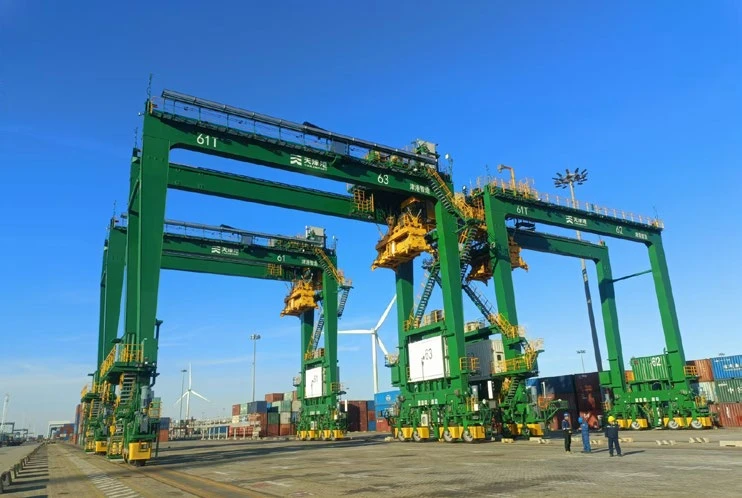
Imagine if the port had to close because someone missed an obstacle. You could have problems like not seeing obstacles, bad routes, slow changes, and safety dangers. These container handling gantry crane: path planning pitfalls can mess up your work. CEGC helps you stop these expensive mistakes with good solutions and easy changes.
Key Takeaways
-
Check and test your crane's sensors often. This makes sure they find all obstacles. It helps stop accidents and keeps everyone safe.
-
Use advanced tools to spot hazards right away. These tools let you act fast when dangers move. They keep people and cargo safe.
-
Make your crane's path planning better to work faster. Picking smart routes saves time and energy. This lowers how much it costs to run things.
Container handling gantry crane: path planning pitfalls
Missed obstacle detection
Operating a container handling gantry crane can be risky. One big problem is missing obstacles. If sensors are not put in the right spots, you may not see things in the crane’s way. Sometimes, sensors stop working right. This makes blind spots. Vehicles, workers, and other equipment can move into these blind spots. You should check sensors often to make sure they work.
You can stop these problems by using CEGC’s anti-collision and safety interlock systems. These systems help you find obstacles early. They use smart sensors and alarms. When something gets in the crane’s way, the system warns you. You can stop the crane or change its path. This keeps people safe and stops damage.
Tip: Test your sensors before every shift. Make sure you can see all areas around the crane.
Ignoring dynamic hazards
Another problem is not paying attention to moving hazards. Ports are busy places. Trucks, forklifts, and people move around all the time. If you do not watch for these hazards, accidents can happen quickly. You need tools that help you see and react to changes.
CEGC gives you advanced solutions for finding moving hazards. These features help you avoid problems by giving real-time information. Here is a table with some key features:
|
Feature |
Description |
|---|---|
|
Intelligent Spreader Tracking |
Smart cameras show you a wide area. You see everything near the hook. |
|
Hook Stability Monitoring |
You check the hook’s position and condition. This helps you make safe choices. |
|
Comprehensive Scene Monitoring |
You get live video and clear pictures. You see all sides around the crane. |
|
Abnormal Hook Detection |
The system finds problems like smoke or fire. You stay safe in hard situations. |
|
Customizable Expansion |
You can add more cameras on the ground. This makes things safer and more efficient. |
You need to use these tools to avoid problems. When you see hazards early, you can act fast. You protect people and cargo. You keep your port working well.
Note: Make sure your team knows how to use these systems. Training helps everyone stay alert and safe.
Path optimization issues
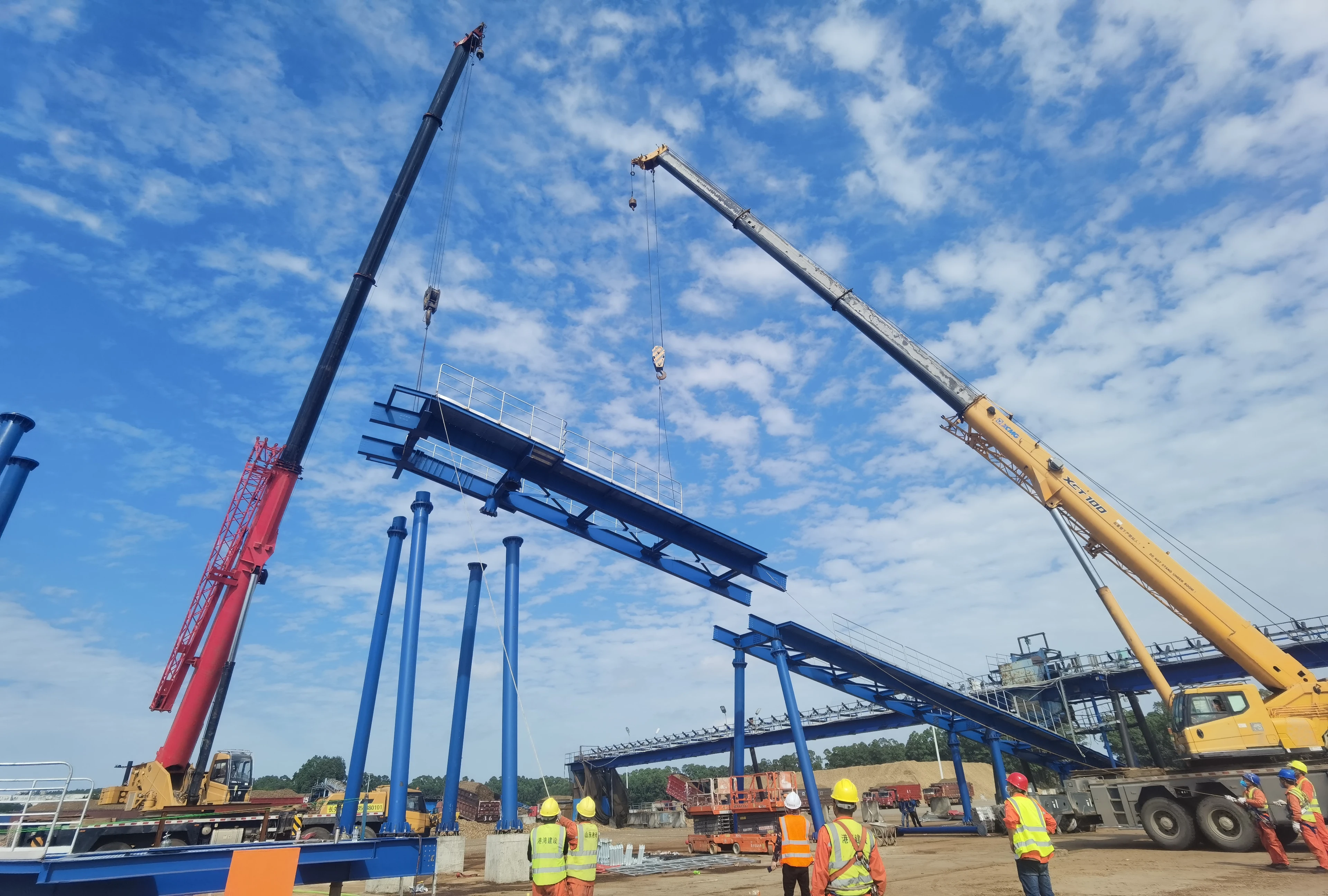
Inefficient route selection
You can have problems if you do not plan routes well. Bad route choices make your work slow. They also waste energy. If you move containers in the wrong order, you do extra steps. This makes your work less efficient. It also costs more money. You might block other equipment. You could cause traffic jams in the yard.
Advanced path optimization systems help you fix these problems. They use smart rules to pick which container to move first. Here is a table that shows how these systems work:
|
Rule |
Description |
|---|---|
|
1 |
The crane unloads containers by delivery times. It moves containers above if needed. |
|
2 |
The crane checks container moves with 'Climbing Control'. |
|
3 |
The crane unloads containers by priority. It empties one tier at a time and does not move containers above. |
|
4 |
The crane moves containers above to the nearest free spot. It uses 'Climbing Control'. |
These rules help you keep your work efficient. You spend less time moving containers. You avoid extra moves.
Overlooking energy and time
You can have problems if you ignore energy and time for each move. If you do not match crane speed and acceleration to the load, you waste power. This makes your bills higher. It also wears out your equipment faster. Your work gets less efficient if you do not plan the best speed or route.
CEGC’s motion coordination and load-dependent speed profiles help you fix these problems. These features let you change your crane’s actions for each job. You save energy and finish tasks faster. You keep your port running well. You make your work more efficient every day.
Tip: Check your crane’s path planning settings often. Small changes can help your work be more efficient.
Lack of real-time adaptability
Static path planning
Static path planning can cause big problems. Ports change quickly. If you do not update the crane’s path, you miss new dangers. Vehicles, people, or equipment can move into the crane’s area. You might hit them if you do not see them. Waiting for the crane to finish a set path wastes time. Conditions can change while the crane moves.
You need tools that help the crane change its path fast. Many cranes use sensors to watch for changes. These sensors include:
-
LiDAR finds obstacles in the way.
-
Cameras show what is around the crane.
-
Load sensors check how heavy things are.
-
Wind sensors tell when it is too windy.
These tools help you know what is happening near the crane. You can change the crane’s path quickly and stop accidents.
Note: Real-time updates keep the crane safe and working well. You protect people and cargo with adaptive planning.
Slow response to changes
If the crane reacts slowly, you can have delays and accidents. Wind, weather, and yard traffic can change fast. The crane needs to react quickly. Aerodynamic shapes and wind deflectors help the crane handle sudden wind.
CEGC gives you workflow integration and automation. These features let the crane update its path as things change. You get faster responses and safer work. Your port keeps running well and you avoid mistakes.
Tip: Use automation so the crane reacts to new dangers. Fast response keeps your team safe and your work smooth.
Safety and collision risks for container gantry crane
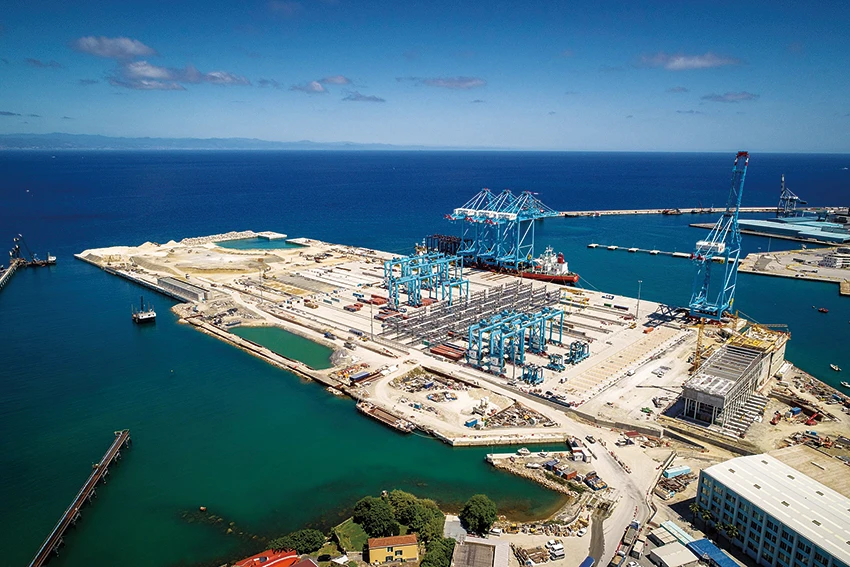
Load sway and instability
Moving containers with a gantry crane can be risky. Load sway and instability can cause accidents. Wind and bumpy ground make containers swing. If you do not control the crane well, the load can swing more. Skilled operators move the crane smoothly to keep loads steady. New operators may stop or turn too fast, which makes accidents more likely.
Here is a table that shows what causes load sway and instability:
|
Cause |
Description |
|---|---|
|
External Environmental Factors |
Wind pushes containers to the side. Bumpy ground makes the crane shake and swing. |
|
Operator Skill Level |
Skilled operators move carefully. New operators may cause big swings and accidents. |
You can use safety features like anti-sway control and load monitoring systems. These features help keep the load steady. Anti-sway technology stops the load from swinging. Load monitoring systems check the weight and warn you if it is unsafe. These safety features lower the chance of accidents and protect your cargo.
|
System Type |
Function |
|---|---|
|
Load Monitoring System |
Checks the load all the time and warns you if it is unsafe. |
|
Anti-Sway Technology |
Stops swinging and keeps the load steady when moving. |
Incomplete emergency systems
If your crane does not have good emergency systems, accidents can happen. Emergency systems stop the crane fast and help you stay in control. You need safety features to protect you and your team.
Important emergency systems include:
-
Emergency braking systems stop the crane quickly if there is an accident.
-
Fail-safe mechanisms stop unsafe actions.
-
Overload protection checks the weight and stops unsafe lifts.
-
Anti-sway technology keeps loads steady and lowers accidents.
-
Limit switches and position sensors keep the crane in safe areas.
-
Extra power systems help you control the crane if the power goes out.
-
Automatic load positioning moves containers to safe places if something goes wrong.
You should check these safety features often. Good emergency systems help you avoid accidents and keep your port safe.
Tip: Test your emergency systems often. Good safety features keep your team safe and stop accidents.
Integration and communication gaps
System misalignment
Problems can happen if your crane system does not match your terminal management system. When systems do not work together, you waste time and make mistakes. Your container handling gantry crane needs to talk to your terminal operating system (TOS). If you do not connect these systems, you might miss important updates. You could move containers to the wrong spot or delay shipments. CEGC helps your crane fit into your port’s workflow. This gives you smooth operation and fewer errors.
Tip: Check your crane’s software and hardware often. Make sure they fit your terminal’s needs.
Data and workflow issues
Data gaps can make your port slow. If your crane does not share real-time information, you cannot track containers or plan moves well. You need good data to keep your workflow efficient. CEGC’s analytics interfaces help you collect and use data from your crane. You see crane position, load weight, and environmental conditions right away. You can watch and control cranes from far away. You can guess maintenance needs before problems happen.
Here is a table that shows how advanced analytics interfaces help integration:
|
Key Component |
Description |
|---|---|
|
Real-time Data Collection |
Sensors and IoT devices gather crane position, load weight, and environmental data. |
|
Automated Operation |
Pre-programmed sequences and AI help with lifting and positioning tasks. |
|
Remote Monitoring and Control |
Cameras and HMIs let you oversee cranes from a central location. |
|
Predictive Maintenance |
Data analytics warn you about possible failures. |
|
Integration with TOS |
Crane coordinates with terminal systems for smooth container movement and operation sync. |
Note: Use analytics to find problems early and keep your workflow running well. You save time and avoid costly mistakes.
Human factors and training
Operator interface confusion
You might get confused if the operator interface is not clear. Sometimes, the display does not show the right crane type or girder setup. This can make you pick the wrong crane for the job. Using the wrong crane wastes time and slows down your work. It also makes mistakes more likely.
CEGC’s operator-centered HMI helps you avoid these problems. The interface gives clear details about the crane and its setup. You see alarms, warnings, and tips right away. This helps you make better choices and stay safe. You work faster and make fewer errors.
Tip: Always look at the HMI for crane details before you start. Clear screens help you pick the right crane and keep your work safe.
Insufficient training
You need good training to use a container handling gantry crane safely. If you do not know the crane’s rules or how to move loads, you could cause accidents. Training shows you how to follow safety steps and use the crane’s features.
“If crane operators do not have enough training or experience, accidents can happen. Operators must know the crane’s rules, how to use it, and how to stay safe. Not knowing how to move loads or making bad choices can lead to accidents.”
CEGC gives training support to all operators. You learn how to use the HMI, follow safety steps, and move loads the right way. Good training helps you make smart choices and keeps your team safe.
|
Training Benefit |
Result |
|---|---|
|
Clear HMI guidance |
Fewer mistakes |
|
Safety protocol lessons |
Lower accident risk |
|
Load handling practice |
Higher efficiency |
Note: Training often helps you keep your skills strong and makes everyone safer.
Maintenance and lifecycle challenges
Unplanned downtime
If you do not plan maintenance, you face many risks. Unplanned downtime stops the crane from working. You cannot move cargo when this happens. This slows down bulk cargo handling. You lose time and money if the crane breaks. Sometimes, technical failures happen without warning. Mechanical parts can break. Electrical systems can stop working. Automation can fail too. When cranes are idle, cargo does not move. You cannot finish cargo handling. Bad weather can also stop bulk cargo handling. High winds or storms make it unsafe to use cranes.
Here is a table that shows why unplanned downtime happens:
|
Cause of Unplanned Downtime |
Description |
|---|---|
|
Technical Failures |
Mechanical, electrical, or automation problems that happen suddenly and cause delays. |
|
Equipment Availability |
Cranes sit unused because there are no vessels or transfer equipment like AGVs or straddle carriers. |
|
Weather and External Factors |
Bad weather like strong winds or storms that stop crane work. |
You can have less downtime with CEGC’s predictive maintenance. This system checks crane parts for problems before they break. Real-time data helps you plan repairs. You keep cranes ready for cargo and bulk cargo handling. Planned maintenance makes cranes work more often, up to 30% more. You avoid delays and keep cargo moving.
Environmental durability
Ports have tough conditions. Salt, humidity, and rust hurt cranes every day. These things damage cranes and slow cargo handling. Bulk cargo handling needs cranes that last a long time. Marine-grade durability keeps cranes safe from rust and damage. You keep cranes strong for cargo and bulk cargo handling.
-
Predictive maintenance finds problems before they stop the crane. You keep cargo handling smooth.
-
Marine-grade durability lets cranes handle salt, humidity, and rust. You keep cargo moving even in bad weather.
-
Strong cranes break less and protect cargo. You avoid problems during bulk cargo handling.
CEGC makes cranes easy to fix. Serviceability means you can repair cranes fast. This keeps cargo handling working well. You spend less time waiting and more time moving cargo. You protect your cranes and keep bulk cargo handling reliable.
Tip: Check cranes often. Use predictive maintenance and marine-grade durability to keep cargo handling safe and efficient.
There are many problems when using a container handling gantry crane. You have to look for blind spots and worn parts on each container. Your team should learn how to find rust. Good lighting is important every time you move a container. CEGC’s solutions can help make containers safer and work better. Always check your container path planning to avoid mistakes.
Be careful. Check all containers. Change your container operations when needed.
FAQ
What is a container gantry crane and how does it help with efficient loading and unloading?
A container gantry crane moves containers from ships to the dock. It also moves containers from the dock to ships. This equipment helps ports work faster. It makes loading and unloading easier when ports are busy.
How does predictive maintenance improve handling for rtg and ship-to-shore cranes?
Predictive maintenance checks rtg and ship-to-shore cranes often. These systems find problems before they get worse. You can fix things early and avoid breakdowns. This keeps crane work safe and smooth.
Why should you choose automation and predictive maintenance for enhanced sustainability in dockside gantry cranes?
Automation and predictive maintenance help dockside gantry cranes last longer. These features save energy and make equipment work better. You use less power and your cranes stay strong for more years.


