
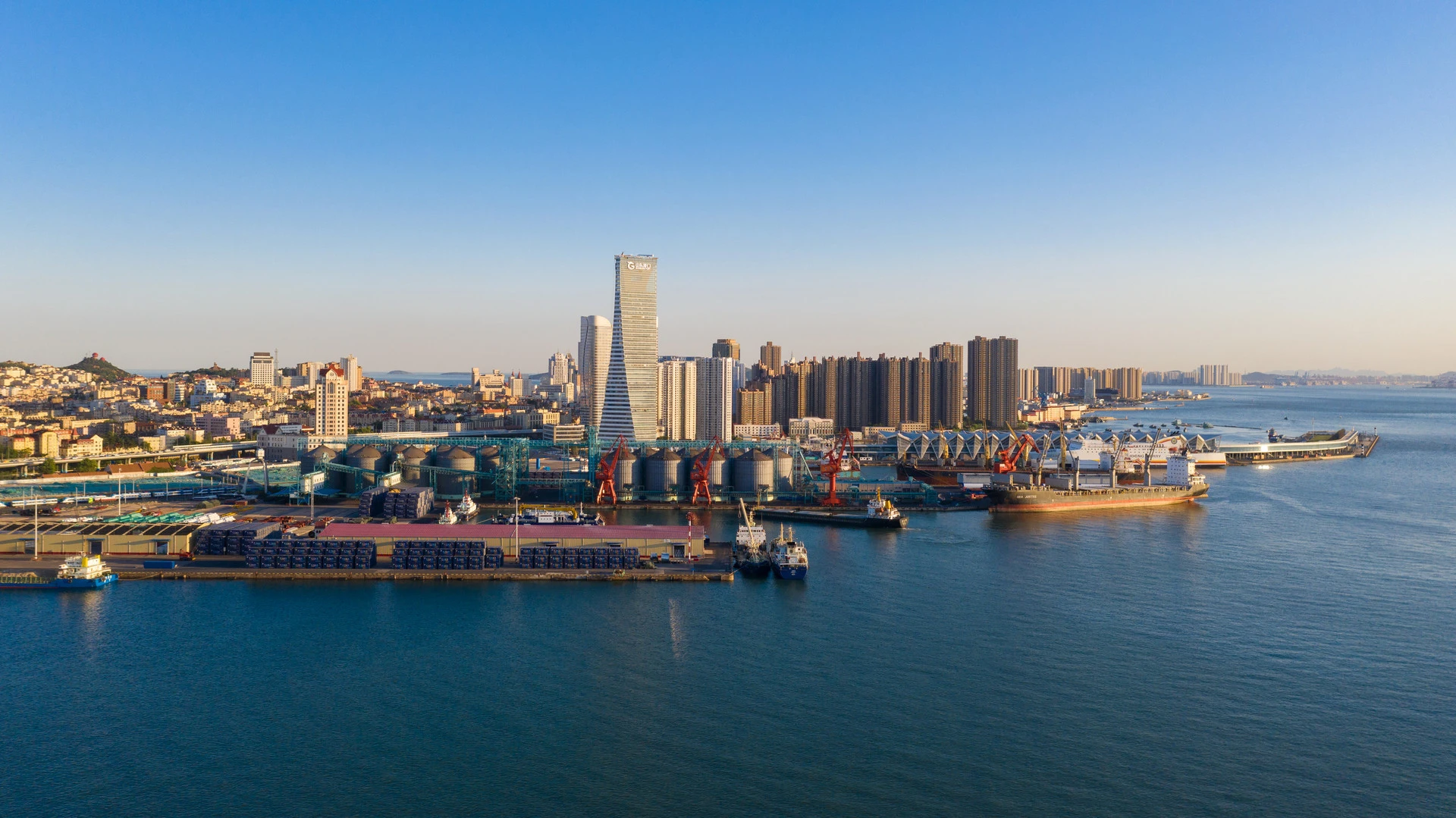
Port crane: path planning reduces overtime hours by optimizing crane movements and minimizing delays. This approach addresses challenges such as load sway, safety risks, and inconsistent work speed. Many port authorities report significant maintenance issues, and manual operations often lead to slowdowns. The performance of cranes can greatly influence the overall efficiency of the port. CEGC provides innovative solutions that enhance port operations.
|
Idle Time Percentage |
Ship Turnaround Reduction |
|---|---|
|
Up to 25% |
Key Takeaways
-
Path planning helps cranes move better, so there are fewer delays and less overtime. Using real-time data lets people watch crane work, which makes things safer and faster. Automation and predictive maintenance help stop breakdowns and make port work better.
Port crane: path planning reduces overtime hours
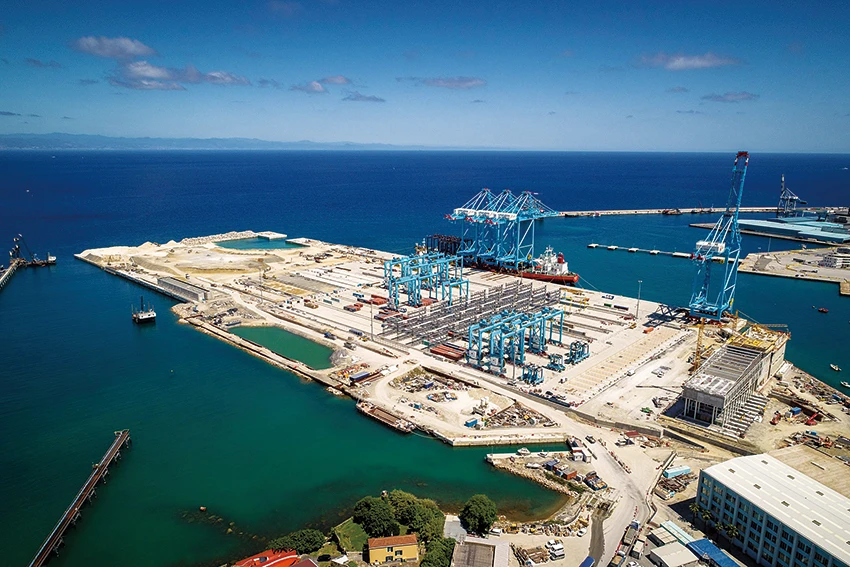
Path planning basics for port cranes
If you learn about port crane: path planning, you can help your port work better and cut down on overtime. Path planning is about picking the safest and fastest way for a crane to move. This helps cranes avoid stopping too much and keeps containers moving. When you plan paths, you think about where containers are, how to avoid overhangs, and how to keep cranes apart for safety.
|
Aspect |
Description |
|---|---|
|
Shortest Safe Traverse |
Choosing the best route that keeps crane work safe. |
|
Stowage Considerations |
Looking at how things are stored to save space and stay safe. |
|
Making sure loads do not stick out too far to stop accidents. |
|
|
Maintaining Separation |
Keeping cranes and buildings far enough apart to stay safe. |
Different cranes use path planning in their own ways. Portal cranes and container cranes use special schedules and move together in a smart way. Automated container cranes use cameras and RFID tags to know where containers are. Inland gantry cranes use sensors and GPS to control where they go. Straddle carriers use self-driving tech to move containers safely and quickly.
|
Crane Type |
Technology Used |
Application |
|---|---|---|
|
Automated Container |
Machines, cameras, and RFID tags |
Moving and storing containers in automated places |
|
Inland Gantry Cranes |
GPS and sensors |
Controlling where containers go at inland terminals |
|
Straddle Carrier |
Self-driving vehicles |
Testing automation for moving containers in terminals |
Path planning is more than just moving a crane from one spot to another. It uses technology to make every move matter. CEGC has solutions for portal cranes, container cranes, and other equipment. These include anti-sway systems, safety locks, and ways to control movement. Each system helps keep your port safe and working well.
How path planning cuts overtime and delays
Port crane: path planning helps you save overtime by making schedules better and cutting down on delays. With path planning, you can plan when each crane moves so it does not waste time. This means cranes wait less and move more containers. Good schedules help you move more containers and stop traffic jams.
Sometimes cranes and AGVs have to wait for each other. Path planning helps you plan AGV routes and times. This cuts down on waiting and keeps containers moving. If you upgrade your crane systems with anti-sway features or automate lockpin handling, you can work even faster.
Path planning helps fix common problems at ports:
-
Load sway makes it hard to put containers in the right place. Anti-sway systems use sensors and controls to stop loads from swinging. This keeps containers steady and lowers accident risks.
-
Cranes can crash if they get too close. Safety locks and real-time checks help keep cranes apart and stop crashes.
-
Operators may not always work the same way. Standard controls and real-time feedback help everyone work better.
Here are some technical tools you can use:
-
Active anti-sway controls
-
Sensors to spot load sway
-
Real-time checks for shaking loads
-
Automatic changes to crane speed and how fast it moves
These tools help you handle containers safely and smoothly. The Impact Detection Methodology works with sway controls to keep spreaders steady. This lowers damage costs and helps you work faster. Real-time checks also help you find problems early and keep your schedule on track.
When you use CEGC’s path planning and tech tools, you can see real results. Many ports say they work up to 38% faster and cut down on time for each job. You can move more containers in less time, which means less overtime. Better planning and smarter paths help cranes work better, not harder.
You can trust CEGC’s top performance and custom solutions for all your container jobs. No matter what crane you use, you can make your schedules, speed, and work better. With good planning and the right tech, your port can run well and save on overtime.
Real-time data and automation in port crane operations
Role of real-time data in cycle time and safety
You can make your port work better by using real-time data. Real-time monitoring shows you where cranes and containers are right away. This helps you find problems fast and fix them before they slow things down. Real-time data sends alerts if something is not safe, so you can act quickly and keep everyone safe. You can watch for load sway and stop crashes, which makes lifting smoother. Real-time data also helps you plan when cranes and vehicles should move, so there are fewer delays and ships leave faster. When you use real-time data, you can keep traffic moving and stop jams. Real-time updates help you make smart choices and keep lifting steady.
-
Real-time data gives you quick information to help work better.
-
It cuts down on delays by making cargo and ship schedules faster.
-
Real-time monitoring finds problems and helps you fix them quickly.
-
Good traffic flow keeps cranes and vehicles working well.
Automation, predictive maintenance, and energy efficiency
Automation changes how you run port cranes. Artificial intelligence helps you plan crane jobs and when AGVs need charging, so everything works smoothly. Automated cranes keep work going and cut down on waiting time. Automation keeps things running the same way, so ships leave sooner and lifting stays steady. Predictive maintenance uses real-time data to find problems early. You can fix things before they break, which means less downtime and safer work.
|
Evidence Point |
Description |
|---|---|
|
Proactive Maintenance |
Predictive maintenance stops surprise breakdowns. |
|
Safety Improvements |
Remote checks keep workers safe during inspections. |
|
Data Insights |
Real-time data helps you choose the best time for repairs. |
Energy-saving features help you spend less and protect your machines.
|
Feature |
Benefit |
|---|---|
|
Energy-efficient motors |
Use less energy and help cranes last longer. |
|
Regenerative braking systems |
Save energy when stopping and lower costs. |
|
Variable frequency drives (VFD) |
Make cranes move smoothly and save energy, which helps work go faster. |
Automation and real-time data work together to keep things in sync. You can make fewer mistakes and use your machines more. Real-time data links jobs at the quay, yard, and gate, so work is faster and ships leave sooner. Artificial intelligence and automation help you move more containers and give steady service.
Implementation and best practices
Steps for integrating path planning and real-time data
You can make your port better by following easy steps. Start by looking at your container handling equipment and how you work now. Then, set up real-time data systems to watch crane movements and how many containers move through the terminal. Use predictive scheduling to plan crane jobs and stop delays. Train your team with hands-on practice and simulation programs. This helps everyone learn about crane movement and safety rules.
You might face some problems when you start:
-
Technical failures can stop work.
-
Cybersecurity risks can hurt automated systems.
-
Old equipment may not work well with new tech.
-
AGVs can get too close to things and cause danger.
-
Shortest paths may not work if there are obstacles.
You can fix these problems with ai integration and regular maintenance checks. Automation cuts down on manual work and makes things faster. Real-time monitoring helps you find problems early and keep container terminal throughput steady.
Customization and ongoing optimization with CEGC
CEGC lets you pick what works best for your port. You can choose single girder or double girder cranes for your lifting needs. Pick the right size, span, duty cycle, power, automation, and anti-corrosion level. Automation choices include assist, remote, or full automation with wireless controls and safety upgrades.
To keep things working well, use proactive maintenance and predictive sensors. Use materials like stainless steel and special coatings to make cranes last longer. You can make container handling better by updating software and training operators in both technical and soft skills. Automation and ai integration make things safer and more reliable. Check your plans often to keep predictive scheduling right and keep container terminal throughput high.
Tip: Keep training programs going and update your maintenance plans often. This helps your cranes stay safe and work well.
When you use path planning and automation, cranes move faster and work is safer. CEGC’s solutions help ports work better and make accidents less likely.
|
Improvement Type |
Description |
|---|---|
|
Enhanced Efficiency |
Automation helps cranes work faster and makes schedules better. |
|
Reduced Accident Risk |
Automated cranes and systems make accidents happen less often. |
|
Planning AGV paths well stops crashes and keeps people safe. |
Here are your next steps:
-
Get your data ready and set up sensors.
-
Try out small projects with clear goals.
-
Use what works well in more parts of your port.
-
Teach your team and help them with changes.
FAQ
What is path planning for port cranes?
You use path planning to choose the best route for cranes. This helps you move containers safely and quickly in your port.
How does path planning reduce overtime?
You save time by planning crane movements. This cuts down on waiting and delays. You finish jobs faster and need less overtime.
Can you customize CEGC solutions for your port?
You can pick the right crane size, power, and safety features. CEGC lets you match equipment to your port’s needs.


