
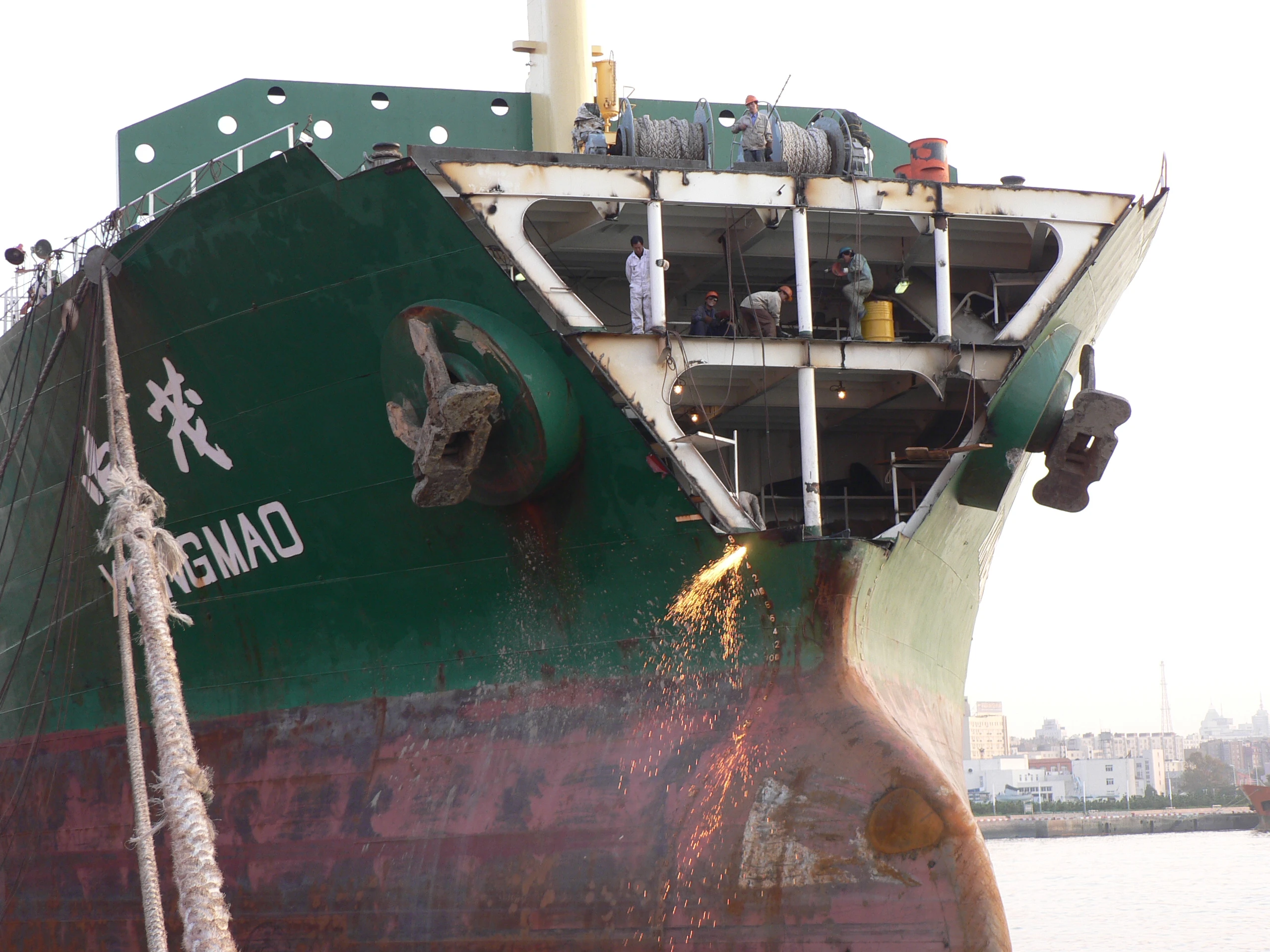
Container crane path planning supports automation rollout, demonstrating how it can enhance operational efficiency by reducing the reliance on manual labor. Many terminals face challenges related to safety, efficiency, and reliability.
|
Impact on Operations |
|
|---|---|
|
Alignment issues with conductor bars |
These cause contact breaks, negatively impacting the reliability of the container crane. |
|
Radio interference in controls |
Controls may not respond effectively, which compromises both efficiency and safety. |
|
Blown fuses |
This indicates faults in the electrification system, putting safety and reliability at risk. |
|
Bent or damaged hooks |
Loads become insecure, increasing the danger during operations. |
CEGC provides innovative solutions for port machinery and container handling equipment, designed to address and resolve these critical issues.
Key Takeaways
-
Container crane path planning lowers manual control. This helps cranes work faster and better. Productivity and service efficiency go up by 30-50%.
-
Automation makes things safer. It uses overload protection and anti-collision technology. These features cut down accidents. They also make operations more reliable.
-
AI and IoT sensors work together. They help with predictive maintenance. This lowers downtime. It keeps port operations running smoothly.
How container crane path planning supports automation rollout
Decoupling operations from manual control
Container crane path planning helps move from manual to automated systems. In the past, people controlled cranes by hand. This often caused mistakes and uneven results. Automated path planning means less need for people to control cranes. This change brings clear improvements.
|
Key Performance Indicator |
Improvement Percentage |
|---|---|
|
Crane Productivity |
30–50% |
|
Service Time |
30–50% |
|
Ship Service Time |
51% |
You get better use of space in the yard. Cranes can move more containers each hour. There are fewer times when containers need to be moved again. Priority exports spend less time in storage. Costs for running the port go down. Trucks wait less time in line. There are fewer fines for late ships. The Impact Detection Methodology (IDM) checks for crane impacts as they happen. When you use IDM with CEGC’s equipment, you get more accuracy and less damage to containers. Operations become more reliable and efficient.
|
Control Type |
Error Rate |
Operational Accuracy |
|---|---|---|
|
Manual |
Up to 4% |
Lower |
|
Automated |
Higher |
Autonomous cranes make fewer mistakes than manual ones. They are more accurate. You can trust the system to work well, even when things get busy.
Enabling safe, efficient, and collision-free movement
There are many risks in moving containers. Loads can swing, cranes can crash, and timing can change. CEGC uses technology to make things safer. Anti-sway control systems use machines and electronics. Strong crane parts and balanced weight help stop loads from swinging. Trolley rails are made very carefully. Variable Frequency Drives (VFDs) help cranes start and stop smoothly. Smart controls guess how loads will move and change speed right away.
You also get many safety features. These include overload protection, limit switches, emergency stops, and ways to stop crashes. Operator screens show alarms and status clearly. This makes training easier and helps people do their jobs better.
|
Improvement Metric |
Description |
|---|---|
|
Cycle Time Reduction |
Optimized movement paths and speed control lead to faster operations. |
|
Increased Equipment Uptime |
Preventing breakdowns and extending maintenance intervals enhance overall operational availability. |
|
Enhanced Load Management Accuracy |
Improved material handling efficiency through accurate load information. |
|
Reduced Fuel and Energy Consumption |
More efficient operations lead to lower energy costs. |
|
Decreased Idle Time |
Better operational planning and coordination minimize downtime. |
Systems watch crane operations all the time to keep things safe. Load monitors warn you if you get close to the weight limit. Overload protection stops common crane problems. Anti-collision technology watches where cranes are and keeps them away from people and obstacles. These features, along with CEGC’s cranes, help cranes move safely and efficiently.
|
Technology/Method |
Description |
|---|---|
|
Sequential Planning Approach |
Controls interacting machines in automated container terminals to avoid collisions. |
|
Multi-AGV Scheduling |
Ensures conflict-free path planning for multiple automated guided vehicles in container terminals. |
|
Artificial Potential Field Method |
Uses sensors like LiDAR, cameras, and GPS for real-time perception and efficient path planning. |
|
Moves from classic algorithms to sophisticated techniques for AGV path planning. |
Integrating AI and predictive algorithms
You can get even more from automation by using AI and predictive algorithms. These tools use live data to guess what will happen next. They help cranes move better and faster. This means fewer wasted moves and better use of cranes. The system uses data from many places. It can tell when things will get busy and move cranes to the right spots. This cuts down on waiting and extra moves.
IoT sensors check cranes and other machines all the time. This data helps you know when something might break. You can fix things before they stop working. This keeps the port running smoothly. Sensors also watch how machines work and what is happening around them. Real-time data helps you fix problems before they get worse.
|
Benefit |
Description |
|---|---|
|
Monitoring |
Sensors monitor equipment health and operational status, providing real-time data for decision-making. |
|
Predictive Maintenance |
IoT systems enable predictive maintenance by analyzing data to foresee equipment failures. |
|
Operational Efficiency |
Enhanced visibility and communication improve coordination in terminal operations. |
You can see these changes at big ports and factories. For example, the Port of Singapore got 30% better efficiency and 90% fewer crane accidents with autonomous cranes. Other places saw a 25% increase in how much they could move and lower labor costs with self-driving cranes.
Container crane path planning supports automation rollout by using smart algorithms, sensors, and real-time control. CEGC’s solutions can be changed to fit your needs. With these tools, you can make your operations safer, faster, and more reliable.
Practical benefits and challenges of automation in container crane operations
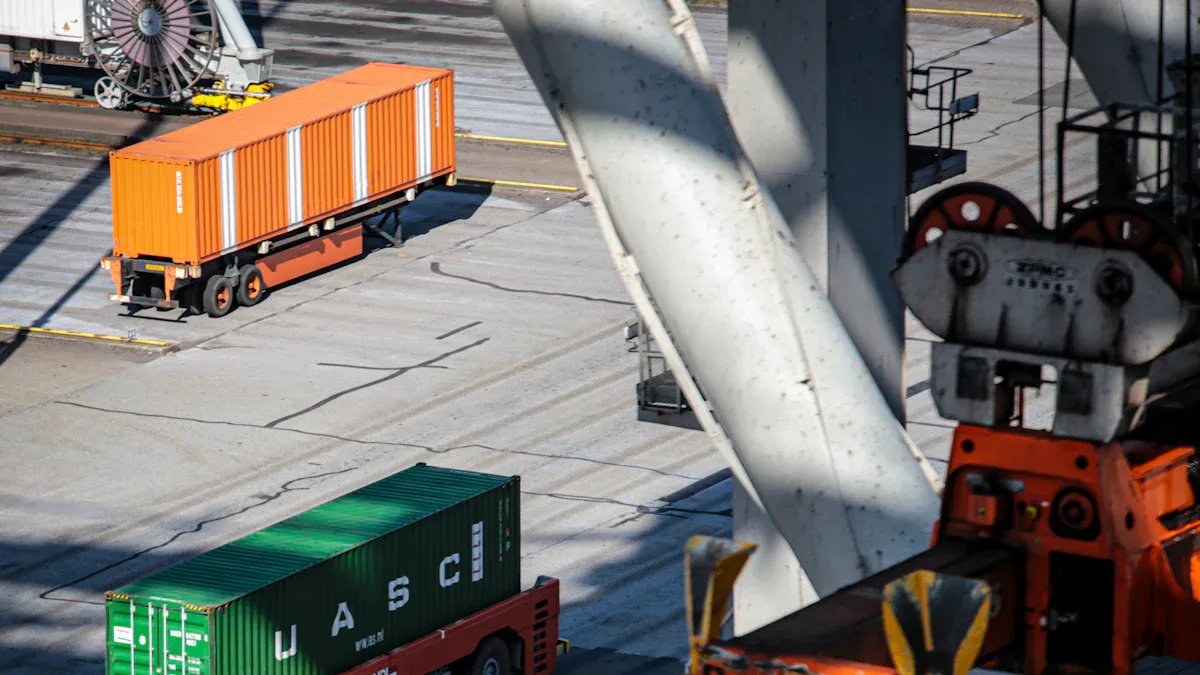
Safety, efficiency, and cost savings
Automation brings many good changes to crane operations. Automated systems help cranes work more and wait less. Idle time can drop by up to 25%. Predictive maintenance means cranes break down less often. This can lower downtime by 15-20%. Cycle time optimization helps cranes move faster and use less fuel. You can check how many moves happen each hour. You can also see how long trucks wait and how much fuel is used. Automation makes the port safer and lowers the number of accidents. You spend less money on workers. You also save money by working better and faster. New cranes and equipment help cut down on pollution and emissions.
|
Benefit Type |
Description |
|---|---|
|
Reduced Idle Time |
Real-time updates and optimization models enhance terminal productivity. |
|
Predictive Maintenance |
Proactive alerts decrease downtime and improve cargo handling. |
|
Cycle Time Optimization |
Faster cycles increase throughput and save fuel. |
|
Enhanced Asset Utilization |
Automation reduces errors and improves on-time delivery. |
|
Improved Security |
Automated systems strengthen terminal reputation and contract decisions. |
Overcoming technical and integration hurdles
There are some problems when starting automation. It costs a lot of money to buy new systems. This makes it hard for some ports to pay for them. Automated systems can be hacked, which is a risk. Using machines from different companies can cause problems. Sometimes, it is hard to get all the parts you need. Delays can last for months. When you first start using new systems, things may slow down. Workers and machines need time to learn. The change can also make the supply chain slower for a while. You must follow safety rules and new laws as well.
|
Challenge Type |
Description |
|---|---|
|
High Capital Intensity |
Automation projects often exceed $250 million, creating financing barriers. |
|
Cybersecurity Vulnerabilities |
Automated systems face increased risk of hacking and operational disruptions. |
|
Technology Standardization |
Compatibility issues complicate data integration and analysis. |
|
Supply Chain Disruptions |
Delays in obtaining components can last up to 8-14 months. |
|
Initial Productivity Issues |
Temporary slowdowns happen as workers and systems adapt. |
|
Operational Disruptions |
Transition phase can affect supply chain efficiency. |
Workforce adaptation and change management
Workers need help to get used to automation. Training programs teach workers new skills for robotics and IT jobs. Good communication helps everyone understand the changes. Involving workers in the process makes the switch easier. Answering questions and listening to worries builds trust. Training helps workers feel safe and loyal to their jobs.
|
Strategy |
Description |
|---|---|
|
Reskilling and Upskilling |
Training programs for robotics, IT, and system management prepare workers for new roles. |
|
Change Management |
Clear communication and worker involvement ease the transition to automation. |
Real-world examples with CEGC container handling equipment
Some ports, like Rotterdam and Singapore, show how automation works well. These ports use autonomous cranes and smart vehicles. They also use IoT to track equipment. CEGC’s systems watch for problems by checking temperature, vibration, and electric levels. You get alerts before something breaks. This helps stop sudden breakdowns and keeps cargo moving. CEGC’s cranes can be changed to fit what you need. They help make work faster and more reliable.
Tip: Upgrading older equipment, such as replacing diesel-powered cranes with all-electric versions, can greatly reduce air pollution at ports.
You can make container crane operations safe and reliable with good path planning and automation. Smart algorithms and live data help you plan better and do less manual work. CEGC has solutions you can change to fit your port machines. Using new technology makes things safer and gets you ready for changes in the future.
FAQ
What is container crane path planning and how does it support automation rollout?
Container crane path planning helps cranes move safely and quickly. It sets the best routes for cranes to follow. This makes work easier for people. Automation uses these plans to let machines do more jobs. It helps cranes work better and faster at the terminal.
How do autonomous cranes improve safety performance?
Autonomous cranes make the terminal safer. They use path planning to avoid crashes. This lowers mistakes made by people. Workers and cargo stay safe during crane operations.
Can automation increase operational efficiency in container handling?
Automation helps cranes work faster and smarter. Automated systems pick the best way to move containers. This cuts down on waiting time. It also speeds up how containers are handled at the port.


