
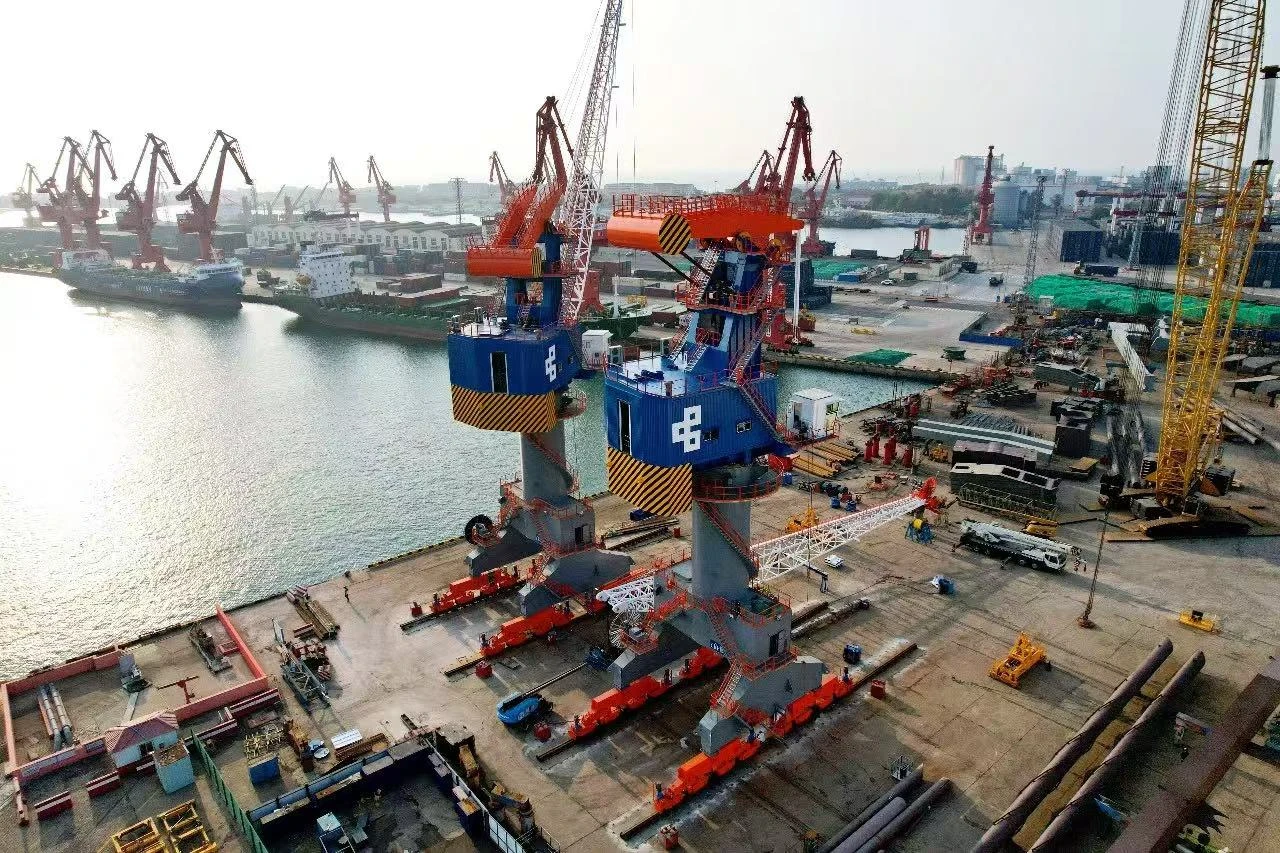
You can prevent portal crane: end-stop impacts by properly training operators, installing robust end stops, and using high-quality bumpers or guards. CEGC designs portal cranes that not only comply with industry standards but also provide customized solutions to address specific needs related to portal crane: end-stop impacts and how to stop them. According to OSHA regulations, it’s essential to have stops and bumpers that absorb impact and ensure the safety of your team. Always adhere to these guidelines for safe and efficient operation of your CEGC portal crane.
Key Takeaways
-
Good operator training is very important. It helps stop mistakes that might cause end-stop impacts. - Use strong end stops and bumpers. They take in energy and keep the crane and workers safe. - Check and fix the crane often. This finds problems early and keeps the crane safe to use.
Causes of portal crane end-stop impacts
Operational errors and human factors
You help stop end stops impacts. Many accidents happen when operators use end stops to stop instead of using controls. This wears out parts early and can break the crane. Other mistakes include letting too much overhang past the track hanger. This makes upward forces and raises injury risk. If end stops are not installed right, it is unsafe. Operator skills are different, so training is needed for safe crane use.
-
Using end stops to stop hurts the crane.
-
Too much overhang makes impacts more likely.
-
Bad installation can make equipment fail.
Mechanical failures and control issues
Mechanical problems in cranes can cause end stops impacts. Worn brakes, broken limit switches, or bad control systems may not stop the crane in time. If you do not take care of safety end stops and bumpers, collisions can happen. OSHA says all cranes must have good end stops and bumpers to keep people and equipment safe. Checking and fixing cranes often helps you avoid sudden problems.
Environmental and load conditions
Things like wind and load sway make crane use harder. Even a small breeze can swing a hanging load. In places with strong wind, big gusts can move the load and crane. This makes end stops impacts more likely. For example, wind at 14m/s can push a load to the side. This makes it harder to control and can cause overload. Watching wind and changing how you work helps you stay safe.
Tip: Always check the weather before using cranes. This lowers the chance of end stops impacts and injury.
Preventing end-stop impacts: proper crane end stops and bumpers
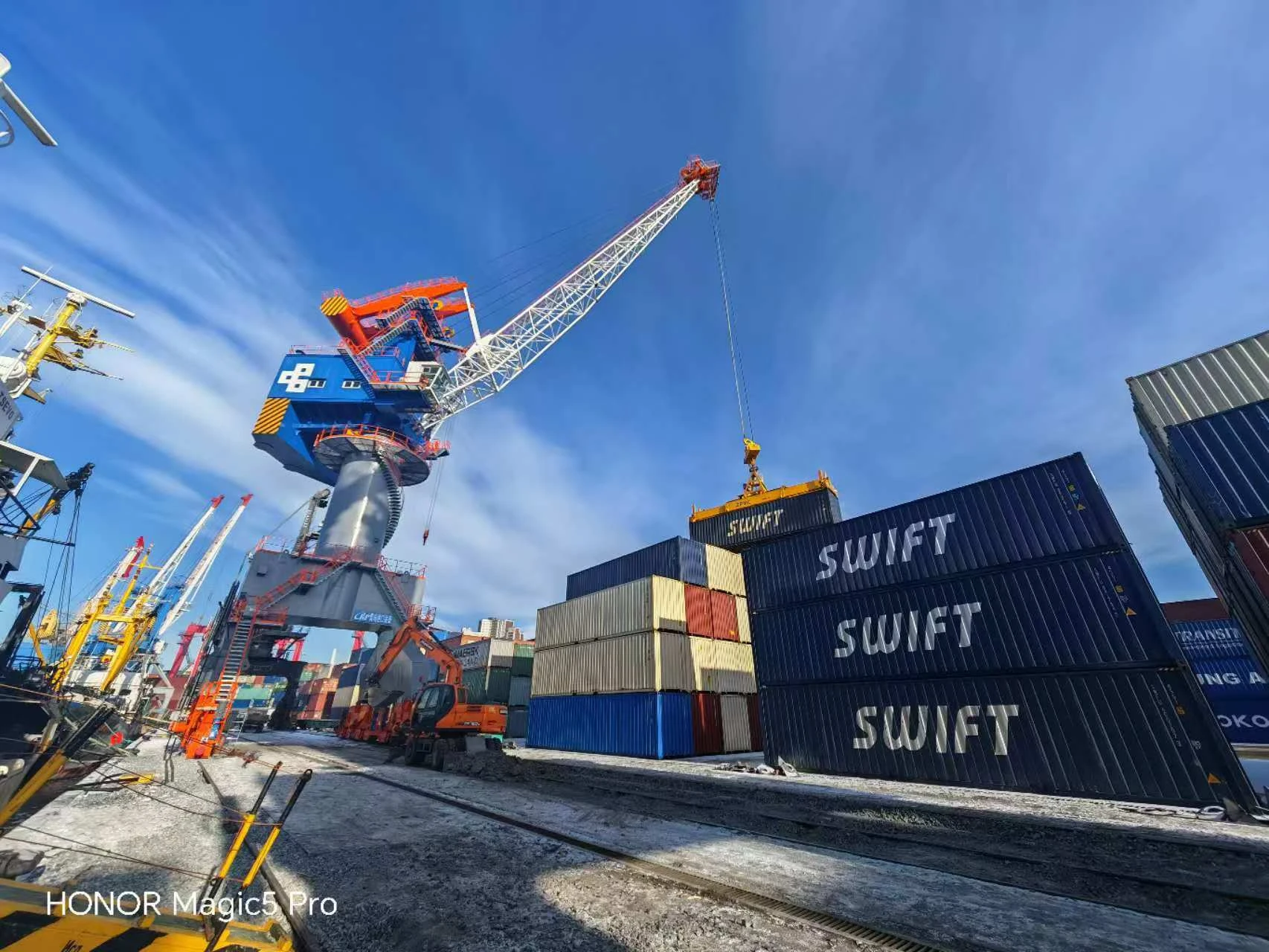
Operator training and safe practices
You help keep cranes safe. Training teaches you how to avoid mistakes. Always check limit switches before lifting. Make sure the load is not too heavy. Know where the center of gravity is. Attach the load above the center for balance. Pick the right hitch to control the load. Look at all rigging before you use it. Protect slings from sharp corners. Start and stop slowly. Watch for things in the way. Check that the path is clear before lifting.
-
Safety talks remind you about safe crane use.
-
Training helps you remember good habits.
-
Only trained operators should use cranes.
-
Yearly tests keep your skills strong.
-
Retraining is needed after near-miss events.
A trained team helps stop accidents.
Installing proper crane end stops
Good crane end stops are important for safety. Install end stops that follow OSHA 1910.179 rules. End stops and bumpers must absorb energy and stop the crane safely. The slowing rate should not be more than 3 ft/s/s at 20% of load speed. The system must stop the crane at 40% of load speed. Trolleys need bumpers unless they work under special safe conditions. Always check if your end stops meet these rules.
Limit switches and sensors help control crane movement. They stop the crane before it reaches the end. When the crane gets close, a safety rod can trigger a switch to stop it. In fast work, a two-stage limit switch slows the crane first, then stops it. This keeps your equipment safe.
Using bumpers and guards for impact absorption
Bumpers and guards protect your equipment by absorbing energy. You should put them in key places. These include bridge and trolley bumpers, gantry crane carts, trolley running mechanisms, track ends, and the luffing mechanism of the portal crane. The table below shows where to install these devices:
|
Role |
Should be installed in |
|---|---|
|
Designed to absorb the energy of the moving mechanism and reduce impact |
Bridge crane, gantry crane cart, trolley running mechanism, track end, luffing mechanism of the portal crane |
Bumpers and guards lower the force of crashes. This keeps cranes and workers safe.
Advanced safety systems and anti-sway control
Advanced safety systems help prevent end stops impacts. Collision avoidance systems use sensors to slow and stop cranes before hitting anything. No-fly zone systems let you set areas where cranes slow down or stop.
Anti-sway control keeps the load steady. The anti-sway function controls the swing angle within ±0.25 degrees. This cuts load sway by up to 95%. You get fewer accidents and less damage. Sway control also makes work faster by up to 50%. CEGC offers anti-sway control and safety interlocks in their portal cranes. You get alarms and updates on your control screen.
Regular inspection and predictive maintenance
You must check your cranes often. Daily checks are important for cranes used a lot. Look for problems in the hydraulic system and hoist chains. Periodic checks help find long-term wear. Annual checks by experts are needed. If you use cranes in tough places, check them every day. Cranes used less can have fewer checks.
CEGC’s predictive maintenance uses smart tools to watch equipment health. Early warnings help you fix problems before accidents happen. This lowers downtime and risk of end stops impacts.
Common mistakes to avoid
Avoid these common mistakes:
-
Using end stops to stop the crane instead of controls.
-
Skipping checks or ignoring small problems.
-
Not training or retraining operators after near-miss events.
-
Not installing proper crane end stops or using wrong bumpers and guards.
-
Overloading the crane or not checking the center of gravity.
You must follow OSHA and industry rules. These rules make sure cranes have the right safety features. Following safety tips can stop most crane accidents.
Tip: Always use proper crane end stops, bumpers, guards, and advanced safety systems. Training and checks keep your team and equipment safe. CEGC can make solutions for your port machinery to fit your needs.
You can stop end-stop impacts by using the right crane end stops and bumpers. Operator training is also important. Advanced safety systems help keep cranes safer. Regular maintenance makes your portal crane work well. To keep checking your crane, follow these steps:
|
Step |
Description |
|---|---|
|
1 |
Do a first survey |
|
2 |
Make a program plan |
|
3 |
Put in sensors |
|
4 |
Build the wiring |
|
5 |
Start up the system |
|
6 |
Teach people how to use it |
Always pay attention and follow safety rules. Build a team that cares about safety. CEGC can give you special help for your port machines.
FAQ
What is the main cause of end-stop impacts in portal cranes?
You often see end-stop impacts when operators use end stops to stop the crane. Lack of training and worn parts also increase risk.
How do bumpers help prevent damage?
Bumpers absorb the energy from a moving crane. You protect both the crane and the structure.
Tip: Always check bumpers for wear before use.
Can CEGC customize portal cranes for special port needs?
Yes! You can ask CEGC for project-based customization.
|
Feature |
Custom Option |
|---|---|
|
Capacity |
Yes |
|
Anti-sway |
Yes |
|
Corrosion grade |
Yes |


