
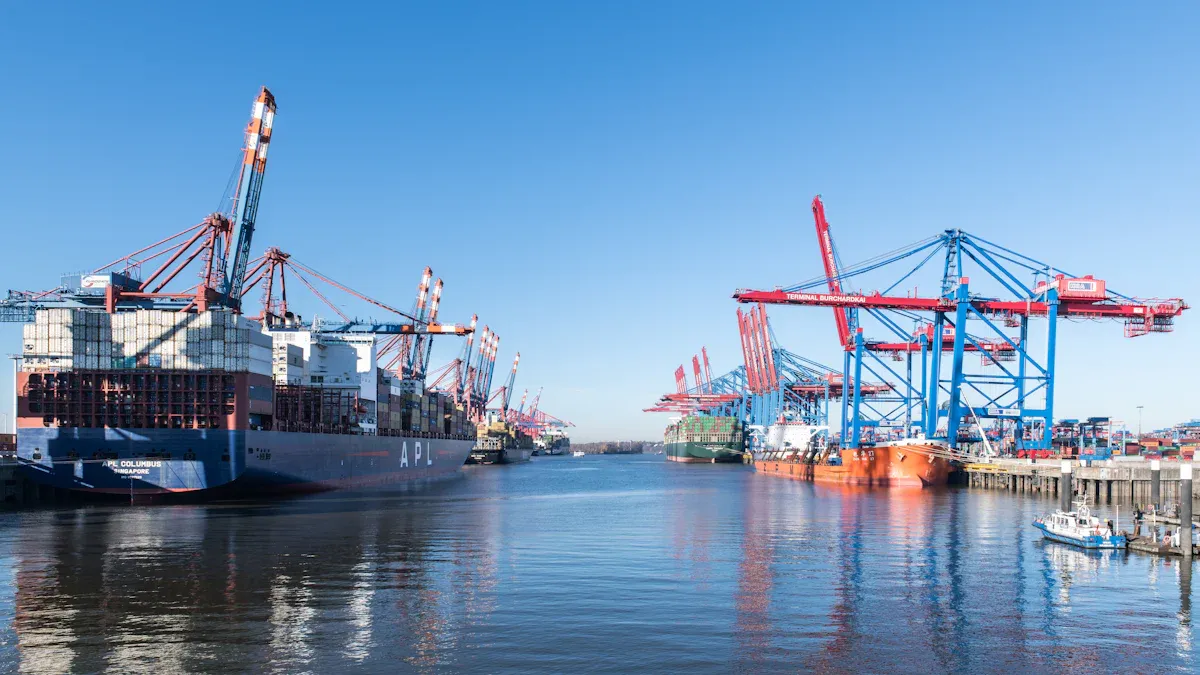
If your portal crane experiences end-stop impacts, you’re facing a real safety risk and potential costly damage. CEGC offers both standard and customized solutions to address portal crane: end-stop impacts and how to stop them, ensuring your equipment operates safely and efficiently. Limit protection systems from CEGC help prevent expensive repairs and extend the life of your brakes. With CEGC, you get safer operations, improved performance, and peace of mind knowing your portal crane is protected from end-stop impacts every day.
Key Takeaways
-
Use limit protection systems to stop end-stop crashes. This lowers the chance of expensive fixes and makes cranes safer.
-
Try predictive maintenance with real-time checks to find problems early. This helps cut down on stoppages and saves money on repairs.
-
Pick the right limit switches for your crane’s size and work. Choosing well keeps things running smoothly and helps your brakes last longer.
Portal crane: end-stop impacts and how to stop them
What are end stops?
End stops are devices that keep cranes from moving too far. You can find them on every portal crane, container crane, and ship crane. End stops stop cranes from going off the runway beam or hitting other cranes. They also show where cranes should move in the same aisle. Bumpers and guards take in the shock and protect the crane and the building. Using crane end stops lowers the chance of accidents and injuries.
|
Section |
Description |
|---|---|
|
2-1.8.1 |
|
|
2-1.8.2 |
Bridge and Gantry Bumpers |
|
2-1.8.3 |
Trolley Bumpers |
Why end-stop impacts matter
Portal crane: end-stop impacts and how to stop them is important for safety. If a crane hits an end stop hard, it can break the crane, the load, or the building. This can cause downtime, costly repairs, or someone getting hurt. Cranes in busy ports face more risks from wind, swinging loads, and different operator skills. Portal crane: end-stop impacts and how to stop them also change how fast and well cranes work. You need safety end stops and bumpers to follow rules and keep your site safe.
-
Crane stops keep cranes from falling off the runway beam.
-
End stops show paths for cranes so they do not crash.
-
Bumpers take in shock and spread out energy to protect cranes and buildings.
Proper crane end stops for safety
You need proper crane end stops to stop portal crane: end-stop impacts and how to stop them. CEGC makes cranes like container cranes, ship cranes, and reach stackers to meet rules. These cranes use many safety interlocks, anti-sway control, and operator-focused HMI. Features like dynamic braking, micro-speed control, and sway control help avoid portal crane: end-stop impacts and how to stop them. Operator cabins have wide glass, comfy seats, and emergency stops close by. These features make cranes safer and easier to use. When you focus on portal crane: end-stop impacts and how to stop them, you keep your team and equipment safe.
Limit protection and brake wear reduction
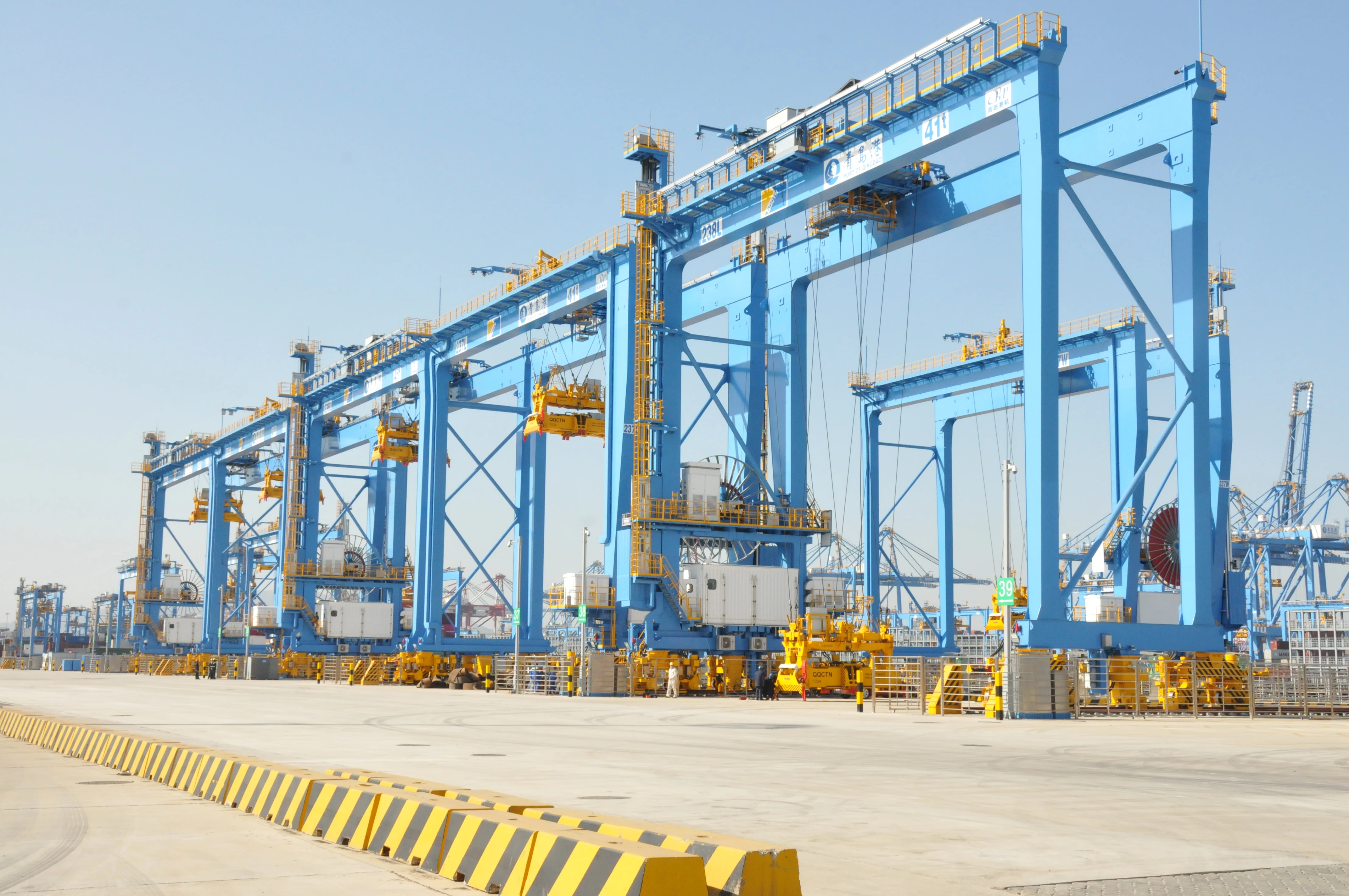
Limit switches and sensors
Limit switches and sensors help keep your cargo crane safe. They stop the crane before it gets too close to danger. You can pick different limit switches for your crane’s size and job. Small and medium cranes use single-speed switches. These switches stop the crane fast and cost less. Big or heavy cranes use double-speed switches. These switches slow the crane down gently and protect the crane’s parts. The table below shows the main types and what they do:
|
Type of Switch |
Ideal Use Case |
Key Features |
|---|---|---|
|
Single-Speed (180°) |
Small to medium cranes (under 10 tons) |
Immediate stop, cost-effective, suitable for less critical environments |
|
Double-Speed (360°) |
Large or heavy-duty cranes needing smooth stops |
Gradual deceleration, reduces mechanical stress, required for precise positioning needs |
Modern limit protection uses smart sensors. These sensors watch the load, boom angle, and where the crane is. They help keep the crane in safe areas and stop crashes. CEGC gives you sensor sets you can change, anti-collision zones, and different automation levels. You can pick what fits your port cranes best.
Controlled stopping vs. emergency braking
Controlled stopping uses limit protection to slow and stop the crane smoothly. This helps avoid hard, sudden stops. When you use controlled stopping, the brakes last longer. Limit protection often uses regenerative braking. This turns the crane’s movement into energy you can use later. It helps the system get ready for emergencies and saves the brakes.
Emergency braking is when the crane must stop very fast. This puts a lot of pressure on the brakes. The brakes can wear out faster and need more repairs. Using limit switches, sensors, and control systems helps you use controlled stopping more. You will not need emergency braking as much. This keeps your crane in better shape and saves money on repairs.
You also get features like anti-sway control and auto-landing. These help you move loads more accurately and avoid crashes. CEGC’s solutions give you real-time monitoring and speed control based on the load. These tools help your crane work safely and smoothly.
Predictive maintenance and energy efficiency
Predictive maintenance uses data from sensors to find problems early. Real-time monitoring warns you about issues before they stop your crane. You can plan repairs and keep your crane working longer. The table below shows the main benefits of real-time monitoring and remote checks:
|
Benefit |
Description |
|---|---|
|
Boost Uptime |
24/7 monitoring and early fault detection minimize disruptions and maximize operational efficiency. |
|
30% Savings on Maintenance |
Optimize maintenance schedules and spare parts management to reduce unplanned repairs. |
|
Improved Safety |
Proactive maintenance reduces human presence in hazardous environments, ensuring safety and equipment longevity. |
|
Enhanced Operational Efficiency |
Real-time data enables proactive crane health management, reducing costly breakdowns. |
|
Efficiency |
Remote diagnostics enhance troubleshooting speed, leading to quicker resolutions. |
|
Reduced Downtime |
Prompt maintenance through remote support minimizes operational downtime. |
Remote diagnostics let your team check the crane from anywhere. If there is a problem, experts can help right away. They send alerts and help fix small issues fast. If you need parts, they can be sent quickly. The service team comes ready to fix things. This saves time and means fewer trips to the site. Your crane stays ready for work.
Marine-grade durability is important for cranes at ports. CEGC makes limit protection with strong coatings and special metals. These protect your crane from salt, wind, and water. Your crane lasts longer and costs less to fix.
A good maintenance plan keeps costs low and your crane working. Upgrading your crane and using resources well helps your business last. Buying advanced limit protection may cost more at first. But you get better safety, more work done, and save money over time. CEGC gives you the tools and choices to keep your port safe and your costs down.
When you put in the right crane end stops and limit protection, your crane is safer and works better. CEGC gives you port machines you can change to fit your needs. These machines help you find problems early and last longer near the ocean.
-
No-fly zones and motion control help stop crashes.
-
Checking cranes every day and fixing them early keeps them working well and saves money.
FAQ
How does limit protection help reduce brake wear?
Limit protection makes your crane slow down before end stops. This means the crane does not stop suddenly. The brakes do not wear out as fast. You spend less money fixing them.
Can you customize limit protection for different crane types?
-
Yes, you can pick different sensor sets and anti-collision zones. You can also choose how much automation you want. CEGC has options for container cranes, ship cranes, and reach stackers.
What maintenance benefits do CEGC’s systems provide?
|
Benefit |
How it helps you |
|---|---|
|
Early detection |
You can find problems early. |
|
Remote support |
Experts can help you very fast. |
|
Fewer repairs |
Your crane is ready to use. |


