
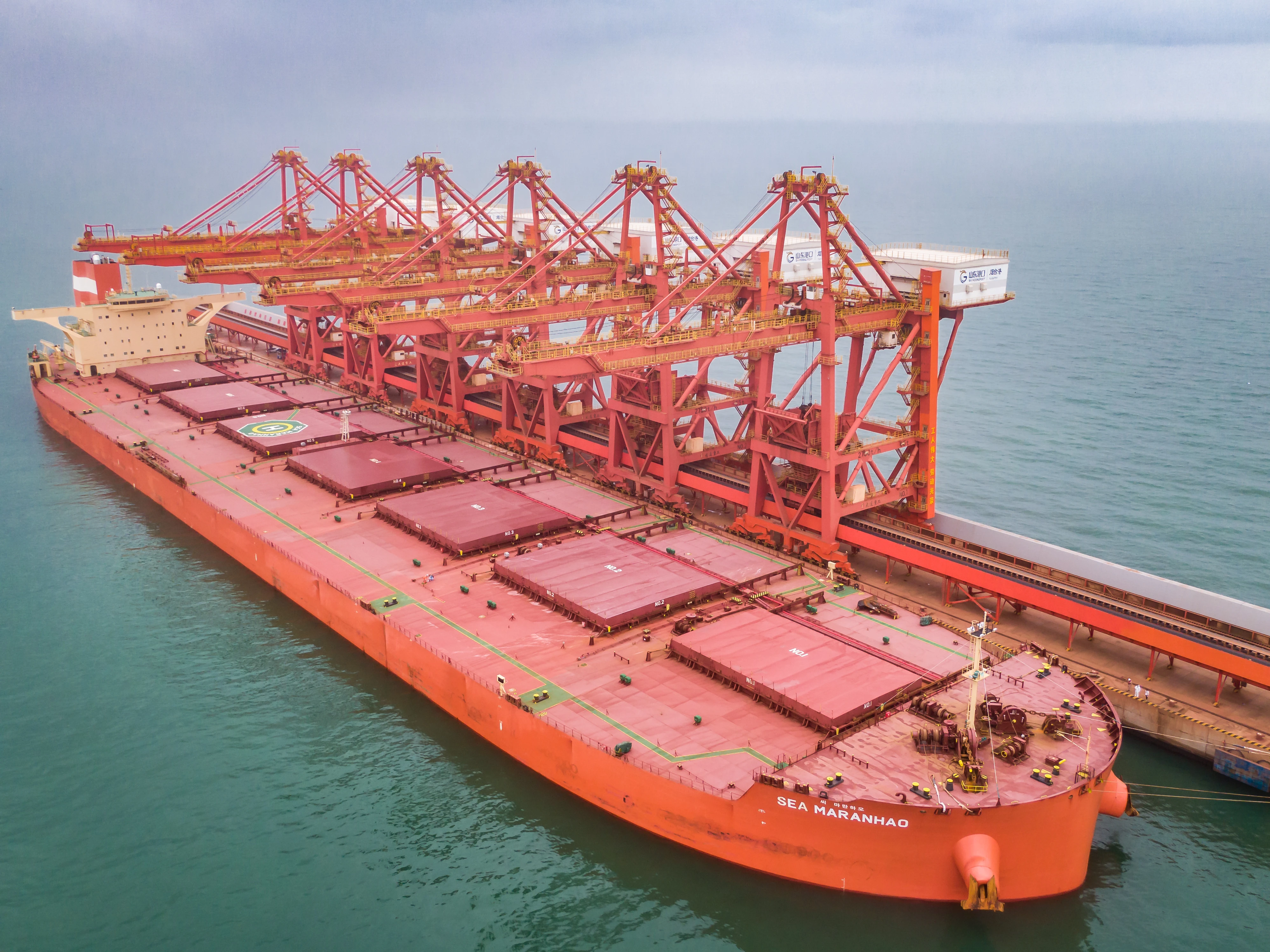
You have a bigger problem with empty containers in ports. Reduce empty runs with smarter container handling equipment to enhance your port's efficiency. CEGC provides excellent solutions for container cranes and lifting equipment. You can trust these innovative systems to address safety and efficiency challenges effectively.
Key Takeaways
-
Use real-time tracking tools to see where containers are. This helps stop delays and makes planning better.
-
Try automated scheduling systems to move containers on time. This lowers wait times and makes things work faster.
-
Use data to make smart choices and find patterns. This helps improve how containers are managed and saves money.
The Empty Container Problem in Logistics
Operational and Financial Impact
Managing containers at your port is tough. Long dwell times make work slow. This lowers how well your port works. Containers stay too long at depots. This causes crowding and delays. You must watch for risks like insertions and smuggling. Empty containers are harder to check. Illegal things can happen during transit. Money risks grow if delays or damage cause lost deposits. These problems hurt your supply chain. They make supply chain performance worse. You need a plan to make empty containers easier to use. Better logistics planning cuts costs and helps the environment.
Tip: Start with better tracking and handling of containers to improve efficiency and sustainability.
Causes of Empty Runs
Trade imbalances mean ports have too many or too few containers. European and American ports often have extra empty containers. Asian ports do not have enough. This imbalance causes crowding and higher costs. Mathematical models for empty container allocation are hard to use every day. Quick re-use of import containers for exports stops empty runs. If you cannot re-use containers, truckers must get empty containers. This raises transport costs and hurts sustainability. You must focus on empty container availability. This keeps your supply chain moving and makes your port work better.
-
Empty container availability helps cut empty runs and supports better logistics planning.
-
You can help the environment by using containers better and improving your logistics plan.
Reduce Empty Runs with Smarter Container Handling Equipment
Real-Time Tracking and Visibility
You can cut empty runs by using smarter container handling equipment. Real-time tracking tools show you where your containers are. You always know the location of each container. This helps you plan better and use your resources well. Real-time visibility stops delays and extra moves. You can follow containers as they go through your port. This makes managing containers easier and faster. Tracking also lowers handling costs and helps reuse containers for exports. When you automate drop-off and pick-up requests, you make fewer mistakes. Your operations stay smooth. These tools give you better visibility. You can react quickly to changes in your yard.
Note: Real-time visibility is important for strong container management. It helps you cut empty runs with smarter container handling equipment.
Automated Scheduling and Dispatch
Automated scheduling and dispatch systems help you cut empty runs. They make sure the right containers move at the right time. Smart algorithms plan moves and assign tasks to your equipment. This includes portal cranes, container handlers, and reach stackers. You can use your equipment better and cut dwell times. Containers spend less time waiting and more time moving. Automated scheduling stops truck-side congestion. It keeps vessel schedules on track. Predictive scheduling lowers terminal access charges. Your port stays on time. This makes container management reliable and efficient.
-
Automated scheduling boosts efficiency. It helps you cut empty runs with smarter container handling equipment.
-
You can trust these systems to keep your yard and fleet moving without delays.
Data-Driven Decision Making
You can make better choices with data-driven decision making. Smart container handling equipment collects data from every move. This gives you insights into how your port works. You can see patterns, spot problems, and find ways to improve. Data helps you adjust workflows and match import and export containers. You can cut empty runs with smarter container handling equipment. With the right data, you act fast and make changes that save time and money. Data-driven tools set up alerts and track key performance indicators. You always know how your operations are doing.
Tip: Use data from your container handling equipment to guide your decisions. This improves your container management.
Integration with Yard and Fleet Management
You get the best results when you connect your container handling equipment with yard and fleet management systems. Integration lets you share information between cranes, reach stackers, and other machines. This helps you coordinate moves and avoid bottlenecks. Your yard stays organized. CEGC offers solutions that support workflow integration. Your equipment works smoothly with your systems. You can customize your setup to match your port’s needs. Choose the right capacity, span, duty cycle, and automation level. Market-standard specs give you reliable performance. Project-based customization handles special requirements.
-
Anti-sway control keeps loads steady and lowers accident risks.
-
Safety interlocks stop unsafe operations and protect your team.
-
Operator-centered HMI gives clear alarms and guides. Training is easier and operations are safer.
-
Motion coordination systems help you move containers quickly and smoothly.
|
Specification |
Details |
|---|---|
|
8000-11000 |
|
|
Wheel base (mm) |
4550 |
|
Engine options |
Volvo 214 hp/248 hp, Cummins 220 hp |
|
Transmission types |
Dana TE-14300, TE-14400 |
|
Emission standards |
EU3/Tier 3, EU4/Tier 4F, EU5 |
|
Operational efficiencies |
Lower fuel use, higher productivity |
|
Safety features |
Reverse warning systems, extra cameras or lights |
You can trust CEGC’s container handling equipment to deliver market-standard performance and safety. You can also customize your equipment for your port. By choosing the right solutions, you cut empty runs with smarter container handling equipment. You improve efficiency and make your container management better.
Improving Empty Container Availability
Strategic Planning and Forecasting
You can make empty containers easier to get by planning ahead. Good planning and forecasting tools help you guess what you will need. They also help you use your resources better. When you use digital API endpoints for terminal gate events, you can balance your inventory before problems happen. This makes managing containers faster and easier. Cloud architecture lets you see all your equipment in one place. You fix data problems and make smarter choices for your logistics plan. Empty container demand forecasting software stops your yard from getting too crowded. You do not need extra drop-off trips, so you save money.
Here are some good ways to help:
-
Vehicle Booking System (VBS) helps trucks get scheduled and lowers wait times.
-
Forecasting models like LSTM help you know when containers will be ready and plan better.
-
AI-driven forecasting makes transport schedules better and saves money.
-
Matching modules find old containers to use again, so you do not pay detention fees.
|
Evidence Description |
Impact on Empty Container Runs |
|---|---|
|
Digital API endpoints for terminal gate events |
Lets NVOCCs balance inventory early, making container management work better. |
|
Cloud architecture for centralized equipment visibility |
Fixes data problems and helps shipping lines plan better. |
|
Empty container demand forecasting software |
Stops yards from getting crowded and cuts extra drop-off trips and costs. |
Transport Management Platforms and Software
Transport management platforms and shipping software help you use containers better. These systems let you move more freight and make your work smoother. Smart cartonization and container optimization help you move things faster and stop slowdowns. Advanced algorithms make sure you use space well and do not waste shipments. You also keep loads safe and follow rules, so you do not have big problems.
When you connect with CEGC equipment, your work gets even easier. Automation moves containers faster and keeps gate lines short. Predictive maintenance keeps your machines working well. Smart dispatching matches trucks with crane cycles, so containers keep moving. You get better at planning and using your resources, which makes your work more efficient.
Technical Solutions for Port Machinery
Anti-Sway and Safe Lifting Control
Working in ports can be risky. Loads can swing and cause accidents. CEGC’s anti-sway and safe lifting control systems help stop these problems. These systems use smart technology to stop loads from moving too much. They also help put loads in the right place. This keeps your team and cargo safe. The equipment makes moves safer and helps avoid accidents. It also makes loading faster and more accurate. Multi-layer safety interlocks and operator-centered HMI make work easier and safer.
|
Solution |
Description |
Benefits |
|---|---|---|
|
No-Sway |
Stops motion and repositions using input shaping tech. |
Improved safety, high-precision moves, increased productivity, closed-loop control. |
|
Sway Control |
Reduces risk of accidents and improves load control. |
Greater precision, less risk of tipping, improved safety. |
-
Less load swing means safer work.
-
Better accuracy and faster cycles.
-
Fewer crashes and longer equipment life.
High-Throughput and Cycle-Time Optimization
You want to move more containers in less time. CEGC’s motion coordination and workflow integration help you do this. The system matches speed and power to the load and wind. This keeps things steady and stops slowdowns. Smart planning and new technology keep your yard neat and busy.
|
Key Factor |
Description |
|---|---|
|
Container Handover |
Good records and error checks stop delays. |
|
Avoid Misplaced Containers |
Good steps help workers find containers fast. |
|
Monitor Vehicle State |
Regular checks stop breakdowns and keep machines working. |
|
Shift Planning |
Matching shifts and machines moves more containers. |
|
Technology Integration |
New tech helps use resources well and work better. |
|
Terminal Layout |
Good design makes moving containers faster and easier. |
Marine Durability and Lifecycle Protection
Salt, water, and dust can hurt your machines. CEGC’s marine-grade anti-corrosion systems and strong design protect your equipment. You get regular checks and fix problems before they get big. This stops surprise breakdowns and keeps machines working longer. Fast repairs help you get back to work quickly.
-
Preventive care lowers the chance of failure.
-
Quick fixes mean less waiting.
Predictive Maintenance and Energy Efficiency
You can save time and energy with predictive maintenance and energy-saving upgrades. CEGC’s systems use AI and real-time data to watch machine health. You find problems before they break things. Variable-frequency drives and regenerative systems use less energy. Smart standby modes save power when machines are not working. Digital tools help you charge and use energy better for a greener port.
Tip: Predictive maintenance helps your machines last longer and keeps your port running well.
Implementation Strategies for Terminal Operators
Assessing Current Equipment and Processes
You should first learn about your current work. Find out where delays happen. Look for problems with tracking and inventory visibility. Try to see where work slows down. Use these steps to help you check your terminal:
-
Check what your terminal needs and find weak spots.
-
Make sure you can see real-time data.
-
Add automated tracking like RFID or barcodes to stop mistakes.
-
Make sure new tools work with your old systems.
-
Pick easy-to-use interfaces so people can learn fast.
-
Plan a smooth rollout and train your team in small steps.
Tip: A good check helps you find gaps and set goals for smarter container handling.
Selecting the Right Technology Partner
Picking the right partner for your container handling is important. You want a partner who helps you grow and keeps your systems safe. Use this table to compare what matters most:
|
Criteria |
Description |
|---|---|
|
Compatibility with infrastructure |
The solution should fit with your current IT setup. |
|
Multi-cloud support |
It should work across different cloud providers for flexibility. |
|
Scalability |
The system must handle more work as your port grows. |
|
Advanced automation and reliability for large deployments. |
|
|
Security and compliance |
Strong controls and industry-standard safety features. |
|
Ease of use |
Simple for all skill levels to use and maintain. |
Note: A strong technology partner like CEGC gives support, updates, and custom projects.
Training and Change Management
You need to get your team ready for new technology. Good training and change management make things easier. When you explain why you need automation, your team will understand. Training helps everyone use new systems with confidence. Talking openly stops confusion and builds trust. Careful planning lowers mistakes and keeps work moving. If you talk about worries early, you can keep your team strong.
-
Training helps people learn and make fewer mistakes.
-
Change management helps your team use new tools.
-
Good communication keeps everyone working together.
Remember: Helping your people learn ensures long-term success with smarter container handling equipment.
Case Studies: Success with CEGC Solutions
Major Port Authority Optimization
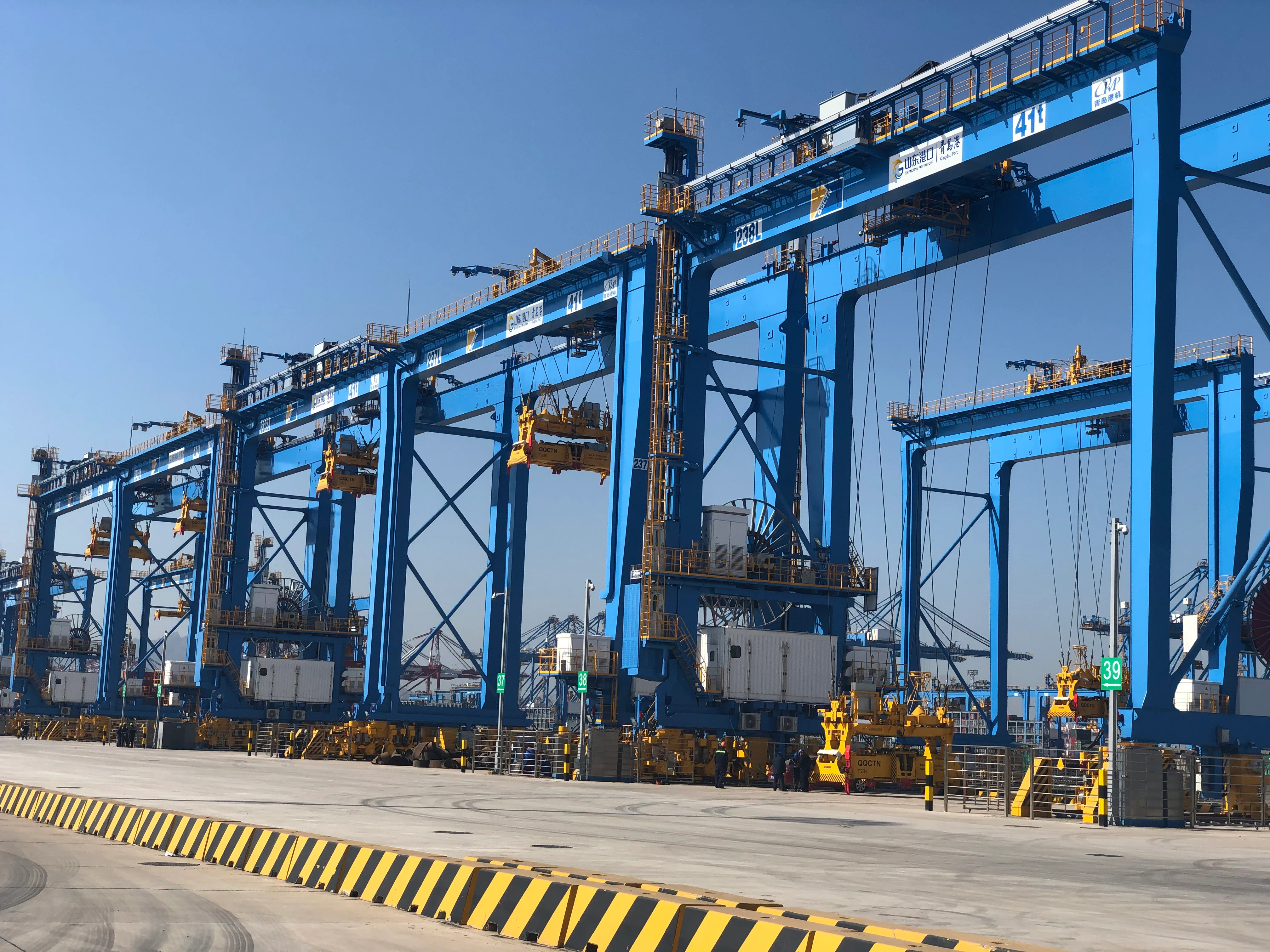
When ports use CEGC solutions, they see big improvements. Many port authorities now work better with advanced container handling equipment. At Qingdao Port, a fully automated container stacker crane made the terminal more automated. Other ports use container gantry cranes to move cargo faster and have fewer delays. Safety is better too. Smart equipment makes logistics easier and safer for everyone.
Here is a table that shows how CEGC solutions help major ports:
|
Project |
Equipment |
Benefits |
|---|---|---|
|
Qingdao Port Automated Terminal |
Fully automated container stacker crane |
Achieved three independent breakthroughs in automation |
|
Various ports |
Increased cargo handling speed, reduced delays, improved safety |
|
|
Various terminals |
Container handling equipment |
Reduced gate queues, sped up truck processing, enhanced terminal efficiency |
These upgrades make logistics easier and more reliable.
Regional Terminal Efficiency Gains
Regional terminals also get better with CEGC solutions. You can move containers faster with container handlers and reach stackers. These machines help keep your yard neat and organized. Truck processing is quicker, so you do not have long lines at the gate. Better logistics help your terminal work well and support local businesses. CEGC equipment gives you more control over your work. You can plan moves, track containers, and keep things running smoothly. Logistics gets easier, and you finish more work each day.
Tip: Smart container handling equipment helps you fix logistics problems and build a stronger terminal.
Actionable Steps to Solve the Empty Container Problem
Immediate Actions for Operators
There are things you can do right now to help. Try transloading. This means putting goods from different shipments into one container. You move more items with fewer trips. Backhauling is another way to help. You can sell empty space on trucks going back. This lowers the number of empty trips. Better supply chain visibility helps you track containers. You can find problems sooner and fix them fast. These steps save money and make your work easier.
-
Use transloading to put shipments together and take fewer trips.
-
Sell extra space with backhauling to cut down on empty trips.
-
Make supply chain visibility better to track containers and solve problems quickly.
Tip: Small changes in your process can give quick results and help your team work better.
Long-Term Strategies for Sustainable Results
You need good plans for the future to keep things working well. IoT-enabled monitoring gives you real-time data about your containers. Sensors and smart locks help keep cargo safe and let you watch every move. Digital platforms show you where containers are all the time. Automated alerts tell you if a container stays too long. You can act fast when this happens. Digitizing returns helps protect deposits and stops arguments. When port and customs systems work together, logistics gets easier for everyone.
-
Use IoT sensors and smart locks to track containers in real time.
-
Set up digital platforms to watch containers all the time.
-
Make automated alerts for dwell time so you can act fast.
-
Digitize returns to keep deposits safe and make things faster.
-
Connect port and customs systems to make logistics smoother.
Note: Planning ahead helps your port have a stronger and more reliable supply chain.
You can fix the empty container problem with better equipment and good planning. CEGC has solutions that use AI to help plan better. Electric machines make work cleaner and greener. Accurate forecasting means you have fewer empty runs.
-
AI helps you plan faster and smarter
-
Electric equipment saves money and cuts pollution
-
Forecasting helps you use your resources well
Check what you have now. Talk to CEGC for custom solutions.
FAQ
What is the main benefit of using CEGC container handling equipment?
You can move containers faster and safer. The equipment makes your work more reliable. CEGC helps you have fewer empty runs. Your port works better and gets more done.
How does anti-sway control improve safety?
Anti-sway control keeps loads from swinging. This helps stop accidents. It also lets you put containers in the right spot. Your team stays safer while working.
Can you customize CEGC equipment for special port needs?
Yes, you can pick what you need. You choose how much it lifts and how wide it is. You also pick how often it works and how much is automated. CEGC can make special changes for your port.


