
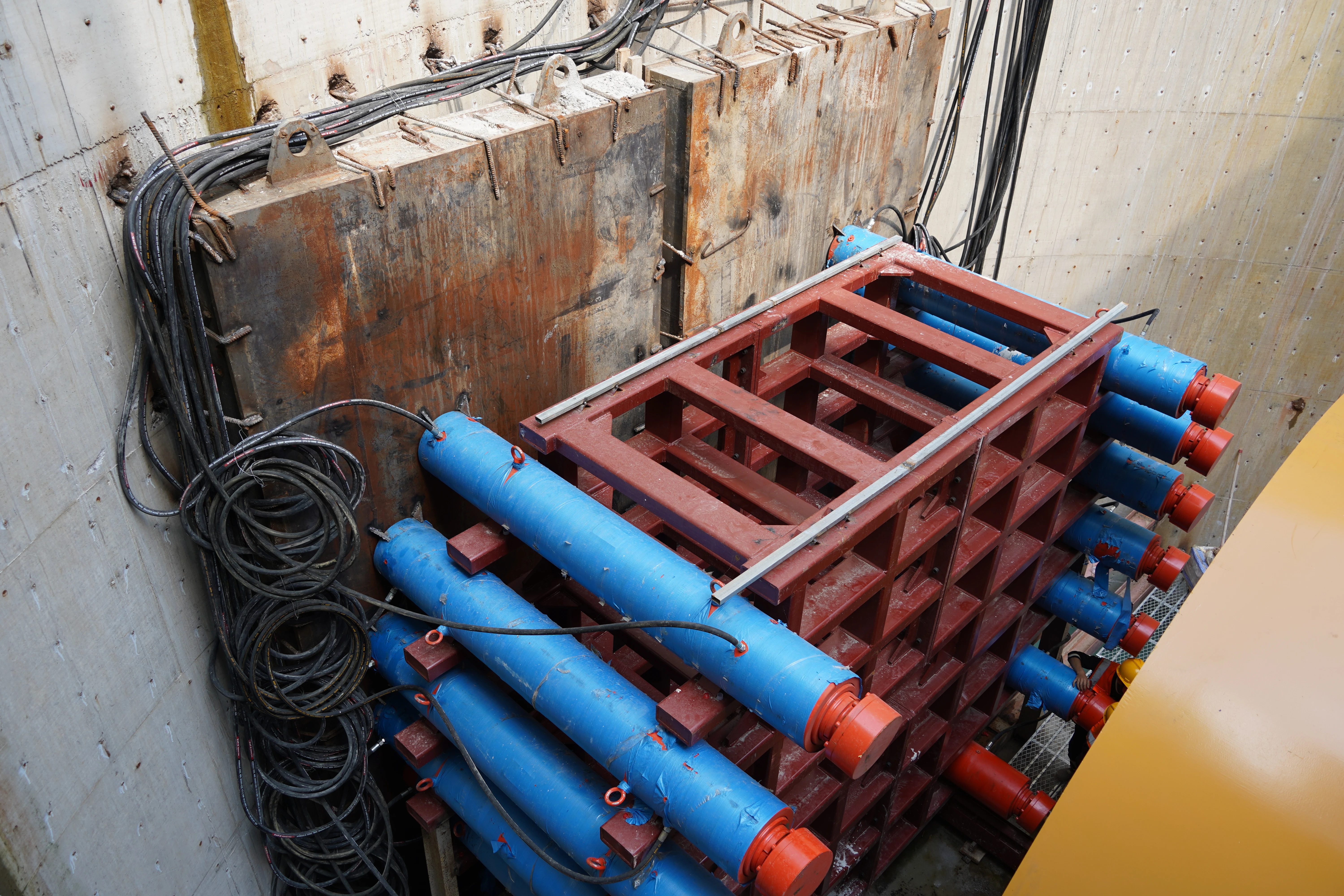
Sensor drift can break yaw control on a TBM machine, making precise tunnel alignment a challenge. Exact yaw control is essential to ensure your tunnel machine stays on course, especially in congested urban environments or challenging ground conditions. With CEGC tunnel boring machines, you maintain reliable yaw control and keep your project safe from alignment issues. This helps you avoid costly delays and safety concerns, ensuring your TBM machine delivers consistent performance throughout your tunneling project.
Key Takeaways
-
Check your TBM sensors often to stop sensor drift. Finding problems early keeps yaw control correct. It also stops expensive alignment errors.
-
Use maintenance and monitoring based on the sensor’s condition. This method helps your TBM work well. It lowers the chance of project delays.
-
Use smart guidance systems like laser and IoT technology. These tools make accuracy better. They give real-time data to help your tunneling project stay on track.
Yaw Control and Sensor Drift in TBM
What Is Yaw Control
Yaw control helps you keep your TBM facing the right way. It uses gyroscopes to check the TBM’s angle as it moves. The gyroscope spins and its axis moves because of the Earth. This tells you the yaw angle. Inclinometers check roll and pitch, so you can steer the TBM well. These tools help you fix problems before they get worse. They also help you watch the TBM’s condition and keep it working well.
How Sensor Drift Happens
Sensor drift can make your TBM go off track. Drift means sensors slowly give wrong readings over time. Dust, shock, and vibration can hurt sensors in tunnels. Heat and bad chemicals can also cause problems. Old machines and old systems make things harder. When drift happens, you may see mistakes in TBM guidance. This makes it important to check for problems often. You need to look for drift early with regular checks.
Here is a table that lists common sensors for yaw control in TBM tunneling:
|
Sensor Type |
Advantages |
Disadvantages |
|---|---|---|
|
Gyroscope Guidance System (TMG-32B) |
Low cost |
Needs regular calibration, poor stability, low accuracy |
|
Prism Guidance System (ROBOTEC, PPS, RMS-D) |
Simple structure, low cost |
High installation requirements, poor real-time performance, low precision |
|
Laser Target Guidance System (ZED, TUnIS) |
Long measurement distance, high precision |
Prone to errors, improper installation |
|
Visual Measurement Guidance System |
Large field of view, good real-time performance |
Still in research stage, limitations in engineering application |
Why It Matters for TBM Alignment
Yaw control keeps your TBM on the right path. If you lose yaw control, your TBM can go the wrong way. This causes mistakes, extra work, and delays. You need to check the TBM often to find problems early. Regular checks and looking for faults help your TBM work well. CEGC gives you good solutions for safe and steady tunneling. With the right tools, your TBM can stay on track and finish the job.
Sensor Drift Can Break Yaw Control on a TBM Machine
Impact on Machine Alignment
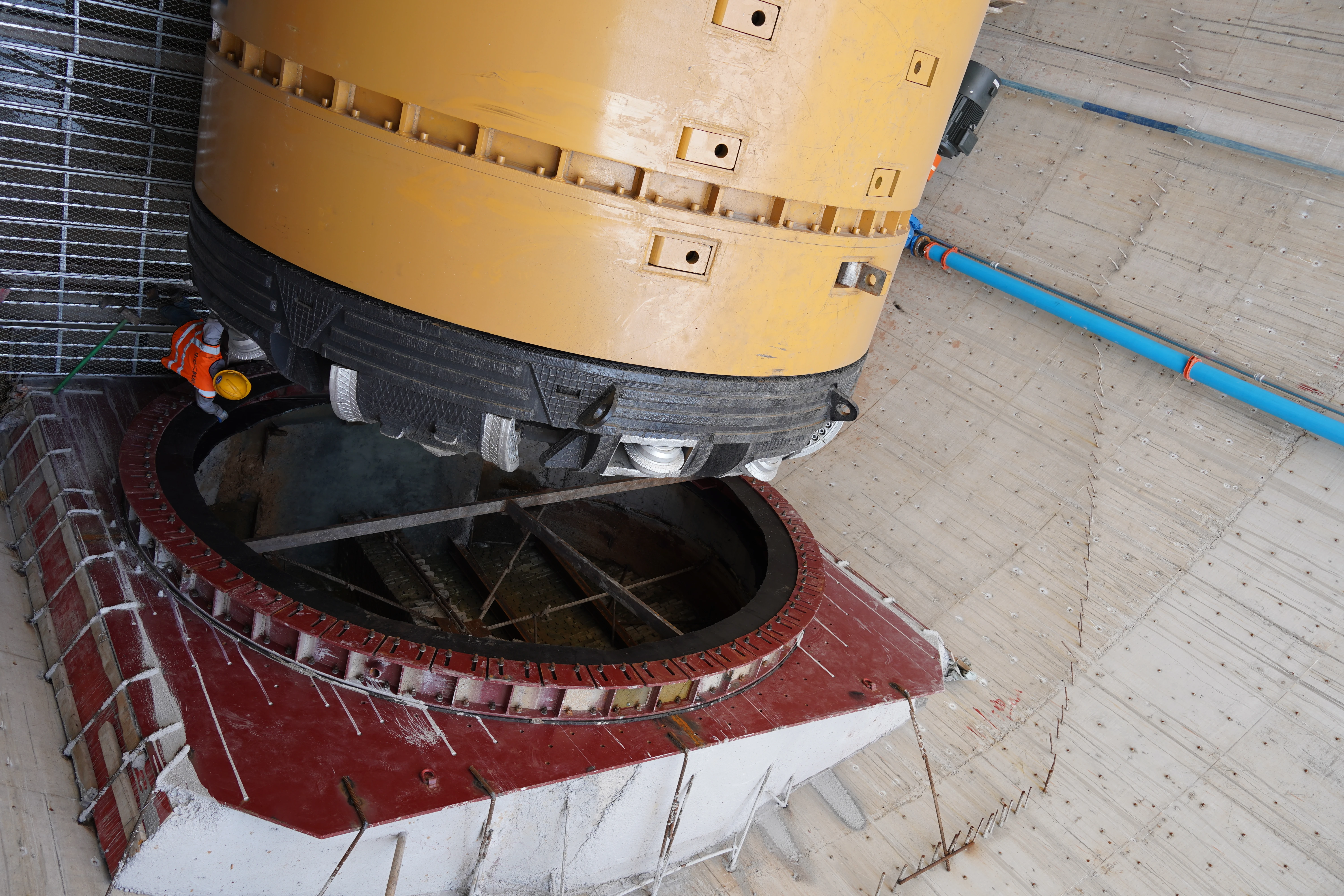
It is important to know how sensor drift can break yaw control on a TBM machine. When you use a tunnel boring machine, you need sensors to keep it moving the right way. Over time, these sensors might start to give wrong numbers. These mistakes add up as you keep tunneling. Your TBM might slowly move away from the planned path. The longer you tunnel, the bigger the mistake gets. Your tunnel machine could end up many meters away from where it should be. Sometimes, the angle of your TBM can be off by a few degrees. This can cause big problems for your project.
-
Sensor drift can break yaw control on a TBM machine by causing:
-
Position mistakes that get worse as you keep tunneling.
-
Errors that add up and make your tunnel go off track.
-
Position mistakes between 1 and 10 meters and angle mistakes from 1 to 5 degrees.
-
Harder calibration because the underground area changes a lot.
-
You need to use condition-based maintenance and condition monitoring to find these mistakes early. If you do not, you might lose control of your TBM. This can make your tunneling project unsafe and cost more money.
Failure Scenarios and Risks
When sensor drift can break yaw control on a TBM machine, you face many risks. Your machine might get stuck or move very slowly. Sometimes, you have to stop and dig by hand to fix things. This takes a lot of time and money. You might also see the ground above your tunnel sink. This can hurt roads, buildings, or pipes. Project delays happen more when you lose yaw control. You might not finish your tunneling work on time. Owners and workers can get extra costs and claims.
Tip: Watch for signs that yaw control is not working. These signs are sudden changes in tunnel direction, uneven ground above the tunnel, and slow progress. Use condition-based maintenance and condition monitoring to find these problems early.
Here is a table that shows what can happen to your TBM if sensor drift is not fixed:
|
Effect of Sensor Drift |
Description |
|---|---|
|
Can make you stop work for no reason or miss safety problems. |
|
|
Project Costs |
Work takes longer and costs more because of stoppages. |
|
Safety Risks |
Missed readings can let dangerous ground problems happen, which is not safe for workers. |
|
Environmental Impact |
Things like heat and wetness can make drift happen faster. |
You need to use fault diagnosis and fault prognosis to keep your TBM safe. If you do not, you might see more problems and your TBM will not work as well. You must use condition-based maintenance to stop downtime and keep your tunneling work going.
Detecting and Preventing Sensor Drift
There are ways to find out when sensor drift can break yaw control on a TBM machine. You need to check your sensors often. Use condition monitoring and fault diagnosis to find problems before they get worse. Here is a table that shows some ways to find sensor drift:
|
Description |
Effectiveness |
|
|---|---|---|
|
Fiber Optic Current Sensor |
Uses a special technique to stop signal fading and sensitivity drift. |
Makes the variation much smaller, from 0.2883 to 0.027 |
|
Alternated Current Measurement |
Measures two parts of the current one after the other to keep sensitivity steady. |
Makes sensitivity drift much less than direct measurement |
You should also use new technology to stop sensor drift. Some choices are:
-
Laser-based and CCTV guidance systems. These give you real-time accuracy with lasers and cameras. You can make quick changes while tunneling.
-
IoT integration. You can use 30 to 50 sensors in your microtunnelling machine. This lets you watch your TBM all the time and use data to make it work better.
You must calibrate your sensors often. Regular calibration of laser guidance and sensor arrays keeps your TBM on track. This helps you stop drift and keeps your tunneling work safe. You should use condition-based maintenance and condition monitoring as part of your routine.
You can trust CEGC for guidance and steering solutions. CEGC gives you systems for fault diagnosis, fault prognosis, and condition-based maintenance. You get good alignment and high performance for your TBM. With CEGC, you can finish your tunneling project on time and avoid costly problems.
Note: Always use condition-based maintenance, condition monitoring, and regular fault diagnosis to keep your TBM working well. This will help you stop problems and make your tunneling work better every time.
Sensor drift can mess up yaw control on your TBM machine. You must check your sensors often and use smart guidance systems. This helps your tunnel machine stay on the right path. Here are some long-term benefits:
|
Benefit |
Description |
|---|---|
|
Smart systems give steady feedback and help you avoid mistakes in alignment. |
|
|
Operational Efficiency |
You finish your projects faster and save money. |
|
Safety Improvements |
Real-time data lets you find problems early and keeps workers safe. |
Pick CEGC for good tunnel alignment and less risk.
FAQ
What happens if you ignore sensor drift in your TBM?
You could lose control of your TBM. Sensor drift can make alignment mistakes happen. You might get more problems, spend more money, and have unsafe tunneling.
How does condition-based maintenance help TBM performance?
Condition-based maintenance helps you find problems early. This keeps your TBM working well. You can make it work better, stop long breaks, and skip big repairs.
Why is condition monitoring important for TBM tunneling?
Condition monitoring helps you watch your TBM’s health. You can find problems quickly. You use diagnosis and prognosis to plan fixes. This keeps tunneling safe and on time.


