
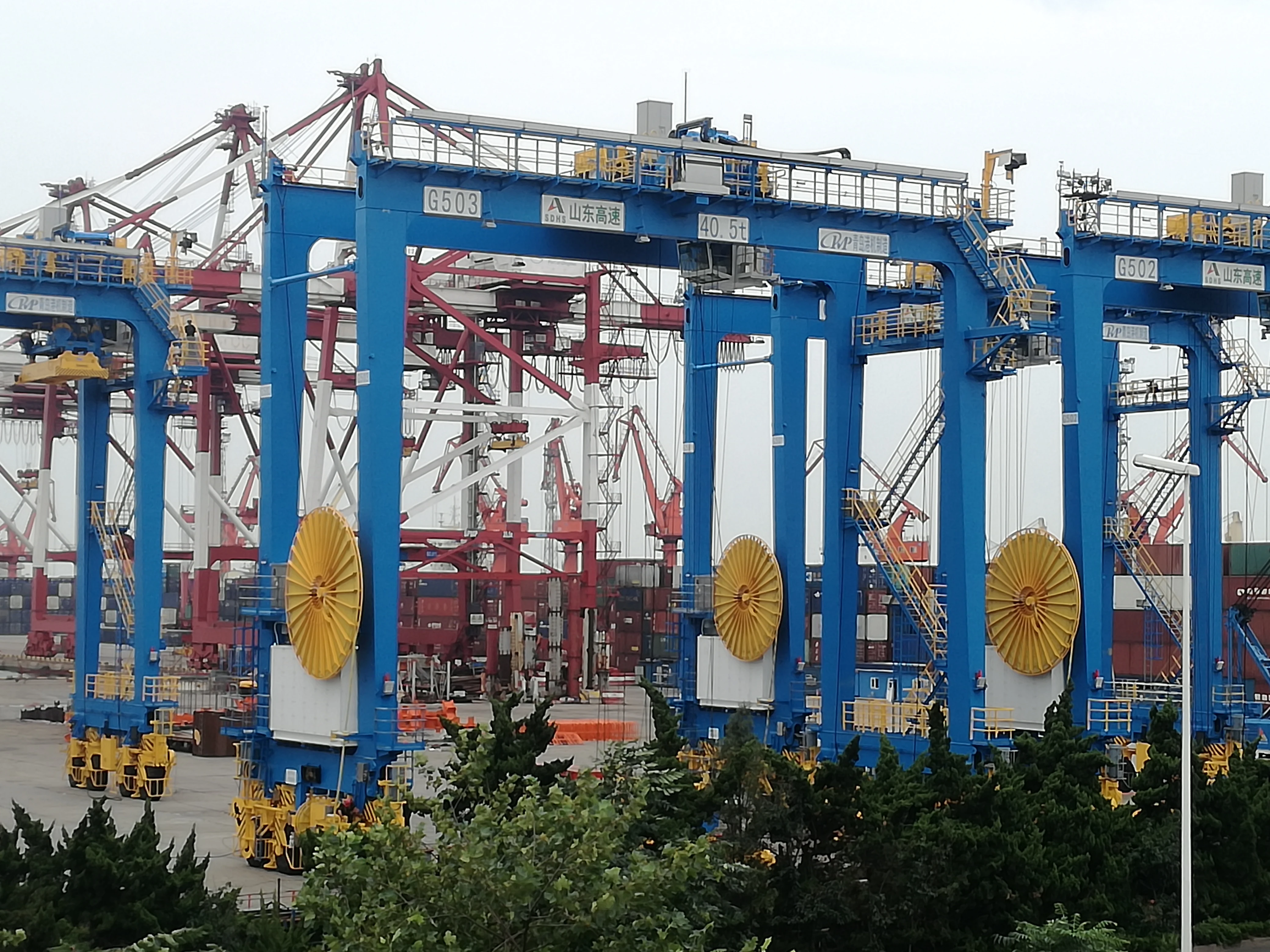
You face real dangers when using ship cranes or container machines.
-
82% of port accidents happen because people make mistakes
-
More than 9,500 claims involved lift trucks, quay cranes, and yard cranes, costing $425 million.
Using ship crane anti-collision sensors makes things safer and more efficient by reducing accident risks and helping with automation.
CEGC provides you with ship crane anti-collision sensors you should spec for dependable performance.
Key Takeaways
-
Anti-collision sensors help lower accident risks at ports. They make work safer and faster. - Pick sensors that fit your crane and how you use it. This helps stop crashes and keeps loads safe. - Check and fix anti-collision sensors often. This is important for them to work well and keep people safe, even in tough marine places.
Key factors for anti-collision sensors
Environmental and operational safety
There are many dangers when using cranes at ports. Waves make ships move, so lifting loads is harder. This can cause containers to swing more. Cold weather slows down hydraulic systems and makes ice, which is dangerous. Salt in the air causes metal to rust faster. This can make cranes weaker and less safe. Bad storms and lightning can break electrical parts. This makes lifting things even riskier. You also need to watch out for bad cargo handling, fires, and people falling overboard. Anti-collision sensors help keep everyone safe and work better. These sensors are a big part of your load safety system. They help stop accidents and keep cranes from getting overloaded.
Crane type and application
You must pick anti-collision devices that fit your crane and job. Ship cranes, container cranes, and reach stackers have different risks. Yard cranes can hit stacks or drop containers. Portal cranes and other machines move in special ways. They need sensors that match how they work. Anti-collision sensors should help with load safety and stopping crashes. Look for features like anti-sway control and safety interlocks. These make cranes safer and help them work better.
Sensor placement and coverage
Sensors need to be in the right spots to work well. You must put anti-collision sensors where they can see all danger areas. Place them at key points to spot load sway, wind, or mistakes. Safety interlocks split the crane area into zones. These zones are called Safety Zone, Warning Zone, and Danger Zone. This setup helps stop crashes and keeps the load safety system strong. You can also pick sensor sets that fit your needs.
Compliance and certification
You need anti-collision devices that follow safety rules. Pick sensors with the right certifications for your port. CEGC can help you get sensors that meet your needs. Their sensors are strong and have good load safety system features. Good anti-collision sensors help stop mistakes and make safety-critical systems better. They also help your cranes work better. You can feel safe knowing your cranes have the right protection.
Types of ship crane anti-collision sensors you should spec
Picking the right ship crane anti-collision sensors you should spec is very important for safety and how well your port works. You need to understand how each sensor works and which one is best for your cranes and jobs. The table below lists the main types of anti-collision devices and how they detect things.
|
Sensor Type |
Detection Principle |
Ideal Use Cases |
|---|---|---|
|
LIDAR |
Uses laser pulses to measure distances and map surroundings accurately. |
Effective in busy environments like ports. |
|
Infrared (IR) |
Detects heat signatures or reflects IR beams, functioning well in low visibility. |
Ideal for nighttime or indoor operations. |
|
Camera-Based Systems |
Provides real-time video and uses AI for obstacle identification. |
Useful on construction sites with multiple cranes. |
|
Sonar (Ultrasonic) |
Emits sound waves to detect objects, effective in low-visibility conditions. |
Suitable for smaller workspaces and confined areas. |
Ultrasonic sensors for collision prevention
Ultrasonic sensors stop collisions by sending out sound waves. These anti-collision devices work well when you cannot see clearly. You can use them on ship cranes, portal cranes, and machines that move containers. Ultrasonic sensors check how far things are and warn you if something is too close. They are simple to put in and connect to your crane’s control system.
You can look at the table below to see what is good and bad about ultrasonic sensors.
|
Advantages |
Limitations |
|---|---|
|
High accuracy in measuring thickness/distance |
Cannot work in a vacuum |
|
Versatile for detecting many materials |
Not designed for underwater use |
|
Durable against environmental factors |
Accuracy affected by soft materials |
|
Self-cleaning for continuous operation |
Accuracy affected by temperature changes |
|
Easy to interface with controllers |
Limited detection range (up to 16.5m) |
Ultrasonic sensors give you good anti-collision help in tight spaces. They help you stop accidents when cranes move near stacks or walls. You can count on these sensors to work well in tough marine weather. They also make your safety system better by lowering crash risks and making things run smoother.
Radar and LiDAR sensors for safety
Radar and LiDAR sensors give ship cranes and container cranes better anti-collision features. Radar finds objects using radio waves, and LiDAR uses laser pulses. LiDAR is very accurate and works well. It can work even in rain, fog, or dust. You get clear 3D pictures of what is around your crane. This helps you see obstacles early and stop crashes.
Radar and LiDAR sensors can see things far away. They can spot objects up to 200 meters or more. Most ports use them to map waves from 100 to 200 meters away. These anti-collision devices are strong and safe from water, dust, fog, and rust. You get IP65 or higher ratings, so the sensors are protected.
LiDAR technology helps you find and track objects better. You can use it in busy ports where safety matters most. Radar sensors also help you watch big areas and moving things. Both types work well with CEGC’s ship crane anti-collision sensors you should spec for portal cranes, reach stackers, and offshore platforms.
Camera-based and hybrid sensors
Camera-based and hybrid sensors give you live video and smart detection for anti-collision. These systems use cameras and AI to find obstacles and guess if a crash might happen. When you mix LiDAR with machine vision, you get better awareness and can see things in real time. This hybrid way helps you avoid crashes with high accuracy.
-
You can spot possible crashes early, with over 91% prediction accuracy.
-
The system stays steady in real ports, even when the weather changes.
-
Hybrid sensors help with exact measurements and smart decisions.
-
You can use sensor fusion to mix cameras, RFID, and logs for better detection.
Camera-based anti-collision devices need to react fast. Warnings must reach you in just a few seconds. The system uses edge devices for quick choices and central servers for harder tasks. You must pick what objects to watch and set easy rules for detection. These sensors work best when you connect them to your port management system. This way, crash warnings can start safety steps and make work better.
You can see the main needs and problems for camera-based and hybrid sensors in the table below.
|
Requirement/Challenge |
Description |
|---|---|
|
Real-time Detection |
Alerts must reach operators in seconds. |
|
Hybrid Architecture |
Combines edge devices and central servers for analysis. |
|
Clear Requirements |
Define objects of interest and detection rules. |
|
Sensor Fusion |
Integrates cameras, RFID, and logs for better accuracy. |
|
Latency and False Alarms |
Needs rapid alerts with low false positives. |
|
Resilience |
Handles interruptions and changing conditions. |
|
Integration with Port Management |
Alerts trigger operational workflows. |
|
Metrics |
Precision and recall measure detection system performance. |
You can use CEGC’s ship crane anti-collision sensors you should spec with camera-based and hybrid systems for container gantry cranes, reach stackers, and ship loaders. These sensors help you stay safe, lower crash risks, and keep your cranes working well.
Specifying anti-collision sensors for safety and reliability
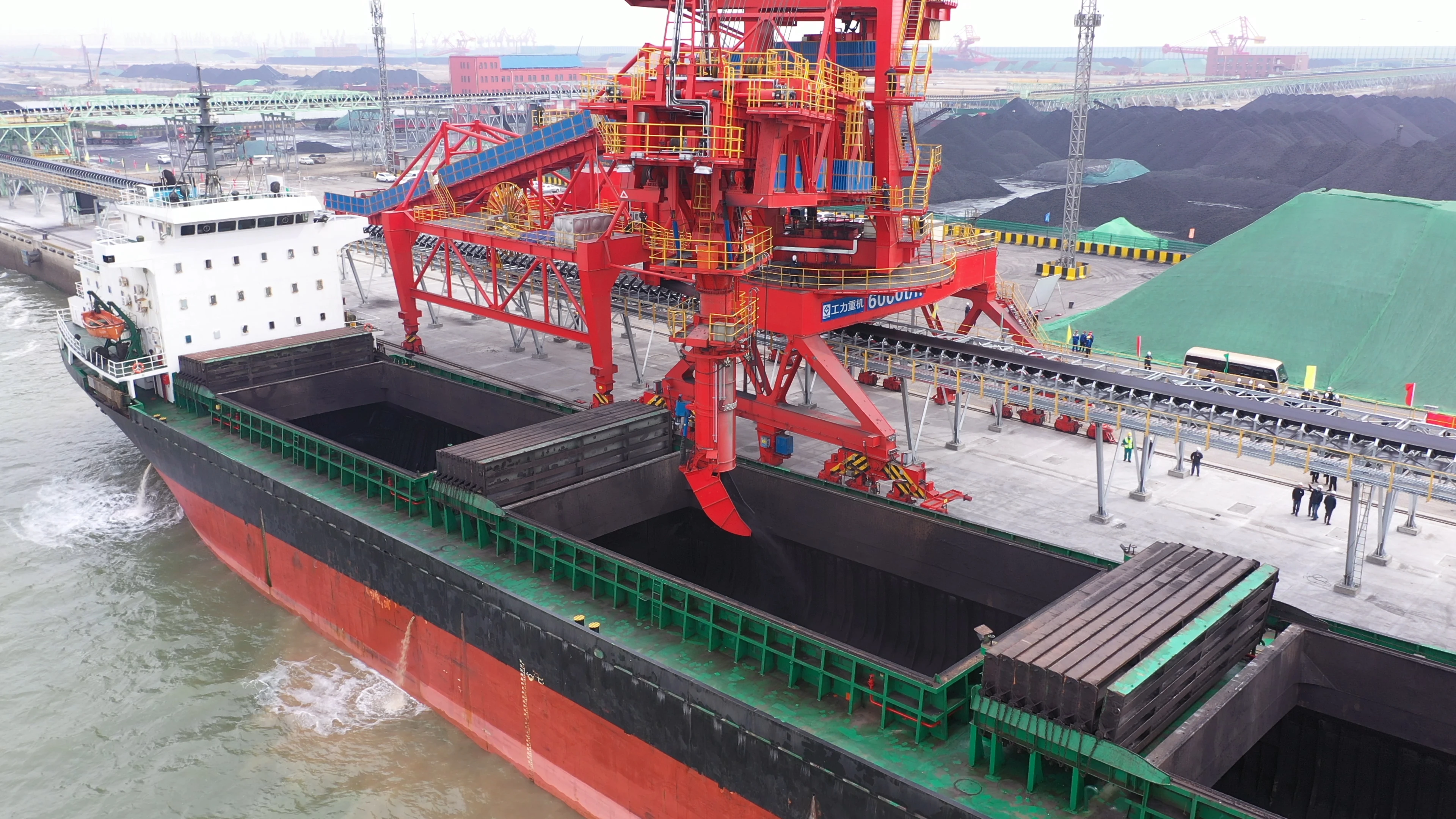
Detection range and accuracy
You need to check how far and how well anti-collision sensors can see. This helps your load safety system work right and keeps your cranes safe. The table below shows what matters:
|
Factor |
Description |
|---|---|
|
Technological Advancements |
New sensor technology gives you better accuracy and reliability. Laser systems can measure with sub-centimeter precision. |
|
Reliability in Harsh Environments |
Sensors must work in tough places, like where it is wet or very hot and cold. |
|
Complexity of Multi-Crane Protection |
You need sensors that can track many moving objects at once. This helps prevent accidents in busy ports. |
|
Integration of Sensing Technologies |
Using more than one sensor type, like AI and multi-sensor systems, helps you spot dangers and avoid false alarms. |
Always pick sensors that match your crane’s working area. This lowers crash risks and makes things safer.
Integration with crane controls
Collision avoidance sensors must connect easily with your crane’s control system. If you use sensors with standard communication protocols like CAN, Ethernet/IP, or Modbus, it is simpler to set up.
Modern crane control systems help you stay safe and work faster. They let you watch your crane in real time, manage loads, and spot crashes quickly. Advanced anti-collision devices make your crane work better and help stop accidents.
Durability and maintenance
You need anti-collision sensors that can last in tough marine weather. CEGC gives you strong sensors and helps you keep them working for all cranes. You should follow a clear plan to check and fix your sensors. Here is a guide:
|
Inspection Type |
Frequency/Details |
|---|---|
|
Daily inspections |
Check sensors and test them before each shift. |
|
Frequent inspections |
Service every three months or less. |
|
Periodic inspections |
Do full checks at set times. |
|
Enhanced periodic inspections |
Recommended for extra safety. |
|
Exceptional inspections |
After any incident or strange event. |
|
Major inspections |
Needed for cranes not under enhanced periodic checks. |
|
Reports for older cranes |
After 5 years, check key parts; after 10 years, check all parts. |
Sensors can also track temperature, vibration, and load. AI helps you find problems early and fix them before something breaks.
Vendor support and references
Pick anti-collision devices from vendors who help you and have good results. CEGC gives you custom sensors and helps you meet industry rules. For example, at the LKAB “Smeltė” container terminal in Klaipeda port, custom IoT sensors found impacts on vertical cell guides every 100 ms. This method found about 12.8 impacts during container handling and helped find wear that was missed before. Good vendor support means your cranes are safer and your anti-collision features work well.
You need to pick anti-collision sensors that work for your crane and job. It is important to match sensor features to safety and rule needs. This helps you get better results. Sensor response can change how your project goes. Here is a table that shows what each response type means:
|
Response Type |
What It Measures |
Relevant To … |
|---|---|---|
|
Time to first reading |
How fast the sensor gives first data after turning on or when things change |
When you need information right away after starting or when things change quickly |
|
Recovery time after a measurement |
How long it takes for the sensor to collect good data again |
When you measure over and over and cannot wait for a break |
|
Time to stabilize on an accurate reading |
How much time it takes for the sensor to show the right measurement |
When you need exact and trustworthy data to make choices |
CEGC has strong, safe, and custom sensors for you.
FAQ
What types of cranes can use CEGC anti-collision sensors?
You can use CEGC sensors on portal cranes, container cranes, reach stackers, ship loaders, and offshore platforms.
How often should you check your anti-collision sensors?
You should check sensors daily before each shift. Schedule full inspections every three months for best safety.
Do anti-collision sensors work in bad weather?
Yes. CEGC sensors work in rain, fog, dust, and salt air. You get reliable protection in harsh port conditions.


