
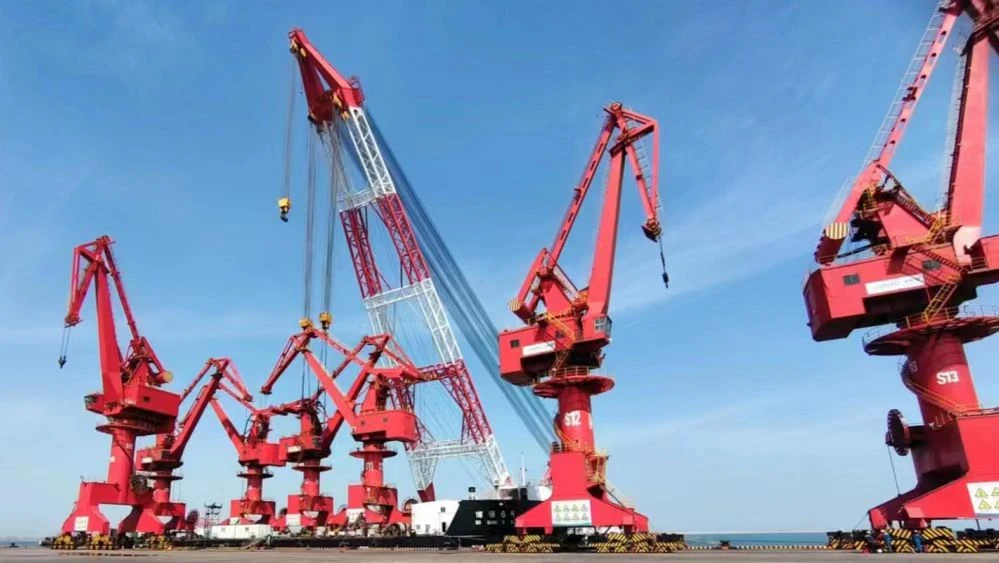
Container vessel ops: collision risk at night shifts is a significant concern. Visibility is reduced during nighttime, and crew fatigue can lead to mistakes, increasing the danger. Advanced safety systems, such as anti-sway controls, are essential in preventing collisions. CEGC provides technical solutions to enhance safety at your port, ensuring smoother operations and reduced risks.
Key Takeaways
-
Working at night makes collisions more likely because it is harder to see. Make sure navigation lights are bright and nothing blocks them. This helps keep everyone safe.
-
Crew tiredness affects how well people make choices and react. Give regular breaks and change shifts often. This keeps the team awake and paying attention.
-
New safety systems, like anti-sway technology and multi-layer safety interlocks, make things safer. Buy these technologies to lower accidents and work better.
Container vessel ops: collision risk at night shifts explained
Reduced visibility and navigation
Operating container vessels at night is hard. The darkness makes it tough to see ships, obstacles, and the dock. Navigation lights should always be bright and clear. Sometimes, you only notice big ships as dark shapes near shore lights. If you do not look at the horizon often, you might miss signals from other vessels. Radar helps, but small crafts can still go unseen. Slow-moving ships may not react fast if they spot danger late. All these things make container vessel ops: collision risk at night shifts a real problem.
Here is how reduced visibility causes navigation mistakes:
|
Evidence Description |
Impact on Navigation Errors |
|---|---|
|
Navigation lights must be bright and unobstructed at night. |
Poor visibility can make it hard to judge distance and see other vessels, which raises collision risk. |
|
Large ships may only be seen as shadows against shore lights. |
It is hard to spot vessels, so mistakes and accidents can happen. |
|
Regularly sweeping the horizon helps in identifying ships' lights and direction. |
If you do not check often, you might miss important clues and make errors. |
|
Ships navigate by radar in low visibility, but small crafts may not be detected. |
Small vessels might not see bigger ships, so collisions are more likely. |
|
Slow vessels may not be able to take evasive action in low visibility. |
If ships do not act fast, they can crash because of speed differences. |
You must stay alert and use every tool to keep your vessel safe at night.
Crew fatigue and alertness dip
Working at night is tough on your body and mind. Your sleep cycle, called the circadian rhythm, drops between midnight and 4:00 am. You feel more tired and less awake during this time. Studies show crew members at night are sleepier and do not think as clearly as those working in the day.
You might notice these things:
-
You react slower and make worse decisions.
-
You might fall asleep for a few seconds without knowing, called microsleeps.
-
You forget instructions or important details.
-
You get annoyed or upset more easily.
If you do not rest enough, you build up sleep debt. This makes you even more tired, even after sleeping. Fatigue can cause mistakes, missed signals, and slow emergency responses. Many serious collisions happen at night, especially between midnight and 4:00 am, when you are least alert.
Human error and operational challenges
People make more mistakes during night shifts. It is harder to talk with your team or fix problems quickly. Some operators are better at handling emergencies than others. This means safety results can change.
Load sway is another problem. When you use container cranes, handlers, or gantry cranes, the load can swing more at night because you cannot see well. This makes it hard to place things exactly right and raises accident risk. Wind and inertia shocks can also make the load move in ways you do not expect.
You can lower these risks by using advanced technology. CEGC works on safety and anti-sway systems for port machines. These systems help you control load sway, keep things steady, and stop collisions. Multi-layer safety interlocks and controls made for operators help you and your team. This makes night work safer and smoother.
Technical solutions for night shift safety
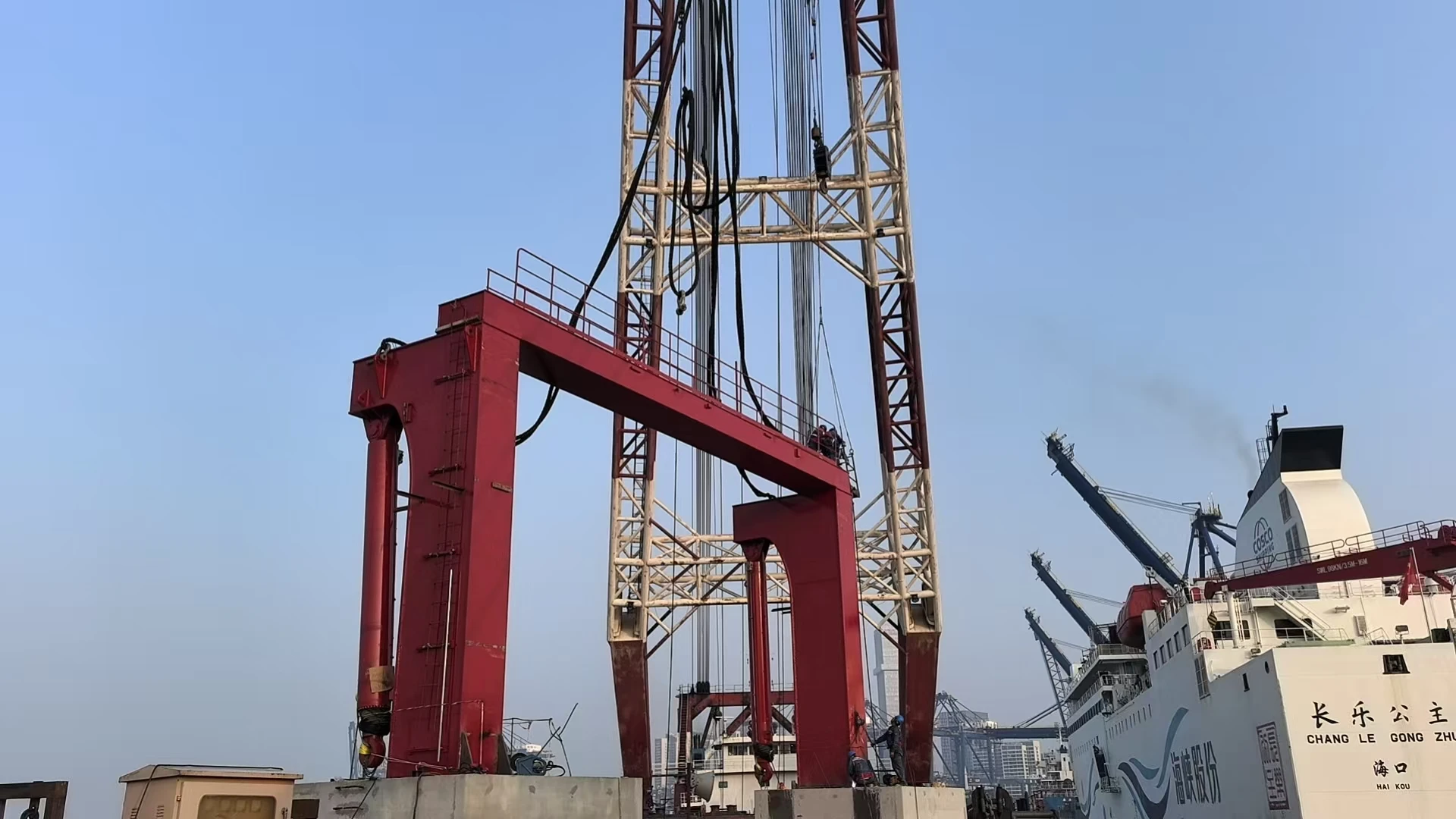
Anti-sway and safe lifting systems
Operating cranes and container equipment at night is hard. Load sway makes it tough to put containers in the right spot. Wind or sudden moves can make the load swing more. This raises the chance of collisions. CEGC’s portal crane, container crane, and container handler use special anti-sway technology to help.
-
AI anti-sway systems change crane speed and movement by themselves. Sensors watch the hook and load all the time. The system guesses how the load will move and changes the trolley or bridge speed to keep things steady.
-
You see less side-to-side swinging, even over long or bumpy paths. The crane fixes small problems, so you feel less stress and get less tired. You can pay better attention and stay awake during night shifts.
-
The system helps you lift things more accurately. You place containers smoothly and right where they should go. New operators learn faster because the crane helps keep the load steady.
-
Good sway control means the crane works well, even if you cannot see well or feel sleepy.
These features make container vessel ops: collision risk at night shifts less likely. You work safer and get more done.
Multi-layer safety interlocks
You need strong safety systems to keep your team and equipment safe. CEGC makes multi-layer safety interlocks for container gantry cranes, ship cranes, and cargo cranes. These interlocks use overload protection, limit switches, emergency stop logic, and zone-based collision prevention.
-
Overload protection stops the crane if the load is too heavy.
-
Limit switches stop the crane from going outside safe areas.
-
Emergency stop logic lets you stop everything fast if there is a problem.
-
Zone-based collision prevention keeps cranes and handlers out of dangerous spots.
Operator-centered HMI gives you clear alarms and updates. You see what is happening and can act fast. Guided operation helps you learn quickly and do your job with confidence. These safety features lower mistakes and keep your work smooth during night shifts.
Predictive maintenance and energy efficiency
You want your equipment to work well, especially at night. Predictive maintenance helps you stop problems before they cause breakdowns. CEGC’s container handling gantry crane, Reach Stacker, and ship loader use sensors to check temperature, vibration, and electrical status.
|
Evidence Type |
Details |
|---|---|
|
Reduced Unplanned Downtime |
|
|
Cost Savings |
$1.4M in avoided downtime costs |
|
Sensor Investment |
$45K; annual software: $12K |
|
ROI |
4-month payback period |
|
Equipment Availability Accuracy |
Improves to <1% error |
|
Elimination of Status Blind Spots |
12-hour blind spots eliminated |
You save money and time. You spot problems before they get worse. Energy-saving options, like variable-frequency drives and smart idle plans, help you use less power. You get better performance and lower costs.
You can change CEGC port machines to fit your project. At Tema Port, operators use a simulator to practice crane work at night and in other situations. The simulator makes tough scenarios, like equipment failures and bad weather. You get real practice without danger. You get ready for real jobs and improve safety and efficiency.
CEGC lets you pick features for capacity, automation, anti-corrosion, and duty cycle. You choose what fits your port and vessel needs. You build a safer and better operation for every shift.
Mitigation strategies for safer operations
Crew training and scheduling
You can make your port safer by training your crew well. Teach your team how to handle emergencies and use new machines. Practice working at night with real-life drills. Change shifts often so no one works too many nights in a row. Give everyone enough time to rest between shifts. This helps people stay awake and ready. Good schedules lower the chance of mistakes and accidents.
Technology upgrades and integration
Better technology gives you more control and safety. You can use new lights, automated gates, and digital yard systems to help your team. The table below shows how these upgrades help:
|
Technology Upgrade |
Impact on Safety |
Timeframe |
|---|---|---|
|
Equipment and lighting upgrades |
Make things safer and help work go on at night. |
Medium-term |
|
Automated gate systems |
Lower safety risks and help work get done faster with remote checks. |
Medium-term |
|
Digital yard management systems |
Show where containers are right now and help everyone know what is happening. |
Medium-term |
You can also add CEGC tools like anti-sway systems and multi-layer safety interlocks. These tools help stop crashes and keep your machines working well.
Workflow and communication improvements
Good workflow and clear talk keep your team safe at night. Try these steps:
-
Use a stacking plan so containers are easy to reach and space is saved.
-
Make sure lights and signs are bright so everyone knows where to go.
-
Work together with cranes, reach stackers, and trucks to stop delays.
-
Use data from your Terminal Operating System to get containers ready and move them faster.
When you mix training, better tech, and good workflows, you lower container vessel ops: collision risk at night shifts and make the port safer for all.
You are more likely to have collisions at night. This happens because your body clock gets mixed up. You feel sleepy and do not pay attention as well. Anti-sway systems, safety interlocks, and predictive maintenance from CEGC help you stay safe. You should use good training and smart schedules. Advanced technology also helps keep your port safe every shift.
FAQ
What makes night shifts riskier for container vessel operations?
At night, it is harder to see. People also get tired more easily. These things make mistakes and crashes happen more often.
How do CEGC anti-sway systems help prevent accidents?
-
Lifting is steadier for you.
-
The system stops the load from swinging.
-
You can put containers in the right spot.
Can you customize CEGC port machinery for your project?
|
Option |
Benefit |
|---|---|
|
Capacity |
Works for your vessel’s size |
|
Automation |
Fits how your team works |
|
Anti-corrosion |
Keeps machines safe in bad weather |


