
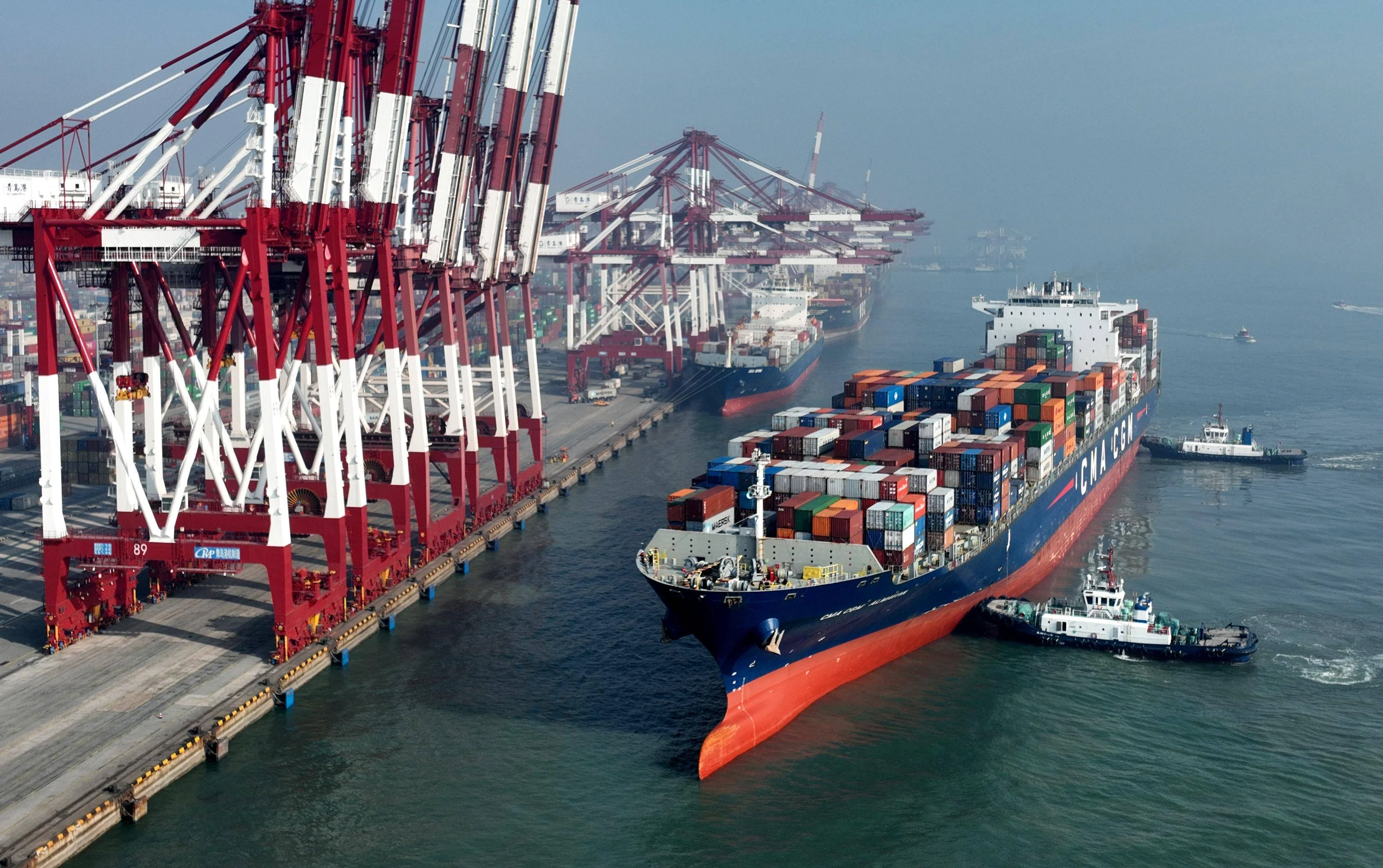
Working near a port crane presents real dangers, especially when considering how to reduce pedestrian strike risk. Recent reports show that 23% of fatal incidents involve collisions between moving equipment and people. To address this, implementing advanced safety systems and conducting regular inspections—as required by OSHA—are essential steps. CEGC offers project-based solutions that help you achieve market-standard safety for every operation, specifically focusing on port crane: how to reduce pedestrian strike risk.
Key Takeaways
-
Make clear paths and put up barriers to keep people safe from moving cranes. Use bright warning signs so people know about dangerous spots.
-
Use new safety tools like sensors that stop crashes and cameras. These tools help find people walking and stop accidents from happening.
-
Train crane operators and workers on safety rules often. Good talking and training help everyone get ready for safety problems.
Port crane: how to lower pedestrian strike risk
Physical separation and barriers
You can make walking areas safer by creating clear boundaries from crane work. Dedicated walkways help keep people away from moving cranes. Barriers like guardrails and fences block access to dangerous spots. Warning signs tell pedestrians to stay away from crane areas. These signs use bright colors and simple words so everyone understands the danger.
Many ports have container cranes, portal cranes, and ship cranes. Each one needs its own safety plan. Mark crane paths with paint or tape so people can see where cranes move. Barriers protect pedestrians from sudden crane moves. Place barriers near loading docks, container equipment, and gantry cranes.
Tip: Always check that barriers and signs are visible and in good shape. Replace broken ones right away.
Pedestrian safety systems
Using new technology can make pedestrians safer. Anti-sway control systems keep loads steady during crane work. These systems stop loads from swinging, which lowers accidents. Proper load placement also keeps pedestrians safe nearby. Collision avoidance systems use sensors to find obstacles. Proximity sensors watch crane positions and movements. If a crane gets too close to a person, the system warns the operator or stops the crane.
Modern safety systems include cameras. Cameras can see pedestrians up to 16 feet away. Operators get visual and sound alerts. Forklift safety devices use vibrating wristbands and automatic slowing features. These help prevent pedestrian strikes in busy areas. Traffic warning systems tell forklifts to slow down when entering safety zones.
You need to check cranes and do daily maintenance. Regular inspections help find problems early. Daily checks prevent accidents and keep cranes safe for everyone. Follow OSHA rules for inspections. This keeps workers and visitors safe at the port. If you use container handlers, reach stackers, or ship loaders, check each machine often.
CEGC offers custom safety solutions for all port equipment. You can choose safety systems for gantry cranes, cargo cranes, and offshore platforms. Multi-layer safety features add extra protection. Overload alarms, limit switches, and emergency stops reduce human mistakes. Operator-friendly screens give clear alarms and updates. This makes training easier and keeps everyone safer during shifts.
Note: Regular maintenance and inspections are vital to lowering pedestrian strike risk. Follow a schedule and keep records of each check.
By combining physical barriers, smart safety systems, and regular checks, you can lower pedestrian strike risk at your port. This protects people and makes your port safer overall.
Crane operation protocols and forklift-pedestrian safety
Operator training and certification
Operators must be trained to keep the port safe. Training teaches them how to spot dangers and avoid accidents. Certification makes sure each operator knows the safety rules. Many groups offer training that meets OSHA and ANSI rules. These programs mix classroom lessons with hands-on practice. You can find some top training providers in the table below:
|
Training Provider |
Description |
|---|---|
|
3P Safety |
Employer-focused crane operator training with classroom and hands-on sessions. |
|
The Crane School |
NCCCO certification for urban and port crane operations. |
|
Konecranes |
Training for operators and supervisors to reduce errors and improve safety. |
|
OSHA Education Center |
Courses that meet OSHA standards and focus on preventing crane-related accidents. |
|
Train For The Crane |
Scenario-based training to boost exam performance and operator skills. |
CEGC helps your team with easy-to-use HMI and guided tools. These tools help operators learn quickly and work safely. Training updates keep everyone ready for new tasks.
Communication and monitoring
Crane operators and ground staff must talk clearly to stay safe. Hold meetings before lifting to go over safety plans. Talk about how to keep pedestrians safe. Use radios or hand signals to share updates during crane moves. This helps everyone know where cranes and people are.
Modern monitoring systems make ports safer. For example, 360-degree cameras show operators what is around the crane. Sensors find people and obstacles and send alerts if someone is in danger. Visual lines show safe places for pedestrians. Some cameras use AI to spot people and warn operators fast. These tools help stop accidents and keep people safe.
CEGC has workflow tools like 3D cameras, safety encoders, and vision systems. These tools find obstacles and help operators avoid crashes. You can use them with container cranes, portal cranes, and other machines.
Tip: Always tell pedestrians about crane work and give them safe paths. Good communication stops confusion and keeps everyone safe.
Forklift-pedestrian safety
Forklift-pedestrian safety is very important in busy ports. You need to keep walkways and forklift routes apart. Use barriers, warning lights, and clear signs to guide everyone. Blind spots and bad visibility cause many accidents. Big loads can block the operator’s view, so cameras and radars help stop crashes.
Best practices for container handlers and reach stackers include safety lights, slower speeds, and careful turning. Operators should check their machines before each shift and follow safe driving rules. Bright clothing helps pedestrians stand out in warehouses.
|
Best Practice |
Description |
|---|---|
|
Safety Lighting System |
Blue and red lights alert pedestrians to moving equipment. |
|
Automatic Cornering Speed Reduction |
Limits speed during turns to prevent tipping. |
|
Forklift Camera System |
Expands the operator’s field of vision. |
|
Reversing Radar |
Detects obstacles and warns operators in real time. |
|
Safe Driving Protocols |
Includes pre-operation checks and awareness of blind spots. |
|
Training & Certification |
Scenario-based training for different operational challenges. |
CEGC’s maintenance and workflow tools help keep port machines safe. Regular checks and repairs keep equipment working well. You can trust CEGC for custom safety features and market-standard solutions.
Note: Always plan your yard to make clear paths for forklifts and people. Good planning lowers pedestrian risks and makes the port safer.
You can help stop pedestrian strikes by following safety rules. Use barriers to keep people safe from cranes. Try new technology to warn about dangers. The table below shows how different steps make things safer and lower injuries.
|
Approach |
Benefit |
|---|---|
|
Keeps pedestrians away from moving cranes |
|
|
Advanced technology |
Detects and warns about hazards in real time |
|
Prepares staff for safety challenges |
Always work to make safety better. This helps stop accidents and keeps everyone safe.
FAQ
What is the most important step to keep pedestrians safe near port cranes?
You need a simple safety plan. Use barriers to block dangerous areas. Put up warning signs so people know where not to walk. Check everything often to make sure it is safe.
How often should you inspect port cranes for safety?
Check port cranes every day before using them. Daily checks help you spot problems early. This stops accidents from happening.
Can technology help reduce pedestrian accidents at ports?
Yes. Sensors, cameras, and alarms can help. These tools warn you about danger. They help you stay safe and avoid accidents.


