
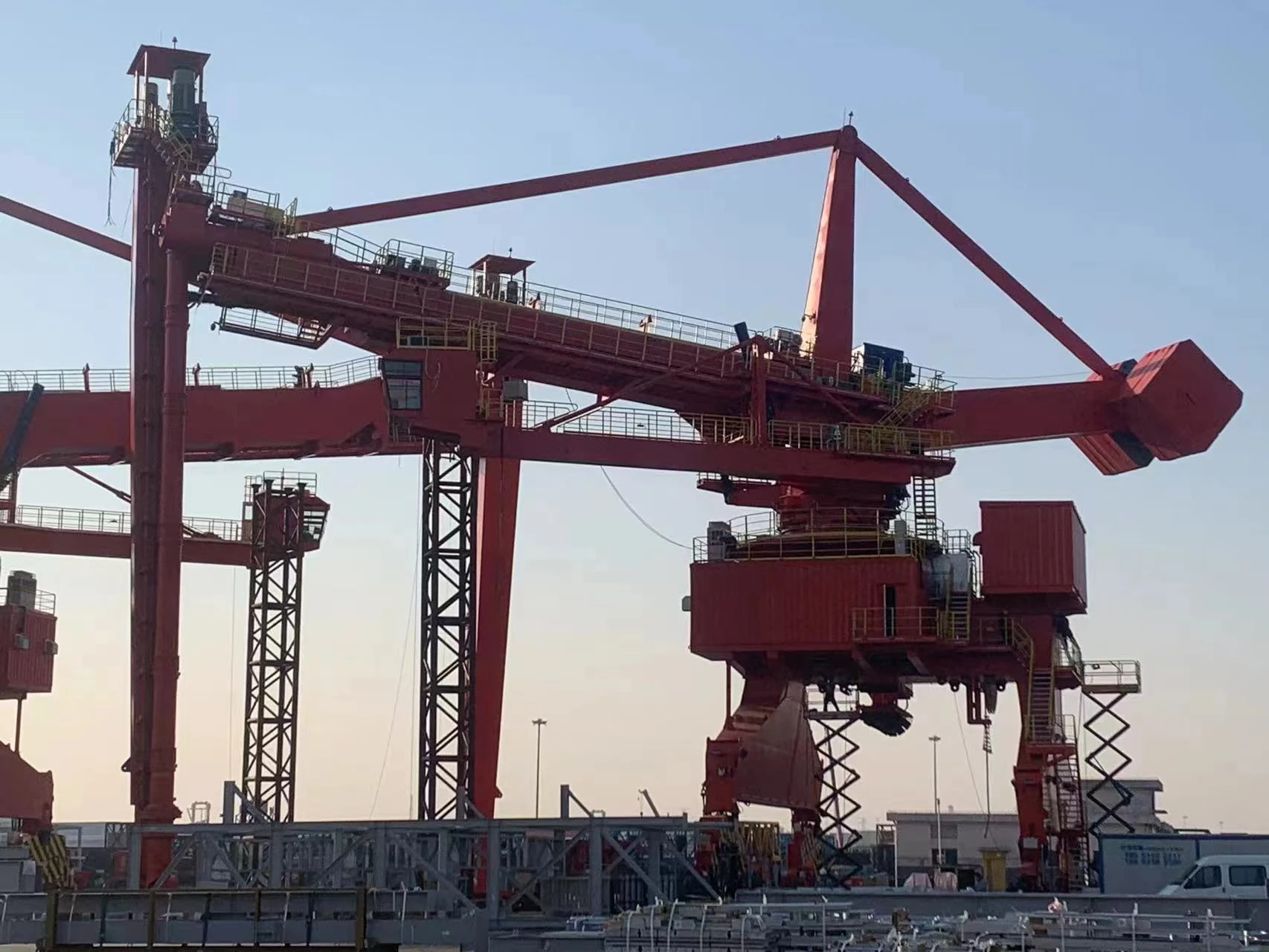
Begin your day by thoroughly inspecting each twistlock for any signs of damage to ensure safe loading shipping container operations and prevent twistlock injuries. Following a clear safety plan significantly lowers your risk. Frequent checks and comprehensive training are essential for maintaining safety standards. CEGC provides advanced container handling equipment designed to enhance workplace safety and efficiency. While twistlock injuries are not common, they can be severe and require diligent prevention:
|
Evidence Description |
Details |
|---|---|
|
Estimated separation rate |
|
|
Reported incidents |
At least eight incidents in 15 years (OSHA) |
|
Daily container lifts |
At least 100,000 single picks each day in U.S. ports |
|
VTL hoists in five years |
150,000 to 200,000 vertical tandem lift hoists made |
Key Takeaways
-
Look at twist locks every day to check for damage. This helps keep loading safe. - Use a good safety plan and the right tools to lower the chance of getting hurt. - Make sure twist locks fit the containers before using them. This stops accidents from happening.
Twist lock injury risks and prevention
Common causes of twist lock injuries
There are many risks when you handle twist locks. Injuries often happen if you do not secure them right or keep them in good shape. If containers are not put in the right spot, the weight can be uneven. This can make twist locks break or get damaged fast. Some other reasons for injuries are:
-
Using twist locks that are broken or old
-
Not looking for trash or things stuck in the locking part
-
Going too fast and not checking if things line up
Bad weather, like strong wind or bumpy ground, can also make twist lock injuries more likely.
Key safety precautions for loading shipping containers
You can stop most injuries by following safety rules:
-
Put twist locks on every corner so containers do not move or fall.
-
Look at stacks to see if they moved or got hurt, especially after storms or lots of use.
-
Check if the containers are strong, especially at the corners and on the floor.
-
Make sure the ground is flat so nothing sinks.
-
Line up containers with cranes or handlers so the weight is even.
Newer container equipment, like the ones from CEGC, has special controls and safety locks. These tools use sensors and alarms to help you not make mistakes and keep everyone safe.
|
Case Study |
Description |
Impact |
|---|---|---|
|
Maersk’s Safety Protocols |
Strong safety rules with training and new technology. |
Better safety and work goes smoother. |
Role of regular inspection and maintenance
Checking twist locks often keeps them working well. You should look for worn parts, broken pins, and trash at every corner. Change any twist locks that have problems. Stick to a plan for fixing and checking:
|
Maintenance Task |
Frequency/Details |
|---|---|
|
Pre-departure check |
Do this before every trip |
|
Lubrication |
Do it as often as the maker says, or more if it is rough outside |
|
Twist lock inspection |
Check for worn parts, broken pins, trash, and if they lock right at all corners |
You can use things like color-coded markers to see fast if twist locks are locked. These tools make your work safer and faster.
Safe loading procedures and compatibility checks
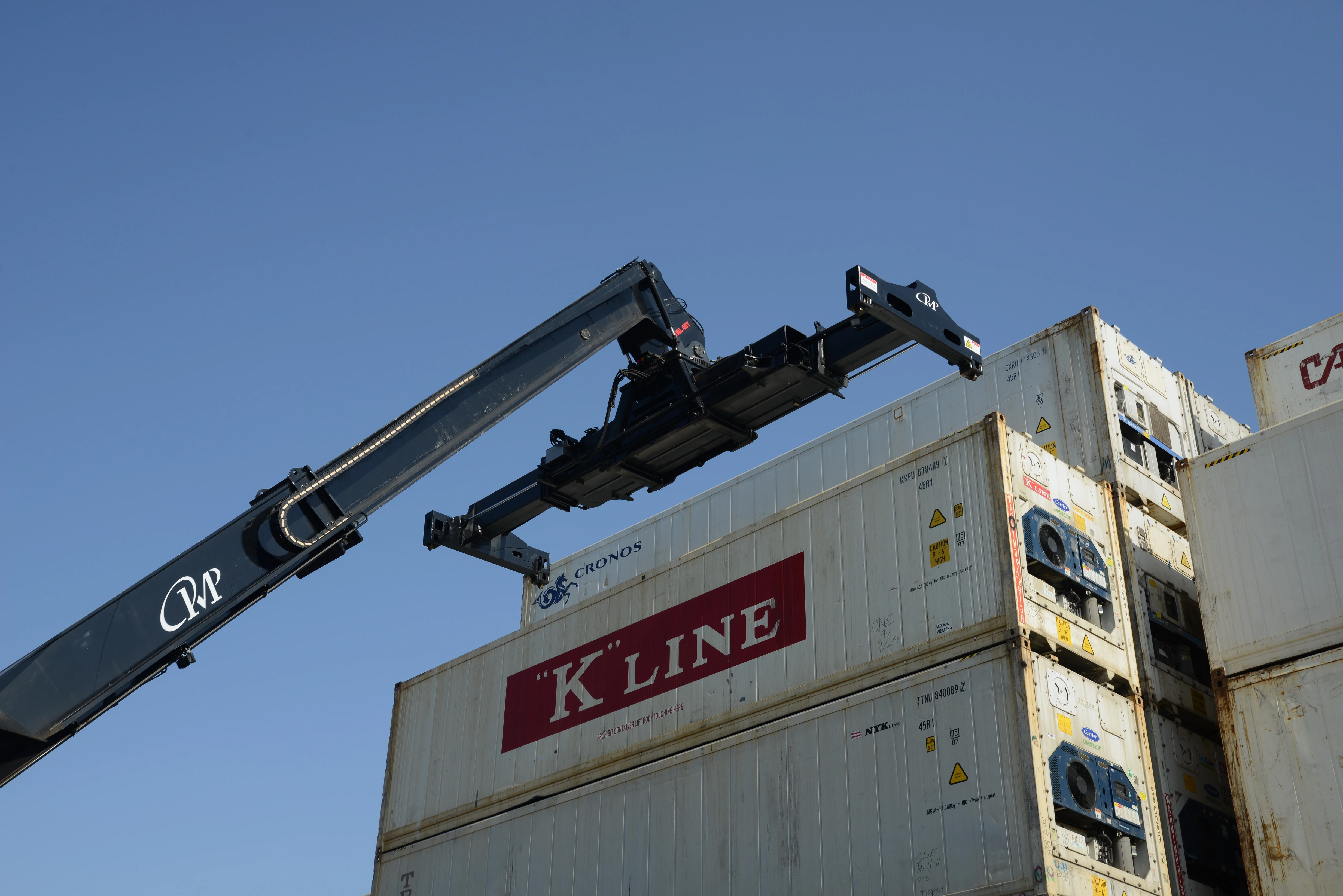
Step-by-step loading shipping container: prevent twistlock injuries
You need a simple plan to keep everyone safe. Always follow these steps when you use mechanical devices to secure shipping containers:
-
Pre-Stack Preparation & Inspection
Look at the ground and twist locks for any damage. Make sure the area is clean and flat before you start. -
Correct Positioning & Placement
Put the twist locks in the bottom container. Lower the top container slowly and carefully. This helps stop them from moving during work. -
The Critical Locking Action
Lock the twist locks. Check the locking pins by looking and touching them. This step is very important for loading shipping container: prevent twistlock injuries. -
Unstacking
When you take off containers, do the steps backwards. Make sure all twist locks are unlocked before you lift the container.
Repeat this checklist for every container. Doing this helps you avoid mistakes and keeps your team safe.
Container twist lock compatibility checks
You must always check if the twist locks fit before loading shipping container: prevent twistlock injuries. Most twist locks use ISO standards, but some containers have special corners. These need special twist locks. Always check the specs for both twist locks and containers. This is a good way to make sure they match. If you skip this, you might use the wrong twist lock pins. This can cause accidents.
Training, PPE, and emergency response
You need good training to handle twist locks and loading shipping container: prevent twistlock injuries. Training teaches you how to use twist lock pins and spot problems early. You should always wear the right personal protective equipment when working with twist locks:
-
Safety helmets protect your head from things that fall.
-
High-visibility vests help others see you.
-
Steel-toed boots keep your feet safe.
-
Gloves protect your hands from sharp things.
-
Safety glasses keep dust and debris out of your eyes.
You should also know what to do in an emergency. If a twist lock fails, move away and tell your supervisor. Quick action can stop injuries from getting worse.
Modern container handling equipment, like CEGC’s portal crane and container handler, uses smart systems. These systems watch twist locks and their positions. They only let you unlock and set down containers in safe places. They also find problems early and help you avoid accidents. Anti-collision systems use radar, lidar, sensors, and cameras to warn you about danger. These tools make loading shipping container: prevent twistlock injuries much easier and safer.
|
Technology Used |
Impact on Safety |
Example Use Case |
|---|---|---|
|
Radar |
Works well in fog and from far away, making detection better. |
Warns straddle carriers if they get close to a busy lane. |
|
Lidar and 2D Laser |
Gives clear maps for short distances, helping spot objects. |
Finds a person or box under the boom on quay crane trolleys. |
|
Proximity Sensors |
Helps avoid busy areas or moving lifts, lowering crash risks. |
Used in straddle carriers with GPS for real-time updates. |
|
Cameras |
Shows what is around you and helps you make choices. |
Spreader sensors help stop hitting stacks or dock workers. |
|
Predictive Algorithms |
Figures out how much time you have to react and warns you. |
Alerts operators about possible crashes so they can act fast. |
When you use advanced safety technology, you can see better, stay safer, and work faster. These systems help keep your team safe and your work on time. Always follow these steps for loading shipping container: prevent twistlock injuries and check twist lock compatibility every time.
To stop twistlock injuries, do these things: First, pick the right lock for your job. Next, put the lock between containers carefully. Make sure you lock it all the way and wear your safety gear. CEGC’s new equipment can help you work safer and faster. Automation helps move containers more quickly. Safety sensors help stop accidents from happening. Real-time tracking lets you watch and control the work better.
FAQ
How do I prevent twist lock injuries during loading?
Check twist locks often. Wear the right safety gear. Follow safe steps every time. CEGC’s equipment makes your work safer.
What should I check before using twist locks?
Make sure twist locks fit the container corners. Check if they are in good shape. Compatibility checks help stop accidents and keep you safe.
Why is regular inspection important for twist locks?
Checking twist locks often finds problems early. Fixing them keeps them strong. This lowers injury risks when loading containers.


