
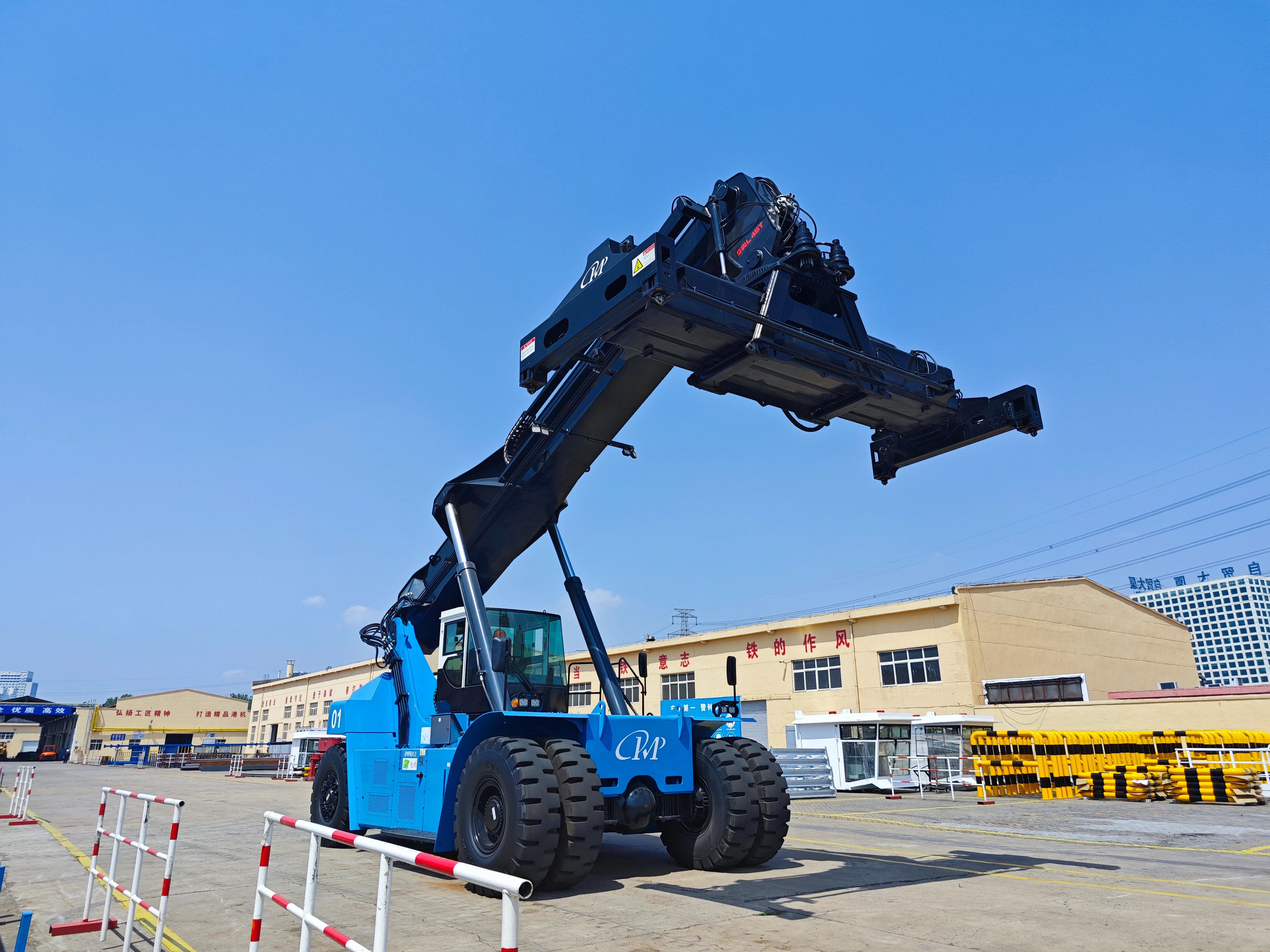
You have real problems when working with ship loader collision avoidance near hatches. Studies show these things:
Impact events happen a lot when moving containers. This can hurt safety and slow down work.
Misalignments and machine problems can cause damage. They also make your work slower.
Sensor-based technology helps lower these risks. It also helps you work more accurately.
CEGC is a leader in making port machines safer. For example:
Industry |
Description |
|
|---|---|---|
Metro |
Ground Stability |
Workers watch the ground to stop collapses. |
Water |
Gas Monitoring |
Special systems find dangerous gases like methane and carbon monoxide. |
Mining |
Emergency Procedures |
Special plans help people leave tunnels safely if there is danger. |
You must deal with load sway, different operators, and hard hatch areas every day. CEGC helps you follow strict safety rules for your ship loader, portal crane, or container crane.
Key Takeaways
Advanced sensor technology, like lidar and radar, makes things safer. It gives real-time detection and clearance calculations. This helps stop collisions near hatches.
Anti-sway control features keep loads steady during work. This lowers the chance of accidents. It also helps place containers more accurately.
Customizable collision avoidance systems let ports change safety features for their needs. This makes sure operations are safe and efficient with different equipment.
Ship loader collision avoidance near hatches
Real-time detection and clearance calculation
You face many challenges when you operate a ship loader near a hatch. The area around the hatch is tight, and you must avoid hitting the hatch edges or other obstacles. Modern ship loader collision avoidance near hatches uses advanced sensors to help you work safely. These systems often use lidar, radar, and computer vision. Lidar stands out because it creates high-resolution 3D maps. This gives you a clear picture of the hatch area and helps you spot obstacles with great accuracy. When you use lidar, you get better object detection and modeling than with other sensors. This means you can trust the system to warn you before a collision happens.
The system does more than just detect objects. It also calculates the clearance between the ship loader and the hatch in real time. You see slow-down and final-stop zones on your display. These zones help you move the ship loader close to the hatch without hitting it. The anti-collision system gives you alerts and can even stop the machine if you get too close. This reduces downtime and keeps your work moving smoothly. You can load and unload containers faster because you do not need to worry about damaging the hatch or the ship loader.
Anti-sway and safety control features
Load sway is a big problem when you work near a hatch. Wind and sudden stops can make the load swing. This makes it hard to place containers exactly where you want them. Ship loader collision avoidance near hatches uses anti-sway control to solve this problem. The system uses sensors like laser range finders and accelerometers to watch the load as it moves. It sends this data to a controller, which predicts how the load will swing. The controller then changes the speed and direction of the ship loader to keep the load steady.
Here is a table that shows how anti-sway control works:
Method |
Description |
|---|---|
Sway Detection |
Sensors watch the load and measure how much it swings. |
Motion Control Integration |
The system uses the sensor data to adjust the motors and keep the load steady. |
Real-Time Correction |
The ship loader changes its movement right away to stop the load from swinging too much. |
When you use anti-sway control, you lower the risk of hitting the hatch or other parts of the ship. The anti-collision system also has safety interlocks. These include overload protection, limit switches, and emergency stop buttons. You get clear alarms and status updates on your screen. This helps you react quickly if something goes wrong. You can trust the system to keep you and your team safe while you work near the hatch.
Operator support and system customization
Every port is different. You may use a portal crane, a container crane, or another type of ship loader. The hatch size and shape can change from one vessel to another. Ship loader collision avoidance near hatches lets you customize the system to fit your needs. You can choose which sensors to use, set up special anti-collision zones, and pick the right safety features for your port. This makes your work safer and more efficient.
You also get support for both new and old equipment. The system can connect to your current port machinery, like a container handling gantry crane or a reach stacker forklift. You can update the software or add new features as your needs change. CEGC gives you access to a global support network. You can get help with setup, training, and maintenance. This means you always have the latest safety and anti-collision technology for your ship loader.
When you use a customized anti-collision system, you get a solution that matches your port's unique needs. You can handle different hatch layouts, vessel types, and loading patterns. This helps you avoid accidents and keep your port running smoothly.
Performance and reliability in challenging conditions
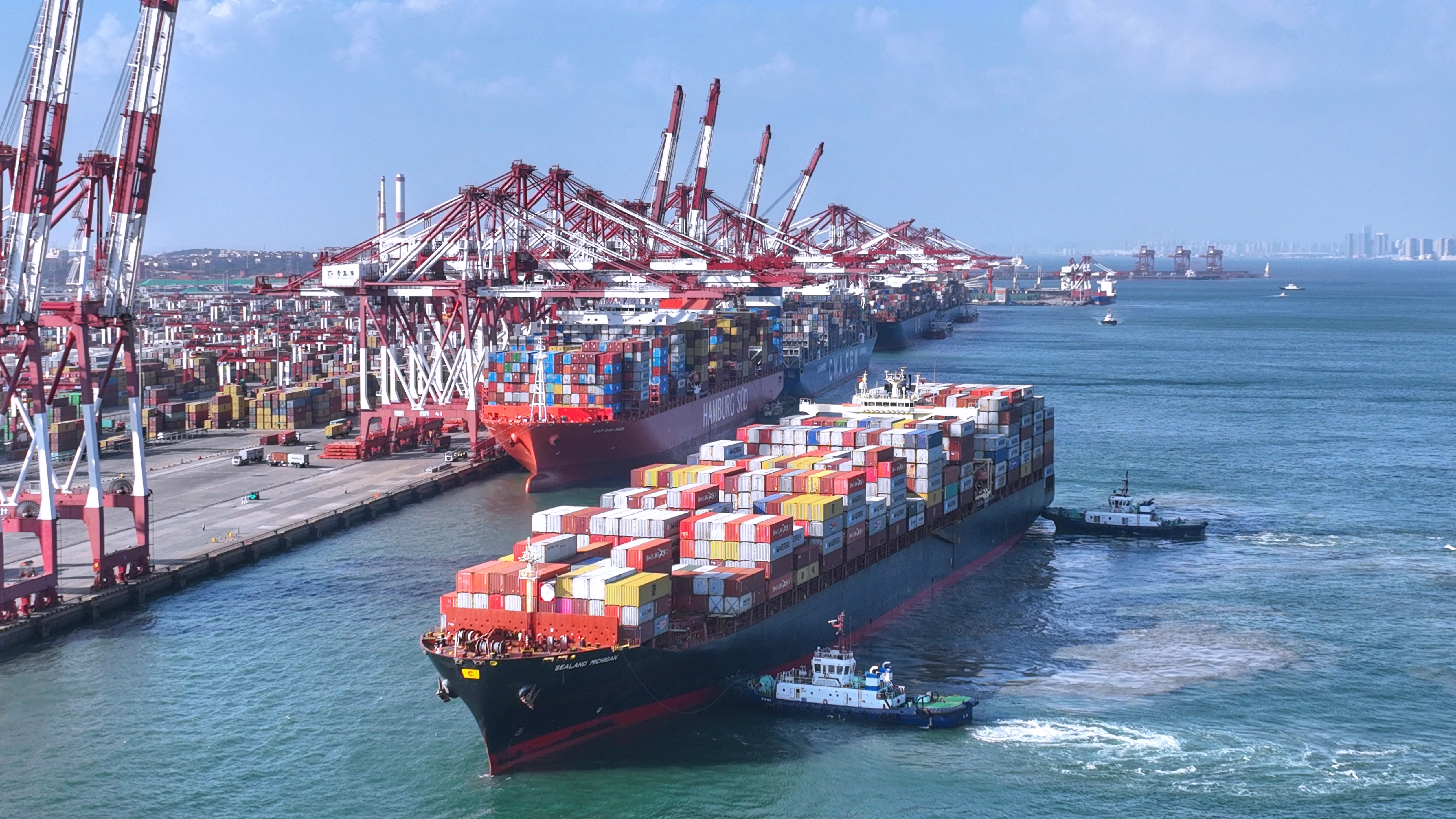
Handling wind, load sway, and operator variability
Working near a hatch can be tough. Wind, rain, and dust make things harder. Radar sensors help find obstacles around the hatch. They work well even when the weather is bad. You can count on the sensors in strong winds and dirty places. The ship loader checks data quickly and gives fast alerts. You do not need to clean the sensors much. This lets you keep working without stopping. Here is a table that shows how the system works in harsh conditions:
Feature |
Description |
|---|---|
Reliable Detection |
The radar sensors can detect obstacles within a defined safety distance, even in harsh conditions. |
Performance in Adverse Weather |
The technology maintains reliable operation in strong winds, dust, dirt, and precipitation. |
Low Maintenance |
Requires minimal cleaning, ensuring consistent performance despite environmental challenges. |
High Output Rate |
Capable of processing data at up to 100 Hz, allowing for quick response times in collision avoidance. |
Marine durability and lifecycle protection
You want your ship loader to last a long time. Salt and water near the hatch can cause rust. CEGC offers marine-grade anti-corrosion options. You can pick the right grade for your port. The design protects against damage from heavy use. Your ship loader will work well for many years. You can choose the span, duty cycle, and power solution you need. This keeps your equipment safe and strong in tough marine places.
Predictive maintenance and energy efficiency
You want your ship loader to avoid surprise breakdowns. The system helps with predictive maintenance. It checks parts and warns you early if something needs fixing. Smart power options help save energy. AI can manage ship movement and send alerts faster than old systems. This lowers accident risks and keeps your port running smoothly. The system connects with port workflow platforms. It uses LIDAR and video to watch the hatch area. It can stop the ship loader if something is in the way. You get better safety and fewer delays.
You can make your work safer and faster with advanced ship loader collision avoidance near hatches. The system can guess when a crash might happen with 91.2% accuracy. It reacts in just 1.4 seconds. This helps you follow safety rules from around the world. CEGC lets you change the system to fit any safety need or check before loading. Here is how AI and automation are changing things:
Trend |
Description |
|---|---|
AI Navigation Systems |
Real-time decision support boosts safety and reduces downtime in line with new regulations. |
Sensor-Fusion Tech |
Combining sensors improves awareness for container handling equipment and ship loading systems. |
Machine Learning |
Better fuel planning and fewer delays for container vessel operations. |
FAQ
How does ship loader collision avoidance help you stay safe?
You get alerts right away. The system can stop the machine by itself. These features help you avoid accidents near hatches. They also keep your team safe.
Can you use these systems with older port machinery?
Yes, you can use collision avoidance with old machines. You can add it to portal cranes, container cranes, or reach stackers. CEGC works with both new and old equipment.
What makes CEGC’s solution different?
You can change the system to fit your port. You pick which sensors and safety levels you want. You also get support. CEGC follows safety rules for ship loaders and cargo cranes.


