
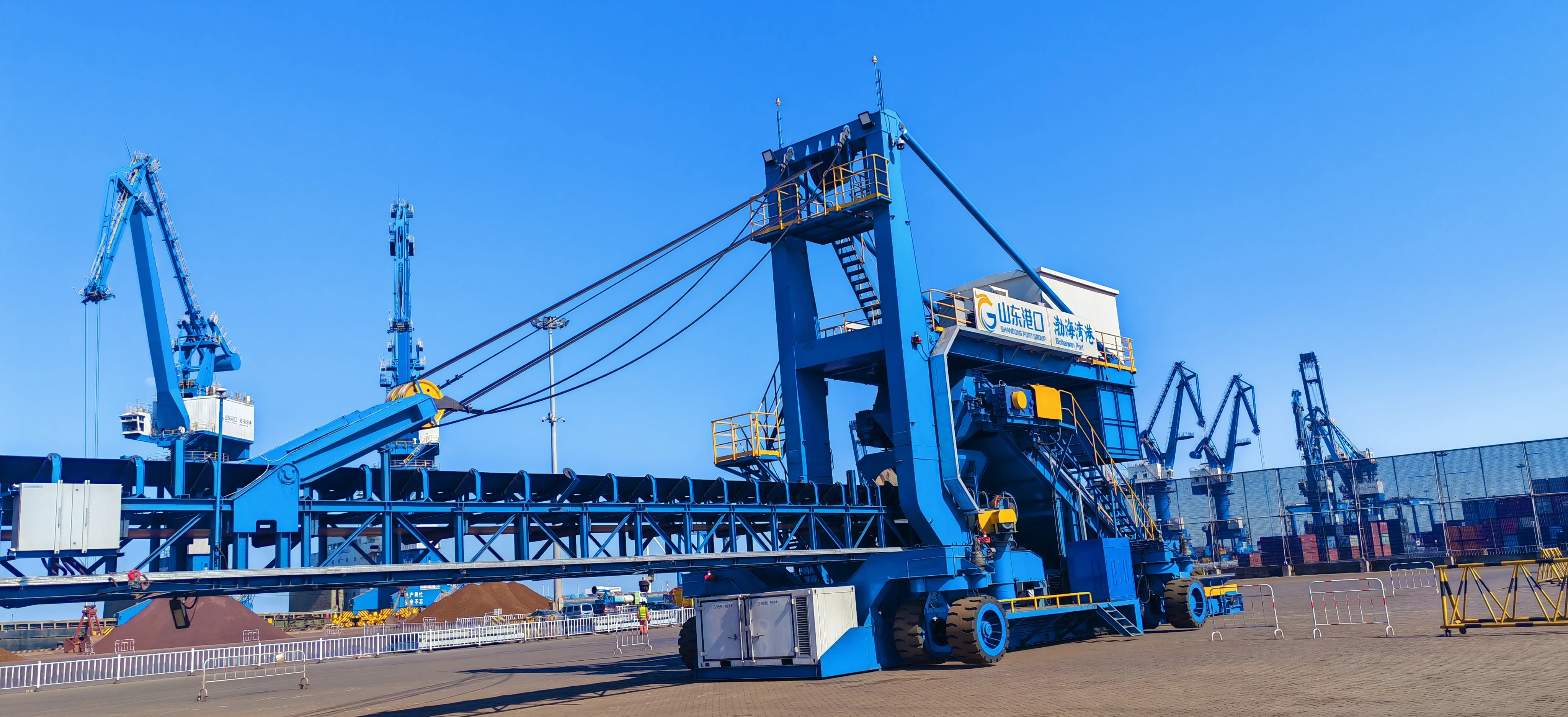
You get safer container handling when you use container handling gantry crane: safer auto moves. Automation helps lower your chance of accidents. It does this by making operations more predictable and cutting down on human mistakes. You keep your workers safe by not letting people enter work zones. Only automated machines can work in these areas. Terminals with container handling gantry crane: safer auto moves have up to 25% fewer crashes. CEGC’s technology gives you better safety by watching in real time and stopping crashes. You use smart systems that help you react faster during container handling. The table below lists the main safety benefits for you:
|
Safety Benefit |
Description |
|---|---|
|
Reduction of Human Error |
Automated systems stop tiredness and distraction. |
|
Restricted Human Access |
Only automated machines work in work zones, so people are safer. |
|
Predictable Operations |
Machines follow set paths, so risks are lower during container handling gantry crane: safer auto moves. |
|
Advanced Safety Monitoring |
Real-time systems find and stop problems. |
|
Collision Prevention Systems |
Sensors and radar stop machines when danger is near. |
You notice the change with container handling gantry crane: safer auto moves. Automation, safety, and container handling now work together for your terminal’s future.
Key Takeaways
-
Automation in container handling lowers accidents by up to 25%. It cuts down on mistakes made by people and keeps workers safe.
-
Advanced safety systems, like collision detection and anti-sway technology, make work safer and more efficient.
-
Remote operation lets people control the crane from far away. This keeps operators safe from danger and helps them work better.
Safety in automated container handling gantry cranes
Collision avoidance and obstacle detection
Cargo handling at ports can be risky. Automated machines use special sensors to keep things safe. These sensors include LiDAR, radar, ultrasonic sensors, and position encoders. They help find obstacles and stop crashes. Machine vision systems and collision prevention systems spot dangers right away. Cameras and AI help find objects and people in the work zone.
|
Technology Type |
Description |
|---|---|
|
Machine Vision Systems |
Use cameras and LiDAR sensors to find obstacles and containers in real time. |
|
AI and Predictive Algorithms |
Plan crane moves and cut down waiting time with smart scheduling. |
|
Remote Control Interfaces |
Let you control many cranes from one safe place. |
|
Automation Software Platforms |
Handle scheduling and tasks for smooth cargo handling. |
|
Collision Detection Systems |
Stop cranes from hitting things, making work safer. |
|
Load Monitoring Systems |
Make sure cranes lift safely, so accidents happen less. |
Numbers show these systems work well. Operators see 30% fewer crashes after using obstacle detection. Ports have 20% less delay from safety problems. Factories report 25% fewer safety violations and near-misses. These gains come from automated systems that use sensors and safety checks to keep your work area safe.
Anti-sway and precise load control
Moving heavy containers can be dangerous. If a container swings, it might hit something or hurt someone. Automated machines use anti-sway technology and precise load control to fix this. Sensors watch the container’s movement and position. The anti-sway system changes things in real time to keep loads steady.
You get several benefits:
-
Anti-sway technology lowers swinging, so crashes and injuries happen less.
-
The system makes placing containers faster, so cycle times are shorter.
-
Fewer lifting accidents mean less downtime and fewer repairs.
Anti-sway control systems use sensors and smart controls. They let you move bigger loads faster and safer. You get better cargo handling and more reliable container placement every time.
Remote operation and operator safety
Remote operation changes how you handle cargo. You do not need to stand near moving containers or big machines. Automated equipment lets you control cranes from far away, often in a control room. This keeps you safe from falling things or heat.
You get more safety:
-
Remote controls give you a better view and more accuracy.
-
Anti-collision systems watch the area and help if something goes wrong.
-
You can run crane functions from a safe spot, which makes work safer and more flexible.
-
Control rooms are comfortable and protect you, especially in tough conditions.
Remote operation, sensors, and safety rules lower your chance of getting hurt. You stay safe and keep cargo handling efficient.
Real-world safety improvements and case examples
Automation helps real ports and terminals. Ningbo Port uses remote control RTGCs to keep operators away from danger. Guangzhou Port uses remote control overhead cranes to make work easier and safer.
|
Port/Terminal |
Automation Technology |
Safety Improvement |
Source |
|---|---|---|---|
|
Ningbo Port |
Remote control RTGCs |
Better safety by moving operators out of dangerous areas |
|
|
Guangzhou Port |
Remote control overhead cranes |
Less hard work and better safety |
The Port of Rotterdam shows good results too. After opening two automated terminals, the port moved over 13 million TEUs with fewer than 1,500 workers. The new automated systems led to fewer safety problems and better labor efficiency. These examples show that automated machines, sensors, and safety rules make cargo handling safer and more accurate.
You depend on automation, collision prevention systems, and safety checks to protect your team and cargo. Automated systems, precise controls, and advanced sensors work together to lower risk and keep your container handling safe.
Technical solutions for safer auto moves
Active anti-sway and load stability systems
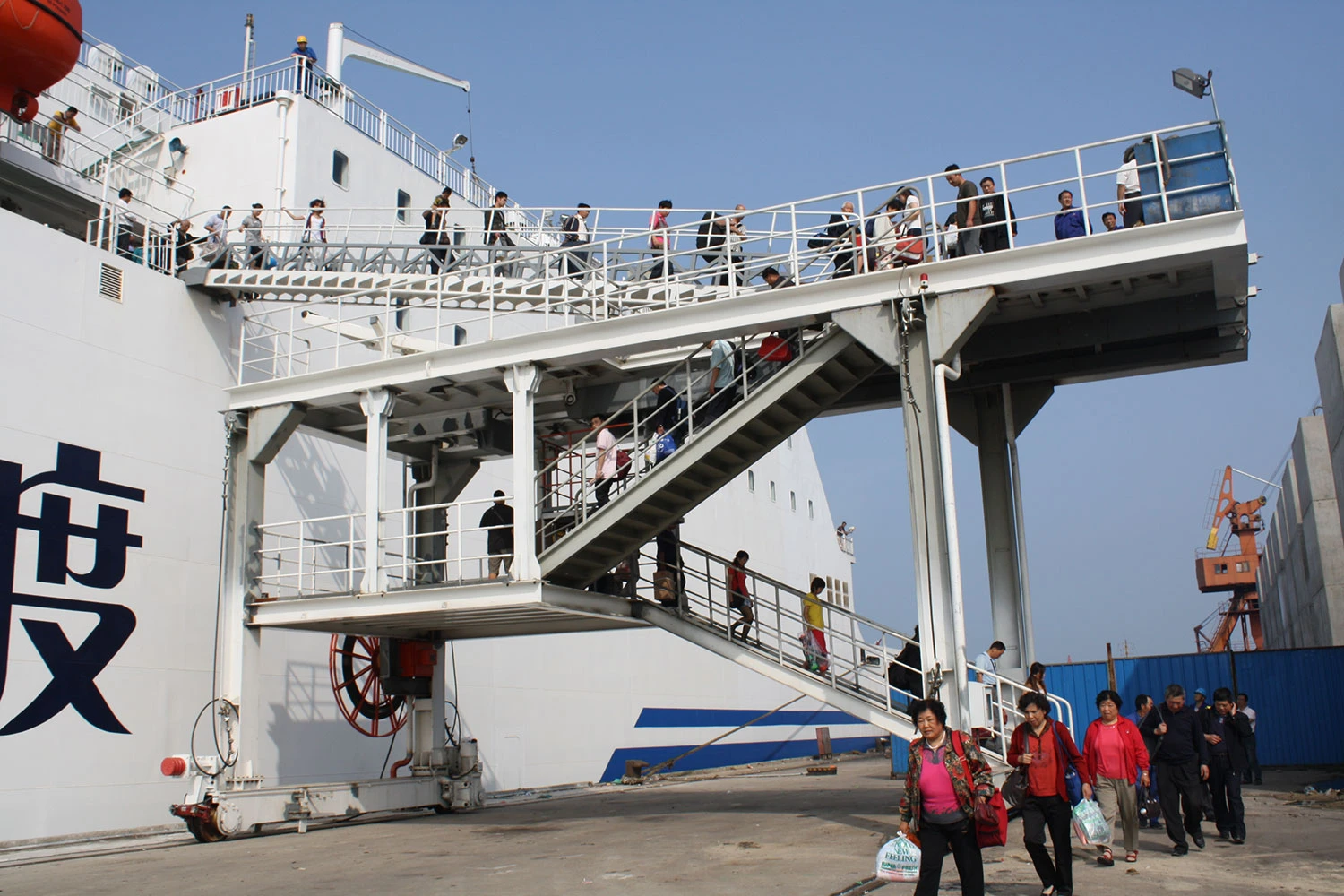
Active anti-sway and load stability systems help stop accidents. These systems use smart controls to keep containers from swinging. Sensors watch the load and change movements right away. This keeps containers steady, even if there is wind or a sudden stop. You can move containers faster and safer. Your equipment does not get as much wear and tear. Fully automated systems let you focus on your work. You do not have to worry about fixing dangerous swings.
Multi-layer safety interlocks and emergency stops
Multi-layer safety interlocks and emergency stops keep your team and equipment safe. These features stop the crane right away if something is wrong. Interlocking devices block unsafe actions during repairs or when people are in danger zones. The table below shows how these devices work:
|
Safety Device |
Function |
|---|---|
|
Instantly stops all crane work if there is a problem or danger. You can use them from the operator’s cab or from the ground. |
|
|
Interlocking Protection Devices |
Stop unsafe or unapproved use during repairs or when people are in danger zones. |
These systems help you follow strict safety rules. This helps you avoid accidents.
Sensor fusion and obstacle detection
Sensor integration uses radar, LiDAR, and cameras to find obstacles. Each sensor has its own strength. Radar works well when the weather is bad. LiDAR gives very exact results when things are close. Smart control systems use this data to find objects and people fast. You can set up special safety zones. Red means emergency stops. Yellow means warnings. This keeps your work area safe and helps you avoid delays.
Integration with port safety standards and certifications
You follow global rules to make sure your portal crane or container handling gantry crane is safe. The table below lists some important rules:
|
Certification/Standard |
Description |
|---|---|
|
OSHA 1910.176 |
US rule for how to use, keep safe, and train people for harbor cranes. |
|
US rule for how to design, build, install, and fix gantry cranes. |
|
|
European rule for how safe and well harbor cranes must work. |
You can change your automation system to meet these rules. This helps you know your equipment is safe and ready for any port.
You notice safety gets better when you use automation with your container handling gantry crane. Real-time monitoring helps stop injuries at work and lets you act fast if there is danger. The table below explains how you get safer work for a long time and more control over your port.
|
Safety Improvement Aspect |
Description |
|---|---|
|
Reduction of Human Error |
Automation keeps operators away, so accidents happen less. |
|
Rapid Response Capability |
Systems act right away to stop accidents. |
|
Enhanced Monitoring and Control |
You watch and control things from far away, so people do not get tired and make mistakes. |
FAQ
How do automated stacking cranes improve safety at ports?
Automated stacking cranes use sensors and smart controls. These tools help stop accidents. They keep your team safe when moving containers.
What role do automated guided vehicles play in container handling?
Automated guided vehicles move containers without people nearby. This lowers risks. It helps make port work safe and efficient.
Can I upgrade my current system for more safety?
You can add new technology to your cranes. Upgrades like sensors and automation make your port safer. They help your port work better and meet safety rules.


