
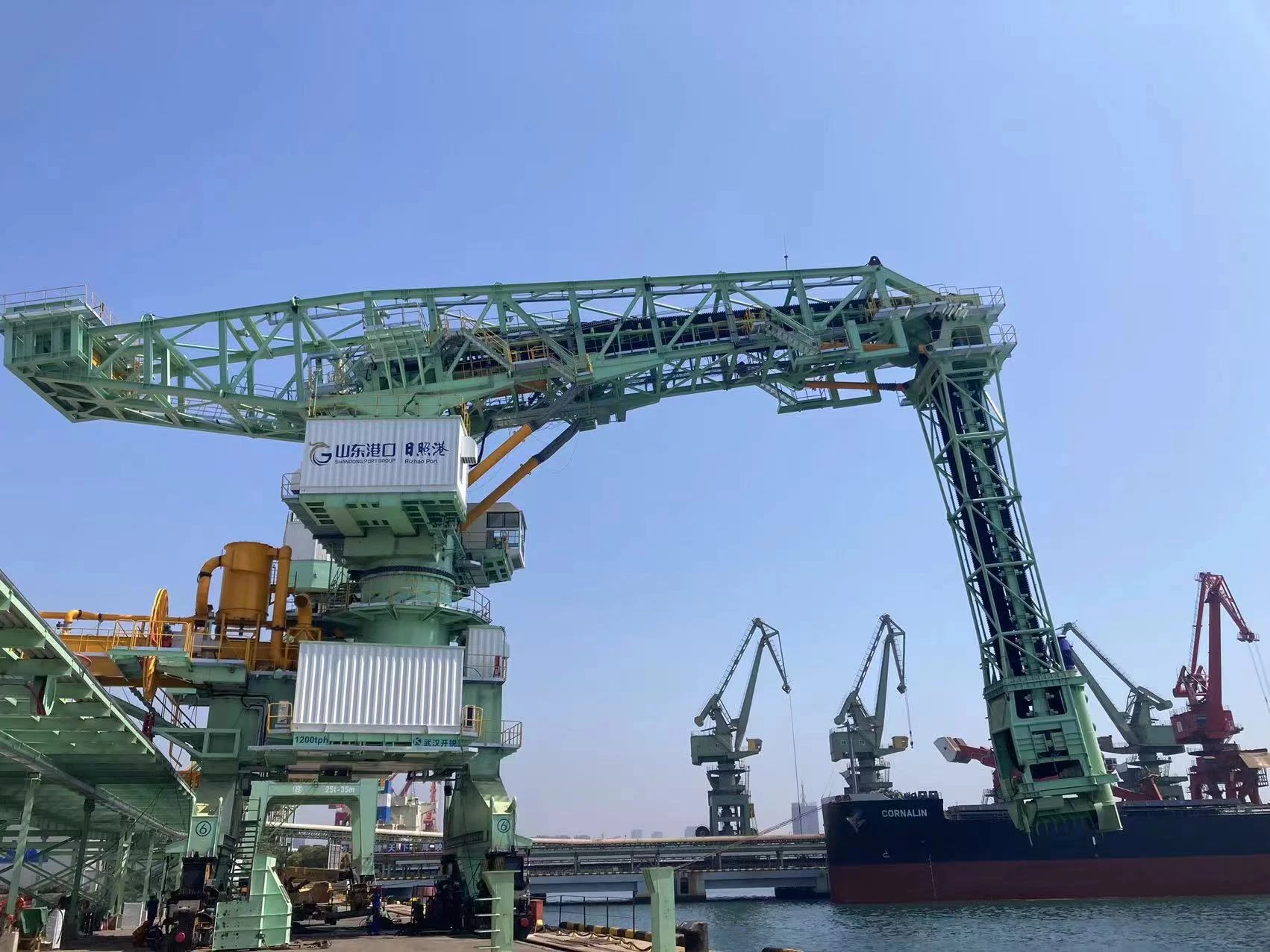
You can stop truck-cab contact events best by thinking about safety all the time. Safety begins before you use any equipment. Safety gets better when you pay attention and learn. Safety gets stronger when you use advanced cargo handling equipment from CEGC. Reach Stacker: stop truck-cab contact events by putting safety first.
Key Takeaways
-
Always check your equipment before you use it. This helps you find problems early and keeps people safe. - Use new technology like ultrasonic sensors and safety interlocks. These tools help make things safer and stop accidents. - Train often and talk clearly with your team. This helps everyone get better and makes mistakes less likely.
Why Truck-Cab Contact Events Occur
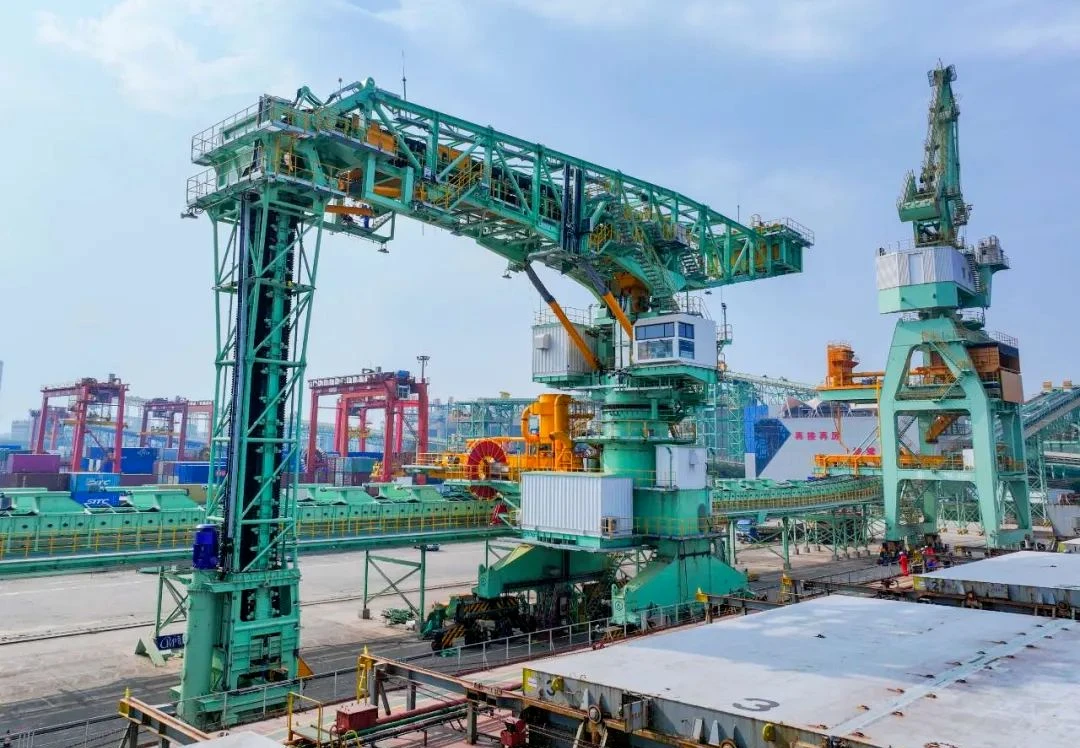
Common Causes
Operating cargo handling equipment is hard. Mistakes in load calculations can cause safety problems. If you move a reach stacker wrong, accidents can happen. Rushing makes you lose focus and can lead to crashes. Not following steps makes things less safe. Loads that swing are a big problem. Bad loading can cause jackknife accidents. When you brake, cargo can push the trailer forward and make it sway. Steering to fix sway can make it worse. Bad loading can make trucks lean or fishtail in turns or stops. Sometimes, you do not see small shifts until it is too late. When loads shift, it is very hard to get control back. Not securing cargo hurts safety.
Using advanced cargo handling equipment from CEGC helps safety. Anti-sway systems, safety interlocks, and operator-centered HMI help you avoid mistakes and stay in control.
Risk Factors in Cargo Handling Equipment
Wind can make cargo handling equipment unsafe. Strong winds can tip trucks over. Braking fast in wind can cause jackknife accidents. If cargo is not tied down, wind can blow it off and cause crashes. Not using the same safe habits every time is risky. Looking away from the road, using a phone, or slow reactions are dangerous. Speeding up or slowing down for no reason means you are distracted. Fast braking or speeding up can cause rear-end crashes. You need to follow work hour rules, rest when tired, and take breaks before you get too tired. Safety depends on your focus and good cargo handling equipment.
Accidents hurt your work and cost more money. Losing control can damage trucks, cargo, and equipment. You will spend more time and money fixing things. CEGC gives you cargo handling equipment with good safety features and ways to customize. You can pick anti-sway systems, safety interlocks, and operator-centered HMI to make things safer and lower risks.
Reach Stacker: Stop Truck-Cab Contact Events
Pre-Operation Safety Checks
You can stop most truck-cab contact events by doing a safety check before each shift. This helps your equipment work well and keeps your area safe. Do these things before you use any reach stacker or container handler:
-
Walk around and look for leaks, cracks, or damage.
-
Check the tires for cuts, low air, or worn spots.
-
Make sure forks and attachments are straight and tight.
-
Look at hydraulic hoses for leaks or damage.
-
Check inside the cabin. The seatbelt should work, and the cabin should be clean.
-
Take away anything in the work area.
-
Make sure the fire extinguisher is there and ready.
-
Check engine oil, fuel, and radiator water levels.
-
If you use electric equipment, check the battery.
-
Test the horn, lights, and backup alarm.
-
Make sure brakes, steering, and gas pedal work well.
-
Test lift and tilt controls to see if they work right.
Doing these checks often helps you find problems early. This keeps everyone safe, saves time, and keeps your equipment working well. You get better at your job and follow safety rules every day.
Communication and Operator Training
Good communication and training help stop truck-cab contact events. You need to talk with your team before, during, and after each job. Use radios, hand signals, or lights to share important news. Always check when it is safe to load, unload, or move.
Training helps a lot. You can watch short videos before each shift to remember safety rules. Practice with VR drills every two weeks to get better and make fewer mistakes. Training all the time keeps your skills sharp and helps you do your job safely.
|
Training Method |
Effectiveness |
|---|---|
|
Micro-learning videos before shifts |
|
|
Bi-weekly VR simulator drills |
Reduces real-world errors by 25% |
Taking more classes and extra training makes you better at your job. These steps lower the chance of accidents and help you reach safety goals.
Technology Solutions for Safety
New technology gives you tools to stop truck-cab contact events. You can use ultrasonic sensors and lasers to check how tall vehicles are. Laser beams in over-height systems warn you if a truck is too tall. Microwave radar and computer vision systems help you see dangers before they happen.
CEGC has safety features for all port equipment, like container handlers and cranes. You can pick anti-sway technology to keep loads from swinging. Impact detection and safety interlocks make sure your equipment works only when it is safe. Operator-centered HMI gives you clear alarms and easy controls.
-
Ultrasonic sensors and lasers check vehicle height and stop crashes.
-
Microwave radar and computer vision add more safety.
-
Anti-sway technology keeps loads steady and stops accidents.
-
Safety interlocks and operator HMI make using equipment safer.
These tools help you follow safety rules and keep your work safe and smooth.
Best Practices for Cargo Handling Equipment
You can use simple steps to keep your equipment safe and your work easy. Always handle cargo with care. Tie down every load before you move. Use vehicle restraints so trucks do not move away too soon. Safety lights show when it is safe to load, unload, or drive away.
-
Keep three points of contact when you get in or out of the reach stacker. This means two hands and one foot, or two feet and one hand, on the equipment at all times.
-
Make sure steps and handholds are clean and dry. This helps stop slips and falls.
-
Never stand on the frame or unsafe places.
-
Follow all safety rules when loading and unloading.
-
Use interlocking systems with dock levelers and doors for safe steps.
Predictive maintenance is a smart idea. Sensors collect data about your equipment’s health. You can find problems early and fix them before they get worse. This saves money, makes your equipment last longer, and keeps your work safe.
-
Maintenance based on data saves money and time.
-
Finding problems early stops big breakdowns.
-
Automatic reports help you follow safety rules and keep equipment ready.
Energy-saving reach stackers also help you meet safety and green goals. They use less fuel and make less pollution. This makes the air cleaner and helps you fight air pollution. Hybrid and electric options use less fossil fuel and make your work better for the planet.
By using these steps, you make your workplace safer, protect your equipment, and help keep the air clean. CEGC gives you the tools and choices you need to meet your safety and work goals. Use these ideas every day to reach stacker: stop truck-cab contact events and keep your team safe.
You can make things safer by checking your equipment often. Use technology and keep learning with training. Make a simple checklist for reach stacker operators to use:
|
Checklist Item |
Description |
|---|---|
|
Fluid Levels |
Look at oil, water, and hydraulic fluid levels. |
|
Leaks and Defects |
Check for leaks, cracks, or other damage. |
|
Safety Devices |
Try out seat belts and horns to see if they work. |
|
Operational Components |
Make sure brakes and steering work right. |
Using new technology helps workers pay attention and feel less worried. Pick CEGC for safe and strong equipment.
FAQ
What makes truck-cab contact events dangerous in port areas?
You face high risks when trucks move near heavy equipment. In a busy port, you must watch for blind spots and sudden stops. Safety rules protect you.
How do you keep trucks and reach stackers safe during port operations?
You check your equipment before work. You use signals and alarms. You follow port safety rules. You keep trucks clear of moving machines. You help others stay safe.
Why do ports focus on clean air practices with trucks and cargo handling?
You help the port by using clean air practices. You choose energy-saving trucks. You lower pollution. You make the port safer for everyone who works there.


