
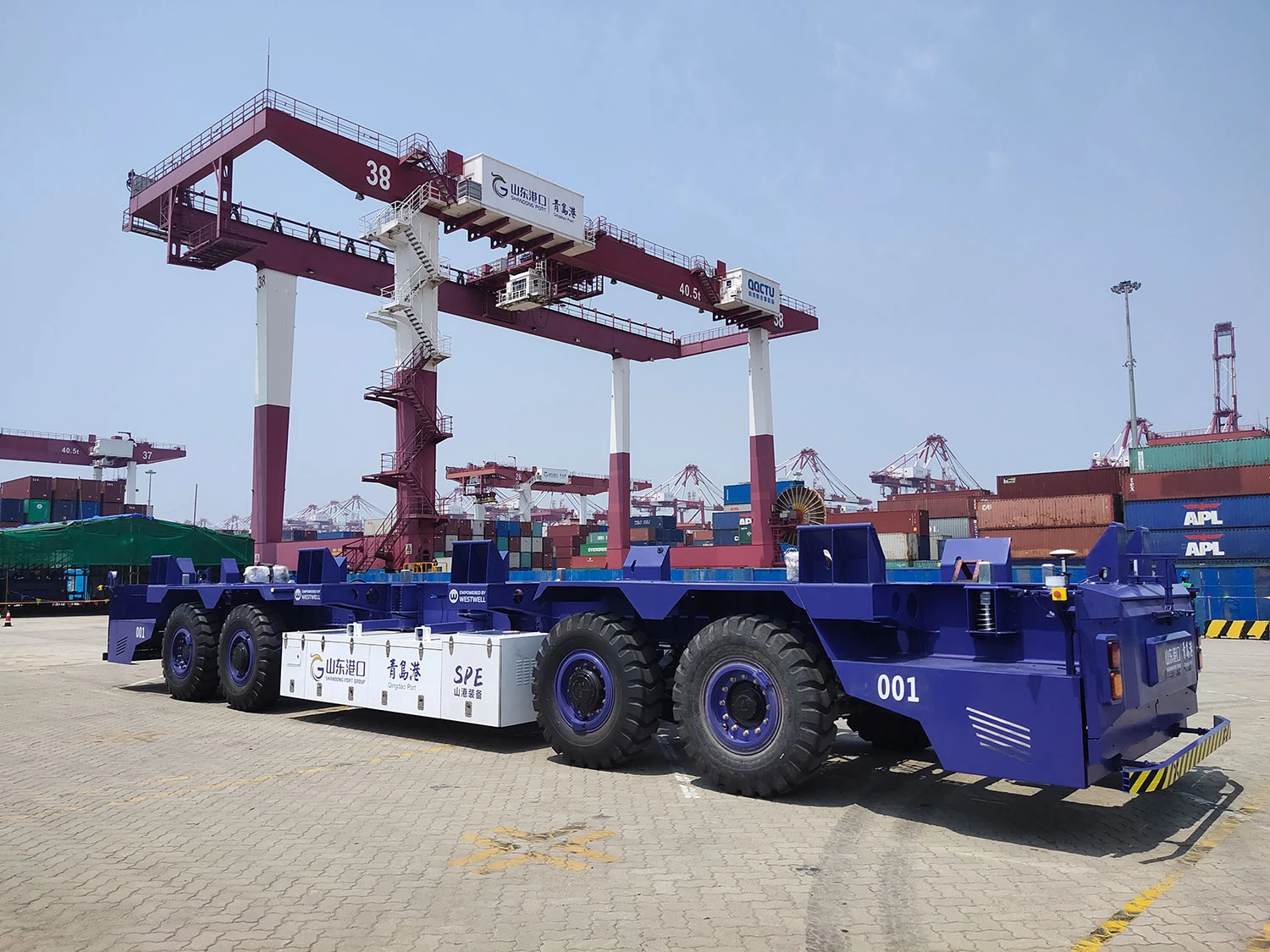
You notice cargo crane collision: the hidden cost of downtime when portal cranes, container cranes, and container handling equipment do not work. Cargo crane collision: the hidden cost of downtime makes port work slower. Cargo crane collision: the hidden cost of downtime causes ships to be late. Cargo crane collision: the hidden cost of downtime makes the supply chain less smooth. CEGC gives you standard solutions and custom options to help you handle cargo crane collision: the hidden cost of downtime.
Key Takeaways
-
Cargo crane collisions cause delays you can see and hidden costs that hurt how well your port works.
-
Regular checks and fixing things before they break can help find problems early. This can lower repair costs and stop long waits.
-
Training operators well can make accidents less likely and help crane work go better.
Immediate vs. Hidden Downtime Costs
Visible Delays and Operational Downtime
When a cargo crane crashes, it stops working right away. Ships have to wait longer at the dock. Workers cannot do their jobs until things are fixed. Portal cranes and container gantry cranes cannot move containers. The time it takes to finish jobs gets longer. Fewer containers get moved each hour. These problems show up in daily reports. You can count the lost hours and missed ship times. It is easy to see how downtime costs money when cranes are not working.
Unseen Impacts and Hidden Costs
Some costs are not easy to see right away. They do not show up in your daily reports. After a crash, problems can grow over time. Equipment might not work as well as before. Sometimes cranes cannot lift as much as they should. You might not find design or manufacturing problems with just a look. Damage can stay hidden until it gets worse.
-
Visual checks can miss damage you cannot see.
-
If you find problems late, repairs cost more and shipments are late.
-
Without good data, it is hard to know who is responsible.
-
Many problems stay hidden until they get much worse.
-
People can argue about who should pay for the damage.
Hidden costs can slow down work and make the supply chain less smooth. CEGC container handling equipment helps lower these risks. Better systems help you move containers faster. You can see and control what happens better. This keeps your port safe from surprise downtime costs and hidden problems that can hurt your work.
Causes of Hidden Downtime in Cargo Crane Collision
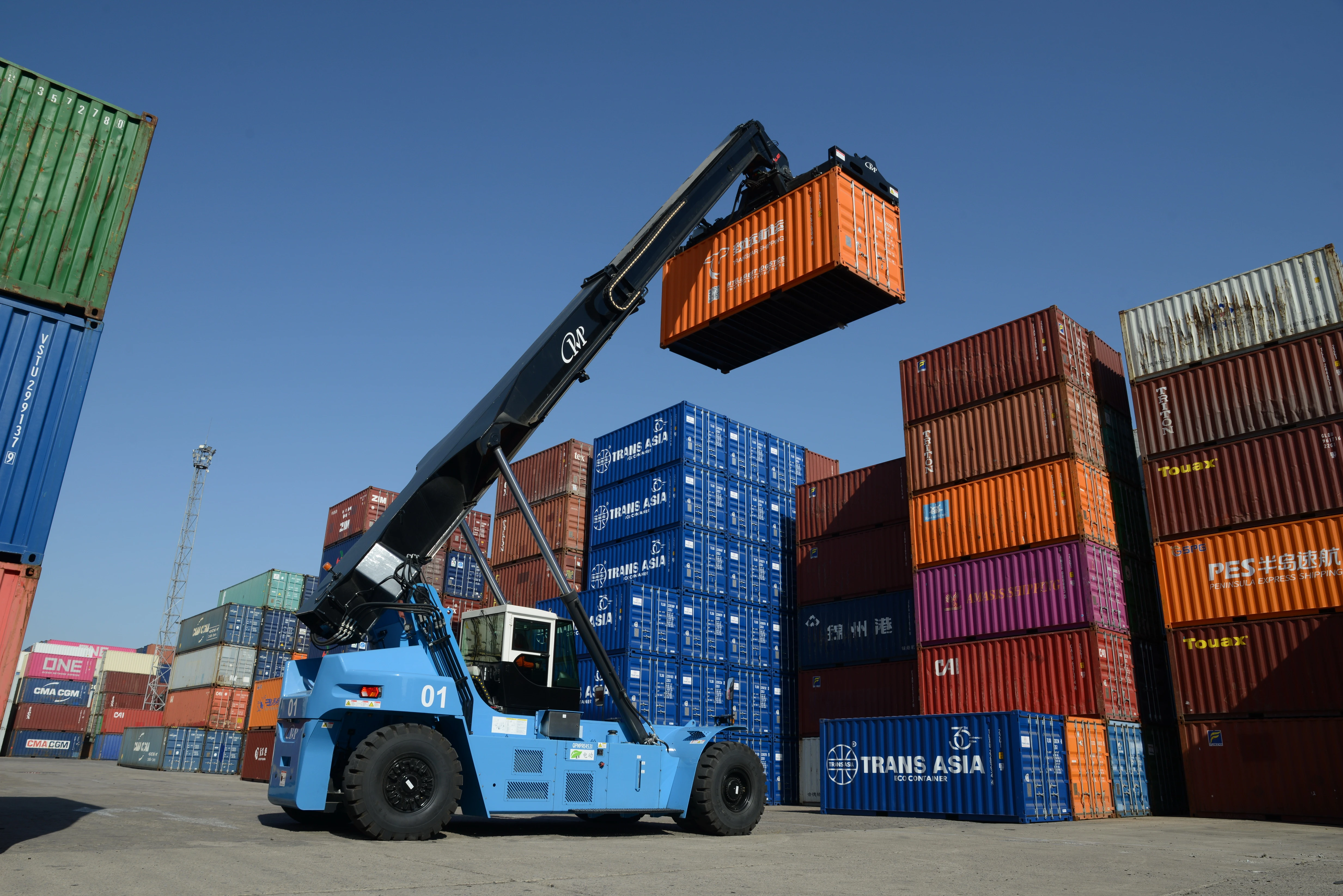
Many things can cause hidden downtime after a cargo crane collision. Knowing these causes helps you make plans to stop delays and lower repair costs.
Inspection, Repair, and Compliance Delays
When a collision happens, checking the crane right away is important. Regular checks help find problems before they get worse. After a crash, inspections and repairs often take more time than you think. Old equipment, poor maintenance, and design limits can cause failures you cannot see right away. These hidden damages make the crane work less well, so repairs take longer and cost more.
Following safety rules is also very important. You must make sure all repairs follow the law. Daily and monthly checks keep things running and stop sudden shutdowns. If checks are late or not done well, hidden damage can get worse. This leads to bigger repairs later. This process causes downtime you did not plan for and hurts your port’s work.
Workflow Disruption and Supply Chain Effects
A collision messes up your work in many ways. Load sway, wind, and weather can make lifting unsafe. These things raise the risk of more accidents and delays. For example, strong winds can move loads, making it hard to place them right and causing more crashes. These weather problems are often missed until they cause trouble, leading to downtime you did not expect.
Operator skill also affects how work goes. New operators or those with less skill may not act fast when things go wrong. Different skill levels mean work is not always done the same way, which can slow down moving containers. When operators have trouble with equipment, repair costs go up and less work gets done. These problems can delay ship schedules and hurt the whole supply chain.
Safety Risks and Operator Variability
Safety risks add to hidden downtime. Operators who are new or not trained well may cause crashes by mistake. These crashes lead to delays as safety steps are followed and checks are made. Different skill levels mean handling is not always safe, so accidents and repairs happen more often.
Training times make scheduling hard. During training, operators may not work as well, so crash risks go up. Skill gaps, especially when operators do not know the equipment, cause delays and damage that cost a lot to fix. These issues slow down work and make customers unhappy, so operator skill is a big part of hidden downtime.
CEGC’s anti-sway control systems and safety interlocks help solve these problems. Anti-sway technology keeps loads steady, even when wind or movement happens. Safety interlocks like limit switches and emergency stops stop unsafe actions. An operator-centered HMI shows clear alarms and real-time updates, so training is faster and handling is more steady. These tools help lower crash risks and cut hidden downtime from safety and operator skill problems.
Financial Impact of Operational Downtime Costs
Lost Productivity and Revenue
When a collision happens, you lose more than just time. You also lose work and money. Big ports can lose millions of dollars from downtime. For example, one insurance company said there were over $9 million in insured costs from 95 crane collision claims between 2019 and 2023. If you need a new container gantry crane, you might wait up to two years. During this wait, you cannot move containers as quickly. Your port may have to use other terminals, which costs more and slows down the supply chain. Every hour lost means you move fewer containers and make less money.
Increased Maintenance and Labor Expenses
After a collision, you pay more for repairs and workers. Unplanned downtime means you need more workers for extra shifts. You also spend more on emergency repair teams. In busy ports, these costs add up fast. If you only fix things after they break, you spend more on repairs. Regular maintenance helps you avoid these surprises. It keeps your cranes working longer and stops big repairs. CEGC’s predictive maintenance system helps you find problems early. You can plan repairs before they get worse.
-
Emergency repairs cost more than planned service.
-
Regular maintenance lowers repair costs and keeps your cranes working.
Penalties, Demurrage, and Customer Trust
A collision can cause penalties and demurrage fees. Ships may wait longer at the dock, and you might pay fines for late deliveries. Customers lose trust if you cannot keep schedules. These problems hurt your reputation and make it harder to get new business. CEGC’s energy efficiency and marine durability solutions help you avoid these risks. You keep your equipment working, need fewer repairs, and protect your port’s image.
Remember: Every collision brings hidden costs. You can lower these risks with smart repair planning and reliable equipment.
Minimizing Downtime Costs with CEGC Solutions
Preventive Maintenance and Training
You can save money by checking cranes often and training workers. When you look at your cargo crane or portal crane a lot, you find problems early. This helps stop accidents before they happen. Preventive maintenance makes RTG cranes break down less, by 60%. You do not have to wait long for repairs. Downtime is less than 2% of your year. You spend 35% less on fixing things. Your cranes last longer and you do not pay for big repairs.
Training teaches operators to use cranes safely. CEGC uses virtual reality and simulators for practice. Operators learn in real-life scenes but do not risk a crash. Training takes only 3–6 months. Your team learns to see problems and avoid errors. This means fewer crashes and less repair work.
Tip: Check cranes often and use anti-sway systems. Watch crane health with IoT sensors to find problems fast.
Collision Avoidance Technology
Collision avoidance technology keeps your port safe from accidents. CEGC gives you anti-collision zones and automation for cranes. These systems use sensors to spot danger and stop cranes in time. You see 10–20% fewer accidents from collisions. Automatic brakes and sensors help lower repair bills and downtime.
Here is a table that shows how CEGC helps you:
|
Strategy |
Description |
|---|---|
|
Predictive Maintenance |
Cuts crane downtime by 15–20% with checks based on crane condition. |
|
Automation of Container Handling |
Lowers mistakes and stabilizes work, reducing delays and jams. |
|
Regular Maintenance Checks |
Involves scheduling checks, using anti-sway systems, training operators, and monitoring crane health with IoT sensors. |
You can pick the best machines for your port with CEGC. Choose the right size, span, power, and safety level. Anti-sway control and safety interlocks stop accidents and make things safer. Predictive maintenance helps you find problems early, so you fix them before they get worse. Saving energy means you use less fuel and power, so your port works better.
Note: Using these tools helps you cut downtime and work better. You avoid delays, pay less for repairs, and keep your port working well.
You deal with hidden costs when cargo crane collisions happen. Lost money, fines, and repair bills pile up quickly. Look at the main ideas below:
|
Source |
Key Takeaway |
|---|---|
|
Mazzella Companies |
Knowing downtime costs helps you plan your money. |
|
Better Crane |
Unexpected breakdowns make downtime cost more. |
|
YG Crane |
Lost money and fines are the biggest hidden costs. |
Experts say you should use smart systems and automation. These tools help stop delays, cut labor costs, and keep your port safe. Pick CEGC to protect your money and keep your port working well.
FAQ
What is hidden downtime after a cargo crane collision?
Hidden downtime happens when you lose work time from problems you cannot see right away. You might have delays, slow repairs, and your port does not work as well.
How does CEGC help you reduce downtime costs?
-
CEGC gives you anti-sway systems, safety interlocks, and predictive maintenance.
-
You can spot problems early and avoid costly repairs.
Why should you train crane operators regularly?
|
Benefit |
Result |
|---|---|
|
Improved skills |
Fewer accidents |
|
Quicker action |
Less downtime |


