
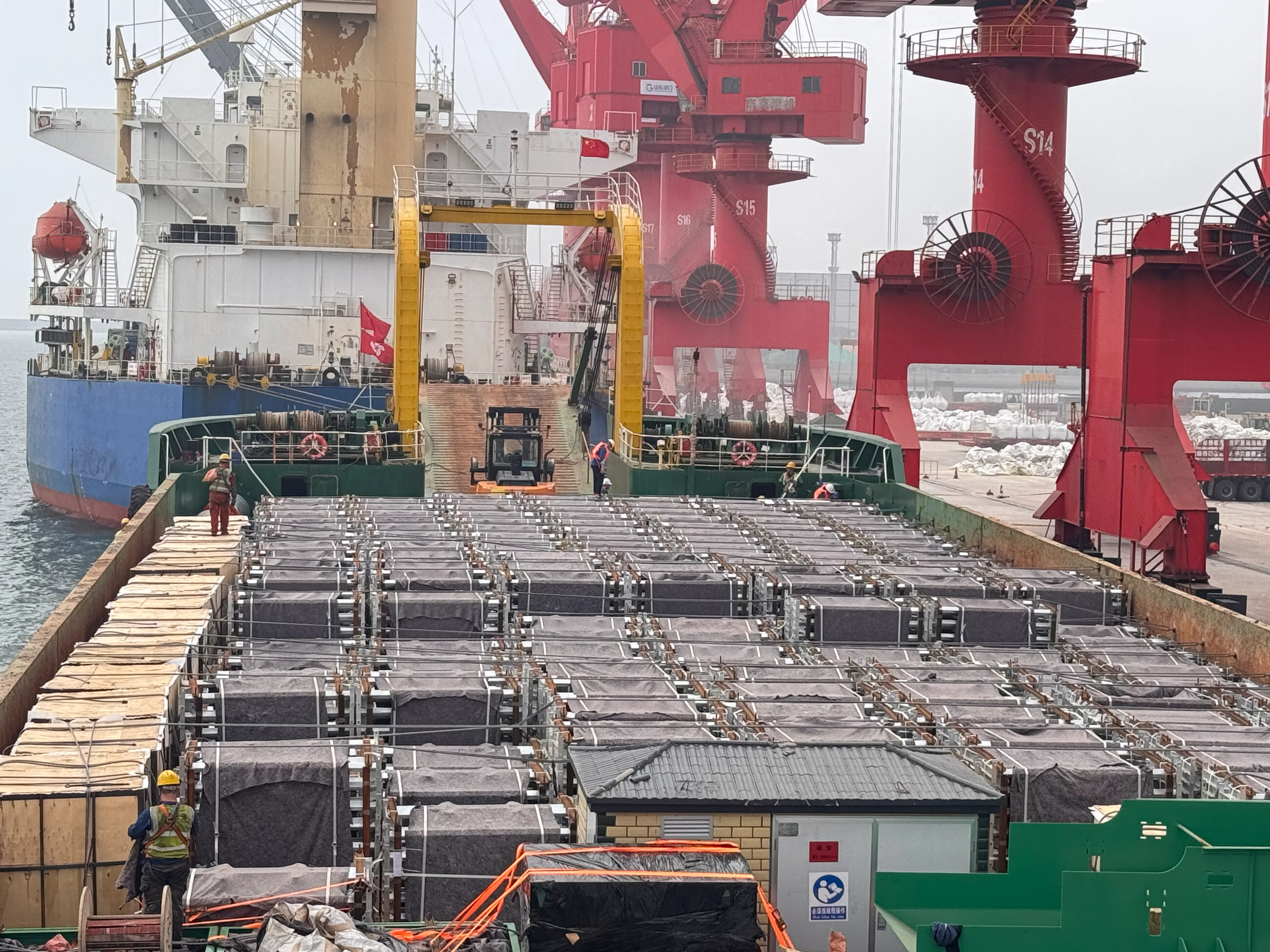
Ship crane pick success improves safety too, making it essential for smooth port operations. At CEGC, we understand that reliable ship crane performance is critical—not only for efficiency, but also for minimizing risks. Load sway can make precise lifts challenging, especially in complex environments where collision risks increase. Operator experience is vital for every move, particularly when handling large cranes and distant loads. Downtime becomes a bigger issue when maintenance or control systems are slow. That’s why CEGC delivers solutions focused on ship crane pick success, ensuring improved safety and operational reliability.
Key Takeaways
-
Pick success in ship crane operations means lifting cargo safely and quickly. Use advanced systems like anti-sway controls to make things safer and faster.
-
Training operators is very important for safety. Give strong training programs and practice with simulations to help build skills and confidence.
-
Use predictive maintenance to find problems early. This method saves money and keeps cranes working well, making things safer and more efficient.
Pick Success & Safety Impact
What Is Pick Success In Ship Crane Operations
Pick success happens when a ship crane lifts and moves cargo without mistakes. It means the job is done safely and quickly. CEGC makes ship cranes and other equipment to help you do this. Pick success is more than just lifting a container. It also means controlling load sway and avoiding crashes. The operator must follow the right steps every time. Using advanced systems like anti-sway controls and safety interlocks helps a lot. These systems make cargo handling faster and safer. Pick success keeps cargo safe and protects workers during the job.
Safety Risks Of Failed Picks
If a pick fails, there are many safety risks. These risks can cause accidents, hurt people, or damage ships and cargo. Here are some common safety risks:
-
A crane hook can hit the vessel bulwark if the signalman is not careful.
-
Cargo containers might be lowered when they should not be, causing damage or spills.
-
If mooring ropes are not released on time, the deck team can get hurt if a rope breaks.
-
Cargo that is not slung right can almost fall, causing near misses.
-
Bad crane driving and not listening to crew can damage crash rails.
-
Cargo can catch on a dry cargo line and break pipes if directions are not followed.
-
A swinging crane hook can almost hit a crew member, showing why rushing is dangerous.
Load sway makes ship crane work more risky for everyone. Too much sway can cause crashes with buildings or other cranes. Containers can fall or swing into other ships, hurting cargo and people. These problems show why pick success is important for safety.
How Pick Success Improves Safety
When you get pick success, you have fewer accidents and mistakes. Ship crane: pick success improves safety too by lowering the chance of dropping things or crashing. There are fewer problems and less damage to ships and cargo. Serious accidents and insurance claims go down. New technology and better ways to handle problems make things safer. Good leadership and following rules are important. When you follow safety steps, you stop risks and make work safer.
Pick success also makes cargo handling faster. Ship cranes help ships spend less time at the dock. This means ports work better and cargo moves faster. Advanced technology lets you load and unload cargo quickly. You need good systems and teamwork to keep safety high and avoid disasters. Ship crane: pick success improves safety too by making ports safer and more productive.
Tip: Train your operators and use advanced crane systems. You will have fewer accidents and better cargo handling.
Ship crane: pick success improves safety too. You keep workers, cargo, and equipment safe. You make the port safer and cargo handling better every day.
Technical Solutions For Safer Ship Crane Operations
Anti-Sway & Safe Lifting Systems
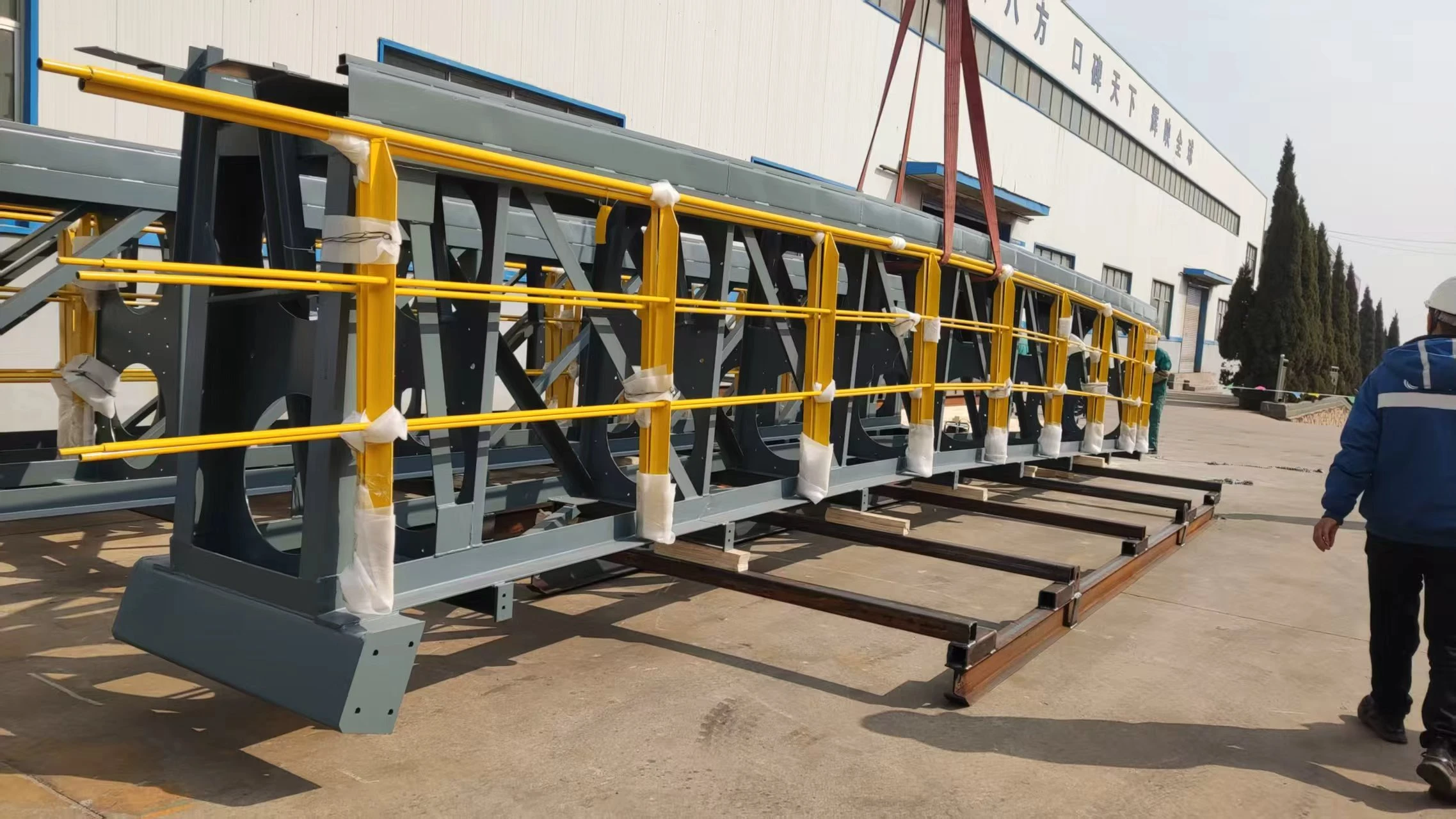
You need strong marine cranes to keep your port safe. Anti-sway technology is very important in new lifting systems. It helps control load sway, which can be dangerous. Using anti-sway controls lowers the chance of accidents. It also makes each pick more exact. This technology lets you work faster because you do not need to stop and steady loads as much.
Here is how anti-sway systems help you:
|
Evidence Type |
Description |
|---|---|
|
Safety Enhancement |
Anti-sway technology makes work safer by lowering accident risks. |
|
Operational Efficiency |
It helps you work faster by cutting down time spent steadying loads. |
|
Precision in Placement |
Keeping loads steady helps put containers in the right spot and stops damage. |
CEGC gives you lifting equipment with standard features and custom options. You can pick the right size, span, and work level for your cranes. This means you get the best lifting system for your job. You also meet safety rules every time you use them.
Multi-Layer Safety Interlocks
Safety interlocks keep you and your team safe during lifts. These systems use limit switches, overload stops, and emergency buttons to stop accidents. You can trust these safety parts because they must pass hard tests. International rules, like ISO 12482:2014 and IMO MSC.1/Circ.1216, say all interlocks must work at the right time. If someone overrides a safety step, it must be recorded and checked. You need to write down each setup for safety checks and audits.
With CEGC marine cranes, you get many layers of safety interlocks. You can change these features to fit your needs. This helps stop crashes and keeps your team safe. Regular checks make sure your safety systems always work right.
Operator Training & HMI
Operator skill is very important for pick success. You should give your crane operators good training. These programs teach normal and emergency steps and follow ISO rules. Simulation training lets operators practice safely. They learn safety steps, build good habits, and feel more sure of themselves.
Here are best practices for operator training and HMI design:
|
Best Practices for Operator Training |
Description |
|---|---|
|
Thorough Training Programs |
Training should follow ISO rules and teach both normal and emergency steps. |
|
Ergonomic Working Conditions |
Quiet and comfortable rooms help operators work better for longer. |
|
Efficient Load Handling |
Operators should learn to do more than one job at once to save time. |
Simulation training lets your team practice dangerous jobs without real risk. You can check how well operators do and see safety get better. CEGC marine cranes have easy-to-use HMI. You get clear alarms, status screens, and step-by-step help. This makes training easier and keeps safety results steady.
Predictive Maintenance & Energy Efficiency
Predictive maintenance helps your cranes last longer and stay safe. You use sensors and data to find problems before they stop work. This way, you fix things at the right time, not just on a set schedule. You can guess when something might break 30 to 90 days ahead. This saves up to 30% on repairs and cuts surprise stops in half.
Here are the newest ideas in predictive maintenance and energy saving for cranes:
|
Advancement Type |
Description |
|---|---|
|
Using electric or hybrid power saves energy and lowers repair costs. |
|
|
Advanced Control Systems |
Special controllers help cranes work better and safer. |
|
Lightweight and Corrosion-Resistant Materials |
Strong, light materials make cranes lighter and save fuel. |
|
Variable Frequency Drives (VFDs) |
VFDs use just the right amount of energy and help motors last longer. |
|
Wireless and Remote Operation |
You can run cranes from far away and check them for problems without being close. |
|
AI-driven Predictive Maintenance |
New sensors and smart systems help you manage cranes better. |
|
Hydrogen-powered and Solar-assisted Systems |
New power ideas help cut pollution and make cranes greener. |
You also need regular checks to keep your cranes working well. Predictive maintenance stops problems before they happen. You use AI and data to plan repairs and keep cranes running. This helps you stay safe and spend less money.
CEGC marine cranes work with your port’s systems. You get live schedules, work data, and digital tools. This helps you stay safe and work well, even when it is busy. Ship crane: pick success improves safety too when you use new lifting systems, safety interlocks, operator training, and predictive maintenance.
Note: You can make your port safer and faster by picking the right cranes, training your team, and using predictive maintenance. These steps help protect your people, your cargo, and your machines.
You make things safer for people and cargo when you use advanced ship cranes and teach your team well. New systems help lower risks and stop expensive mistakes. Look at the benefits below:
|
Cost Component |
Estimated Cost Range |
|---|---|
|
Operational Shutdown |
$50K-$500K per hour |
|
Equipment Damage |
$2M-$15M |
-
Use digital controls to get better results.
-
Train operators with simulators for practice.
-
Pick reliable suppliers to get good support.
Keep buying new technology and training your team for long-term success.
FAQ
How does a deck crane improve cargo handling in port operations?
You use a deck crane to lift containers quickly. This tool helps you move cargo handling tasks faster. It keeps port operations smooth and reduces waiting times for ships.
Why is safety important when using a deck crane for cargo handling?
You protect workers and cargo when you follow safety steps. A deck crane helps you avoid accidents during cargo handling. Safe port operations mean fewer injuries and less damage.
What makes a deck crane essential for efficient port operations and cargo handling?
You rely on a deck crane for heavy lifts. It supports cargo handling on ships and docks. This equipment keeps port operations running and helps you finish jobs on time.
Tip: You can boost cargo handling speed by training your team to use a deck crane well. This keeps port operations safe and efficient.


