
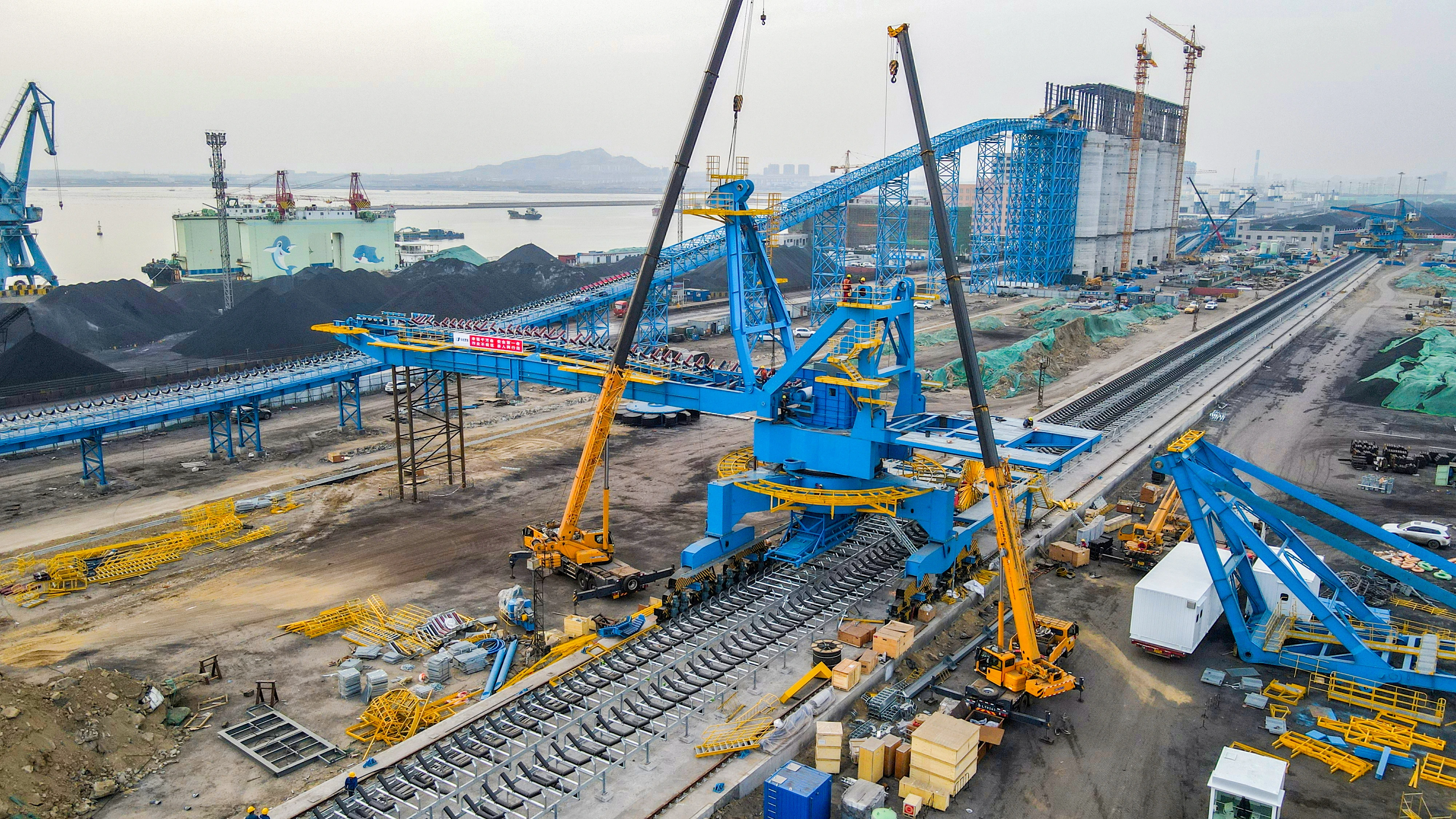
You can prevent spreader skew and mispicks in your Reach Stacker with advanced vision technology, safety interlocks, and anti-sway systems. CEGC offers Reach Stacker solutions designed to stop spreader skew mispicks, ensuring container handling remains safe and efficient. Operators and maintenance teams benefit from clear procedures that help avoid errors and safeguard every operation.
Key Takeaways
-
Stop spreader skew and mispicks by using new technology like anti-sway systems and vision monitoring.
-
Do regular maintenance checks to make sure your Reach Stacker works safely and well. This helps cut down on downtime.
-
Make sure operators get good training. This helps lower mistakes and makes container handling better.
Reach Stacker: stop spreader skew mispicks
Causes of Spreader Skew and Mispicks
Spreader skew and mispicks can happen during container handling. These issues make your job slower and less safe. The main reasons are:
-
Improper guide alignment: If the guides do not match the container corners, the spreader can twist or miss the locks.
-
Lack of calibration: If you skip calibration, the spreader may not move evenly. This causes uneven lifting and mispicks.
-
Sensor faults: Broken sensors can send wrong signals. The system cannot find the spreader’s exact spot.
-
Mechanical wear: Old parts in the spreader or lifting system can cause movement mistakes.
-
Operator error: Fast or random moves can make the spreader swing or miss the target.
You must know these causes to stop spreader skew and mispicks before they happen.
Operator Actions & Pre-Operation Checks
You help keep your Reach Stacker safe and working well. Before you start, follow these steps to lower the risk of spreader skew and mispicks:
-
Use anti-sway technology from CEGC to control the load. This keeps the spreader steady, even when it is windy.
-
Make sure you have good training. This helps you move containers smoothly and avoid sudden stops or swings.
-
Turn on safety interlocks. These systems stop unsafe moves and protect the load and machine.
-
Do safety checks before you start. Use sensors to check all systems.
-
Check fluid levels. Look at hydraulic oil, engine oil, coolant, and brake fluid.
-
Test the battery and electrical system. Make sure the temperature and voltage are safe.
-
Run checks on all sensors and cameras. Make sure proximity sensors and rear-view cameras work well.
You should also follow industry rules for container handler and portal crane jobs:
-
Make sure your operator certification is up to date.
-
Keep load charts and manuals in the cab.
-
Check that the annual inspection certificate is valid.
-
Look at past inspection logs for open problems.
-
Make sure all permits are ready for today’s work.
-
Check weather and ground conditions.
-
Mark overhead power lines and the crane’s swing area.
-
Inspect the boom, wire ropes, hooks, and blocks for damage.
-
Test all controls, limit switches, and emergency stops.
-
Check brakes, tires, and hydraulic systems.
-
Make sure all rigging and securing devices are in good shape.
By doing these steps, you help stop mistakes and keep your Reach Stacker: stop spreader skew mispicks process running smoothly.
Immediate Prevention Steps
You can act right now to stop spreader skew and mispicks. Here are some easy tips:
Tip: Always check the spreader guides before each shift. Look for signs of wear or misalignment.
-
Calibrate the spreader guides often. Use a laser rangefinder to check symmetry. The error should be less than 3mm. Adjust the twist lock clearance to less than 2mm. This stops shaking during loading and unloading.
|
Calibration Procedure |
Measurement Requirement |
|---|---|
|
Symmetry calibration |
Use a laser rangefinder; error ≤ 3mm |
|
Twist lock clearance adjustment |
Clearance ≤ 2mm to avoid shaking |
-
Use vision-based monitoring systems. These systems spot misplacements as they happen. You get alerts right away, so you can fix problems before they slow you down. Vision systems can cut mispicks by over 80%.
-
Watch for pattern changes. If you see mispicks happening in the same spot, mark it as a high-risk area and check for causes.
-
Use anti-sway systems. These systems use sheaves, mechanical linkages, trolleys, and reeving systems to keep the spreader straight.
|
Component |
Function |
|---|---|
|
Sheaves |
Adjust the position and alignment of the spreader |
|
Mechanical Linkages |
Move the wire ropes to adjust list, trim, and skew |
|
Trolleys |
Support the lifting spreader headblock and allow movement |
|
Reeving System |
Facilitate the handling of cargo containers |
You can trust CEGC solutions for your Reach Stacker: stop spreader skew mispicks needs. These systems help your container handler, portal crane, or other container equipment work safely and efficiently.
Maintenance, Technology & Troubleshooting
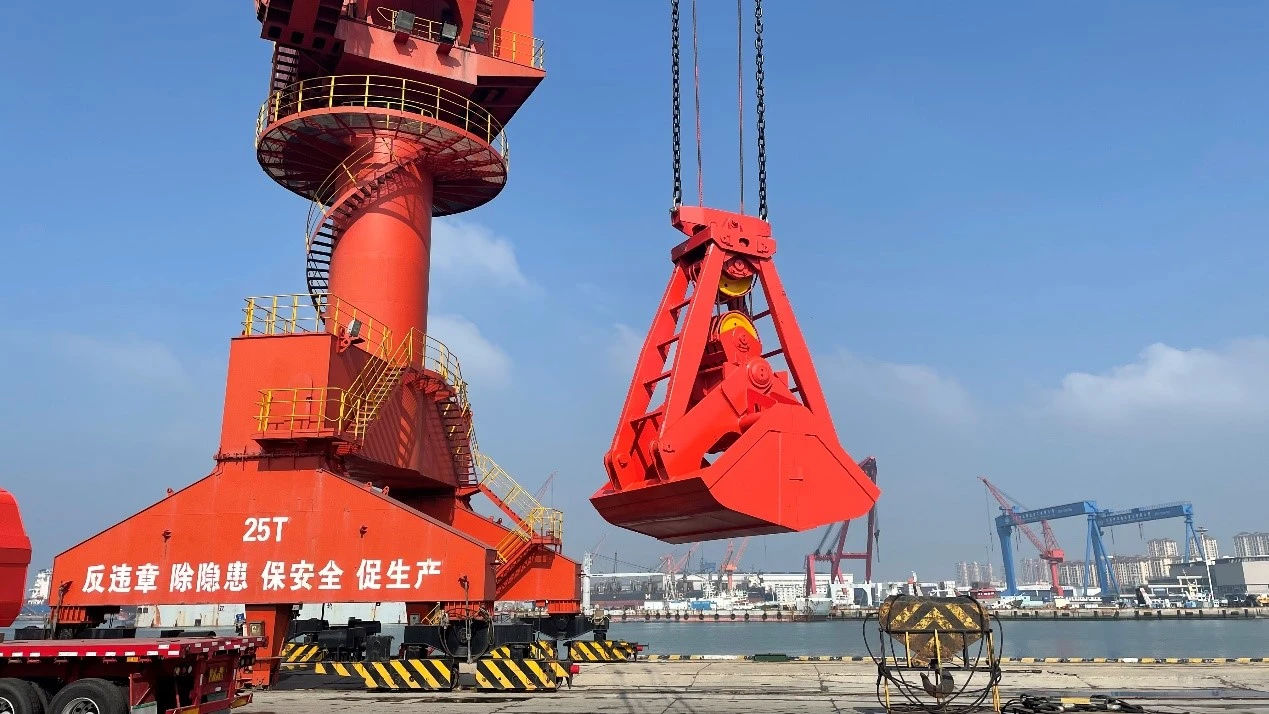
Maintenance & Inspection Routines
Doing regular maintenance keeps your equipment safe and working well. You should follow daily, weekly, and monthly routines. This helps you stop sudden breakdowns. It also keeps your Reach Stacker: stop spreader skew mispicks process running smoothly. Use this table to plan your checks:
|
Frequency |
Maintenance Tasks |
|---|---|
|
Daily |
Lubricate moving parts. Check hydraulic fluid levels. Inspect brakes and tires. Verify safety devices. |
|
Weekly |
Inspect hydraulic hoses. Check electrical components. Maintain battery voltage and terminals. |
|
Monthly |
Conduct a full equipment check. Evaluate speed and lifting capacity. Perform load testing. |
Doing regular maintenance means less downtime. Your equipment lasts longer and works safer. You also follow the rules and keep your port running well.
Technology Upgrades & Solutions
You can make your equipment safer with new technology. Modern systems help you find problems early. You can fix them before they get worse. Here are some good upgrades for your container handler:
|
Technology Upgrade |
Benefit |
|---|---|
|
Predictive Maintenance |
Cuts downtime by up to 20% with condition-based checks. |
|
Anti-sway System |
Keeps loads steady and reduces drift. |
|
Smart Monitoring Systems |
Warns you about damage and wear before it becomes a problem. |
|
Cost Savings |
Lowers maintenance costs and insurance, improves reliability and safety. |
Predictive maintenance helps you avoid big delays. Some ports save a lot of money by stopping unplanned downtime. Real-time sensors give you more control. They help you make better choices.
Troubleshooting Guide
You can fix most problems with a simple checklist. If something is wrong, check these things:
-
Battery voltage: Test the battery and change it if needed.
-
Controller overheating: Make sure it has good cooling.
-
Sensor faults: Clean or swap out dirty sensors.
-
Overload alarms: Check that the load is not too heavy.
-
Controller faults: Try a reset or call for help.
Watch your key numbers, like how long each move takes and if your equipment is ready to use. Quick fixes keep your Reach Stacker: stop spreader skew mispicks process safe and working well. CEGC has special options for safety, anti-corrosion, and automation for your port.
You can stop spreader skew and mispicks if you follow simple steps. Regular maintenance helps keep the equipment safe. New technology finds problems early. Operator training teaches you how to avoid mistakes.
-
Upskilling programs help you get ready for your job.
-
Semi-automatic systems find dangers quickly.
-
Training lowers mistakes by almost half.
Pick CEGC to make container handling safer and faster.
FAQ
What is spreader skew in a Reach Stacker?
Spreader skew means the spreader does not stay straight. You may see the container twist or not lock in place.
How do you prevent mispicks with CEGC solutions?
You use anti-sway systems, safety interlocks, and vision monitoring. These tools help you align containers and avoid mistakes.
Why should you check sensors before each shift?
Sensors help you spot problems early. You keep your container handler safe and avoid costly errors.


