
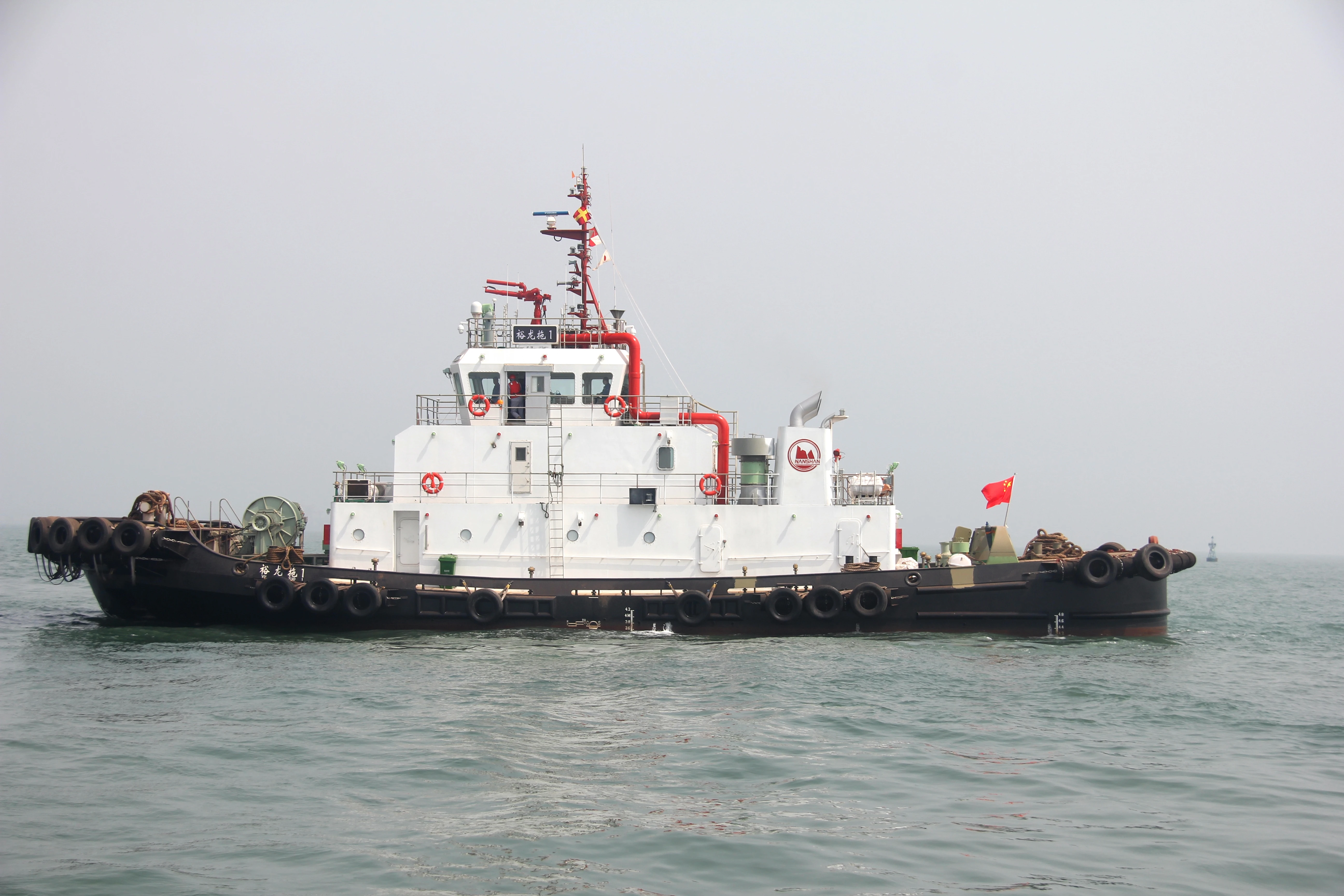
You can see how Ship crane remote monitoring for deck safety transforms the way you manage workplace hazards. By using advanced monitoring, you gain real-time insights that help prevent incidents and ensure safer operations on deck. The main safety risks addressed by Ship crane remote monitoring for deck safety include:
|
Safety Risk |
Description |
|---|---|
|
Inclement Weather |
Wind, rain, and harsh weather can make the ship crane unstable and difficult to control. |
|
Mistakes by operators can lead to accidents or unsafe situations on deck. |
|
|
Mechanical Error |
Without proper maintenance, ship cranes may experience failures that create safety issues. |
CEGC provides port machinery, including ship cranes equipped with remote monitoring for deck safety, that meets market-standard performance specifications. Each solution can be customized to fit your project’s requirements, ensuring both safety and efficiency for your operations.
Key Takeaways
-
Ship crane remote monitoring makes things safer. It gives real-time data about load weights, wind speed, and equipment status. This helps people react fast to dangers.
-
Advanced safety features like anti-collision technology and anti-sway control lower accident risks. These features make work safer and more efficient.
-
Predictive maintenance uses monitoring systems to find problems early. This cuts down on downtime and saves money by stopping big equipment failures.
Ship crane remote monitoring for deck safety
Improved visibility and real-time data
You need to see clearly to keep the deck safe. Ship crane remote monitoring for deck safety helps you see what is happening on the crane all the time. With radio remote controls, you can check where the crane is and how it moves from far away. This makes things safer when you cannot see well, like in storms or at night.
Modern monitoring systems use sensors to collect real-time data from the crane. This data helps you find problems before they get dangerous. You can use radio remote controls to see load weights, wind speed, and equipment status right away. When you see better, you can act fast and stop accidents.
Here are ways different solutions help you see better and get real-time data:
|
Solution Type |
Description |
|---|---|
|
STS Crane Monitoring Solutions |
Smart port cranes use vibration checks to keep work safe and reliable. |
|
Digital Monitoring Systems |
These systems help you save money by stopping downtime and using less energy. |
|
Predictive Maintenance |
Remote monitoring gathers data so you can plan repairs and keep equipment working well. |
You also get real-time checks on load capacity and weather. This stops you from overloading the crane and keeps people safe. Radio remote controls let you answer alerts about wind or other dangers right away. Seeing better helps stop accidents and keeps your team safe.
Advanced safety features and anti-sway control
Ship crane remote monitoring for deck safety uses smart safety features to protect your crew and cargo. You get anti-collision technology that stops the crane if it gets too close to something. Radio remote controls help you set safe zones and stop accidents you can prevent. These features work together to lower risks from not seeing well or making mistakes.
Anti-sway control is a very important tool for safe crane work. When you use radio remote controls with anti-sway, you can move heavy loads with less swinging. This makes it easier to put cargo in the right spot. Anti-sway control can cut load swing by up to 95%. It also lowers crashes by 90%. Even new operators can use radio remote controls to move loads safely and smoothly.
Here are some smart safety features you get with ship crane remote monitoring for deck safety:
|
Safety Feature |
Description |
|---|---|
|
Stops the crane if the load is too heavy. |
|
|
Dynamic load moment calculation |
Checks both the weight and how far it is from the crane’s center for better safety. |
|
Motion compensation |
Adjusts for ship movement to keep loads steady. |
|
Anti-collision technology |
Stops the crane from hitting things nearby or other cranes. |
|
Controlled shutdown protocols |
Lets the crane stop safely instead of all at once. |
"PAR EXPERTOPERATOR™ anti-sway crane control system lets you move loads without swinging, making work safer and faster. It can make work safer, speed up cycles by up to 40%, and cut down on training time."
With these smart safety features and radio remote controls, you can move cargo faster and safer. More work gets done and there are fewer accidents, so everything runs well every day.
Early fault detection and emergency response
Ship crane remote monitoring for deck safety helps you find problems early. Smart monitoring systems watch the crane’s health and send alerts if something is wrong. You can use radio remote controls to check for wear, overheating, or other issues before they cause trouble. This quick action keeps your equipment working and your crew safe.
Finding problems early is important because it stops accidents like the Big Blue Crane Collapse. That accident showed how missing warnings and bad communication can cause disasters. With ship crane remote monitoring for deck safety, you get emergency stop features and tools that spot collisions before they happen. These tools help you act fast if something goes wrong.
You also get safe wireless communication between the crane and your control center. This means you can send and get alerts right away. Radio remote controls make it easy to stop the crane or change its movement if you see a problem. You can keep everyone safe, even when you cannot see well or the weather is bad.
Some common problems that ship crane remote monitoring for deck safety solves are:
-
Geospatial inaccuracies: You can set safe zones to avoid map mistakes.
-
GNSS signal loss: Radio remote controls help you stay in control even far away.
-
Operator inconsistency: Smart monitoring systems help all operators, so safety does not depend on experience.
With CEGC’s market-standard specs and project-based choices, you can pick the right sensors, anti-collision zones, and safety features for your port machines. Ship crane remote monitoring for deck safety gives you the tools you need to keep your people, cargo, and equipment safe.
Crane monitoring technology and operator benefits
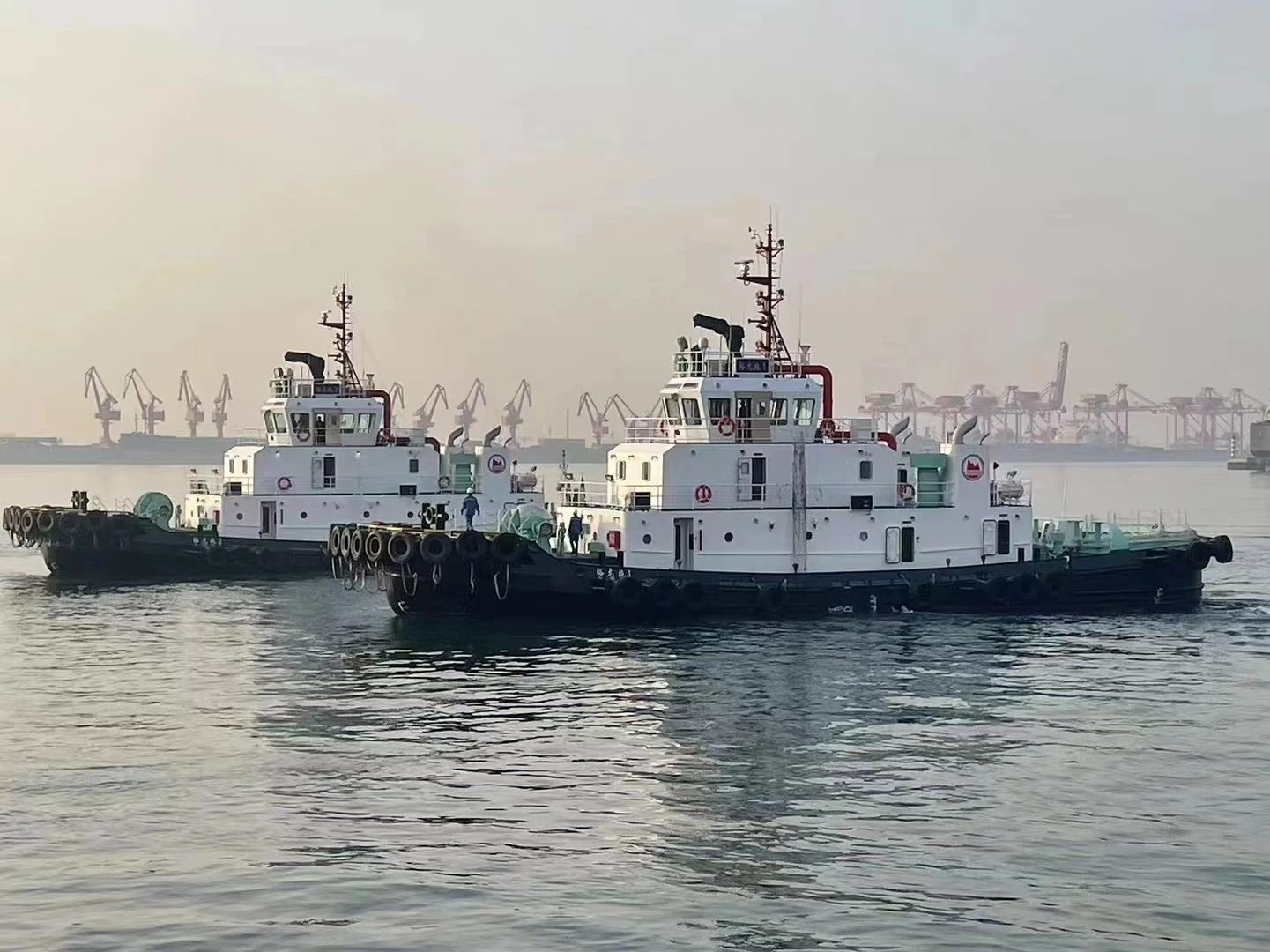
Predictive maintenance and reduced downtime
Crane monitoring technology helps your port machines last longer and stay safe. Sensors and smart systems watch every part of your ship crane. You get alerts if something starts to wear out or shake in a strange way. These early warnings help you fix problems before they get worse.
Here are some ways predictive maintenance helps you:
-
IoT-enabled systems collect data from motors, cables, and pulleys.
-
The system checks for odd vibrations, friction, or wear.
-
You get alerts on your phone or tablet with wireless control.
-
Experts on shore can see your crane’s data and help you from far away.
-
The system finds problems before they break things, so you save money and time.
Proactive monitoring lets you plan repairs when it works best for you. You do not have to wait for something to break. This means fewer surprises and less downtime. Your equipment stays ready for work, so you can be more efficient.
Wireless control makes it easy to check your crane from far away. You can use your phone or tablet to program, watch, and fix the system. Wireless transmitters send data up to 1000 meters, so you always know what is happening. The data is safe because the system uses secret signals.
Remote diagnostics help you fix problems faster. You get real-time monitoring, so you see alerts right away. Experts can check your crane from anywhere and give advice. This helps you act fast and keep your team safe.
|
Benefit |
Description |
|---|---|
|
Real-time monitoring |
You see lifting jobs and get alerts for safety and efficiency. |
|
Proactive maintenance |
The system finds problems before they cause failures. |
|
Remote accessibility |
Experts can help you from any place, so you get support faster. |
Crane monitoring technology also helps you save energy. You can upgrade to motors that use less power and use smart control systems. Regenerative braking and variable frequency drives help you use less energy. These upgrades lower your energy bills and help the planet.
You can see real results from these systems. Smart sensors and automatic load management cut down on mistakes. A dynamic simulator for mobile cranes has helped lower accidents. Safety programs based on behavior have stopped over 36% more accidents. You get safer work and better results.
CEGC lets you pick sensors, anti-collision zones, and marine durability. You can choose the right features for your port, offshore platform, or container ship. This helps you get the best results for your project.
Compliance and reporting for safety standards
You must follow strict safety rules when you use ship cranes. Crane monitoring technology helps you meet these rules and keep your team safe. Safe load indicators show how much weight the crane is lifting. You see green, amber, or red lights and hear alarms if you get close to the limit.
|
Alert Level |
Capacity Range |
Visual Indicator |
Audible Signal |
|---|---|---|---|
|
Safe Operation |
0-85% |
Green display |
No alarm |
|
Caution Zone |
85-95% |
Amber warning |
Intermittent beeping |
|
Critical Zone |
95-100% |
Red alert |
Continuous alarm |
|
Overload |
Above 100% |
Flashing red |
Emergency alarm |
Safe load indicators help you stop overloads and accidents. You can trust your crane works safely every time.
Crane monitoring technology also keeps records of every lift. The system logs data so you can check lifting patterns and see if training is needed. You can show these records to inspectors to prove you follow safety rules. Supervisors and maintenance teams can check data from a central office. This helps with predictive maintenance and lets you respond fast to emergencies.
You also need regular maintenance and calibration. Safety rules say you must keep your systems accurate and reliable. Operator training is part of these rules, so your team learns how to use safe load indicators and wireless control. Regulations want backup systems, so your crane keeps working even if one part fails.
New laws, like in Hong Kong, require remote control and monitoring for cranes on government jobs. These rules make sure your system is approved, reliable, and has safety features for every emergency.
Crane monitoring technology gives you these benefits:
|
Benefit of Compliance with Safety Standards |
Description |
|---|---|
|
Accurate Performance |
Load monitoring systems work right when installed and checked. |
|
Operator Training |
Rules make sure operators get the training they need for safety. |
|
System Maintenance |
Regular checks keep your crane working in tough places. |
|
Reliability |
Systems meet strict rules and can handle hard conditions. |
|
Redundancy |
Design has backup systems for extra safety. |
You can make things safer, stop accidents, and save money with these tools. CEGC lets you pick your safe load indicators, sensors, and anti-collision features. You get a solution that fits your needs and helps you meet every safety rule.
You make the deck safer and work faster with ship crane remote monitoring. CEGC gives you solutions you can trust and that match what you need. There are new changes that will make crane safety better in the future:
|
Benefits |
|
|---|---|
|
Integration of AI |
Better safety performance |
|
IoT-enabled predictive maintenance |
Lower running costs |
|
Digital twin technology |
Helps the environment |
|
Increased automation and electrification |
Follows safety rules easier |
Pick advanced monitoring to keep your work safe and ready for the future.
FAQ
How does remote monitoring improve ship crane safety?
You get alerts right away about load, wind, and equipment. These alerts help you stop accidents before they happen. You can act fast if there is danger on the deck.
Can you customize CEGC ship crane monitoring systems?
Yes, you can pick sensors and anti-collision zones. You can also choose how strong and tough the system is. CEGC makes sure the system fits your port, offshore, or container ship.
What maintenance benefits do you gain from remote monitoring?
You get early warnings if something is worn out or broken. This helps you fix things before they stop working. You save time and money because you do not have as much downtime.


