
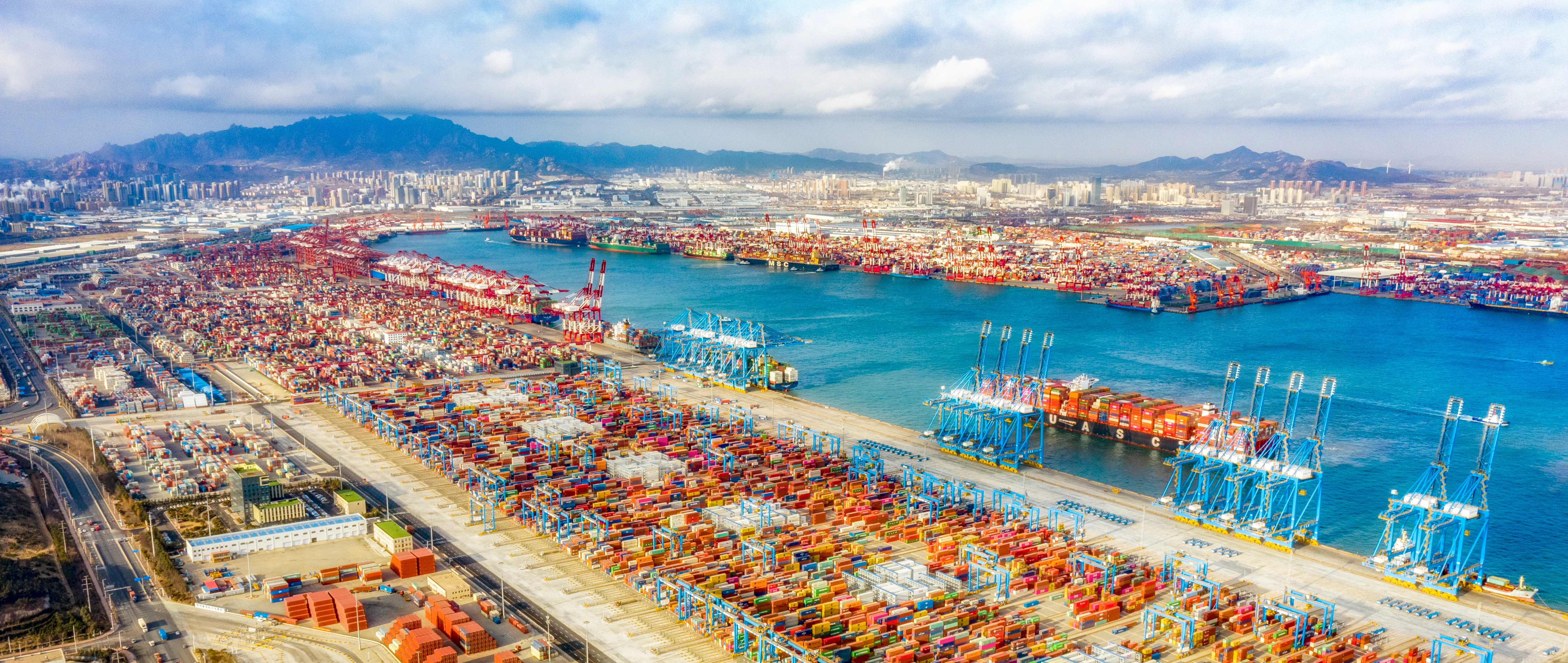
You see real improvement in ship crane throughput when you focus on deck coordination. Poor coordination can lead to unstable stacks, shifting containers, and increased risks for both your team and equipment. Many ports now rely on real-time shipment visibility, automated alerts, and digital processes to address these challenges. CEGC supports your operations by highlighting that ship crane throughput: deck coordination matters. Prioritizing deck coordination is essential for safe and efficient container handling.
Key Takeaways
-
Pay attention to deck coordination to make ship crane throughput better. Good teamwork helps cargo get moved safely and quickly. - Use automation and real-time monitoring to make fewer mistakes and cut down waiting times. This makes things work better and keeps everything going well. - Put in advanced safety systems to keep your team and equipment safe. Many safety steps help stop accidents and make sure things work right.
Deck Coordination & Throughput
Cargo Handling Efficiency
You can make cargo handling better by working together on deck. Modern ship cranes lift more and can carry several containers at once. This lets you move cargo faster. Automation and remote controls help stop mistakes and keep things running smoothly. Integrated marine cargo systems connect your equipment and cut down waiting time. These systems help move containers from ship to shore without delays. When you change cranes to fit bigger ships, your port can handle more cargo and meet global needs.
-
Cranes lift more and carry several containers at once.
-
Automation and remote controls help stop mistakes.
-
Marine cargo systems connect equipment and cut waiting time.
-
Changing cranes for bigger ships helps your port handle more.
When you focus on these things, you make cargo handling better and help reach your goal of maximizing ship crane throughput: deck coordination matters.
Safety & Collision Risks
Safety is very important when using ship cranes. Many accidents happen if the team does not work well together. The table below shows common accidents and their causes:
|
Type of Incident |
Description |
|---|---|
|
Mechanical Failures |
Broken parts can make cranes move wrong. |
|
Electrical/Control System Failures |
Sensors can stop working and make loads move badly. |
|
Hydraulic/Pneumatic Failures |
Leaks can cause loads to drop or lock up. |
|
Human/Operator Errors |
Wrong joystick moves make loads swing or miss targets. |
|
Pre-Shift Check Failures |
Skipping checks lets problems go unnoticed. |
|
Fatigue-Induced Errors |
Long shifts make people tired and cause mistakes. |
You face dangers from swinging loads, wind, and different skill levels. Wind can push containers and make them swing. If you do not act fast, you could have crashes or dropped loads. Training and real-time checks help find problems before accidents happen. Using advanced safety systems lowers the chance of accidents and keeps your team safe.
Wind is a big problem for load stability. Strong winds can push containers sideways and make them swing. This raises the risk of tipping. Wind speed monitors can set off alarms and stop work when it is not safe.
Real-World Coordination Impact
Deck coordination makes a big difference in many jobs. In construction, cranes lift heavy beams and slabs together. In shipbuilding, timing is needed to lift big parts safely. Manufacturing plants use cranes together to move large parts and keep work on track. Offshore platforms need cranes to move important equipment safely.
Modern deck cranes with connected systems make work safer and faster. You cut down waiting and avoid slowdowns. You keep things running well, even in bad weather or busy times. By focusing on ship crane throughput: deck coordination matters, your port does better and your team stays safe.
Technical Solutions for Ship Crane Throughput: Deck Coordination Matters
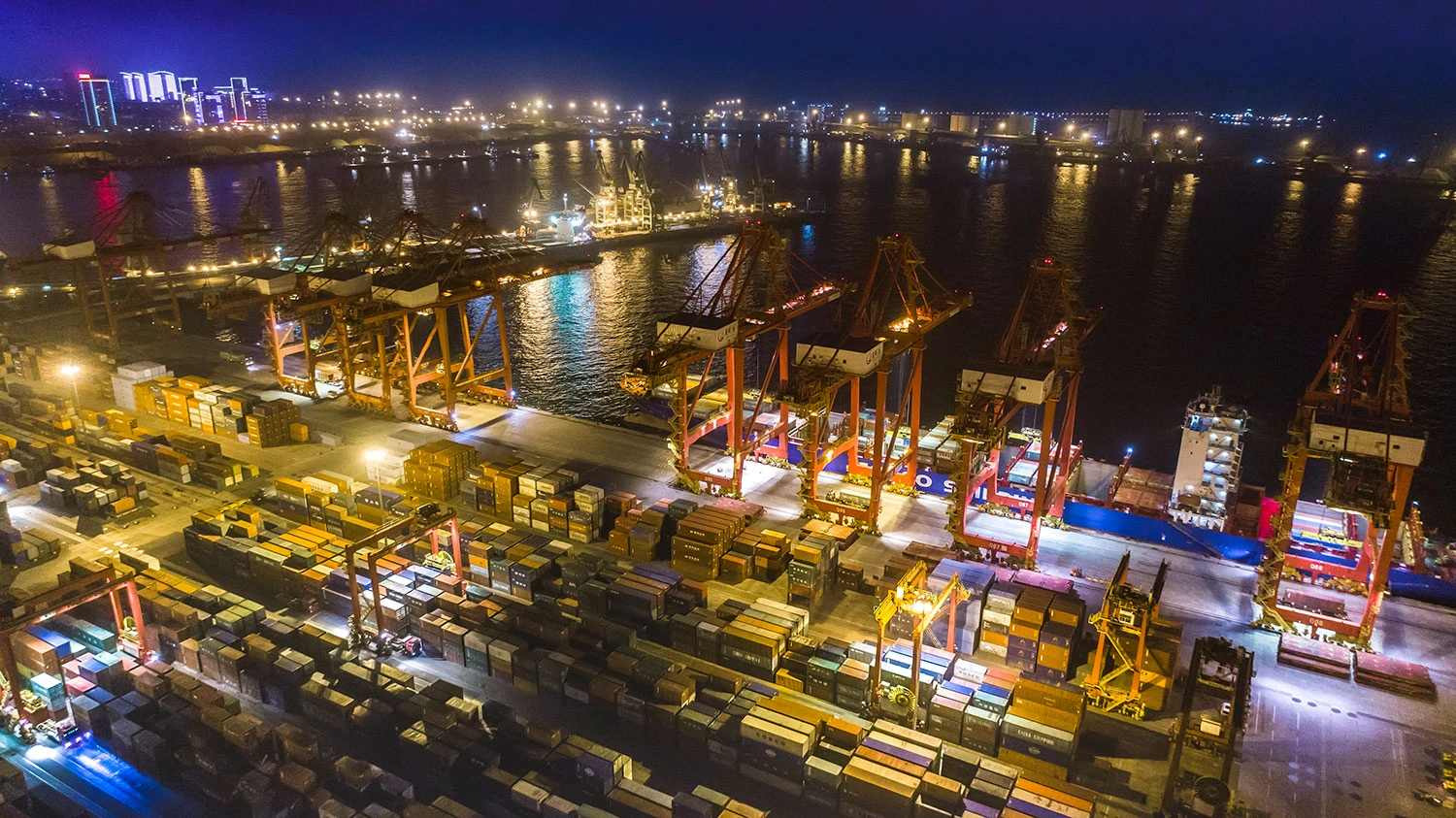
Self-Tuning Anti-Sway Control
You can improve ship crane throughput: deck coordination matters with self-tuning anti-sway control. This technology keeps loads steady, even when the sea is rough or wind is strong. You do not need to wait for containers to stop swinging. This lets you move containers faster and safer.
-
Anti-sway systems let you use shipboard cranes at higher speeds. They keep the load stable.
-
You save time because you do not wait for the load to settle.
-
Modern anti-sway systems can make cranes work 20–30% better.
-
These systems use sensors and smart software to control sway. They keep the load steady.
-
The control algorithm handles heave compensation and anti-sway at the same time. You get better accuracy and safety.
You notice the change in your daily work. Loads stop swinging in about three seconds. You can place containers exactly where you want them. This makes your team feel confident and your operation more reliable.
Multi-Layer Safety Systems
You need strong safety systems to protect your team and equipment. Multi-layer safety systems give you several lines of defense. These systems use independent testing, linked checks, load testing, and safety documents. They make sure everything works right. You also get signal management and anti-collision systems. These help you avoid accidents.
|
Aspect |
Description |
|---|---|
|
Redundancy in Data |
Multi-layer safety systems give you backup channels for data. You do not lose important signals. |
|
Early Detection |
These systems spot problems early by logging performance. They check for changes. |
|
Monitoring Critical Params |
You track important numbers. This helps you plan maintenance before something breaks. |
You can trust these systems to warn you before something goes wrong. They help you plan repairs and avoid big failures. This means less downtime and lower costs for spare parts. When you use multi-layer safety systems, your shipboard cranes are more reliable. Your team stays safe.
Motion Coordination & Automation
You can make deck operations smoother with motion coordination and automation. These tools help you control every part of the crane’s movement. The crane moves the hoist, trolley, and gantry together in a smart way. This reduces wasted motion and speeds up each cycle.
-
Automated planning tools help you schedule jobs faster. You respond to changes quickly.
-
You can connect your cranes to Terminal Operating Systems and ERP systems. This means less double entry and better communication.
-
Real-world results show cycle times drop by 25–30%. Costs go down by 15–20% with digital tools and lean practices.
-
Automation cuts down on human error. It speeds up routine jobs like scheduling and inventory.
-
When you connect all your operations in one system, you use resources better. You get more done.
You keep your cranes running longer with predictive maintenance. Early warning systems spot problems before they cause breakdowns. This keeps ship crane throughput: deck coordination matters high and costs low. Marine durability features, like weatherproofing and corrosion resistance, protect your cranes from salt, wind, and water. You get easy access for inspections and quick part changes. You spend less time on repairs.
When you use these technical solutions, you see better results every day. Your cranes work faster, safer, and last longer. You keep your port running smoothly and meet global shipping demands.
You get better results when you pay attention to deck coordination. Safety and efficiency systems help you load and unload faster. The table below shows how these systems help your work:
|
Benefit |
Description |
|---|---|
|
You move more cargo and spend less money. |
|
|
Rapid Response |
You fix problems or delays more quickly. |
|
Transparency |
You see all activities live on your dashboard. |
To make deck coordination better, you can:
-
Make your workflows the same and write down your steps.
-
Set clear goals and use tools to check your progress.
-
Change your team setup to stop mistakes and slowdowns.
With CEGC’s solutions, your port can be safer, faster, and more dependable.
FAQ
What is deck coordination in ship crane operations?
You coordinate the movement of cranes, workers, and cargo on deck. This helps you move containers safely and quickly.
How does anti-sway control help my team?
You use anti-sway control to keep loads steady. This lets you place containers faster and reduces the risk of accidents.
Why do vessel turnaround times matter for ports?
You improve vessel turnaround times to reduce waiting. This helps your port handle more ships and keeps shipping schedules on track.


