
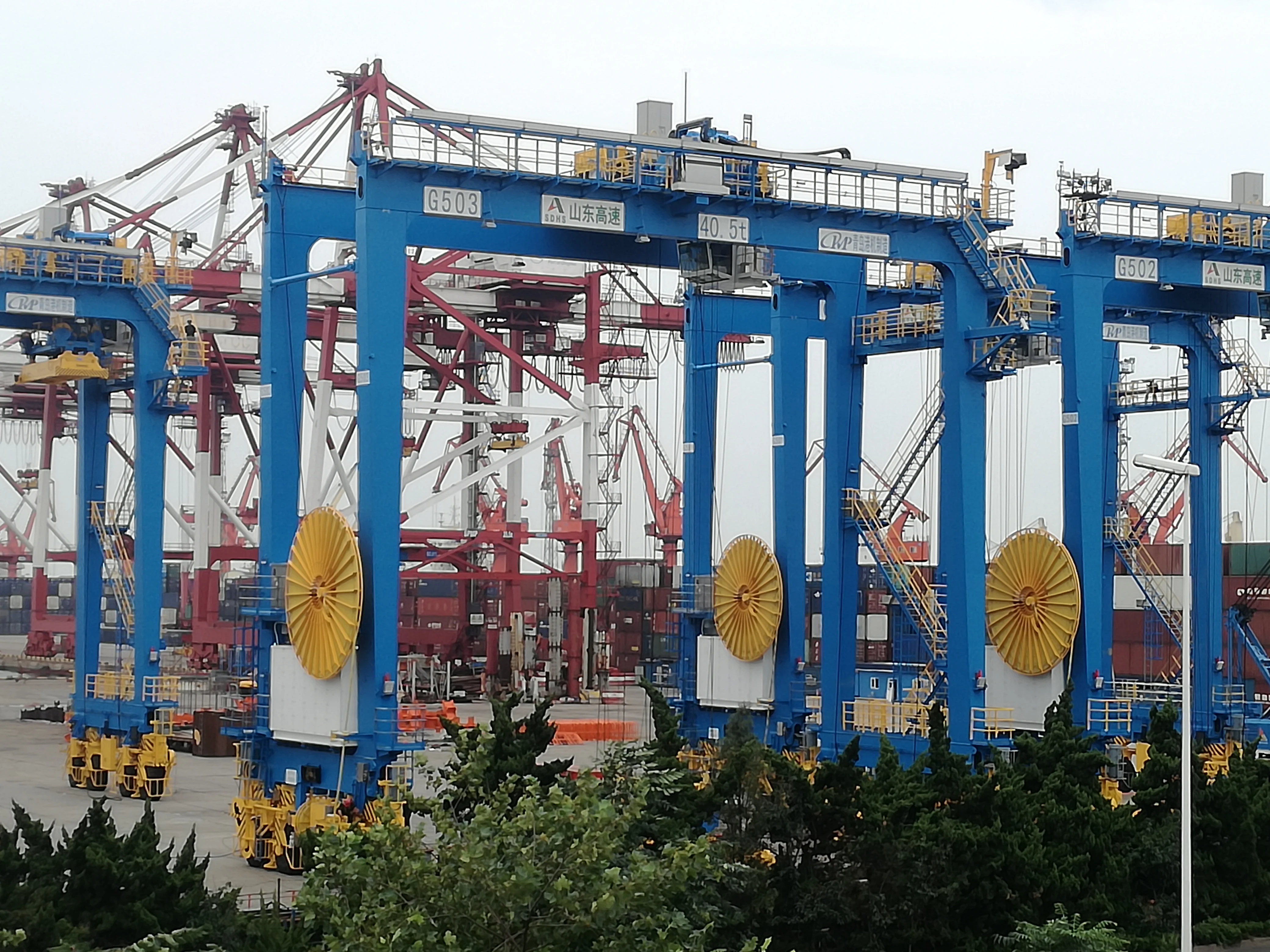
You may see ship loader: corrosion failures that look “random” on your machines. These ship loader: corrosion failures that look “random” can puzzle your team. There are hidden things that make ship loader: corrosion failures that look “random” hard to guess. When ship loader: corrosion failures that look “random” show up, you want to know why. CEGC helps you handle ship loader: corrosion failures that look “random”.
Key Takeaways
-
Corrosion failures in ship loaders may look random. This happens because of things like weather and salt in the air. Check the conditions often and change maintenance plans to lower risks.
-
Picking the right materials and designs helps stop corrosion. Use strong coatings and do not use designs that hold water. This will help your equipment last longer.
-
Regular checks and maintenance are very important. Use different ways to inspect and find early signs of corrosion. This can stop sudden breakdowns.
Why ship loader corrosion failures look random
Environmental and operational factors
At the port, the weather changes a lot. Salt in the air, wet air, and hot or cold days hurt your ship loader. These things make corrosion happen faster and can cause sudden failures. In places near the ocean, like Florida, there is more salt and water in the air. This makes corrosion worse. Even if you are not near the sea, factories and weather can still cause corrosion. If you use your ship loader close to the ocean, you cannot stop these hidden dangers. Sometimes, one part rusts fast, but another part stays fine. This is because the weather is always changing. Using your ship loader a lot, working long hours, and tough jobs also make it wear out faster. All these things together make corrosion happen in ways you cannot always guess. This means you might have surprise breakdowns and lose time at work, which costs more money.
Tip: You can stop some random failures by watching the weather and changing your maintenance plan when the risk is high.
Material and design vulnerabilities
Not all steel is the same. Small changes in the metal or how it is made can change how fast your ship loader rusts. Some metals fight corrosion better than others. If your ship loader uses the wrong steel or bad coatings, it will break down sooner. Bad designs, like sharp corners or hidden spots, hold water and salt. These places get weak and start to rust. Over time, these hidden spots can break and seem random. You need to know how oxidation and electrochemical reactions damage your equipment. If you do not use good coatings or protection, your ship loader will not last as long. You can stop many problems by picking the right materials and smart designs. CEGC uses strong coatings and good designs to protect your machines, like portal cranes, container cranes, and ship loaders. This helps you avoid expensive fixes and keeps your machines working longer.
Maintenance and inspection variability
You may have a maintenance plan, but small changes in when or how you do it can make a big difference. If you skip checking the coating or wait too long for an inspection, corrosion gets worse. If you do not keep up with maintenance, your ship loader is in more danger. You might miss early signs of damage, which leads to sudden problems and more lost time. Some parts are hard to reach, so checking them is tough. If you use different ways to inspect, you get different results. Some ways find cracks on the outside, but others look for hidden problems. The table below shows what each inspection method does:
|
Inspection Method |
Advantages |
Limitations |
|---|---|---|
|
Visual Inspection |
Quick and good for checking structure. |
Cannot find inside problems; weather can affect results. |
|
Thermographic Inspection |
Finds hot or cold spots that show issues. |
Weather can change results; high cost for good systems. |
|
Fluorescent Penetrant Inspection (FPI) |
Very good for finding cracks on the surface. |
Costs more and takes time for big areas. |
|
Magnetic Particle Inspection (MPI) |
Works well for magnetic parts. |
Needs direct touch; hard for places you cannot reach. |
|
Surface Roughness and Thickness Measurements |
Finds rough spots and checks how thick the metal is. |
Needs special tools; can take a long time. |
You can also use cameras or drones to look at hard-to-reach places. This way, you can check them fast and safely. If you do not use the right tools, you might miss early corrosion. Missed problems cause more breakdowns and longer lost time.
Note: Doing regular and careful maintenance lowers the chance of random failures and keeps your ship loader ready.
You want to spend less money and keep your port working well. Using strong anti-corrosion solutions, like CEGC’s, helps your ship loader last longer. A good coating can stop big repairs for over 25 years. You also have fewer surprise breakdowns and safety problems. When you care about your machines for a long time, you save money and worry less about sudden failures.
Managing and preventing corrosion in port machinery
Early detection and warning signs
You can find early corrosion by looking for small pit marks. These marks show up before bigger problems happen. Check for color changes, rough spots, or flaking on surfaces. Leaks or loose parts can also mean there is corrosion. Sensor-based monitoring systems help you find corrosion early. Electronic sensors and probes give you real-time data. These tools work well in wet places and help you act fast.
Technical solutions for corrosion control
There are many ways to protect your marine equipment from corrosion. The table below shows some top solutions:
|
Solution Type |
Description |
|---|---|
|
Cathodic Protection |
Uses anodes to send a safe current to marine structures, works best with coatings. |
|
Protective Coatings |
Shields marine equipment but works better with cathodic protection. |
|
Repairs small damage on its own, keeping marine equipment strong for longer. |
CEGC has special anti-corrosion packages for ship loaders and cranes. These packages use advanced coatings and predictive maintenance systems. They help keep your marine machines safe.
Best practices for maintenance and lifecycle management
You can lower corrosion risk by following best practices. Regular cleaning and inspection help you find corrosion early. Picking the right materials for marine equipment is important. Cathodic protection and good coatings keep equipment safe. Planning for the whole life of your machines saves money and keeps them working. Operator training helps you spot problems early and fix them. CEGC’s design makes it easy to replace corroded parts and keep your equipment running.
If you know why corrosion failures happen, you can guess when they might occur. This helps you plan maintenance better and stop machines from being down too long. It also makes your work safer and helps things run smoother. You can decide more easily when to fix or upgrade your machines. CEGC gives you smart anti-corrosion tools and systems that help keep your port machines working well.
FAQ
What signs show early corrosion on my ship loader?
You might notice tiny rust spots or changes in color. Sometimes, the surface feels rough or bumpy. If bolts are loose or paint is peeling off, these are also early warnings of corrosion.
How does CEGC help prevent random corrosion failures?
CEGC uses strong coatings made for marine use. They also have systems that help you know when to do maintenance. Their designs make it simple to fix your ship loader. These things help protect your machine and stop sudden breakdowns.
How often should I inspect my port machinery for corrosion?
You need to check your machines every three to six months. Checking more often helps you find problems sooner and keeps your equipment safe.


