
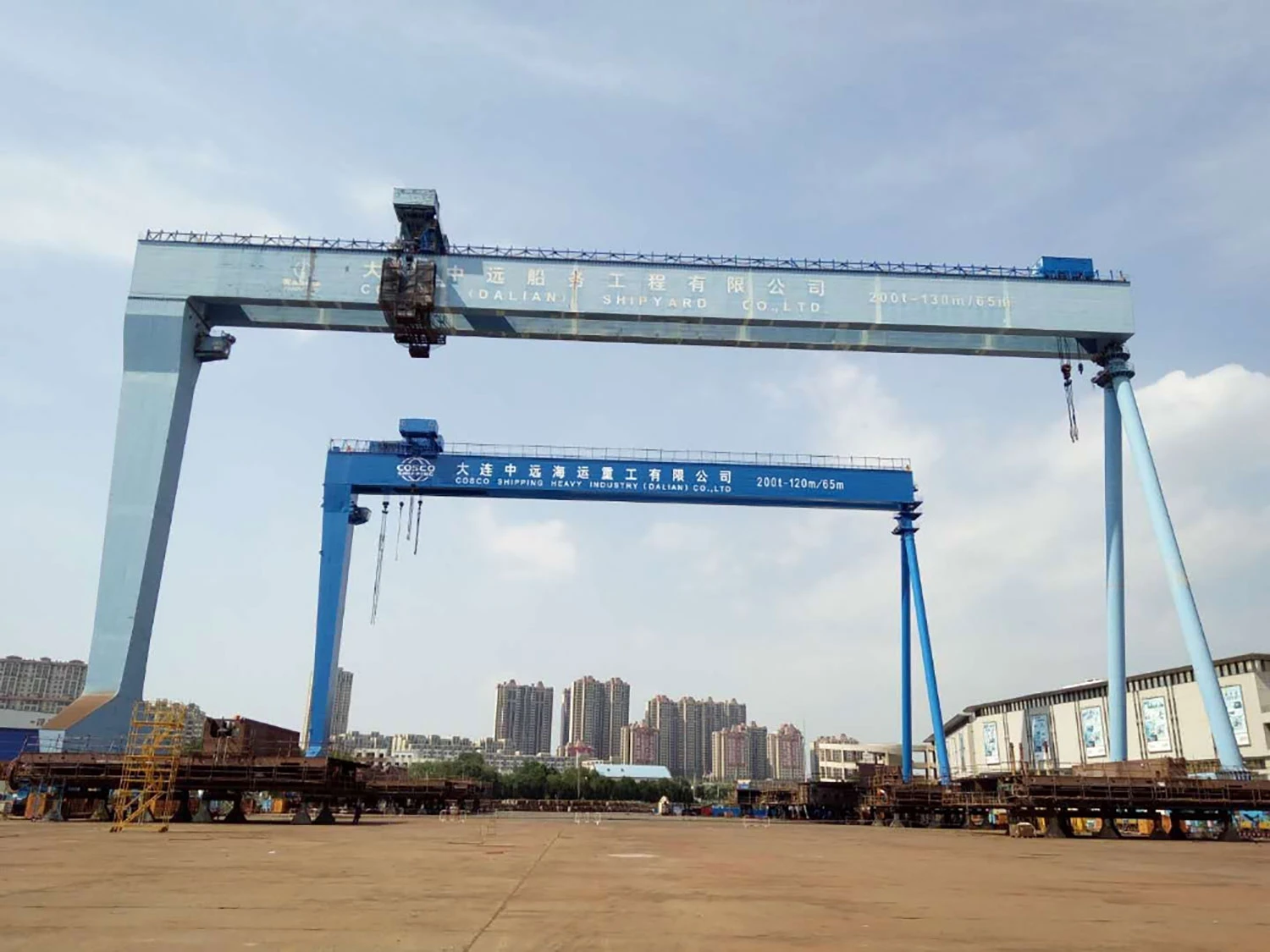
You must keep container handling gantry crane: seaside durability safe from tough seaside weather. Salt in the air and wetness can hurt steel parts. This makes rust and shortens how long it lasts. CEGC gives container handling gantry crane: seaside durability strong anti-rust protection. You can pick special choices for your port’s needs. Container handling gantry crane: seaside durability gives steady work, safety, and good value for many years. Container handling gantry crane: seaside durability has a strong build for top strength. Container handling gantry crane: seaside durability brings trusted answers for seaside places.
Key Takeaways
-
Regular maintenance is very important for your gantry crane. It helps your crane last longer. Plan daily, weekly, and monthly checks. These checks help you find problems early.
-
Use materials that do not rust easily. Add protective coatings to your crane. This keeps your crane safe from tough seaside weather. It stops rust and damage from happening.
-
Use safety systems like anti-sway technology. Add overload protection to your crane. These make your crane safer and work better. They also lower the chance of accidents.
Corrosion challenges & material solutions
Corrosion control strategies for seaside durability
When you use container handling gantry cranes near the coast, corrosion is a big problem. Salt fog, humidity, and sunlight harm steel and other parts every day. Dust and moisture can make rust and damage happen faster. You need strong ways to stop corrosion so your equipment stays safe and works well.
There are many ways to prevent corrosion that work well. First, sandblasting cleans off rust and gets surfaces ready. Next, an epoxy primer stops moisture and air from reaching the metal. Then, a polyurethane topcoat protects against weather and sunlight. Hot-dip galvanizing covers metal with zinc to keep it safe for a long time. Weathering steel and stainless bolts help lower the risk of corrosion. Good drainage keeps water from building up and causing harm. Checking, repainting, and adding oil often keeps coatings strong. Shutting down during storms also helps protect your crane.
|
Solution |
Description |
|---|---|
|
Sandblasting |
Removes rust and prepares the surface for coatings. |
|
Epoxy primer |
Creates a barrier against moisture and oxygen. |
|
Polyurethane topcoat |
Provides weather resistance and protects against UV rays and chemicals. |
|
Hot-dip galvanizing |
Coats metal parts with zinc for long-term corrosion protection. |
|
Weathering steel |
A material choice that naturally resists corrosion. |
|
Stainless bolts |
Reduces corrosion risk in connections. |
|
Drainage structures |
Prevent water accumulation, reducing corrosion risk. |
|
Regular inspections |
Essential for early detection of wear and corrosion. |
|
Repainting |
Maintains protective coatings as needed. |
|
Lubrication |
Reduces friction and prevents corrosion in moving parts. |
|
Shutdown measures |
Implemented during storms to minimize exposure to damaging conditions. |
Wire ropes and electrical parts need protection too. Use sealed hydraulic systems and marine-grade electrical parts. These steps help you meet industry rules for corrosion control in tough places.
Gantry crane design for harsh environments
Gantry crane design helps fight tough seaside conditions. You need designs that protect against salt, wind, and water. Use materials like galvanized or stainless steel that resist corrosion. Put on coatings that follow the HG/T 3656-2008 standard for paint on steel. This standard makes sure your crane lasts in harsh places.
Think about wind and storm safety too. Make structures stronger and put counterweights in the right spots. Add waterproofing and drainage to keep electrical parts safe. Sealed electrical boxes with high protection ratings, like NEMA 4 or IP66, keep out dust and water. Marine-grade electrical parts stop corrosion and block water. These features make your gantry crane strong in tough conditions.
|
Design Feature |
Explanation |
|---|---|
|
Corrosion Protection |
Use of corrosion-resistant materials like galvanized or stainless steel to combat saltwater exposure. |
|
Protective Coatings |
Application of durable coatings to prevent rust and withstand harsh coastal conditions. |
|
Wind and Storm Resistance |
Reinforced structures and proper counterweight placement to handle wind pressure. |
|
Waterproofing and Drainage |
Effective drainage systems and waterproof enclosures to protect electrical components from water damage. |
|
Maintenance Considerations |
Regular inspections and maintenance to address corrosion and ensure functionality in coastal areas. |
UV-resistant paints are good to use. They help keep your crane looking nice and strong. Dust seals around moving parts keep sand and dust out. This helps your crane work well.
Material selection for longevity
Picking the right materials is important for your crane to last a long time. High-strength steel alloys like Q345, S355, Q390, or Q420 make the crane strong and help it handle heavy loads. These materials let you build lighter cranes without losing safety. They also help the crane resist damage from moving loads.
Use hot-dip zinc coatings for crane girders. Put multi-layer epoxy or strong poly coatings over zinc for main parts. Pick no-rust steel or marine-grade alloys for wheels and bolts. Use fully enclosed IP66 or better systems to protect electrical parts. Rust-resistant designs for crane bearings give extra protection.
|
Component |
Material/Protection Method |
|---|---|
|
Crane Girders |
Hot-dip zinc coating |
|
Main Build Parts |
Multi-layer epoxy or strong poly coatings over zinc |
|
Crane Wheels, Bolts |
No-rust steel or marine-grade alloys |
|
Electrical Systems |
Fully enclosed IP66 or better systems |
|
Crane Bearings |
Rust-resistant designs |
You can ask CEGC for custom choices for your project. Pick the anti-corrosion grade, sealing level, and fatigue-life target that fit your port. This makes sure your crane works well in tough seaside places. You get good corrosion protection, long life, and lower maintenance costs.
Maintenance & operational longevity
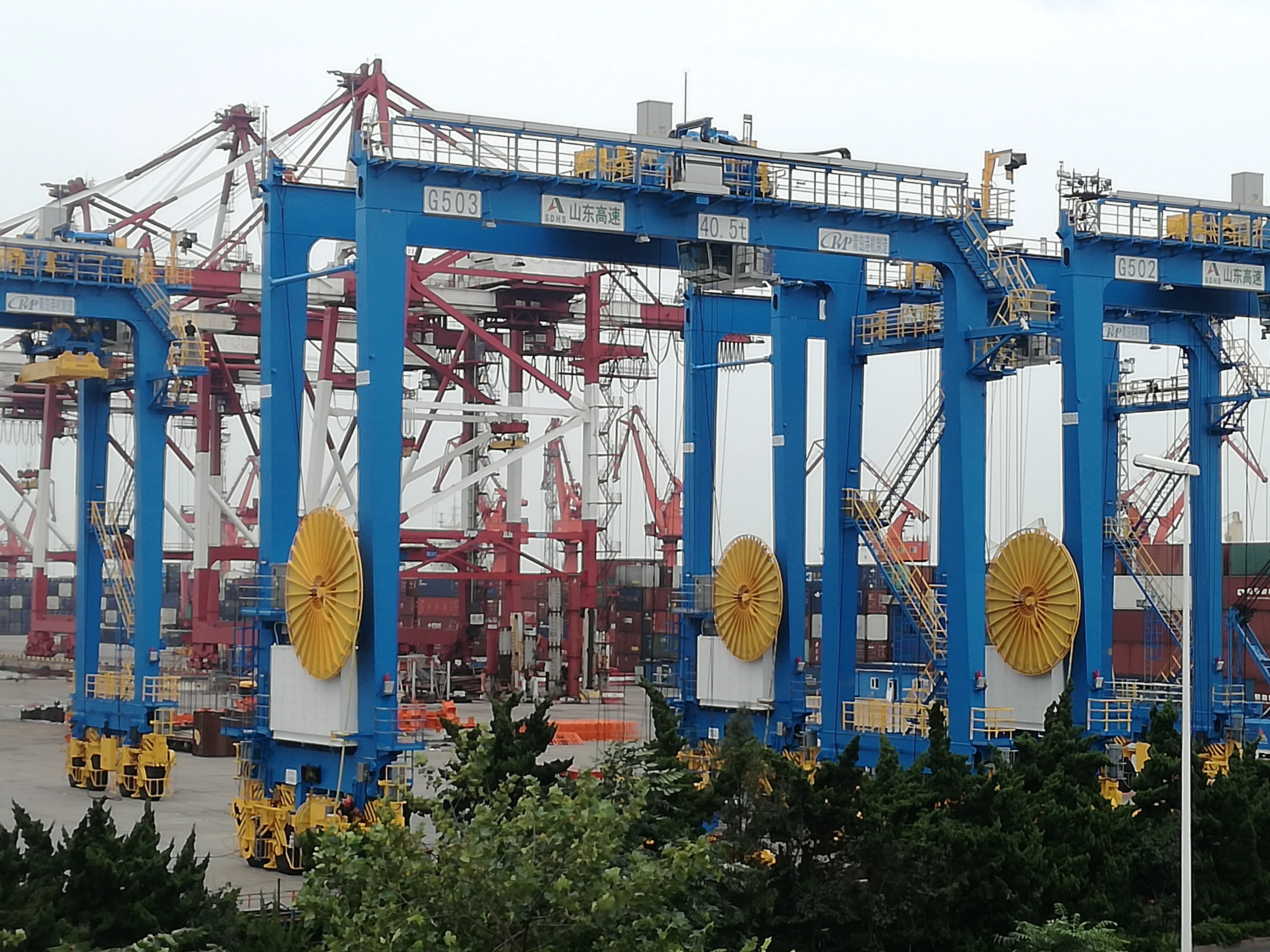
Maintenance routines for container handling gantry cranes
You need to follow rules to keep your container handling gantry crane working for a long time. Regular checks are important for stopping rust and making sure the crane works well. You should check crane parts every day, week, month, three months, and year. Daily checks help you find damage or rust you can see. Weekly checks look at oiling and electrical parts. Monthly checks cover big crane parts, like if they are strong or worn out. Every three months, special tools help find inside problems. Yearly checks look at all crane parts closely.
|
Best Practice |
Description |
|---|---|
|
Use a Checklist |
Minimizes the chance of missing critical steps and ensures a uniform inspection process. |
|
Maintain an Inspection Log |
Documents findings and actions taken, providing historical records to track issues. |
|
Address Issues Promptly |
Fixes minor issues immediately to prevent them from becoming major safety risks. |
|
Provide Regular Training |
Ensures inspection personnel are trained on the latest safety standards and techniques. |
Regular checks should include cleaning, checking brakes, looking at bolts, and testing safety devices. You need to oil bearings, check wires, and tighten parts every month. Every three months, check rails and wheels for wear, look at hooks, and fix motor lines. You must check wire ropes for cuts or damage and watch the drum and sheave system. Oiling hoist parts often stops rubbing and keeps away rust. Keeping the area clean is very important for stopping rust, especially near the sea.
Tip: Fix problems right away during checks so small problems do not turn into big safety risks.
You need to check brake pads and discs for wear and test the brakes at slow speeds. Lifting loads the right way stops overloading and keeps the crane safe. Regular checks and oiling of important parts help the crane last longer and stop breakdowns.
Safety and anti-sway systems
You need good safety systems to protect the crane and people. Anti-sway technology makes the crane safer and helps it work better. This system stops loads from swinging too much. It helps you put containers in the right spot and keeps accidents from happening. Anti-sway control also helps crane parts last longer and lowers repair costs.
|
Aspect |
Explanation |
|---|---|
|
Safety Enhancement |
Reduces the risk of accidents by preventing uncontrolled load sway, allowing better control for operators. |
|
Improved Productivity |
Minimizes the time spent stabilizing loads, enabling faster crane operations and higher throughput. |
|
Reduced Wear and Tear |
Less sway decreases stress on crane components, extending their lifespan and reducing maintenance costs. |
|
Accurate Container Placement |
Stabilizes loads for precise placement, minimizing logistical challenges and potential cargo damage. |
|
Operator Comfort |
Reduces the mental and physical demands on operators, leading to a more comfortable working environment. |
|
Energy Efficiency |
Smoother movements require less power, contributing to energy savings in large operations. |
You must use many safety locks, like overload protection, limit switches, and emergency stop buttons. Anti-collision systems use lasers to stop cranes from hitting each other or buildings. Overload protection checks the weight and stops lifting if it is too heavy. Remote monitoring collects data to help fix problems before they get worse.
Note: Operators must sound alarms when lifting heavy things and warn others when cranes or people are close.
Operator screens show alarms, status, and help with steps. This makes training faster and helps everyone do things the same way. You must check all crane parts, brakes, ropes, and hooks before using the crane. Tell the repair team right away if you find a problem.
Lifecycle planning for operational longevity
You need to plan for the whole life of your container handling gantry crane to make it last longer. Predictive maintenance uses sensors and computers to watch important parts. Repairs are done when needed, which saves time and stops extra work. This way, crane parts last longer and work better.
-
The Integrated Maintenance Decision Making Model helps the crane work well by lowering risks from problems.
-
Digital Twins help the crane work better in different places.
-
You can make plans for fixing things that save time and lower risks.
Watching the crane’s condition and using remote checks help you find problems fast. These systems let you fix things quickly, so the crane does not stop working for long. Adding new parts to old cranes, like better controls, helps them last longer and work more.
|
Maintenance Condition |
Lifespan (Years) |
Notes |
|---|---|---|
|
With Regular Maintenance |
Exceptional care can extend to 35+ years. |
|
|
Without Proper Maintenance |
15 or less |
Harsh conditions and heavy usage reduce lifespan. |
Modular designs help cranes work well for a long time. You can add more parts as you need them, so you do not have to build a new crane. Swapping parts helps the crane move things for different jobs. Modular cranes can be used in different places with different layouts.
Guidelines: Follow strict maintenance, use good safety systems, and plan for the crane’s life to get the most value from your container handling gantry crane.
You need to make your crane last by doing checks, stopping rust, and fixing things. Good design, regular checks, and smart repairs protect important parts. CEGC gives you tips and help to keep your crane working well by the sea.
You can make your crane last longer by doing these things:
-
Think about tough weather near the sea.
-
Do not lift more than the crane can handle.
If you check and fix your crane often, it will break less. This also means you spend less money fixing it. CEGC can change your crane to fit your project and make it work better.
|
Customization Aspect |
Impact on Efficiency |
|---|---|
|
Hook Height |
Lifts things exactly |
|
Safety Upgrades |
Makes work safer and easier |
FAQ
How do you guard your container handling gantry crane against rust in seaside environments?
You guard your crane by applying marine-grade coatings, using sealed electrical systems, and scheduling frequent inspections. These steps help you stop rust and keep your crane strong.
What maintenance routines help you guard your crane from rust?
You guard your crane by cleaning surfaces, lubricating moving parts, and checking for rust. You replace worn components quickly. These routines help you prevent rust and extend crane life.
Can you guard your crane from rust with custom solutions?
You guard your crane with custom anti-corrosion packages. CEGC offers options that help you fight rust. You choose the right guard level for your port’s needs and protect your investment.


