
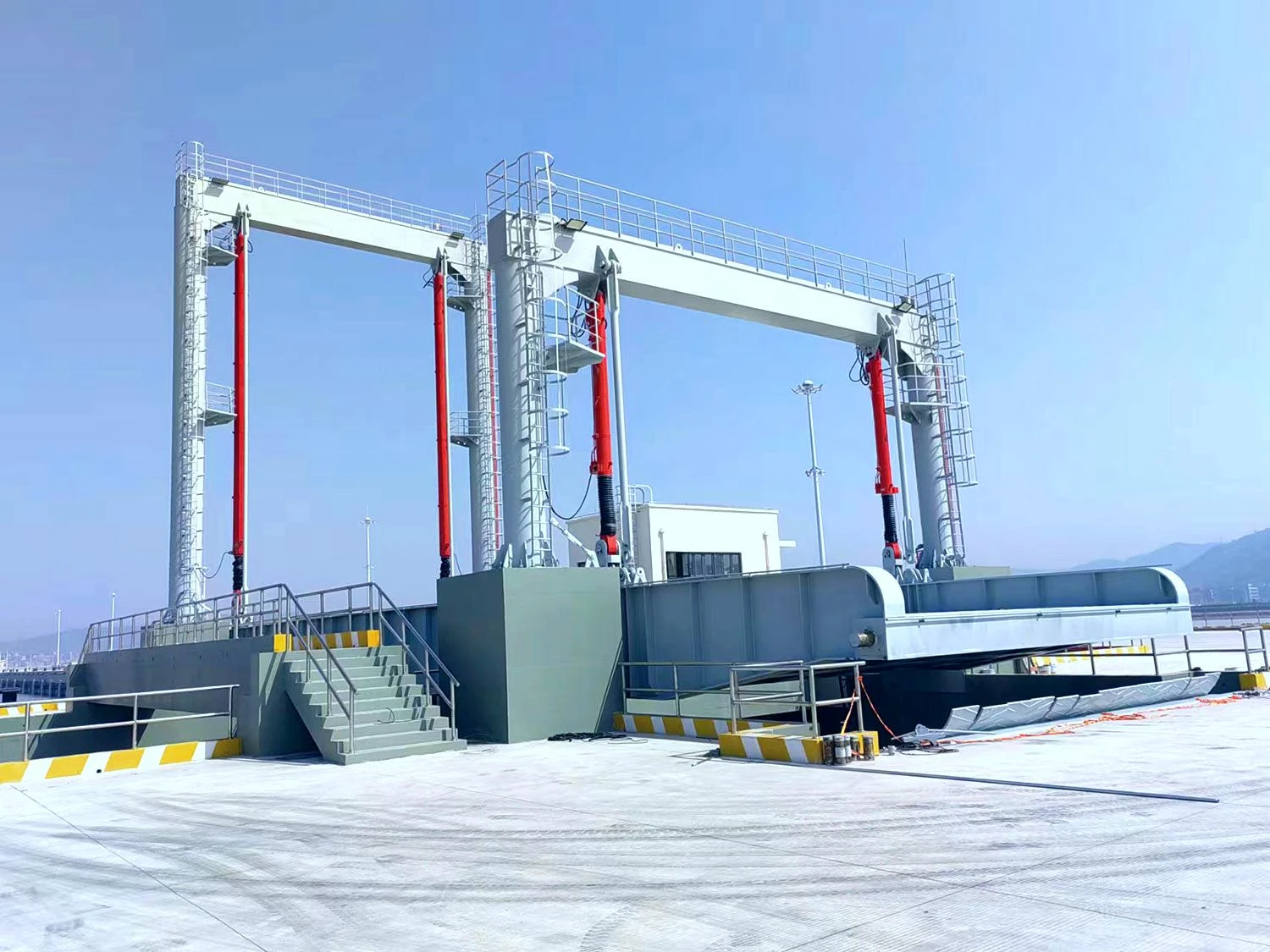
You need Reach Stacker: corrosion-proof electrical cabinets to keep your port equipment safe and working well. Salt, humidity, and dust can hurt electrical systems quickly. CEGC makes cabinets that guard against these dangers. Picking the right enclosure helps you stop breakdowns and keeps your work going smoothly each day.
Key Takeaways
-
Corrosion-proof electrical cabinets keep your equipment safe from salt, wet air, and dust. This stops machines from breaking and helps them work well.
-
Picking the best materials, like stainless steel or anodized aluminum, makes the cabinets last longer. These materials also help them stay strong in tough port weather.
-
Checking and taking care of the enclosures often helps you find problems early. This means less time fixing things and spending less money on repairs.
Reach stacker: corrosion-proof electrical cabinets
Why corrosion protection matters
You need reach stacker: corrosion-proof electrical cabinets to keep your port safe. These enclosures protect the electrical parts inside from tough weather. Salt spray, high humidity, and chemicals can ruin regular cabinets fast. When corrosion happens, the metal gets weak and lets water inside. This can cause short circuits, broken equipment, or even fires. You need marine grade enclosures to handle these problems every day.
Corrosion-proof electrical cabinets do more than just cover wires. They help your reach stacker work by blocking water and salt from sensitive parts. Using strong marine grade enclosures lowers the chance of sudden breakdowns. It also makes repairs easier and quicker. For example, double doors let you fix things fast without opening the whole cabinet. Good sealing and grounding keep your electrical systems safe and working well. This means less downtime and fewer expensive repairs.
Tip: Picking the right reach stacker: corrosion-proof electrical cabinets helps you stop surprise shutdowns and keeps your team safe.
Key risks in port environments
Ports are hard places for machines. Your reach stacker faces many dangers that can hurt electrical enclosures. Here are some main risks:
-
High humidity lets water get inside and causes corrosion.
-
Salty air from the sea makes metals rust faster.
-
Heavy rain and storms can flood cabinets and break electrical parts.
-
UV rays and temperature changes make seals and coatings weaker.
-
Dust and chemicals in the air wear down the enclosures.
|
Environmental Challenge |
Impact on Electrical Systems |
|---|---|
|
Salt Spray and Corrosion |
Makes metals like carbon steel and aluminum rust faster, which can break electrical parts. |
|
Constant Moisture and Humidity |
Raises the chance of water drops forming, which can cause short circuits. |
|
Extreme Weather Conditions |
Breaks down materials and causes them to fail. |
|
UV Radiation |
Makes plastics and coatings weaker over time. |
|
Temperature Extremes |
Makes things expand and shrink, which weakens seals. |
If you do not use reach stacker: corrosion-proof electrical cabinets, you could have big problems:
-
Equipment can break if water and dust get inside.
-
You may have to stop work to fix things.
-
There are safety risks like short circuits and fire.
-
You will spend more money fixing or replacing broken parts.
You can see why marine grade enclosures are so important for your reach stacker. These cabinets protect your machines and help you avoid delays. CEGC gives you standard options and custom choices for all port machines, like reach stackers, portal cranes, and container handlers. You can pick the anti-corrosion grade, sealing, and other features for your port. With the right reach stacker: corrosion-proof electrical cabinets, you get good performance and peace of mind.
Marine grade enclosures and material choices
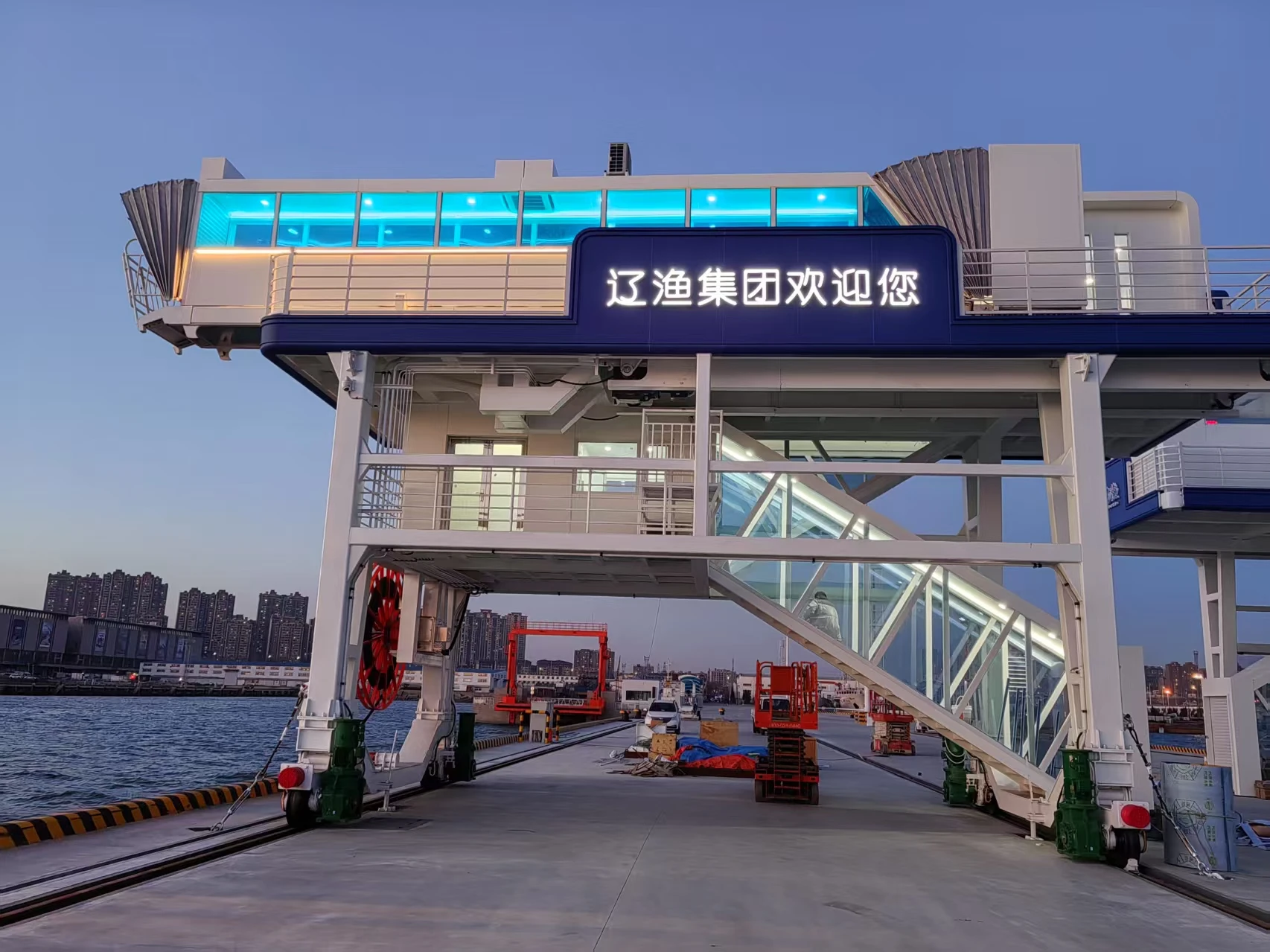
Common enclosure materials
It is important to pick the right materials for marine grade enclosures. These enclosures protect electrical systems in tough places like ports and oil rigs. Saltwater and humidity can ruin normal cabinets very fast. You need enclosures made from materials that fight corrosion and last longer. This keeps your equipment safe.
Here is a table that lists common materials for marine grade enclosures:
|
Material |
Strengths |
Best for |
|---|---|---|
|
Stainless Steel |
Very strong, corrosion-resistant, rugged |
Marine, industrial, food processing |
|
Anodized Aluminum |
Lightweight, corrosion-resistant, sleek |
Outdoor, telecom, utility installations |
|
Polycarbonate |
Non-metallic, chemical-resistant, lightweight |
Coastal, humid, or chemical-heavy areas |
Stainless steel is the best at stopping corrosion in marine electrical enclosures. Polycarbonate is good for places with lots of chemicals or humidity. But it does not protect as well as stainless steel against saltwater.
Surface treatments and coatings
Special coatings can make enclosures even stronger. Powder coating puts on a hard layer that stops scratches and weather damage. Electrocoating covers every part, even tiny spots. Liquid coating is good for fixing small areas. Nano-coatings are very thin and need less care. These coatings help marine grade enclosures last longer in harsh places. They stop corrosion and cut down on repairs.
Tip: Advanced coatings like powder coating and epoxy finishes help protect carbon steel enclosures from salt, humidity, and UV rays.
Comparing marine grade enclosures
You should choose NEMA 4X enclosures for the best corrosion resistance. NEMA 4X enclosures use stainless steel, anodized aluminum, or polycarbonate. These materials give strong protection from saltwater. NEMA 4X enclosures work better than regular ones in marine grade enclosures. They keep electrical systems safe from water, dust, and chemicals.
316 stainless steel is the best for fighting corrosion. It lasts longer in marine grade enclosures than polycarbonate or PVC. Polycarbonate and PVC do not block seawater as well. Stainless steel gives you more safety and lasts longer. This is important for container cranes, reach stackers, and oil rigs.
CEGC gives you many options for marine grade enclosures. You can choose the anti-corrosion grade, sealing, and size for your cabinets. This helps you get the right protection for your port and keeps your equipment working well.
Selecting and maintaining enclosures
Choosing the right enclosure
You need to pick enclosures that fit your port’s needs. First, check where you will install the enclosure. Places near saltwater or oil rigs need strong protection. Stainless steel and fiberglass reinforced polyester are good for these tough spots. You should also look at the nema enclosure rating. This rating shows if the enclosure can handle dust, water, and chemicals.
|
Factor |
Description |
|---|---|
|
Material selection |
Use stainless steel or FRP for outdoor and offshore oil rigs. |
|
Protection level |
Pick IP65 or higher for dusty, humid, or wet areas. |
|
Corrosion-resistant |
Make sure enclosures pass salt spray tests for coastal use. |
|
Thermal management |
Choose designs that help with heat dissipation. |
|
Electrical safety |
Add grounding and isolation for safe operation. |
|
Maintainability |
Pick enclosures with easy access for repairs and upgrades. |
|
Compliance |
Check for standards that ensure safety and quality. |
Always think about rain, sunlight, and hot or cold weather. These things change how long your electrical enclosures last.
Maintenance best practices
You can keep your electrical enclosures working well with easy steps. Use materials that fight corrosion and check your cabinets often. Look for rust or damage. Put on new coatings if you see worn spots, especially on oil rigs. Make a schedule to inspect your enclosures so you find problems early. Work with skilled engineers for extra protection. These steps help you spend less time fixing things and stay safe.
-
Check enclosures for rust and damage.
-
Put on new coatings in splash zones.
-
Fix any corrosion with the right repair methods.
-
Follow all steps for installing protection systems.
Benefits for reach stacker operations
If you pick good enclosures and take care of them, you get many benefits. Predictive maintenance helps you find problems before they stop your machines. This makes your electrical systems last longer and cuts downtime. You save money on repairs and keep your equipment safe. CEGC gives you features for easy repairs and predictive maintenance for all port machines. Your reach stacker works better, stays protected, and lasts longer.
Tip: Good enclosures with strong protection help your team stay safe and give you peace of mind in tough places.
You get lots of good things with marine grade enclosures for your reach stacker:
-
They do not rust, even by the ocean.
-
They are light, so you can move them easily.
-
They last a long time and do not need much care.
-
Your team stays safer when you use them.
Pick CEGC if you want special choices that work for your port.
FAQ
What makes a cabinet "corrosion-proof"?
A cabinet is called corrosion-proof when it uses marine-grade materials and special coatings. These things help stop rust and water from hurting the cabinet in ports.
How often should you check electrical enclosures?
You should look at your enclosures every three to six months. Checking them often helps you find rust or damage before it gets worse.
Can you customize CEGC cabinets for your port?
Yes, you can pick the size, anti-corrosion grade, sealing, and other features. CEGC lets you choose what your cabinet needs for your port.


