
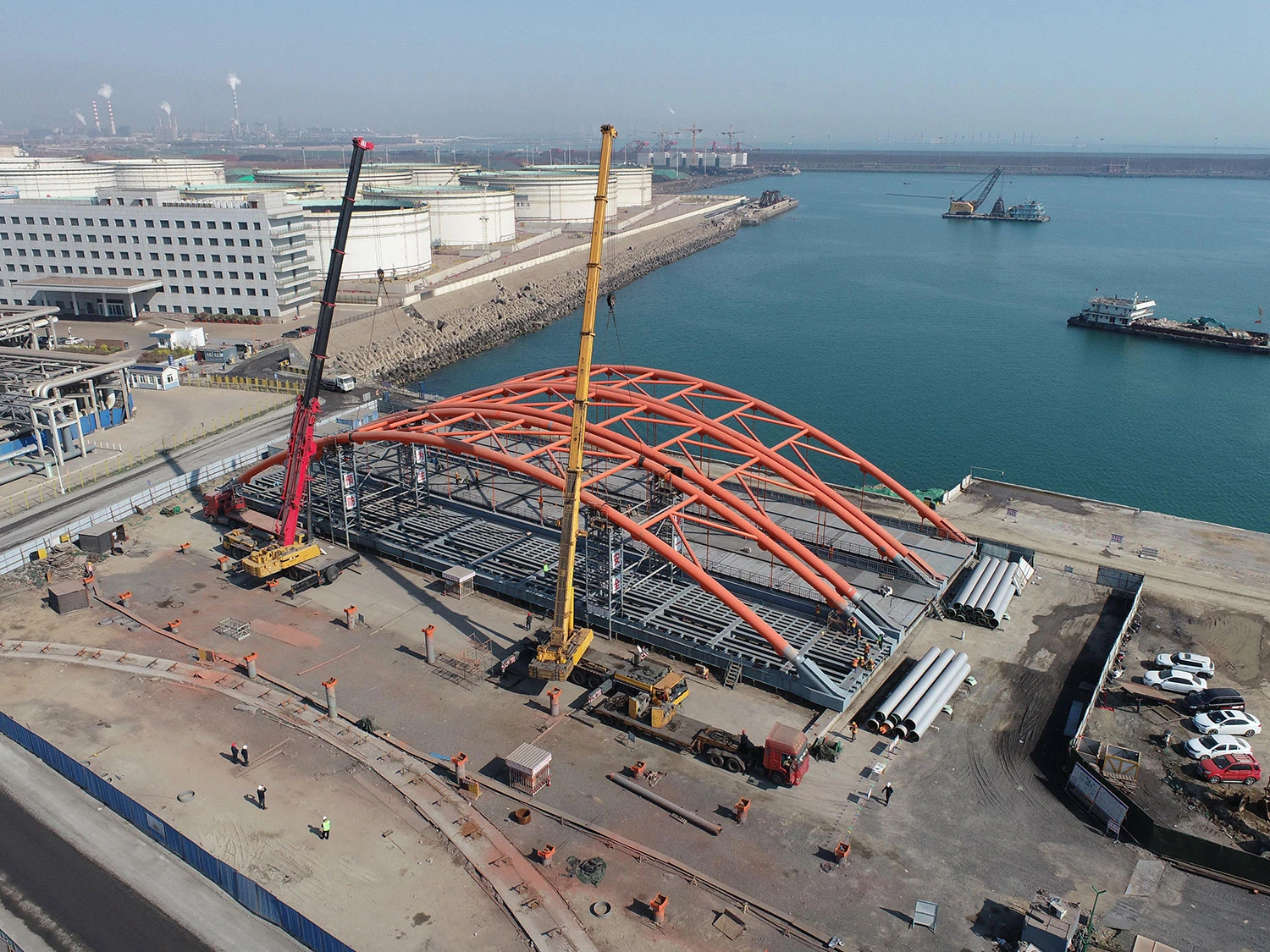
You can prevent cracked coatings on your container crane by choosing the right protective system for every metal surface. Salt, wind, and water can severely damage the metal, and using poor coatings leads to rapid deterioration. When you use coatings that crack—avoid them—because they make metal rust and worsen cracks, putting your equipment at risk. Every hour your container crane is out of service can cost you $15,000 in lost revenue. Safety fines for a compromised container crane can reach up to $100,000, and metal-related accidents may result in millions in damages. CEGC provides container crane solutions designed for long-lasting performance. To ensure all metal components remain protected and fully operational, you need robust coatings that resist cracking and corrosion.
|
Evidence Type |
Details |
|---|---|
|
Maintenance Costs |
Corroded barriers require frequent replacement, driving up expenses. |
|
Operational Downtime |
Each hour of repairs can mean $15k in lost revenue. |
|
Safety Fines |
Non-compliance can result in fines up to $100k per incident. |
|
Accident Liabilities |
Failed barriers can cause injuries and cost millions in damages. |
Trust CEGC for container crane: coatings that crack—avoid them—with advanced protection systems that keep your operations safe and efficient.
Key Takeaways
-
Pick marine-grade coatings to keep your container crane safe from salt, water, and sun. These coatings stop corrosion and help your equipment last longer.
-
Check your crane often for rust or cracks. Finding problems early can help you avoid expensive repairs and lost work time.
-
Getting the surface ready is very important. Clean all metal parts well before putting on coatings so they stick and protect better.
Causes of Coating Cracks on Container Cranes
Environmental and Operational Stress
Operating container cranes near the ocean is tough. Saltwater, rain, and sunlight hit the metal all the time. These things make metal rust faster and break down the coating. Salt in the air and wet weather make the problem worse. They help rust form and cause cracks in the coating. Wind and changes in temperature also stress the metal. When metal gets hot or cold, it grows or shrinks. This can make the coating split. When this happens, the coating gets weaker and does not protect well. Rust can start under the coating if water gets trapped. Rust does not only happen on the outside. If you work in these conditions a lot, you need strong coatings that stop rust.
Tip: Look at your crane often and use rules like ASTM D610 and ASTM D1654. These rules help you find rust, small holes, and bubbles before they turn into big cracks.
Material and Application Issues
It is important to prepare and put on the coating the right way. If you use the wrong amount or skip cleaning, the coating will not stick. Not cleaning the metal lets water and salt stay. This makes rust start faster and the coating fail early. Using materials not made for the sea makes cracks more likely and does not stop rust well. Always check welds and edges. These places need enough coating to stop damage early.
|
Evidence Type |
Description |
|---|---|
|
Surface Preparation Importance |
Makes sure the coating sticks and stops rust for a long time. |
|
Inadequate Methods |
Cleaning by hand or with tools is not enough for lasting results. |
|
Critical Areas |
You need enough coating on welds and edges to stop rust from starting early. |
CEGC gives you container cranes with standard features and special options. You can pick coatings that stop rust and help the crane last longer. This keeps every metal part safe and helps you avoid losing money when the crane is down.
Preventing Cracks: Protective Coatings and Best Practices
Choosing the Right Protective Coating
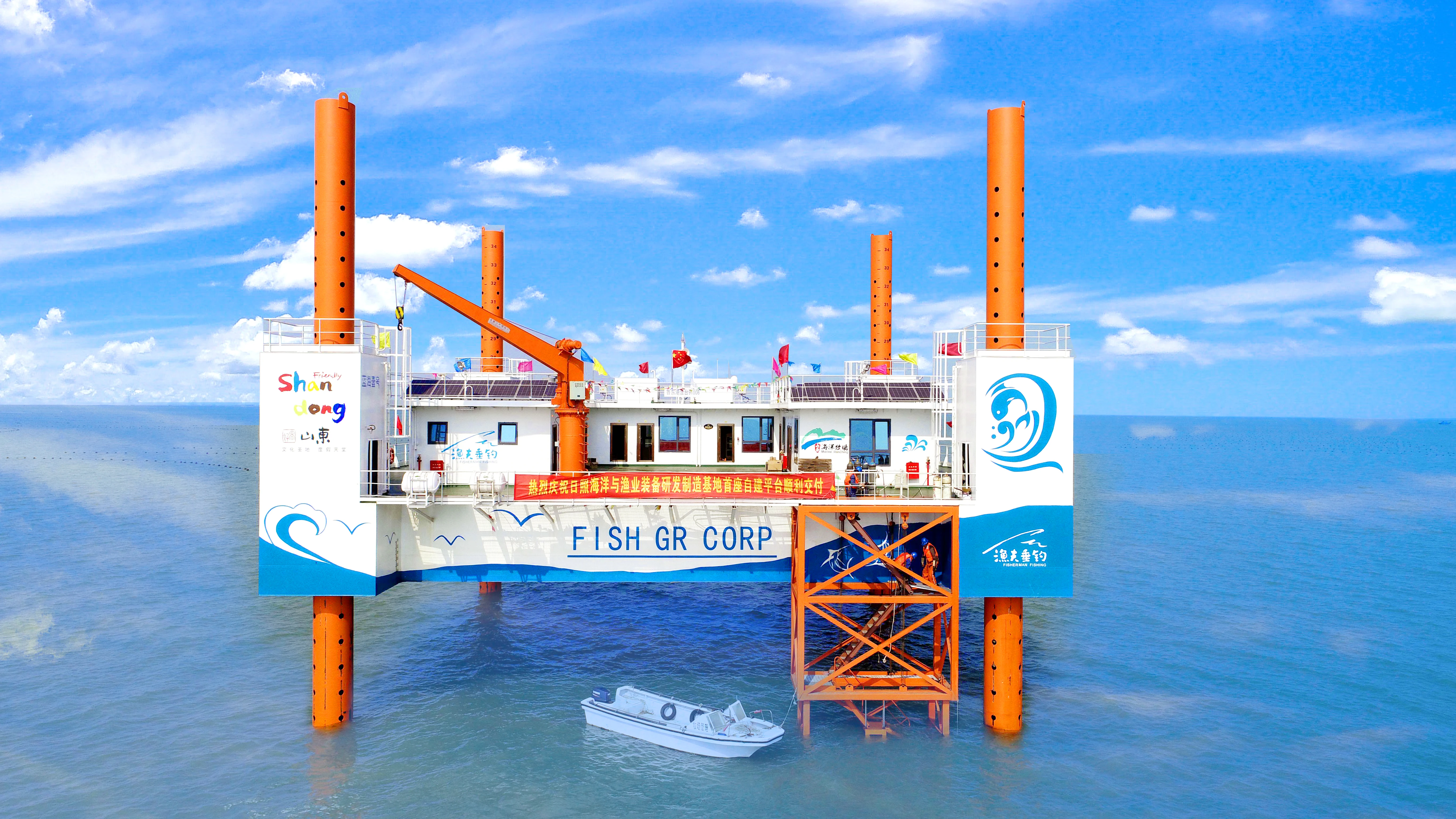
You need coatings that can handle tough marine weather. Not all coatings protect metal the same way. Some coatings break down quickly from salt, water, and sun. Marine-grade coatings give better protection for container cranes. These coatings help stop metal corrosion and keep your equipment working longer.
Here is what you should look for in protective coatings:
|
Feature |
Description |
|---|---|
|
Protects against saltwater corrosion and harsh chemicals. |
|
|
Durability |
Offers robust protection against physical wear and heavy loads. |
|
Low Maintenance |
Reduces the need for frequent maintenance, saving time and costs. |
|
UV and Weather Resistance |
Formulated to withstand UV radiation, moisture, and temperature fluctuations. |
|
Industry Compliance |
Meets high standards of marine industry regulations. |
|
Long-Term Value |
Reduces frequency of repairs and replacements, ensuring optimal performance. |
|
Expert Support |
Guidance through product selection to application for best results. |
Pay attention to coating thickness and sealing treatments. Thicker coatings make a stronger barrier against saltwater and humidity. This helps stop metal corrosion and makes your crane last longer. Sealing treatments add extra protection, so the coating lasts in harsh weather.
Tip: Use UV-resistant coatings to stop fading and cracking. This keeps your container cranes looking good and working well.
Surface Preparation and Application
Getting the metal ready is important for making coatings last. You must clean off all rust, oil, and dust before putting on any coating. Sweep blasting works well for galvanized steel, but you need to be careful. If you blast too much, you can hurt the zinc layer. If you blast too little, dirt stays and the coating will not stick.
Follow these best practices for surface preparation and application:
-
Remove all dirt and rust so the coating sticks well.
-
Follow standards like SSPC-SP-1 for solvent cleaning, SSPC-SP-2 for hand tool cleaning, and SSPC-SP-3 for power tool cleaning.
-
Use solvent cleaning and power tools to get the metal very clean.
-
Apply the coating in a clean, dry place. Make sure the temperature and humidity are right.
-
Keep the coating thickness even. Too thin means less protection. Too thick can cause sticking problems.
These steps help stop cracks and keep coatings strong.
Inspection and Maintenance for Container Cranes
You need regular inspections to find problems early. Cracks and rust can start small but grow fast if you do not fix them. Set up a maintenance program for your container cranes. Operators should check the metal and coatings every day before work. Maintenance staff should do monthly checks and keep records. Once a year, have a qualified inspector do a full review.
|
Inspection Type |
Frequency |
|---|---|
|
Periodic Inspections |
Monthly to Annually |
|
Equipment Usage |
Frequent to Seldom Used |
|
Documentation |
Required for Equipment Life |
Regular inspections help you find cracks, bubbles, or rust before they get worse. When you see damage, fix it right away. Use advanced coatings and follow the right steps to repair weak spots. This keeps your metal safe and your cranes working longer.
Note: CEGC offers maintenance plans and protection packages. These help you keep up with inspections and repairs, so your equipment stays in good shape.
Design and Material Selection
The right crane design and materials help coatings work better. Stainless steel and galvanized steel resist corrosion more than untreated carbon steel. These materials lower the chance of cracks in the coating and help your equipment last longer.
|
Material Type |
Effect on Coating Cracks |
|
|---|---|---|
|
Stainless Steel |
High |
Reduces likelihood |
|
Galvanized Steel |
Moderate to High |
Reduces likelihood |
|
Untreated Carbon Steel |
Low |
Increases likelihood |
316 stainless steel works well in tough marine weather because it forms a self-repairing layer. This means less maintenance and better protection for your metal parts. You can also pick special coatings for different corrosive agents. Remember to inspect and reapply them when needed.
Using the right materials and coatings helps you avoid expensive repairs and downtime.
CEGC lets you customize anti-corrosion grades, sealing levels, and maintenance plans. You can match your protective measures to your port’s needs. With the right choices, you get better corrosion prevention, longer durability, and lower costs for your container cranes.
You keep your container crane safe by picking the right coating for each metal part. Regular checks and careful work help protect the metal. CEGC lets you choose solutions that last a long time.
-
Good coatings help metal last longer and wear out less.
-
Checking and caring for metal often keeps it working well.
FAQ
What is the best way to check for coating cracks on my container crane?
Check all metal parts once a month. Search for bubbles, rust, or paint that is peeling. Use a flashlight to see places that are hard to reach.
How often should I reapply protective coatings?
|
Crane Location |
Reapplication Interval |
|---|---|
|
Coastal Terminals |
Every 2-3 years |
|
Inland Terminals |
Every 3-5 years |
Can I use regular paint instead of marine-grade coatings?
-
Do not use regular paint. Marine-grade coatings protect from salt, wet air, and sunlight. Regular paint will crack and not last long.


