
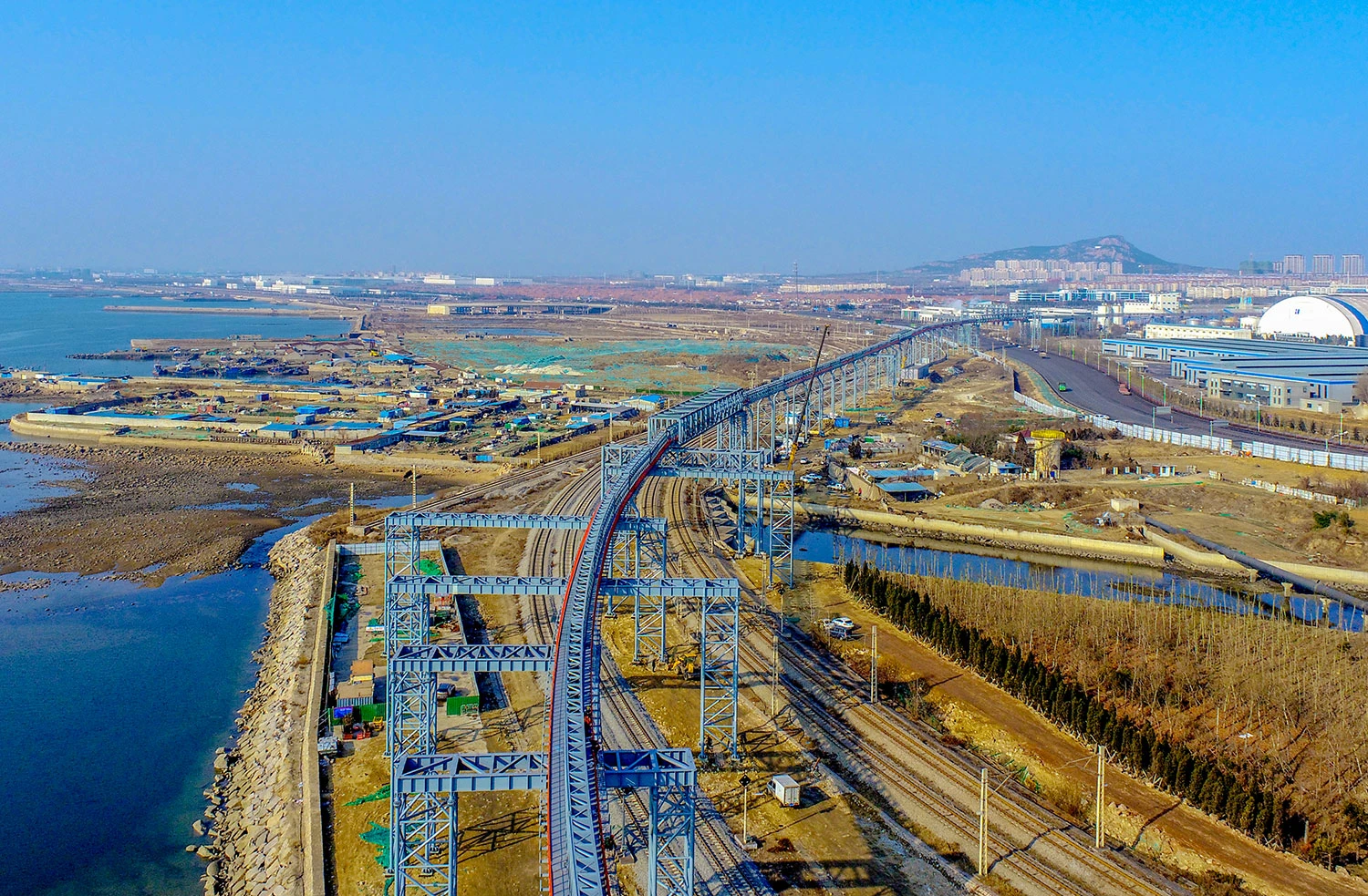
You face big problems when you manage offshore platform logistics need rust-safe cargo crane. Picking the right deck crane affects how well and safe you work. Deck crane corrosion-resistant coating keeps deck crane safe from sea dangers. Offshore deck crane stability systems help deck crane move cargo better. Offshore deck crane predictive maintenance makes deck crane work better in the sea. CEGC gives you deck crane you can change for offshore platform logistics need rust-safe cargo crane in the sea.
|
Feature |
Description |
|---|---|
|
Corrosion-resistant coating |
Keeps deck crane safe from tough sea places |
|
Stability systems |
Stops ship movement for safer deck crane work |
|
Sea operation certification |
Makes sure deck crane follows sea safety rules |
|
Increased capacity-to-weight ratio |
Makes deck crane lift better in offshore platform logistics need rust-safe cargo crane |
Key Takeaways
-
Pick cranes that have coatings that stop rust. These coatings help keep cranes safe in tough sea weather.
-
Do checks often and fix things before they break. This helps find problems early and keeps cranes working and safe.
-
Get cranes with good safety parts, like anti-sway systems. These parts make lifting more steady and keep people and cargo safe.
Why offshore platform logistics need rust-safe cargo cranes
Corrosion risks and safety impact
Managing cranes for offshore work is hard. The sea air has salt, water, and strong wind. These things make cranes rust faster. Rust can make your crane weak. You need to know how each area affects your crane. In the air zone, salt in the air causes slow rust. The splash zone gets wet and dry a lot. This can wear out your crane quickly. The tidal zone has water that goes up and down. This makes rust happen more.
Rust can cause big safety problems. If you do not fix rust, wires can break or the crane can fall. This can hurt ships, drop cargo, and put people at risk. You must keep your cranes strong to keep your team safe. CEGC uses special anti-rust systems to help you. You get strong materials, special paint, and sealed parts. These things keep your crane working well during tough jobs and oil and gas work.
Compliance and operational demands
You must follow strict safety rules for oil and gas jobs. Offshore work needs cranes that can handle hard jobs and tough weather. You need strong materials like stainless steel and aluminum alloys. These make your crane last longer in hard places. Special paint and regular checks give even more safety.
You also need cranes that fit your cargo jobs. Offshore platforms need cranes that are strong and work every time. CEGC lets you pick the right crane for your job. You can choose things like anti-sway systems or smart checks. This keeps your crane safe, strong, and ready for any offshore job.
Key protection level and selection criteria for cranes
Material and coating choices
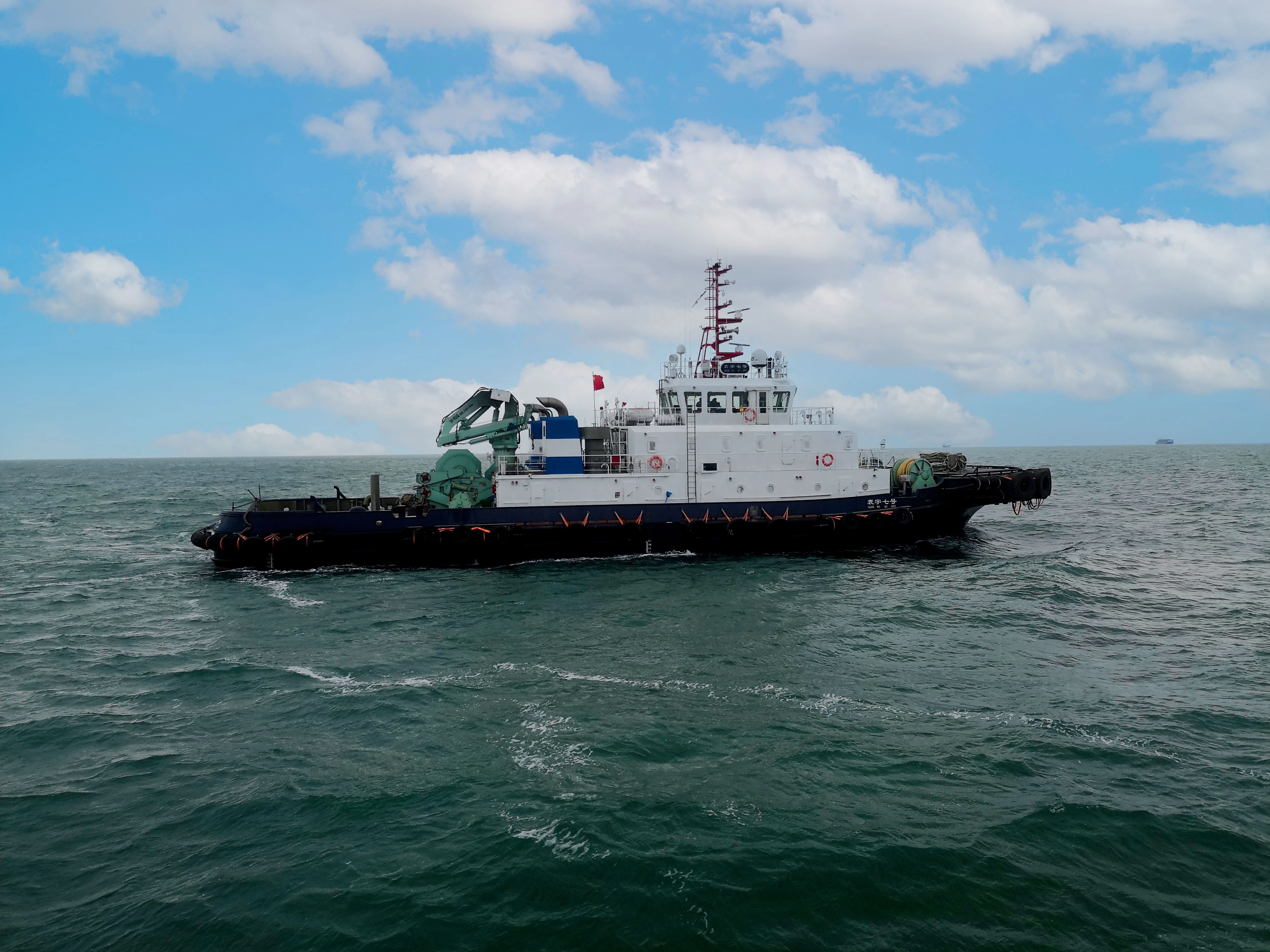
When you pick a crane for offshore use, you need to think about the right materials and anti-corrosion coating. The sea has salt, wet air, and strong wind and waves. These things can hurt cranes fast if you do not choose well. You should check how much protection each crane gives, especially for important equipment on offshore platforms.
Here is a table to help you compare common materials for marine cranes:
|
Material |
Key Features |
Applications |
Limitations |
|---|---|---|---|
|
Stainless Steel |
High corrosion resistance, durable |
Construction, marine equipment |
Susceptible to chloride pitting |
|
Titanium Alloys |
Lightweight, strong, highly corrosion-resistant |
Offshore drilling, aerospace |
High cost |
|
Aluminum Alloys |
Corrosion-resistant, lightweight |
Marine components, automotive |
Prone to stress corrosion |
You should also think about special coatings. Self-healing coatings can fix small scratches by themselves. Hydrophobic surfaces stop water from touching metal parts. Intelligent cathodic protection systems watch and change protection levels all the time. These ideas help your crane last longer and lower repair costs. Advanced coatings like reinforced epoxy and glass-flake polyester keep seawater and bad weather away. This helps your marine crane lift heavy things and last a long time.
Safety and anti-sway systems
Safety is the most important thing for any offshore crane. You need to pick cranes with strong safety features and good anti-sway systems. These things keep lifting safe and protect your team every time you use the crane. Offshore platforms have strong winds and big waves, so your crane needs to handle these.
Here is a table of important safety systems for marine cranes:
|
Safety System |
Description |
|---|---|
|
Load Moment Indicators (LMIs) |
Monitors weight and boom position to prevent overloading. |
|
Overload protection systems |
Automatically stops lifting if the load exceeds safe limits. |
|
Anti-sway and active load stabilization |
Reduces swinging during travel or lifting, minimizing risk to cargo and personnel. |
|
Load Sway Protection |
Ensures the container remains steady throughout the lifting and placement process. |
Anti-sway systems help stop the load from moving too much. This lowers the chance of crashes and accidents. You can use cranes faster without losing control of the load. This makes lifting better and keeps marine work running well. Extra safety systems, like overload protection and emergency stop logic, give more safety. These features help you follow strict offshore safety rules and keep your crane working well.
You should also look for spark-resistant materials in your crane. These materials stop sparks when lifting heavy things, which is very important for oil and gas platforms. A strong safety setup with spark-resistant materials keeps people and cargo safe.
Integration with logistics and maintenance
You need cranes that fit well with your offshore logistics and maintenance plans. The right crane must match your lifting power, reach, and how much it can do by itself. Project-based customization lets you change features for your own marine needs. This makes sure your crane works well with other equipment and ship loading systems.
Predictive maintenance technology gives you live data about your crane’s health. You can find problems before they stop your work. This makes things safer and keeps your marine crane ready for every job. Predictive maintenance also helps you handle rust and misalignment, which happen a lot offshore.
When you check cranes, look at their protection ratings and weather strength. Pick cranes with strong anti-corrosion coating and good sealing. These things protect your money and keep your lifting power high. CEGC has cranes with options you can change, like spark-resistant materials and advanced safety systems. You can pick the right protection for your offshore platform and make sure your crane works well.
Tip: Always match your crane’s lifting power and features to what you need. Customizing your crane helps you work better and safer in marine places.
Practical steps to evaluate and compare cranes
Manufacturer expertise and certifications
You need to check the history of any crane company. Look for companies that build cranes for tough sea jobs. Ask for stories that show how their cranes work on real offshore platforms. You should also look at their certificates and safety papers. Good companies like CEGC will show proof they meet rules.
-
Check if they follow OSHA rules.
-
Ask for OSHA-71 forms to see tests and certificates.
-
Make sure they use marine crane design and safety rules.
-
Ask for details about old offshore jobs and what customers say.
These steps help you pick a partner who cares about safety and knows offshore needs.
Inspection, maintenance, and lifecycle support
You must keep your cranes in good shape to stay safe and get value. Make a clear plan to check and fix every crane on your offshore platform.
-
Check the crane’s body every year for cracks, rust, or tired parts. Put on new coatings if needed.
-
Check wires every 6 months. Change broken wires right away.
-
Test how much the crane can lift once a year or after big fixes.
-
Use anti-rust treatments each year. Look for rust every month.
-
Plan checks every 3 months to find problems early.
-
Oil moving parts at least once a month with marine oil.
-
Check hydraulic systems every 6 months and change fluids as needed.
You should also talk to skilled suppliers like CEGC for custom jobs and help. This way gives you strong protection and keeps your offshore cranes safe and working well.
You need rust-safe cargo cranes for offshore platform logistics. Using technical solutions makes things safer and more reliable.
-
Predictive maintenance helps stop cranes from breaking down. This keeps everyone safer.
-
Preventive maintenance means checking cranes often. This also helps keep things safe.
-
Both ways make vessels safer and protect people and cargo.
|
Attribute |
Description |
|---|---|
|
Quality Assurance |
CEGC always uses high safety rules for cargo cranes. |
|
Engineering Expertise |
You get help from CEGC’s safety-focused engineering team. |
|
Global Service Network |
CEGC can help you stay safe anywhere in the world. |
FAQ
What makes a cargo crane rust-safe for offshore platforms?
Rust-safe cranes have special marine coatings and sealed joints. They also use stainless steel parts. These things help protect the crane from salt and water. They also keep it safe from bad weather.
How often should you inspect your offshore cargo crane?
-
Inspect your crane every three months to stay safe.
-
Look for rust, cracks, or worn-out parts each time.
-
Get a professional to check it once a year.
Can you customize CEGC cranes for special offshore needs?
Yes! You can pick how much the crane lifts and add anti-sway systems. You can also choose strong coatings. CEGC lets you change cranes for your offshore platform.


