
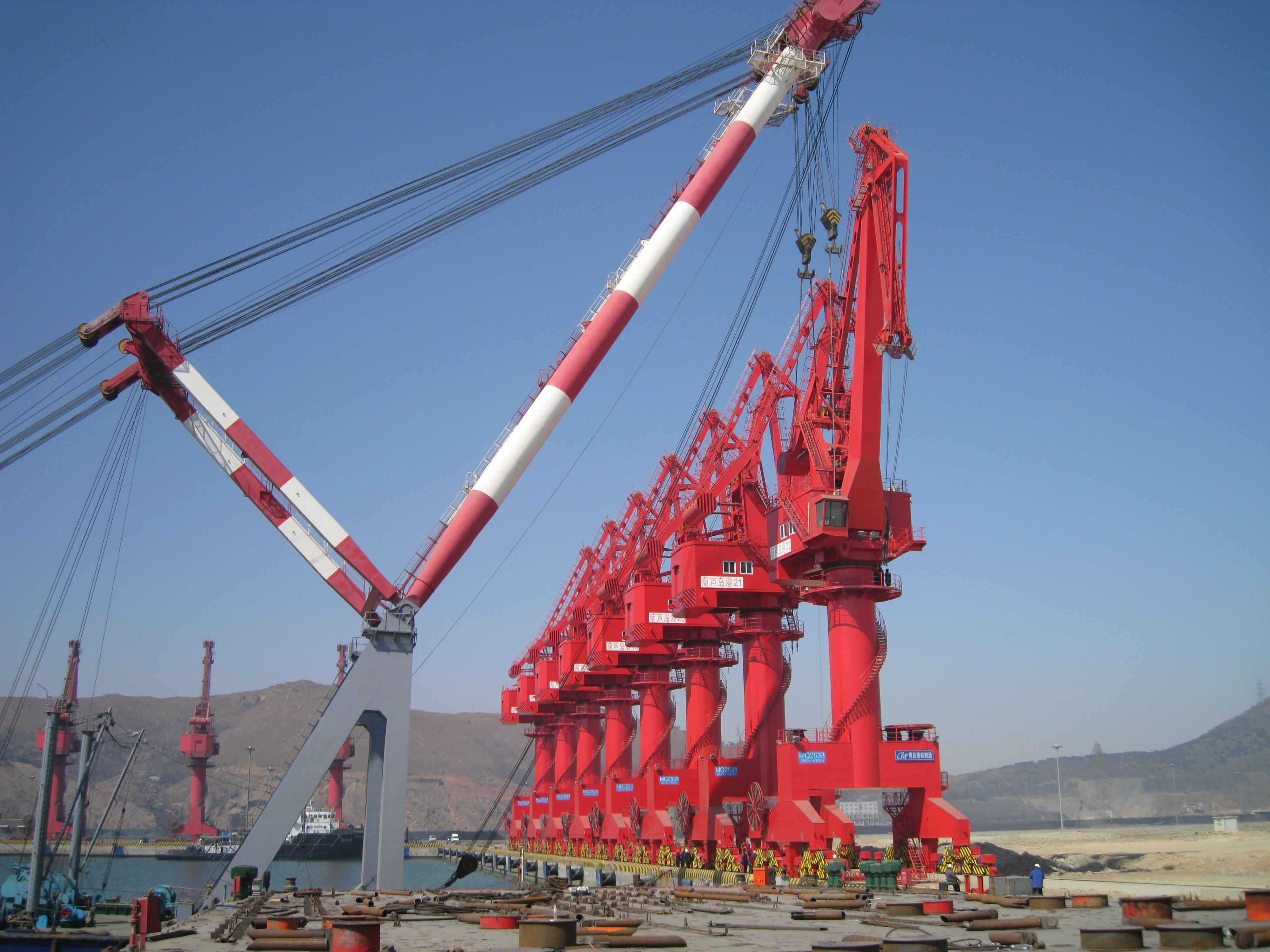
Every day, ship loading systems benefit from predictive path plans, enhancing operational efficiency. CEGC provides ports with innovative machines that enable workers to perform their tasks more effectively and safely. By utilizing predictive analytics, ports can accelerate cargo handling and prevent traffic congestion.
|
Impact Type |
Description |
|---|---|
|
Stand-by Time |
Less time waiting around. |
|
Fuel Consumption |
Offshore operators use less fuel. |
|
Delivery Performance |
Delivery improves due to smarter planning. |
-
Ports leverage predictive analytics to manage traffic and strategically plan where ships dock.
Key Takeaways
-
Predictive path plans make ship loading faster. They use smart technology to find the best routes. This helps ships avoid waiting and saves time.
-
Real-time data analytics helps ports stay safe. It stops accidents and lowers costs. It also keeps work going without long breaks.
-
AI-powered load planning helps schedule jobs better. This makes cargo move faster. It also helps workers do more in less time.
Predictive Path Plans in Ship Loading Systems
What Are Predictive Path Plans?
Predictive path plans help guide ship loading systems. They use smart technology to find the best routes for cargo and equipment. These plans help you avoid delays and lower risks. Models learn from past moves and change for new situations. Global path planning uses smart algorithms to make decisions faster. Local path planning helps stop collisions and keeps things safe.
|
Component |
Description |
|---|---|
|
Global Path Planning |
Learning models pick fast and safe routes for cargo and equipment. |
|
Local Path Planning |
Predicts collision risks and changes paths to keep operations smooth and safe. |
How Predictive Path Plans Work
You use predictive path plans with CEGC’s portal crane, container crane, or ship loader. These systems use predictive analytics to check real-time data. Automated cranes and loaders move cargo quickly and safely. Automated Guided Vehicles carry containers with less human work. Predictive systems use sensors and machine learning to make routes better and forecast capacity. You get updates right away on cargo and equipment movement. Anti-sway control keeps loads steady. Safety interlocks stop overloads and crashes. Automation and sensors help you work faster and safer. Motion coordination matches crane speed with cargo flow and cuts idle time.
Predictive path plans help you make quick choices and change when needed. You see better efficiency and lower costs.
-
Real-time monitoring checks shipments and equipment.
-
GPS and RFID tags help you react to changes fast.
-
Predictive maintenance keeps machines working longer.
How Ship Loading Systems Benefit from Predictive Path Plans
Operational Efficiency and Throughput
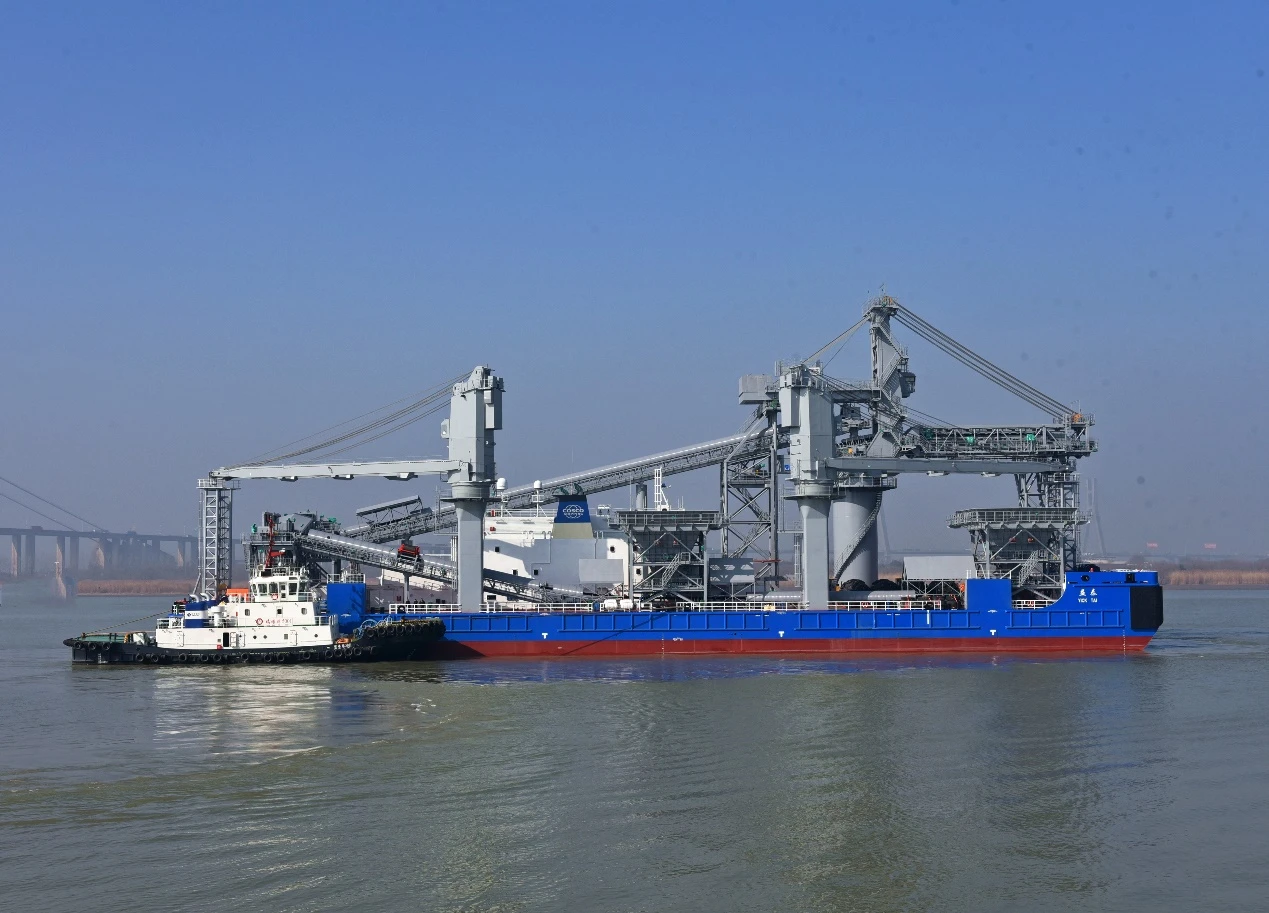
Ship loading systems get many benefits from predictive path plans. These plans use ai and predictive analytics to move cargo faster and with fewer errors. Ai-powered load planning matches the right equipment to each job. This helps workers wait less and finish more work in less time.
-
Idle time goes down because ai helps schedule tasks better.
-
Real-time data analytics lets you find problems before they slow things down.
-
Automated cranes, like a container gantry crane or reach stacker forklift, use predictive models to keep cargo moving.
You can see clear improvements in how things run:
-
Automated anomaly detection with human checks finds over 90% of issues.
-
Human-in-the-loop systems help you stay on schedule and cut delays by up to 25%.
-
Ai-driven technology picks the best times for docking and unloading, so ships wait less.
At the Port of Antwerp, live data with reach stacker operations cut rehandles by 15%. Another terminal used job prioritization models and got a 12% boost in yard productivity. These results show how ai-powered load planning helps ports.
Safety, Anti-Sway, and Collision Prevention
Keeping your team safe is important. Predictive path plans help ship loading systems lower risks. Ai-powered load planning uses sensors and smart controls to keep loads steady. Anti-sway technology stops swinging, so cargo can be placed more accurately.
-
Advanced control algorithms reduce pendulum motion.
-
Collision avoidance systems use radar and LiDAR to make safe zones. If something gets too close, the system slows or stops the crane.
-
Real-time load awareness helps prevent accidents during loading.
Predictive analytics makes cargo placement more predictable. This means fewer accidents and a safer workplace. You can trust your portal crane, container handler, or ship loader to work safely every time.
Predictive Analytics for Maintenance and Cost Control
Using predictive analytics for maintenance saves money and time. Predictive path plans help ship loading systems spot problems before breakdowns happen. Ai-powered load planning helps you plan repairs at the right time.
-
Predictive maintenance can cut downtime by 15–35%.
-
You can lower operational costs by up to 20%.
-
Condition-based maintenance makes cranes available 20–30% more often.
-
Data analytics helps reduce unscheduled downtime by about 25%.
Here’s how predictive maintenance helps:
|
Aspect |
Description |
|---|---|
|
Reduced Unplanned Downtime |
Predictive maintenance finds faults early, so you can fix them before they stop your work. |
|
Improved Maintenance Scheduling |
You can plan repairs better, which means less time waiting for parts or service. |
|
Enhanced Equipment Reliability |
Ai and machine learning make your machines more reliable and last longer. |
Predictive systems also help the environment. Moving containers in a better way uses less energy and makes fewer emissions. This helps your port be more sustainable and keeps costs low.
Ship loading systems get better efficiency, safety, and cost control from predictive path plans. You get real-time adaptability and use resources better. You can customize your CEGC equipment for your needs, like anti-sway controls or marine-grade durability. This helps your port get ready for the future.
Overcoming Challenges with Predictive Analytics
Addressing Safety and Reliability Risks
Ship loading systems have many problems like rust, worn-out parts, and sudden stops. Predictive analytics helps fix these issues by watching equipment in real time. It also checks for patterns that show trouble. This makes your portal crane, container crane, or ship loader work better. You can find problems early and fix them before they get worse. Predictive maintenance uses data to spot changes in how machines act. This means you can plan repairs before something breaks.
|
Challenge |
|
|---|---|
|
Optimizing terminal resource needs |
Enhanced data analysis for better resource allocation |
|
Reducing congestion |
Improved scheduling and communication with carriers |
|
Improving cargo handling efficiency |
Predictive maintenance to minimize downtime and delays |
Sharing data between port teams gets easier too. You can guess when ships will arrive and plan better. This helps you cut down on waiting. Predictive analytics makes cargo handling safer and more reliable every day.
Enhancing Lifecycle and Energy Efficiency
Predictive analytics helps your equipment last longer and use less energy. Marine-grade durability keeps machines safe from tough weather at the port. Predictive maintenance stops surprise breakdowns and saves money on repairs. Data analytics helps you find where energy is wasted and fix it.
|
Benefit |
Description |
|---|---|
|
Reduce unplanned downtime |
Predictive maintenance minimizes unexpected failures |
|
Optimize energy consumption |
Identifies inefficiencies in load patterns |
|
Lower maintenance costs |
Timely interventions extend asset life |
|
Improve carbon visibility |
Enhances ESG reporting and reliability |
You can use automation and real-time updates to keep things running well. Predictive analytics helps you make smart choices, work better, and protect the environment. With CEGC’s solutions, your ship loading systems stay strong and dependable.
You notice predictive path plans change ship loading systems. CEGC brings safety, efficiency, and options with new technology.
New ports use real-time predictions to use resources better.
-
AI-powered analytics help ships arrive on time.
-
Big ports use digital twins to plan better.
You get ready for a smarter and more dependable future.
FAQ
How do predictive path plans improve safety in ship loading systems?
Anti-sway controls and collision prevention make things safer. Sensors and smart algorithms help stop accidents. These tools protect your team from harm.
Can you customize CEGC equipment for different port needs?
|
Option |
Customization Available |
|---|---|
|
Capacity |
✅ |
|
Span/Height |
✅ |
|
Duty Cycle |
✅ |
|
Power Solution |
✅ |
|
Automation Level |
✅ |
What maintenance benefits do predictive analytics offer?
-
You find problems early.
-
You can fix things before they break.
-
Machines last longer and stop less often.


