
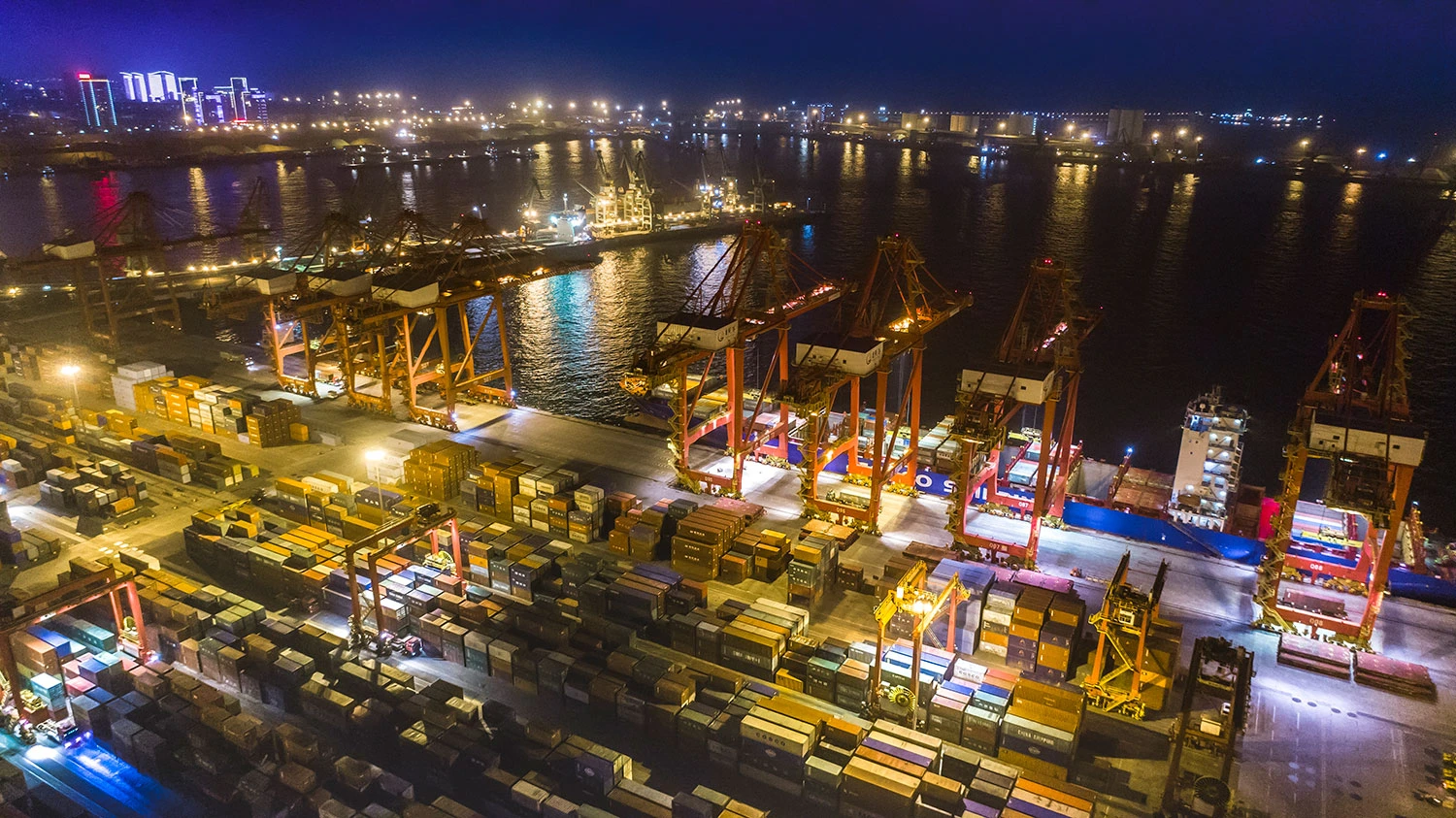
To optimize ship loading systems throughput: fix the slow link by identifying and improving the slowest part of your operation. Addressing this bottleneck enhances ship-loading efficiency, reduces costs, and ensures more reliable scheduling. CEGC provides advanced port machinery and customized solutions designed to boost efficiency and promote seamless collaboration across your team.
Key Takeaways
-
Find the slowest part of your ship loading system. Fixing this can make things work better. Look for places where things get stuck. Improving these spots helps everything move faster.
-
Use smart loading and anti-sway solutions to stop accidents. These tools help keep people safe. They make cranes work better. They also help finish jobs faster.
-
Get automated equipment and use predictive maintenance to save money. This makes things more reliable. Automation can make things move up to 30% faster. It also helps stop mistakes made by people.
Fixing Ship Loading Systems Throughput
Identify the Slow Link
Start by finding the slowest part of your ship loading systems. This helps you fix the slow link and improve how fast things move. Look at each step in your operation. Check how your portal crane, container crane, ship crane, cargo crane, and container handling equipment work. If you notice delays, focus on those spots first.
Many ports have problems like load sway, collision risk, cycle-time changes, marine corrosion, and unplanned downtime. These problems make ship loading slower. You can use new material-handling solutions to find and fix these slow spots. Smart scheduling and high-angle conveying also help cut down on delays.
Tip: Use data from vessel arrivals and yard moves to see where delays happen most. This helps you know where to make things better.
Smart Loading and Anti-Sway Solutions
You can make ship loading systems faster by using smart loading and anti-sway solutions. Anti-sway systems use electronic sway-control and multi-rope hoists. These tools help stop loads from swinging when lifting and moving. Less sway means fewer accidents and better safety for cargo and crew.
Smart loading methods help you get real improvements. Here is a table that shows how smart loading and anti-sway solutions help:
|
Improvement Type |
Measurable Improvement |
|---|---|
|
Cycle time improvement (AI vs. conventional) |
|
|
Average crane cycle time reduction |
12% to 18% |
|
Load positioning error reduction |
Up to 60% |
|
Crane productivity gains |
14% to 22% |
|
Equipment wear cost reduction |
Up to 18% |
These solutions help you stop spillage and make cycle times more steady. You can also use safety interlocks, motion coordination, and workflow integration to make things safer and more reliable. CEGC lets you customize sensor sets, anti-collision zones, and safety backups. This means you can match your project needs for capacity, span, duty cycle, automation, and anti-corrosion.
Upgrade Equipment and Automation
You can make your equipment better and add automation to improve ship loading systems throughput. Automated stacking cranes, remote-controlled quay cranes, and automated guided vehicles help you move containers faster and safer. Ports like Singapore and Rotterdam use these tools to handle more containers and make turnaround times shorter.
Here are some new things in port machinery automation:
-
Automated stacking cranes work all day and night, making throughput up to 30% better.
-
Fully automated guided vehicles move containers without drivers.
-
Remote-controlled quay cranes help you load ships more exactly.
-
Predictive analytics and machine learning tools help plan vessel schedules and yard work.
Upgrading to marine-grade, automated equipment also cuts maintenance costs and keeps things running longer. The table below shows the benefits:
|
Benefit |
Description |
|---|---|
|
Automation makes work smoother, so you need less maintenance and spend less money. |
|
|
Reduced Human Error |
Automation lowers mistakes, which can cause downtime and repairs. |
|
Proactive Maintenance |
Predictive maintenance helps you spot problems before they cause failures. |
|
Compliance and Sustainability |
Upgrading helps you follow rules, avoid fines, and keep things running longer. |
You can also use predictive maintenance and energy-saving solutions. These help you plan repairs, stop failures, and save energy. Well-kept equipment is safer and works better. You build a team that uses data to keep things reliable and try new ideas.
Industry best practices include smart loading, dock scheduling, and building more piers. For example, upgrading Pier G at the Port of Long Beach made things faster and bigger by putting in a new ship loader. The new system made work more efficient and helped more ships.
You can use these ideas to make your ship loading systems fit your project. This helps you load ships well and meet market standards.
Reduce Dwell Time and Optimize Operations
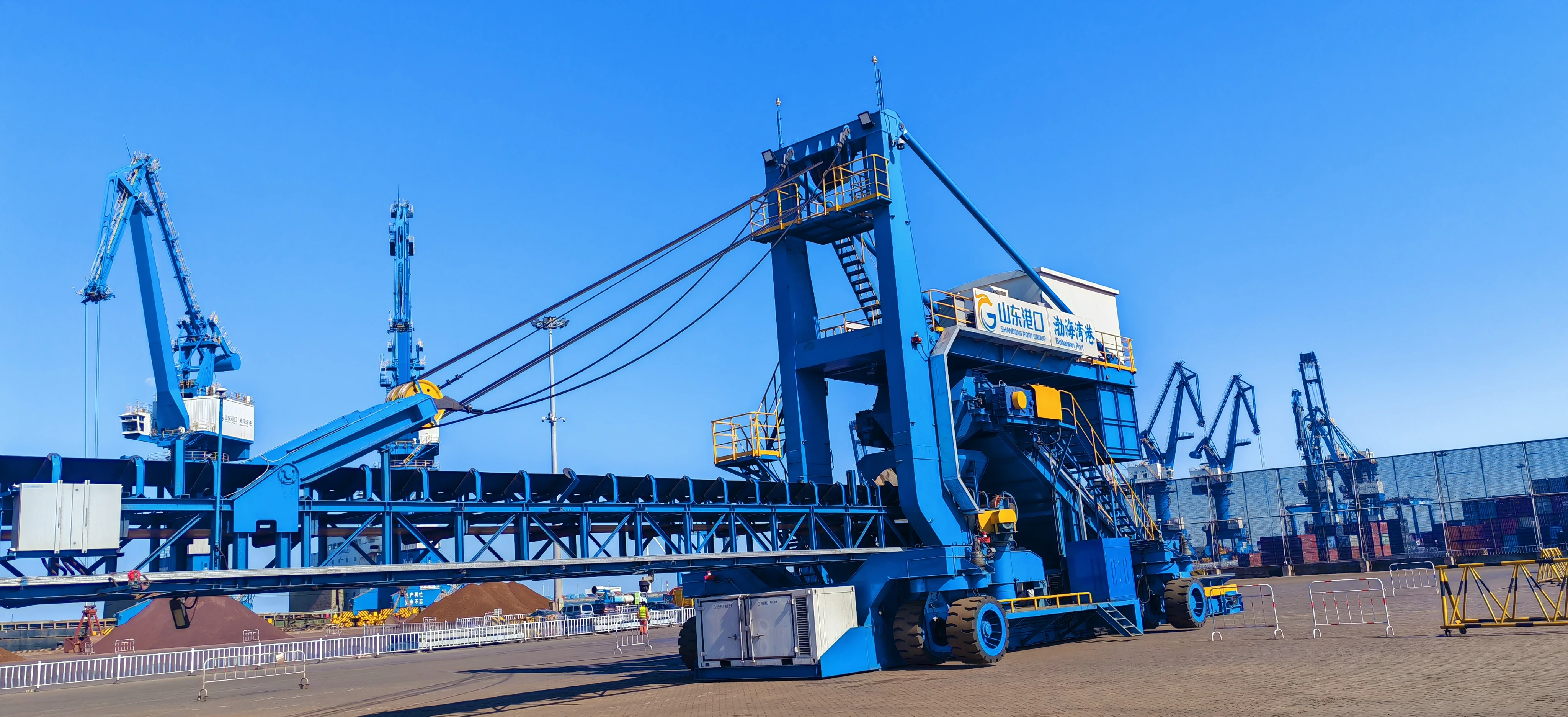
Cutting down dwell time is a great way to help ships leave faster. This makes your port work better and helps you move more cargo. When ships spend less time at the dock, you can load and unload more ships. If you make vessel turnaround 10% faster, you can do about 8% more work. This means you use the same tools and people but get more done. Lower dwell time also saves money and keeps customers happy because their cargo arrives on time.
Analyze Bottlenecks and KPIs
To fix dwell time problems, you need to look at your work steps. Start by checking key performance indicators (KPIs) to see where things slow down. Use vessel arrival data to find wasted moves and containers that need to be cleared early. If you know what services are needed, you can use yard space better and avoid extra work. Here is a table of important KPIs:
|
Key Performance Indicator |
Description |
|---|---|
|
Turnaround Time for Ships |
Shows how long it takes to load and unload a ship. This tells you how well your port works. |
|
Load and Unload Speed |
Checks how fast cargo is moved. Faster speed means better port work and quicker ship turnaround. |
|
Level of System Automation |
Looks at how much of your work is done by machines. More automation means better accuracy and speed. |
|
Tracking Accuracy |
Tells how well you can track cargo. Good tracking helps manage inventory and deliver on time. |
|
Operational Reliability |
Shows how often your system works without problems. Fewer issues mean lower costs and better results. |
|
Inventory Accuracy and Cargo Damage Rates |
Checks if cargo is handled right and not damaged. Low damage means your team works well. |
Workflow Integration and Scheduling Tools
You can make dwell time shorter by using smart scheduling and workflow tools. These tools let you book dock times early and keep track of jobs with live dashboards. Digital forms help clear customs faster and cut down on paperwork. Automated stacking cranes and good road or rail links help move cargo out quickly. Tools like Freightos, Descartes Systems Group, and Chain.io connect your work steps and help teams work together. Real-time tracking from MarineTraffic and project44 gives you updates, so you can fix problems fast.
Continuous Improvement and Predictive Maintenance
Always trying to get better helps you keep dwell time low and your port running well. Use smart systems and predictive maintenance to find problems before they stop your work. Sensors and AI watch your machines and tell you when something might break. This lets you fix things before they cause delays. This way is better than just fixing things on a set schedule. Operator screens and remote checks give your team live info and alerts, so they can act fast. When you focus on what causes dwell time and use these ideas, you can fix the slow link in your ship loading systems for good.
You can make ship loading systems work better by fixing the slowest part. Use advanced conveyor technologies and AI-powered logistics tools to help. High-angle conveying systems move cargo faster and make loading safer. AI applications let you plan and watch ship loading as it happens. CEGC’s port machinery lets you change things for your project so you work better for a long time.
|
Solution Type |
Description |
|---|---|
|
Advanced Conveyor Technologies |
High-angle conveying systems let cargo move up steeper paths. This means fewer stops and less dust in the air. |
|
AI Applications |
AI-powered software gives you tips to make logistics better. This helps you make good choices and work faster. |
-
High-angle conveying systems help load ships quickly.
-
AI-powered supply chain intelligence helps you make ship loading better right away.
Keep making dwell time shorter and watch ship loading all the time. You make your port strong when you use smart tools and CEGC solutions.
FAQ
What is the main cause of slow ship loading systems?
The slowest link is usually in your equipment or workflow. Look at your portal crane, container handler, or scheduling process for delays.
How can you reduce load sway during lifting?
Anti-sway control systems help keep loads steady and safe. These systems give you better placement and fewer accidents.
Which CEGC equipment helps improve port throughput?
|
Equipment Type |
Benefit |
|---|---|
|
Moves containers faster |
|
|
Stacks quickly |
|
|
Ship loader |
Loads bulk smoothly |


