
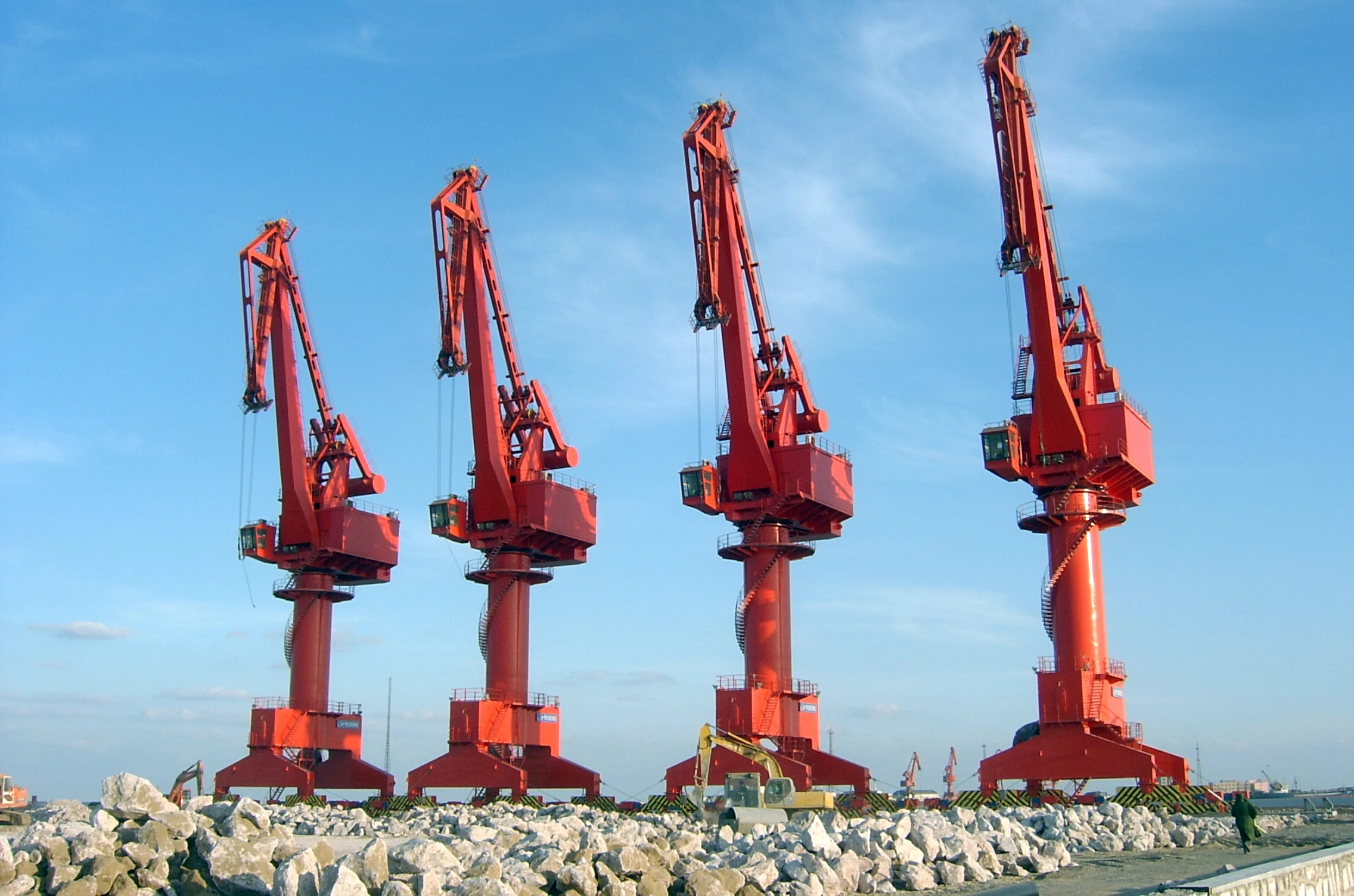
You have big challenges in portal crane throughput: peak shift playbook. Good management means you must control how long it takes to move containers, keep everyone safe, and make sure marine durability stays strong. CEGC gives container handling solutions with anti-sway, motion coordination, and predictive maintenance. Good management helps container handling work better in every portal crane throughput: peak shift playbook.
Key Takeaways
-
Add anti-sway technology to lower load sway by up to 95%. This makes things safer and can make work faster by up to 50%.
-
Use motion coordination systems to make cycle times shorter by 30% or more. This helps move containers faster and makes work better.
-
Keep training operators to help them get better and have fewer accidents. Use new tools like VR so they can practice safely and do a better job.
Portal crane tactics for peak shift throughput
Anti-sway and safe lifting controls
You want to make work faster and safer during busy times. One good way is to use anti-sway and safe lifting controls. These systems help you keep loads steady, even if there is wind or a mistake. Anti-sway technology stops heavy loads from swinging. This makes it simple to put containers in the right spot. There are fewer accidents and less cargo gets damaged.
A strong sway control system can cut load sway by up to 95%. This lowers the chance of accidents and injuries. You also get much better productivity, especially when things are busy. Tests show sway control can boost productivity by up to 50%. The anti-sway system changes itself for wind and other things, so your work stays safe and steady.
You can see how these portal crane tactics help by looking at the numbers:
|
Measurement |
Before Implementation |
After Implementation |
Improvement |
|---|---|---|---|
|
50m Full-Load Cycle Time |
42s |
29s |
|
|
Total ladle transport cycle time |
N/A |
N/A |
34% reduction |
Advanced anti-collision systems use radar and lasers to find obstacles. These features, with operator help systems, stop crashes and keep your team safe. You also get clear alarms and live updates on the operator screen. This helps you find problems before they get worse. With these portal crane tactics, you get more done and do a better job every shift.
Motion coordination for faster cycles
You need to move containers fast and smooth to do well during busy times. Motion coordination is a key portal crane tactic for faster cycles. This technology makes the hoist, trolley, and gantry move together. You waste less time and cut down on waiting. When you use motion coordination, you see big gains in how much you can move.
-
Motion coordination, with anti-sway and smart motion control, can cut cycle times by 30% or more.
-
These systems help you put loads in the right place and stop them from drifting.
-
Regular checks and real-time monitoring can lower downtime from 1.08% to 0.46%. This means your cranes work more and you keep up high productivity.
You can see how these portal crane tactics work in real life:
|
Evidence Type |
Description |
|---|---|
|
Timing Coordination |
RTGs match train schedules for quick container moves, so there are fewer delays. |
|
Reducing Dwell Times |
Working with rail schedules cuts the time containers stay in the terminal, so you move more. |
|
Improved Efficiency |
Working together makes things run smoothly, which is important for high efficiency. |
|
Maximized Stacking Capacity |
RTGs let you stack more containers in a small space. |
|
Efficient Use of Available Space |
Good stacking and moving stops crowding and helps containers flow better. |
|
Speed and Precision |
RTGs move containers fast and right, so there are fewer delays. |
|
Reduced Turnaround Time |
Faster moves mean containers spend less time in the terminal, so you process more. |
|
Coordinated Movement |
RTGs and trucks work together for easy container moves, so you get more done. |
|
Efficient Workflow |
RTGs and yard trucks keep containers moving without slowdowns. |
You can use live data to watch every move. This helps you find slow spots and fix your process for busy times. When you add automation to motion coordination, you get even better results. You keep your portal crane tactics strong and move more containers.
A case study from Tangier MED Port shows that mixing maintenance and operations cuts waiting time. This helps cranes work more and move more containers during busy shifts. You can use these portal crane tactics in your own work for real results.
Operator HMI and training for performance
Operator skill matters a lot for portal crane tactics and how much you move. You need operators who know the equipment and can act fast. Modern operator screens, or HMIs, give live updates and clear info. This helps operators make good choices and keep work going strong.
-
Good training mixes classroom lessons with hands-on practice.
-
Operators learn about crane limits, rigging, and what to do in emergencies. This helps stop mistakes and keeps things running well.
-
Training should never stop. Technology changes quickly, and your team must learn new safety rules and automation.
If operators do not get enough training, there could be more accidents and less work done. Operators must know about hydraulic systems and computer load checks. This helps them use portal crane tactics the best way.
You can use VR and AR training tools to let operators practice safely. These tools build skills and confidence without danger. Advanced help systems, like sway control and smart load checks, cut down on mistakes. You get safer work and better results during busy times.
With live monitoring, you can watch what operators do and check equipment. You use this info to see patterns and plan more training if needed. This keeps your portal crane tactics strong and your results at the top.
By using anti-sway controls, motion coordination, and operator-focused HMIs, you get more done, work better, and stay safe. You use live data to keep getting better. These portal crane tactics help you do your best during busy times and set new records.
Integration and optimization for port throughput
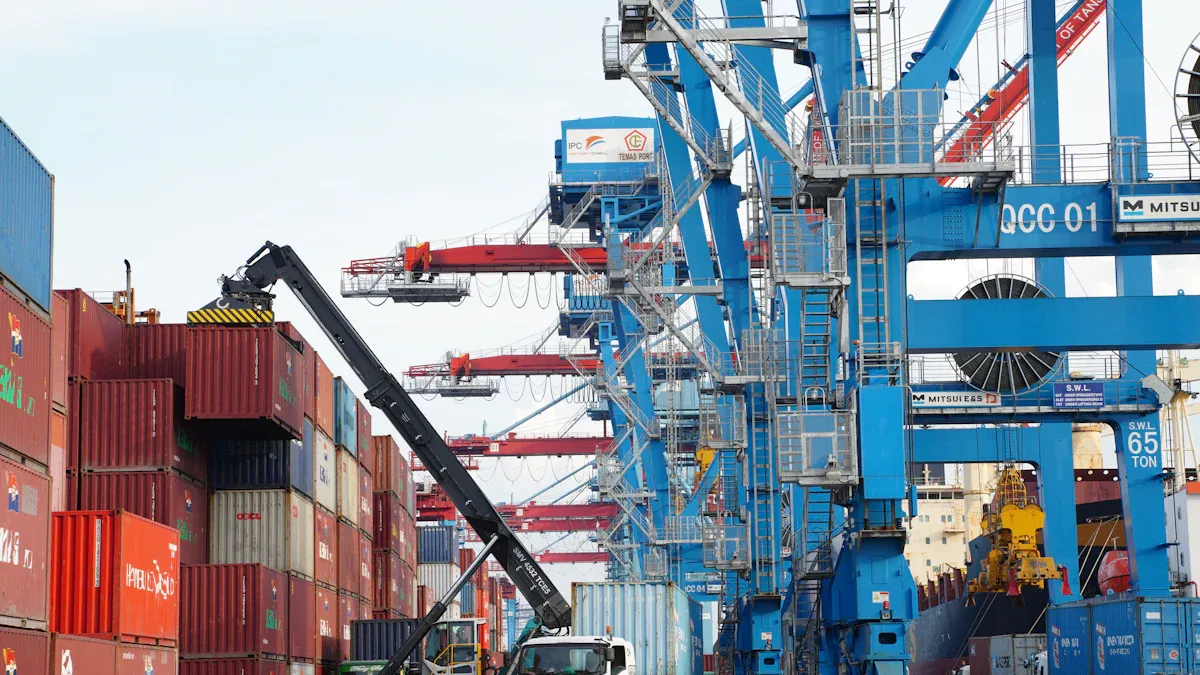
Workflow and TOS integration
You can make port throughput better by linking portal cranes with terminal operating systems. This connection lets you see crane moves and other port work as it happens. You have fewer slowdowns and things run smoother. When you use workflow analytics, you get good data and do not need to write things down by hand. High OCR hit rates mean there are less errors and crane work is more steady. Watching things in real time helps you change crane work fast, so your numbers look better.
|
Benefit |
Explanation |
|---|---|
|
Real-time Coordination |
Lets crane moves and port work happen together, so there are less slowdowns. |
|
Optimized Resource Utilization |
Makes sure you use all your tools and people well, so port work is faster. |
|
Minimized Delays |
Makes loading, unloading, and truck plans go faster, so you move more. |
You can use dashboards to see heatmaps and numbers like how much cranes are used and how long containers stay. Predictive analytics help you guess when things will be busy and plan your tools.
Predictive maintenance and energy efficiency
You can make things work better by using predictive maintenance and saving energy. Watching cranes in real time tells you how they are doing. AI-driven maintenance tells you before something breaks, so you do not lose time. IoT sensors gather data on important things, so you only fix cranes when you need to. This way, cranes last longer and cost less to keep. You also save energy by planning work and using smart controls.
-
Predictive maintenance cuts downtime by up to 50%.
-
Using less energy by 15-25% makes work better.
-
You stop planned downtime and make your numbers better.
Marine durability and lifecycle protection
You need strong marine durability to keep cranes safe from salt, wet air, and bad weather. Stainless steel parts do not rust or break down. Special coatings like galvanization or epoxy keep water out. Sealed hydraulic systems help cranes stay steady in rough seas. Anti-corrosion coatings last over 15 years and pass hard salt tests.
-
Marine cranes are built strong and do not rust easily.
-
Good protection means you fix cranes less and they work better.
-
Following the rules helps you avoid fines and saves money.
You can make portal crane work better by using anti-sway controls, motion coordination, and smart integration. CEGC can change your lifting equipment to fit your project. Look at this table to see where you can get better:
|
Purpose |
|
|---|---|
|
Current Condition |
Checks how the crane is working now. |
|
Remaining Design Life |
Tells how long the crane can be used safely. |
|
Maintenance Needs |
Shows what repairs or upgrades are needed. |
Check your work, plan for upgrades, and let CEGC help you do your best in every operation.
FAQ
How does automated planning improve operational efficiency?
Automated planning helps you schedule crane moves faster. This makes work more efficient. You save time and make fewer mistakes. You get better results with less manual effort.
What is real-time data integration in portal crane operations?
Real-time data integration means cranes and terminal systems share info right away. This lets you make fast choices and change plans quickly if needed.
Why should you choose advanced safety measures and automation and scalability?
Advanced safety measures help keep your team safe. Automated positioning and planning make work easier. These tools help your port grow and get ready for new technology.


