
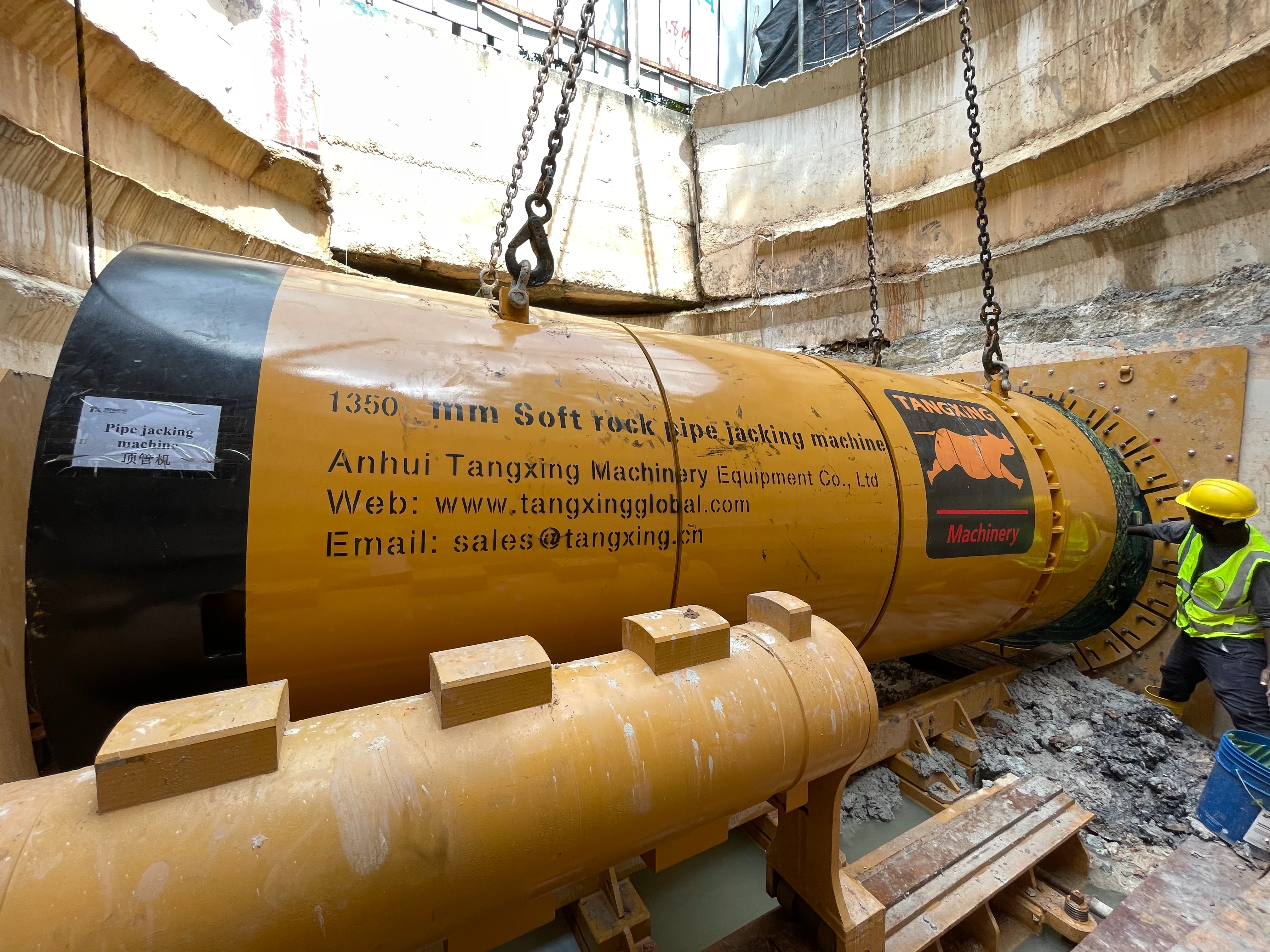
Signal latency can cause overshoot on a TBM machine. When utilizing a tunnel machine in changing ground conditions, slow signals can hinder the control of the cutterhead. CEGC understands that even minor timing errors can lead to overshoot, particularly in tight urban projects or soft ground scenarios.
Key Takeaways
-
Signal latency can make the cutterhead go off track. This can cause expensive fixes and slow down the project.
-
Advanced guidance systems and real-time steering help control the TBM machine better. They can lower overshoot and keep the machine on the right path.
-
Doing regular maintenance and using good cutting plans can protect the cutterhead. This helps the machine work more smoothly and last longer.
Signal latency can cause overshoot on a TBM machine
Overshoot in tunnel boring machines
Overshoot happens when the cutterhead goes past the target spot. This can make the tunnel move off its planned line or slope. If overshoot happens, you might have to do more work. This can cost more money and make things less safe. When you use a tunnel boring machine or a Microtunnelling Machine from CEGC, you want the cutterhead to stay on the right path. If it goes too far, you may need to fix the tunnel or change how it lines up. Overshoot can also make it harder to put in pipes or tunnel pieces. You want to stop overshoot so your project stays on track and meets quality rules.
Control accuracy and signal delay
Signal latency can cause overshoot on a TBM machine. When you run a tunnel machine, you need the control system to send commands fast. If there is a delay, the cutterhead might not move at the right time. This delay can make the machine dig too far or miss the target. Signal latency can cause overshoot on a TBM machine, especially in soft ground or busy city areas. You might have problems like the ground sinking, the tunnel face moving, or water getting in. These issues can stop your project or lead to claims.
Tip: You can lower risks by using better face support and guidance systems.
CEGC gives you closed-mode face support design. This helps keep the tunnel face steady and control pressure. You can use soil conditioning and muck transport to handle dirt and keep the face safe. Sealing and pressure features help stop water from getting in and keep the face strong. Signal latency can cause overshoot on a TBM machine, but you can limit this with guidance system integration. CEGC’s machines let you steer in real time and check as you build. You can keep the cutterhead on line and cut down on overshoot. When you use these tools, you get better control and keep your project safe.
Impact & solutions for TBM machine operations
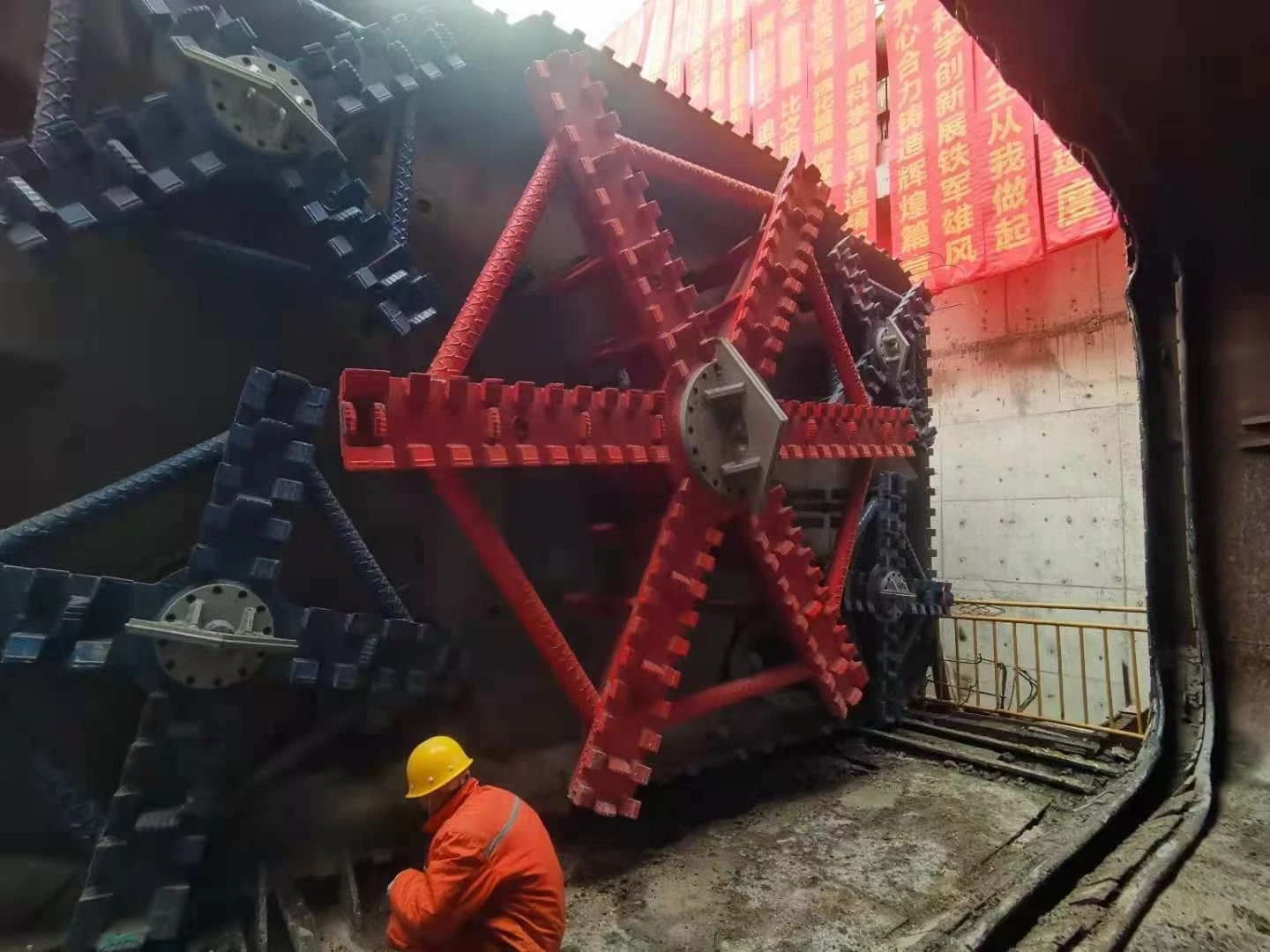
Operational risks and inefficiencies
There are many risks when signal latency causes overshoot on your TBM tunnel boring machine. If the control system is slow, the cutterhead can move off the planned path. This means the tunnel might not match the design. You may have to fix or redo parts of the tunnel. This costs more money and makes the project take longer. Overshoot also puts extra stress on the cutterhead. This can make it wear out faster and need more repairs. If the feedback control system does not give updates right away, you might not see cutterhead problems early. You also have to deal with harder logistics. If the tunnel machine does not stay on the right line, it is harder to put in segments and remove muck. You need to keep your hydraulic servo systems working well to stop these problems.
Technical solutions to minimize latency and overshoot
You can use different control strategies to lower signal latency and overshoot. CEGC gives you standard specs and custom options for your project. You can pick high-efficiency cutting and wear management systems for your TBM machine. These systems use advanced hydraulic servo systems and a feedback control system to keep the cutterhead on track.
Here are some proven strategies:
|
Strategy |
Description |
|---|---|
|
Guidance system integration |
Real-time steering and as-built reporting for better accuracy |
|
Modular design |
Segmented transport and fast assembly for tight sites |
|
Maintenance-oriented wear strategy |
Planned cutterhead checks and replacements to avoid unplanned stoppages |
|
Automated segment placement |
Robotics for precise and quick lining installation |
|
Uses sensor data to adjust the cutterhead and reduce human error |
You can also use control strategies like time synchronization and simulation-first development. These help your feedback control system and hydraulic servo systems work together. When you use these tools, you get better tunnel quality, less downtime, and safer operations.
You can notice that signal latency makes overshoot happen in TBM and Microtunnelling Machines. CEGC offers advanced control systems and guidance tools. These tools help your project stay safe, accurate, and finish on time. You can pick custom options that fit your needs and lower risks.
FAQ
What is signal latency in a TBM machine?
Signal latency is when there is a wait between your command and the machine moving. This wait can make it harder to control the tunnel boring machine.
How does overshoot impact your tunnel project?
Overshoot can make the tunnel move away from the planned line. You might have to do more work to fix it, which means spending more money and time.
How can you reduce signal latency on your TBM tunnel boring machine?
You can use guidance systems that work right away, keep your control system in good shape, and pick CEGC’s advanced TBM machine choices for better results.


