
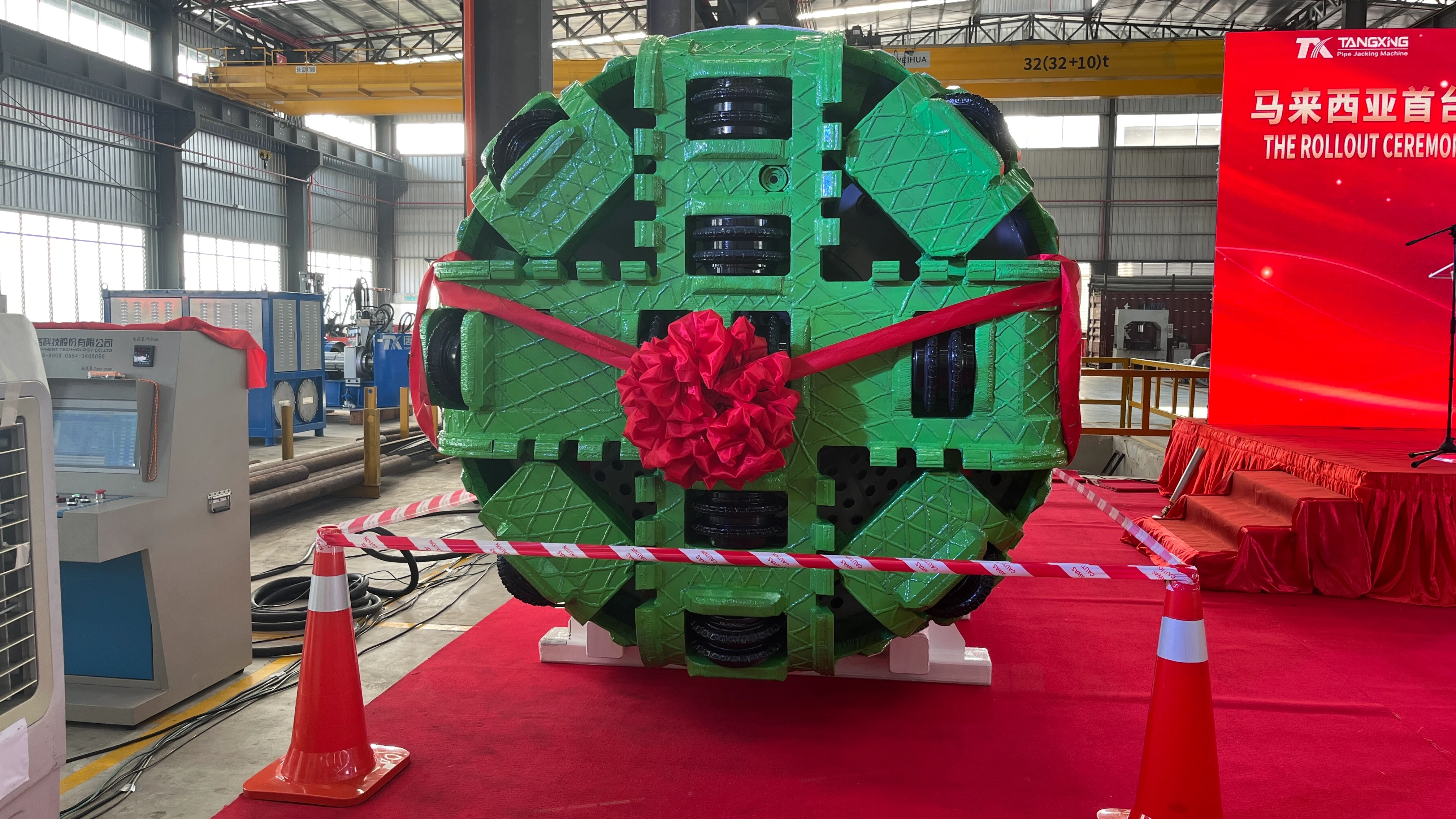
Micro tunneling comms must handle wet and muddy places to ensure the safety and reliability of tunnel machines. Strong communication systems on your TBM or microtunnelling machine are essential for operating in tough environments. CEGC meets market-standard specs and provides custom solutions for challenging ground conditions.
Key Takeaways
-
Good communication systems are very important for safe tunneling in wet and muddy places. You should check your communication lines and sensors often to stop delays.
-
Controlling face pressure is very important to stop the soil from falling and to keep the ground steady. Use closed-mode face support to keep the right pressure.
-
Watching with advanced tools in real time helps you see how your tunnel boring machine is working. This lets you make fast changes to keep your project on time.
micro tunneling comms must handle wet conditions
Water Ingress And Signal Risks
You face many challenges when you work with micro tunneling comms must handle wet. Wet and muddy ground can make your job harder. Water can seep into the tunnel and cause problems for your communication systems. You may see water entering through cracks or loose soil. This water can damage cables and sensors. Mud can block signals and make it hard for you to get clear data from your tunnel boring machine.
You also deal with tough ground, like gravel, cobbles, and boulders. These materials let water move quickly, which makes sealing the tunnel more difficult. High river currents can push water into your drive, and porous ground can make you use more drilling fluid. When you lose drilling fluid, you need more bentonite, which slows your progress. Laser signals can become weak or scattered because of changes in air density. This makes it harder for you to keep your tunnel machine on track during long drives.
Tip: Always check your communication lines and sensors before you start. This helps you spot problems early and avoid delays.
Face Pressure And Ground Stability
You must control water pressure to keep your tunnel safe. If you do not manage face pressure, the soil can collapse into the tunnel. This can cause the ground above to shift or sink. When you use a CEGC microtunnelling machine, you get closed-mode face support. This feature helps you keep the right pressure at the tunnel face. It supports the ground and stops water from rushing in.
|
Aspect |
Description |
|---|---|
|
Face Pressure |
The soil pressure at the face of the microtunnel. If not managed, soil can collapse. |
|
Ground Stability |
Good face pressure control keeps the ground stable and safe. |
|
Forces |
Face pressure balances the forces on the tunnel face and the soil around it. |
When you get close to buildings or roads, the ground can become unstable. The soil above the tunnel may lose strength, and stress can move to other areas. This can create a V-shaped channel where the ground slides. You need to keep a close watch on face pressure to avoid these problems. Your communication system helps you track these changes in real time. You can adjust your tunnel machine settings quickly to keep the ground safe.
Real-Time Monitoring With CEGC Machines
You need strong communication to monitor your tunnel boring machine in wet and muddy conditions. CEGC gives you advanced tools for real-time monitoring. You use IoT sensors to check hundreds of parameters at once. These sensors tell you about pressure, temperature, and machine status. You see a digital twin of your TBM machine on your screen. This digital copy helps you understand what is happening underground.
|
Technology |
Description |
|---|---|
|
IoT Sensors |
Watch many TBM parameters in real time. |
|
Digital Twin Models |
Show a live digital copy of your tunnel machine for fast control. |
|
Advanced Data Analysis |
Use deep learning to predict and improve TBM performance. |
You can spot problems early and fix them before they get worse. Your communication system lets you send and receive data without delay. This helps you control water pressure, adjust your machine, and keep your project on schedule. You also match your drill head and machine setup to the ground you face. This makes your work safer and more reliable.
You see that micro tunneling comms must handle wet is not just a rule. It is a key part of your success. You protect your team, your tunnel, and your project when you use the right communication tools and CEGC machines.
safety in tunnelling and technical solutions
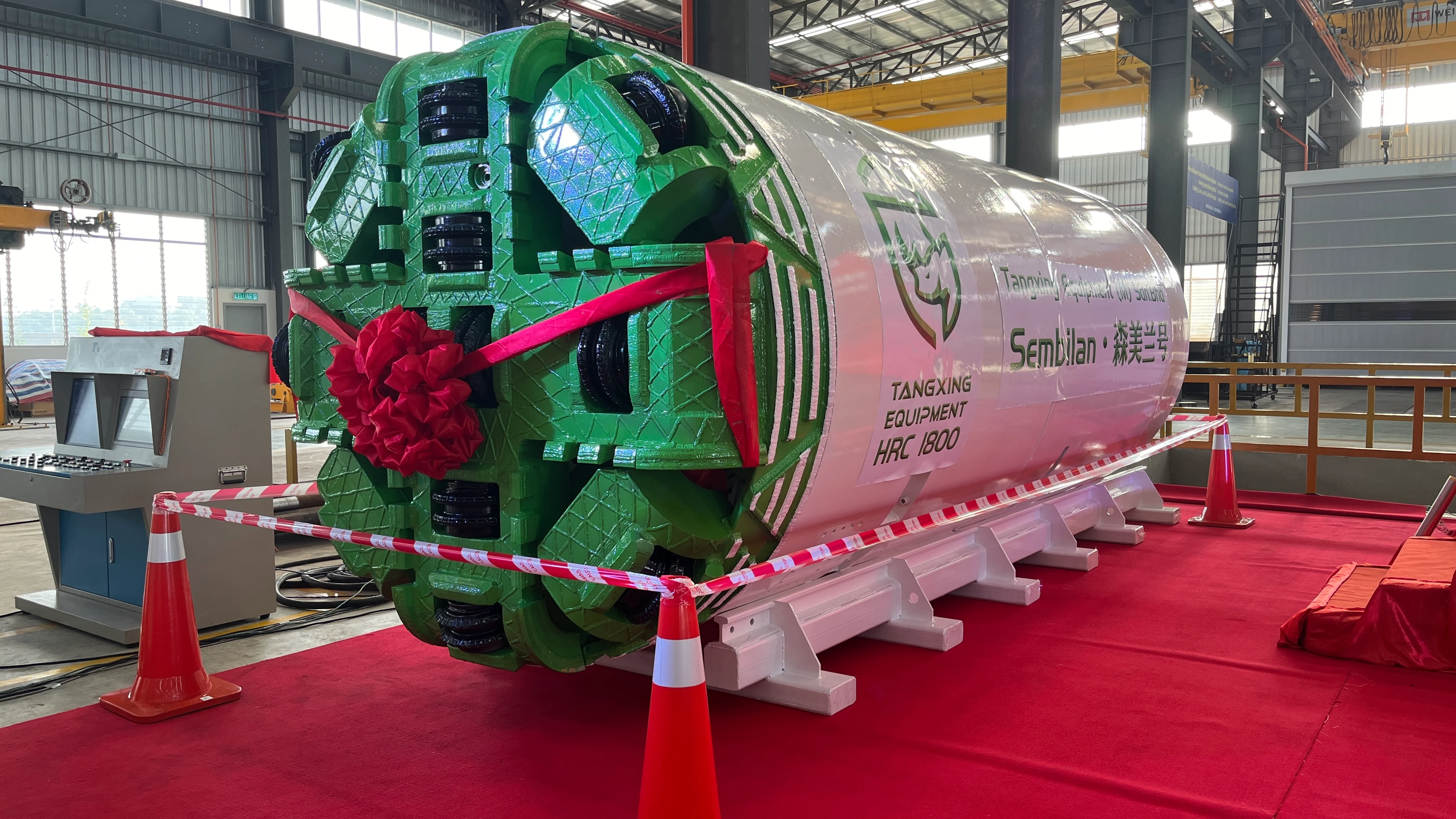
Sealing And Redundancy For Comms
Working in wet and muddy tunnels can be dangerous. Safety in tunnelling needs strong sealing and backup for your communication systems. Waterproof tests help you check if your tunnel machine can stop water. Silicone gasketing and multi-layered O-ring systems give you strong seals. These seals keep water and mud away from your cables and sensors. Immersion testing shows how your system works over time. Using backup communication lines makes your tunnel safer. If one line stops working, another line keeps your monitoring going. This means fewer problems and your team stays safe.
Note: You need good water management to lower risk and protect your tunnel machine from danger. Always have a plan for emergencies if water gets in.
Guidance Systems And Alignment Control
Safety in tunnelling depends on guidance systems and alignment control. Real-time monitoring systems help you track your tunnel boring machine. These systems help you stay away from danger and keep your tunnel straight. You watch line and grade to lower risk and stop mistakes. CEGC gives you standard and custom guidance packages. You pick the guidance system that fits your project. This helps you move things better and keep your tunnel safe. Monitoring lets you find problems early and change your machine settings.
Modular Design For Maintenance
Modular design helps keep tunnelling safe and makes fixing things easier. You can put in your communication system fast and safely. You do your own maintenance and change your network as your tunnel grows. The table below shows how modular design helps you handle danger and risk:
|
Benefit |
Description |
|---|---|
|
Ease of Installation |
You put in the system quickly and lower danger. |
|
In-house Maintenance |
You fix things yourself and lower risk. |
|
Adaptability |
You change the network for your project and handle danger. |
|
Safety Features |
You get backup and clear safety tools for tunnelling. |
|
Cost Reduction |
You save money and lower risk by not needing costly service contracts. |
|
Continuous Extension |
You add to the system as your tunnel gets longer and keep monitoring. |
You use CEGC’s support to keep your tunnel boring machine working. You count on monitoring to handle danger and risk. You see real stories where CEGC machines helped city utilities finish jobs safely. You use modular design to lower risk and make tunnelling safer.
You need good communication systems to keep tunneling safe and easy in wet, muddy places. CEGC gives you both standard and special solutions for your TBM tunnel boring machine. The table below explains why advanced comms and safety systems help your project.
|
Key Point |
Description |
|---|---|
|
Durability |
Systems last in tough places and keep working underground. |
|
Weather Resistance |
Water-resistant designs keep your comms safe in hard conditions. |
|
Ease of Installation |
Fast setup saves time and helps your project go faster. |
|
Low Maintenance |
Reliable systems cost less and stop long breaks. |
FAQ
What makes communication important in tunnelling?
Good communication is needed in tunnelling. It helps you watch your tunnel machine. You can find problems early. You keep your team safe while tunnelling.
How do you improve safety in tunnelling?
You use real-time monitoring in tunnelling. You check your tunnel boring machine often. You control water pressure. You follow emergency plans. You lower risks during tunnelling.
Why do you need effective water management in tunnelling?
You deal with groundwater in tunnelling. You use dewatering and manage groundwater. You keep your tunnel dry. You stop interruptions. You make tunnelling work better.


