
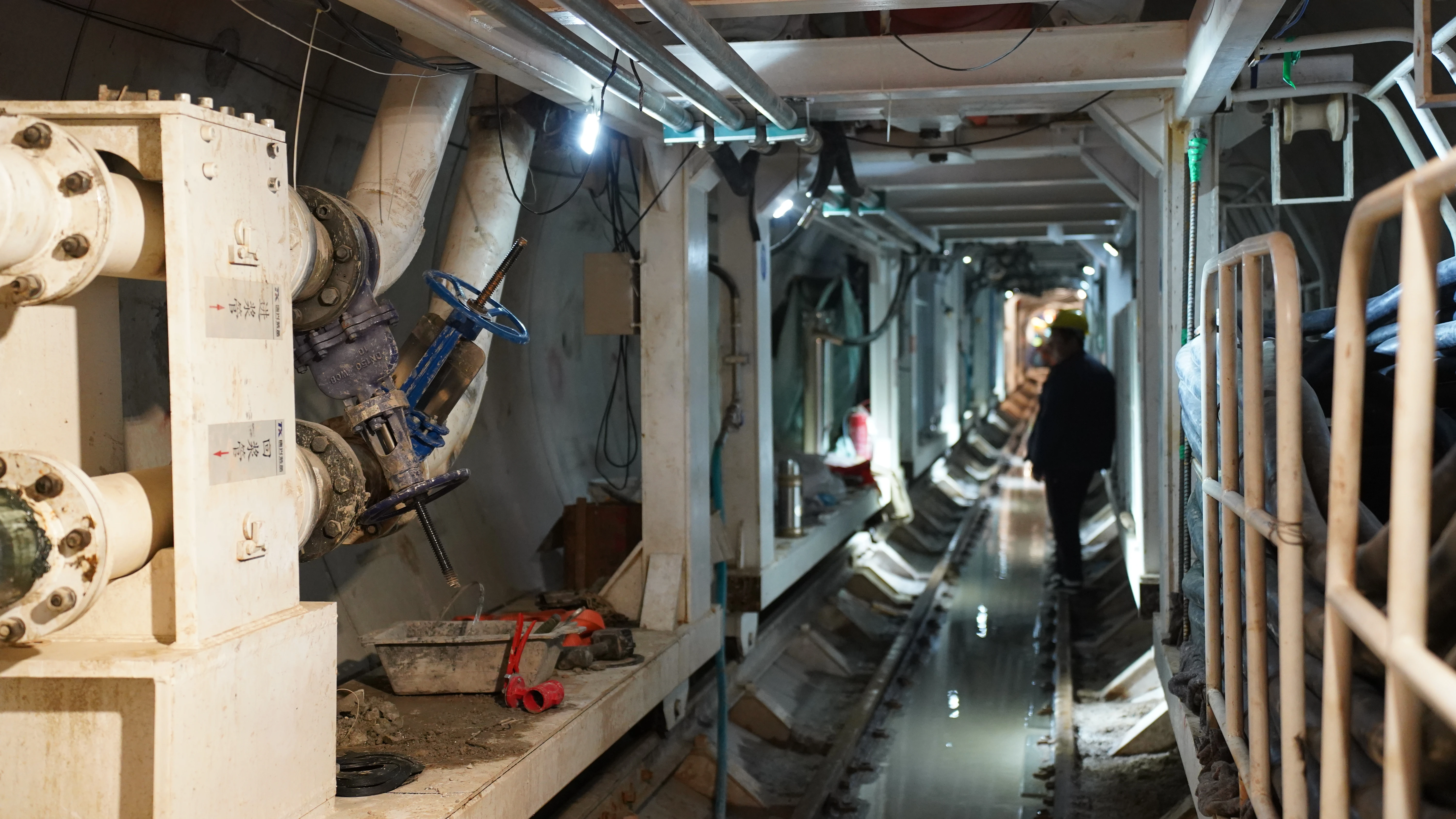
Small radius can cut shaft costs for micro tunneling. It allows for the use of shorter and shallower shafts. When you work with CEGC, you receive expert assistance and custom tunnel machine solutions. This results in less surface disruption and reduced traffic impact, making your project safer.
|
Description |
|
|---|---|
|
Customized Equipment Manufacturing |
Special equipment made to fit tunneling needs. |
|
Service Consulting |
Expert advice for planning and selecting equipment, enhancing project efficiency. |
|
Jobsite Assembly |
On-site assistance with equipment assembly and testing. |
|
Trenchless Engineering Support |
Comprehensive support for HDD, pipe jacking, and microtunneling projects. |
|
Training Programs |
Training on equipment operation, maintenance, and safety practices. |
-
You lower surface impact and maintain pavement integrity.
-
You reduce traffic delays and save costs associated with congestion.
-
You minimize surface disruption, with settling near 25 mm.
-
You utilize trusted methods recognized by the industry.
Key Takeaways
-
Small radius tunneling means you need fewer shafts. This helps lower costs and causes less mess on the ground.
-
Curved drives let you use shallower shafts. This saves time and money. It also means less trouble for traffic.
-
When you have fewer shafts, it is easier to take care of them. This lowers costs over time. Your project works better and is better for the environment.
Small radius tunneling in microtunnelling
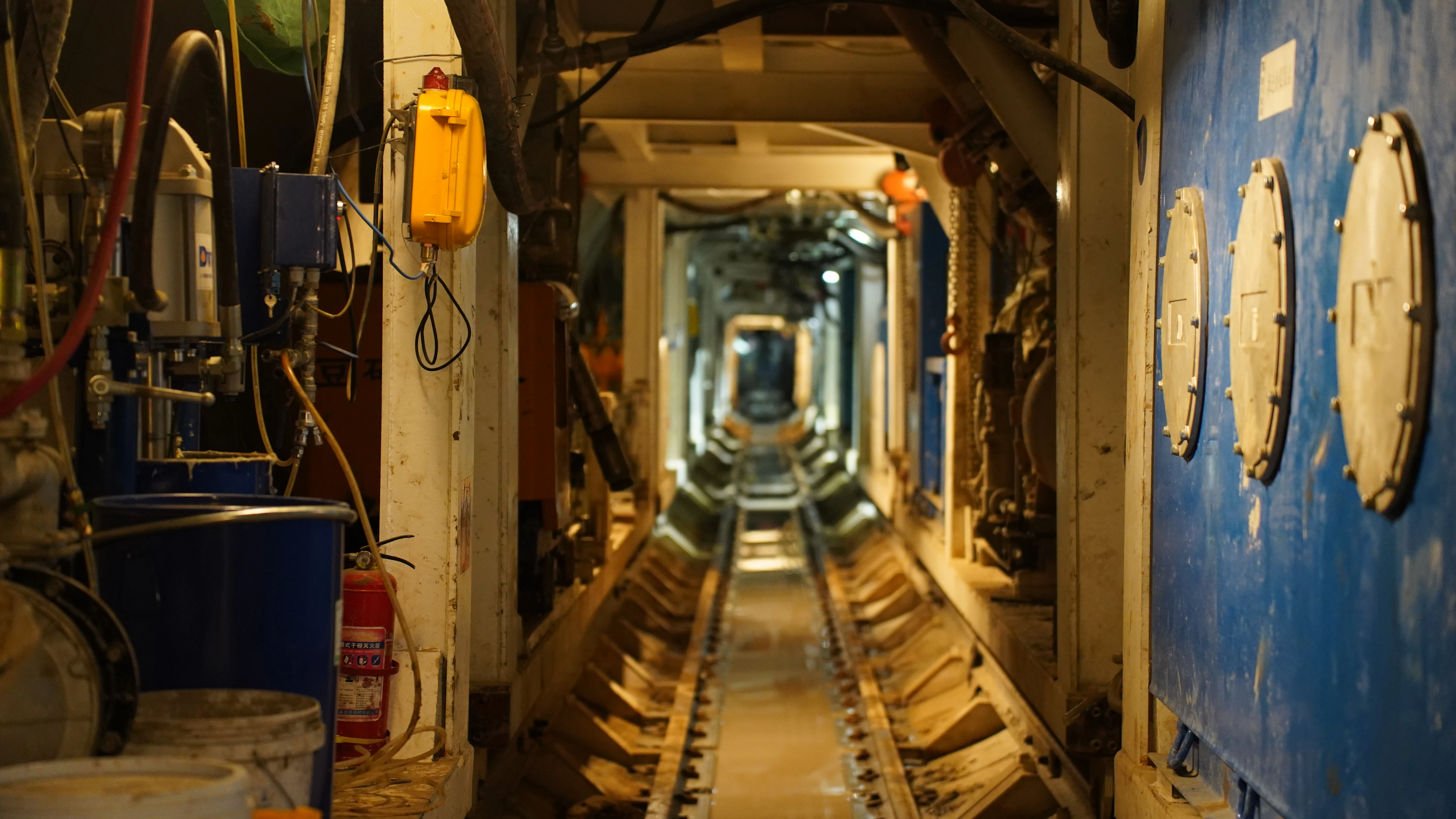
What is small radius tunneling?
Small radius tunneling is used to make tunnels that turn sharply underground. This helps you plan paths that go around things and fit in busy city areas. You can use this for sewerage, drainage, gas, water mains, and electrical conduits. Small radius tunneling matters in microtunneling because it means you need fewer shafts. Fewer shafts mean less digging, less mess on the surface, and lower costs.
New microtunneling technology lets you use vertical curves and curved drives. These changes make your projects cheaper and more flexible.
Here is how curved drives help with building shafts and saving money:
|
Benefit |
Description |
|---|---|
|
Curved Drives |
Curved drives remove the need for extra shafts, so you spend less and cause less mess on the surface. |
|
Project Example |
The Keswick Effluent Outfall project used both vertical and horizontal curves, got rid of two shafts, and saved over $800,000. |
Curved alignments and shaft depth
Curved tunnel shapes and vertical curves help keep shafts shallow. Vertical curves let you design tunnels that go around things but stay close to the surface. This means you do not have to dig very deep shafts, which saves time and money.
-
Vertical curves let you use shallow launch and reception shafts, especially for pipelines that do not use gravity.
-
In one project, engineers used a vertical curve to make a shaft only 30 feet deep instead of 60 feet.
-
Curved microtunneling projects often avoid busy roads and buildings, so there is less traffic trouble and the work is safer.
You use advanced tunnel machines, TBM tunnel boring machines, and Microtunnelling Machines to do this work. These machines help you make tight curves and shallow shafts with good control. Using small radius tunneling makes your microtunneling project faster and saves money.
Cost impacts and project benefits
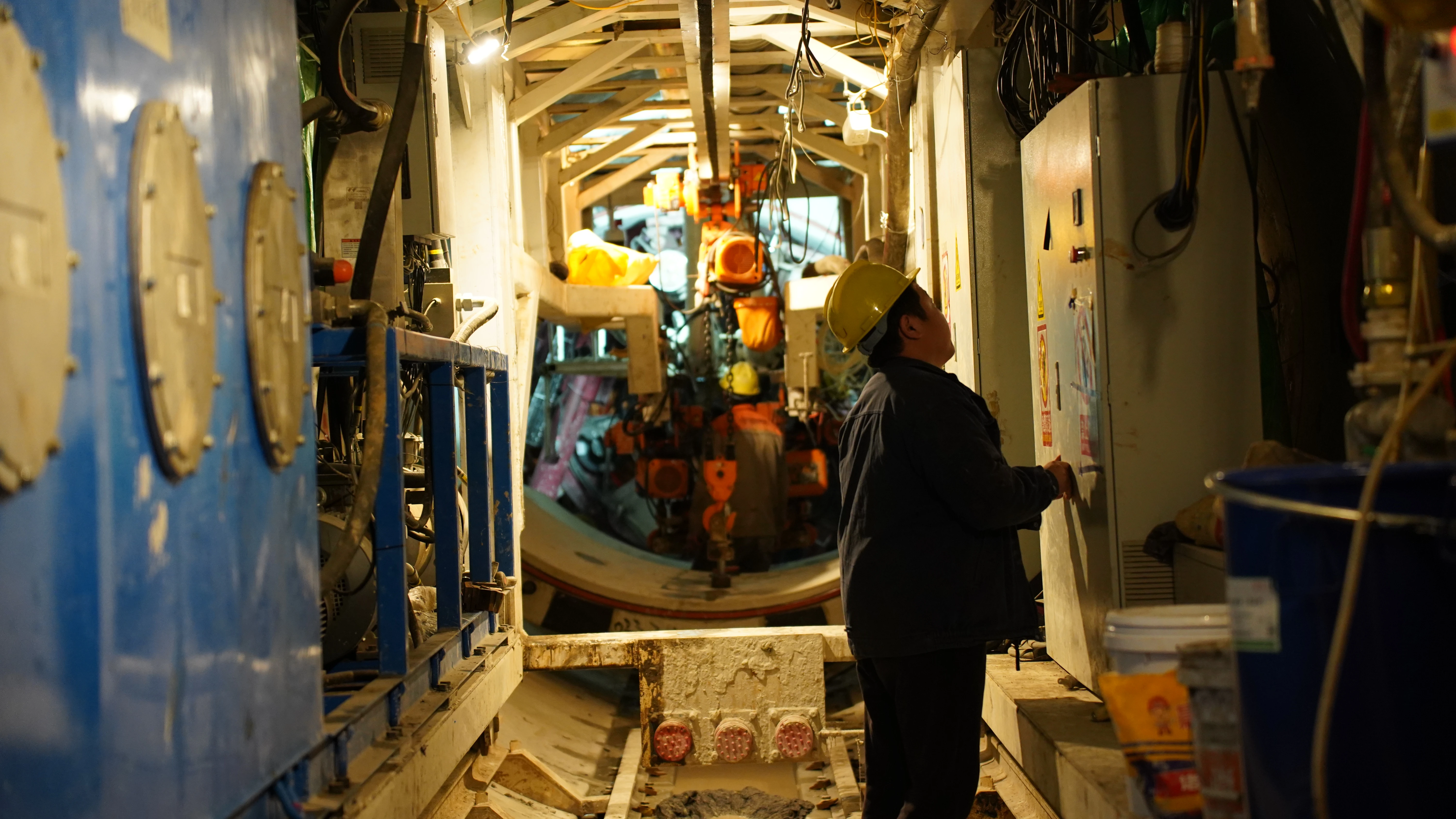
Shaft reduction and excavation savings
Small radius can cut shaft costs for micro tunneling in many ways. You do not need as many shafts. The shafts you use can be smaller and not as deep. This means you dig up less dirt and pour less concrete. You also save money because workers do not have to dig as much. They do not need to build as many things.
Small radius can cut shaft costs for micro tunneling by making work faster. You do not need to buy as many materials. You do not need to hire as many workers. The job gets done sooner. For example, if your tunnel has tight curves, you might not need one or two shafts. This can save a lot of money. You also do not have to fix roads or sidewalks as much.
Flexible alignments and surface disruption
Small radius can cut shaft costs for micro tunneling by letting you pick different tunnel paths. You can curve the tunnel around buildings or under busy roads. You can go past other pipes or wires. This means you do not have to put shafts in hard places. You can keep them away from traffic and crowds.
You also make less mess on the surface. Here are some ways small radius tunneling helps with this:
-
Caisson shafts let you build from the top down. This makes less shaking and noise for people nearby.
-
Special systems watch the ground to make sure nothing gets damaged.
-
You can use microtunneling in busy cities and keep dust and noise low.
Small radius can cut shaft costs for micro tunneling by making your project quieter and less messy. Cars and buses can keep moving. Stores can stay open. People living nearby are not bothered as much.
Small radius tunneling is also good for the environment. It uses less energy and makes less mess than old ways. You help the planet and make less CO2 when you use small radius tunneling.
Life cycle and maintenance advantages
Small radius can cut shaft costs for micro tunneling and help later too. If you use fewer shafts, there are fewer places that might break. Each shaft is a spot where water could leak in or repairs might be needed. With fewer shafts, you spend less money fixing things over time.
It is also easier to check the tunnel. With fewer shafts, you have fewer places to look at. This saves time and money every year. Small radius tunneling makes your tunnel last longer and cost less to take care of.
Let’s look at a simple comparison:
|
Scenario |
Number of Shafts |
Excavation Volume |
Surface Restoration |
Long-Term Maintenance |
|---|---|---|---|---|
|
Traditional microtunneling |
5 |
High |
Major |
More frequent |
|
Small radius tunneling |
3 |
Low |
Minimal |
Less frequent |
Small radius can cut shaft costs for micro tunneling in many ways. You save money at the start. You save money later. Your project is safer and better for everyone.
Technical considerations and limitations
Equipment requirements (auger boring machine, TBM machine)
When you plan small radius microtunnel drives, you need to choose the right equipment. Tunnel boring machines and auger boring machines must meet strict requirements for safety and performance. You must start boring from an approved pit or shaft. The equipment should use a pilot hole, usually about 2 inches wide, to keep the tunnel on track. Augers must be large enough to move all the dirt out of the shaft. Water helps with lubrication, but you cannot use jetting. In loose soils, you may use bentonite gel to keep the tunnel stable and the shaft safe. You must submit your tunneling plan, equipment details, and how you will support the shaft for approval. The liner and joints must be strong enough to handle the ground above the shaft.
Advanced microtunnelling machines help you handle tight curves. These machines use special jacking pipes and strong pressure systems. They keep the shaft stable and make sure your microtunnel drives stay on course, even in tough spots.
Ground conditions and challenges
You must understand the ground before you start your microtunnel drives. A geotechnical survey tells you what kind of soil or rock you will face. This helps you pick the right machine and tools for the shaft. If you know the ground, you can avoid problems and keep the shaft safe.
You may need to change the cutterhead or use special tools for hard rock or soft soil. Anti-clogging systems and good muck transport help your shaft stay clear. Always check the ground and adjust your plan to keep your shaft and microtunnel drives running smoothly.
Curved drives in microtunnelling help you skip some shafts. This saves money and makes less mess on the ground.
You need to check your machines and the ground first. The table below explains why small radius tunneling is helpful:
|
Aspect |
Conventional Method |
Small-Diameter Tunneling |
|---|---|---|
|
CO2 Footprint |
Higher |
Six times smaller |
|
Safety |
Moderate |
High |
FAQ
When is open-cut cheaper than microtunneling?
Open-cut can cost less for short and easy jobs. Microtunneling is better for long tunnels or when you want less mess on top.
What are the main benefits of trenchless techniques?
You do not have to dig up streets or sidewalks. Trenchless methods let cars keep moving and help the environment. You finish work faster and make less mess.
Can I use small radius tunneling for utility pipeline installation?
Yes, you can use small radius tunneling for putting in utility pipelines. This way helps you go around things and use fewer shafts.


