
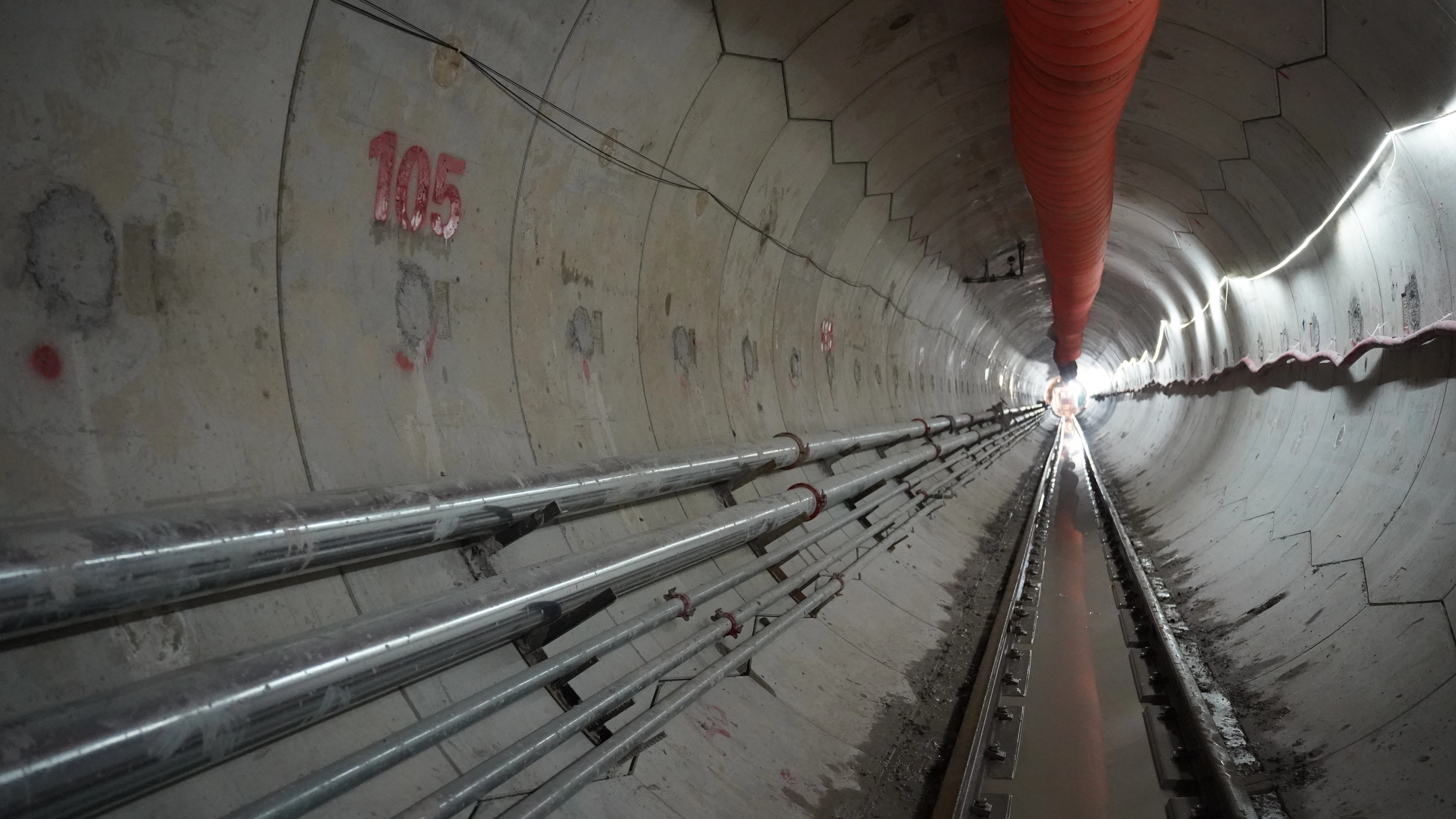
You must control the TBM very carefully. A TBM machine curve needs tighter steering parameters to stop misalignment, ring bending, and cracks. The table below lists common problems from loose steering:
|
Description |
|
|---|---|
|
Ring Deformation |
Concrete rings bend in curves with bad TBM steering. |
|
Structural Damage |
Eccentric tail seal passage harms tunnel lining. |
|
Longitudinal Cracks |
Cracks happen from breaking and pulling forces. |
CEGC helps you make tunnels safer and work better by adjusting parameters correctly.
Key Takeaways
-
Tight steering parameters are very important for TBM machines. They help stop misalignment, cracks, and damage in tunnels. Using real-time data and new technology helps operators change things fast. This makes sure the TBM stays on its planned path. Using best practices, like special cutterhead designs and machine learning, makes tunneling safer and faster.
Why a TBM machine curve needs tighter steering parameters
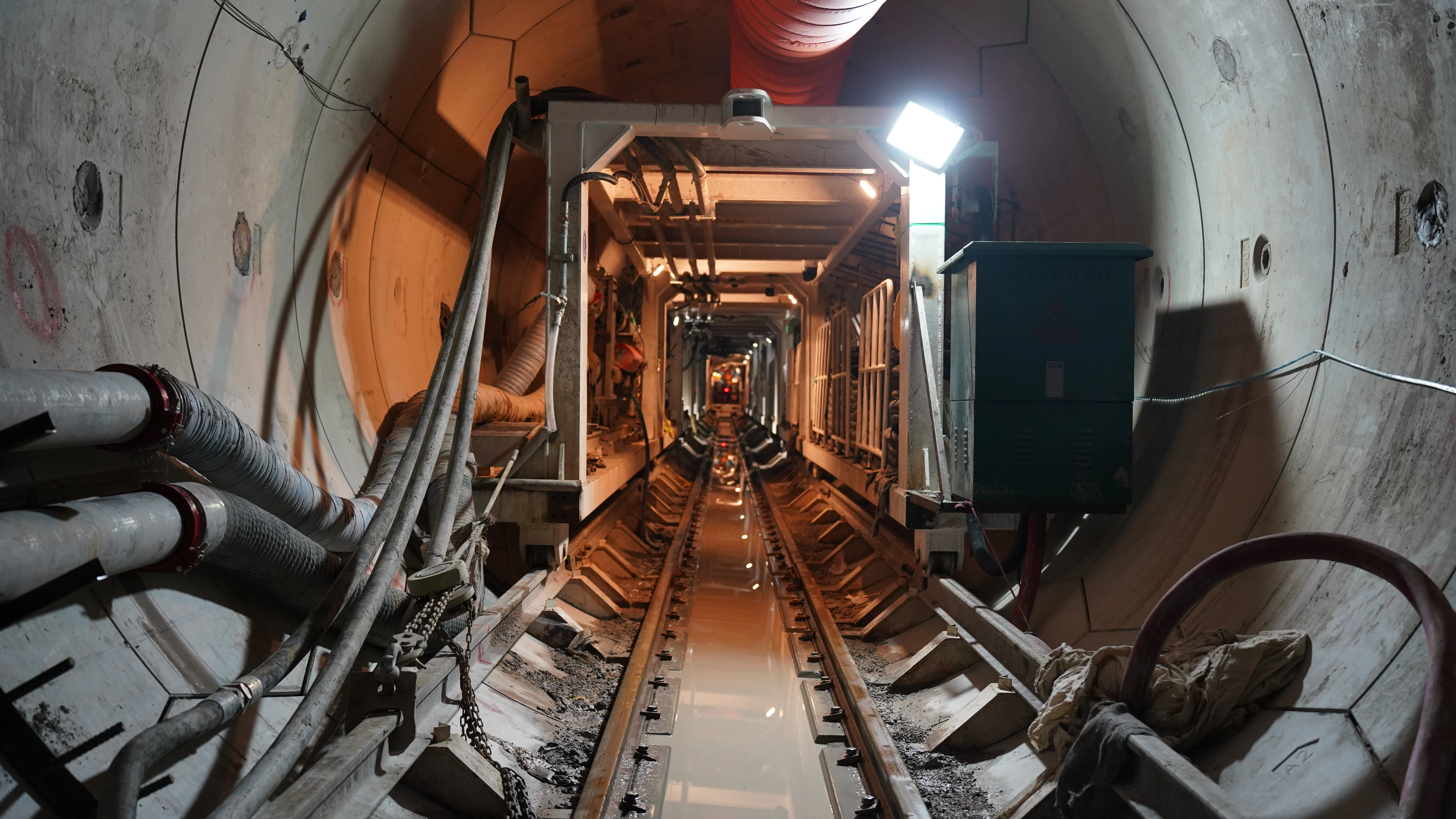
Steering parameters in tunnel boring machines
It is important to know how steering parameters work in tunnel boring machines. These parameters help control how the TBM moves and turns while digging. If you set them right, the machine stays on its planned path. If you set them wrong, the TBM can drift and cause tunnel problems.
Some main steering parameters are:
-
The cutter head cuts the ground in different ways. Asymmetric cutting makes strong side forces and steering harder. Symmetric cutting keeps the TBM stable.
-
The s/p ratio is the spacing and pattern of cutters. This ratio is usually between 10 and 20. It depends on how hard or brittle the rock is.
-
The thrust and pressure from each jack. Automatic steering systems can change these forces to keep the TBM on track.
-
Real-time models predict how the ground settles as the TBM moves. These models help you make better steering choices.
Modern TBM tunnel construction uses advanced control systems. These systems use artificial intelligence and real-time data to adjust steering as the machine moves. For example, the TBM guidance system checks the machine’s position every 10 seconds. Laser stations give updates all the time. You can make quick changes if the TBM starts to drift. This control is important because a TBM machine curve needs tighter steering parameters to avoid mistakes.
Impact on curve navigation and tunnel alignment
Guiding a TBM through a curve is harder than digging straight. Curves put extra stress on the tunnel lining and the machine. If you do not use tight steering parameters, the tunnel can shift off its planned path. This can cause cracks, leaks, and structural damage.
Field data shows why a TBM machine curve needs tighter steering parameters. In one study, 72% of cracks during TBM advance happened in curves, mostly at the springline. Another review of 50 Japanese tunnelling sites found almost 40% of segment damage came from longitudinal cracks. Sharp curves can also cause spalling and water leaks because of high pressure on the tunnel lining.
|
Evidence Type |
Description |
|---|---|
|
Longitudinal Cracking |
72% of cracks during TBM advance occurred in curves, mostly at springline. |
|
Segment Deformation |
40% of damage events were longitudinal cracks in curved alignments. |
|
Structural Damage |
Sharp curves caused segment cracking, spalling, and water leakage. |
Precise steering is not just about following a line. It protects the tunnel and keeps your project safe. Accurate steering lowers the risk of costly repairs and delays. Real-time monitoring and AI-driven systems help you make adjustments quickly. These tools let you react to changes in ground conditions and keep the TBM moving safely.
Accurate steering also helps control costs. If you predict ground conditions well, you can set the right parameters and avoid surprises. This saves time and money during tunnelling. Many projects use special software and robotic simulations to test TBM performance before digging starts. These steps help you plan for safe and efficient TBM tunnel construction.
Risks and best practices for TBM curve navigation
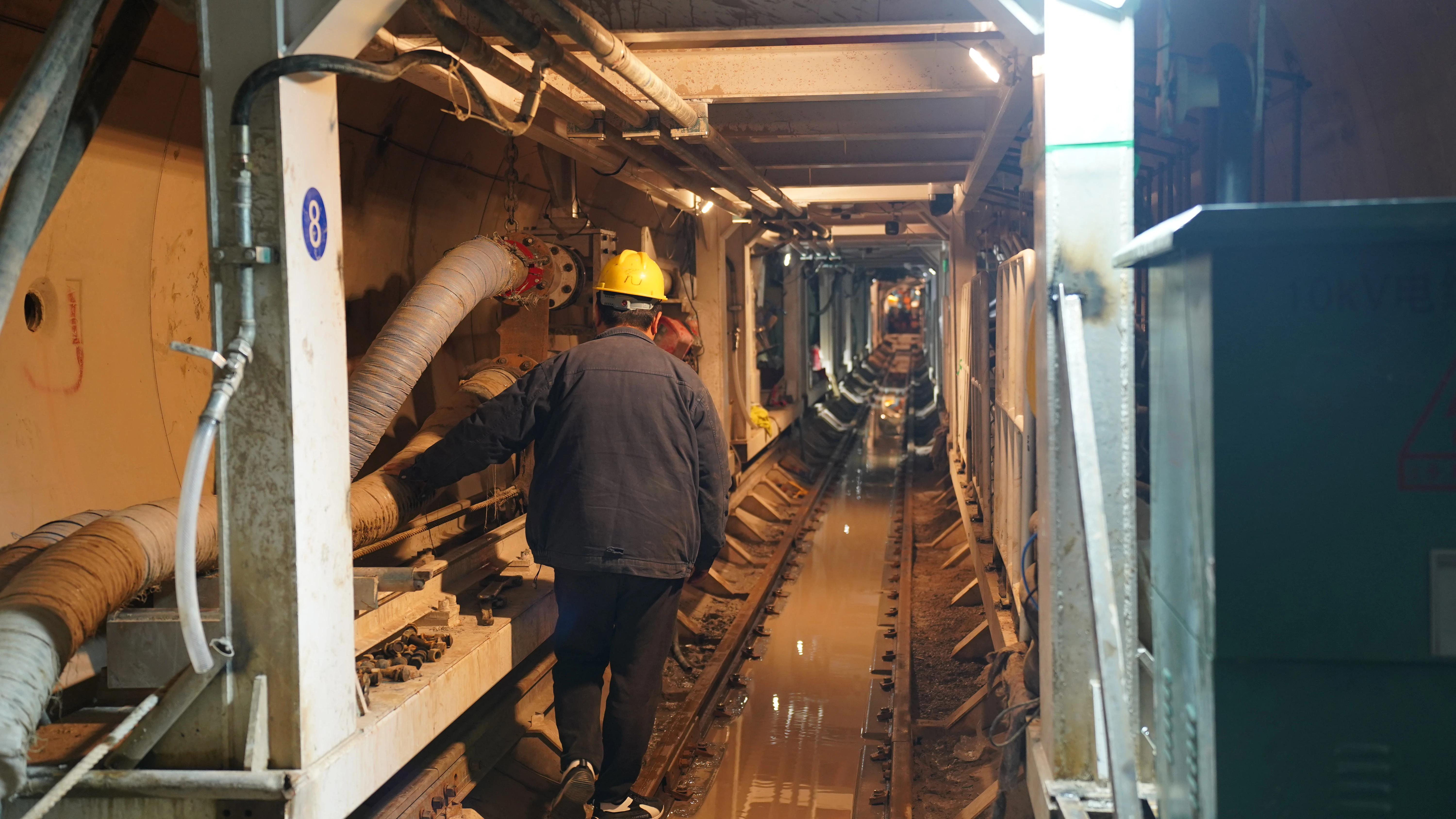
Consequences of loose steering parameters
Loose steering parameters can cause big problems in tunnelling. If you do not set them tightly, the tunnel boring machines can move off the planned path. This means the tunnel might not follow the design. When this happens, the tunnel lining can bend or crack. You might see water leaks, segment spalling, or ground settling above the tunnel.
If you do not control the machine well, you can damage the tunnel structure. Cracks and bends often show up in curves, especially when a tbm machine curve needs tighter steering parameters. These problems can slow down your work and make repairs cost more. Sometimes, you have to stop tunnelling to fix the damage. This causes delays and higher costs.
Loose parameters also make it hard to handle changes in the ground. You may not notice small shifts until they turn into big problems. This can put workers and machines in danger. You want to stay safe by using precise steering controls during tbm tunnel construction.
Best practices for tunnel machine operators
There are good ways to keep your tunnel boring machines on track and avoid mistakes. Experts say you should use real-time data and new technology to help you make choices. The table below lists some of the best ways to set and change steering parameters:
|
Best Practice |
Description |
|---|---|
|
Real-time Data |
Utilizes real-time geological information to inform TBM operational parameters and tunneling loads. |
|
Machine Learning Integration |
Employs a machine-learning based rock–machine mapping model for optimizing tunneling parameters. |
|
Tailored Cutterhead Designs |
Adapts cutterhead designs based on specific geological conditions to enhance efficiency and safety. |
|
Just-in-Time Optimization |
Implements a JIT operational control strategy to ensure timely adjustments for efficiency and hazard prevention. |
You should always use real-time monitoring systems. These systems show you the TBM’s position and tunnel alignment. Precision guidance gives you control down to millimeters. Navigation uses lasers and computers to make fast changes. Feedback loops check the path and fix mistakes right away. High-resolution screens show you important data, like soil and machine performance.
Modern tunnelling uses smart algorithms to stop mistakes before they happen. These algorithms use real-time data to help you steer better. Automatic systems change the machine’s actions to deal with soil, water, or worn parts. Backup systems, like extra lasers and emergency controls, keep things safe if something breaks.
Training for operators is important too. You can use smart support systems that look at data and give advice. Deep learning models learn from old projects and help you pick the best settings for your TBM. Step-by-step tips help you get better and safer results.
Tip: Always match your steering plan to the ground. Soft ground and hard rock need different ways to steer. In soft ground, watch for sudden changes and adjust fast. In hard rock, you can use steady settings, but still check for surprises.
New tunnel boring machines use artificial intelligence for guidance and maintenance. Real-time data helps you make better choices for the job. Automated systems do simple tasks, so you can focus on important things. Companies like Herrenknecht AG and Caterpillar Inc. have made AI-driven TBM systems that steer better and adjust to new ground.
You can also use meta models and neural networks to guess how the ground will settle and set machine parameters. Using tests, computer models, and data together gives you the best chance for success in tbm tunnel construction.
Remember, a tbm machine curve needs tighter steering parameters to keep your project safe and working well. By following best practices and using new technology, you can avoid risks and get better results in your tunnelling work.
You make tunnels safer and more accurate by using tight steering parameters for your TBM tunnel boring machine. If you follow the best ways and get help from CEGC, your results get better. Companies get many good things from this:
|
Benefit |
Description |
|---|---|
|
You spend less on equipment and moving things is easier. |
|
|
Improved Efficiency |
The job finishes faster and there are fewer slowdowns. |
|
Enhanced Safety |
There are fewer accidents and work is safer for everyone. |
|
Reduced Impact |
There is less waste and the environment is hurt less. |
|
Quality Control |
The tunnel looks better and you waste less material. |
|
Risk Mitigation |
There are fewer surprises and less trouble in cities. |
FAQ
When is open-cut cheaper than using a tunnel machine?
You save money with open-cut for short, simple tunnels in easy ground. Longer or deeper projects usually cost less with tunnel machines.
What triggers the need for trenchless methods like TBM?
You must use trenchless methods when regulations protect roads, rivers, or habitats. TBM works well for these sensitive areas.
Can CEGC help compare costs for tunnel machine projects?
You get support from CEGC. Their experts provide cost models and advice for tunnel machine and open-cut options.


