
The small radius is the core advantage of micro tunneling, which can be observed in several ways:
-
It causes less construction disruption, leading to greater community satisfaction.
-
It saves money by utilizing longer microtunnel drives and innovative designs.
-
It enables projects to be more feasible and robust, as larger agencies are more likely to provide funding.
CEGC is here to assist you in selecting the best tunnel machine for your project.
Key Takeaways
-
Micro tunneling causes less construction mess, so people are happier and there is less traffic. The small radius helps put pipes exactly where needed in crowded cities. This makes projects easier and saves money. Micro tunneling also saves time and money because it does not need as many surface repairs. It is better for the environment too.
Micro tunneling: small radius advantage
What is micro tunneling?
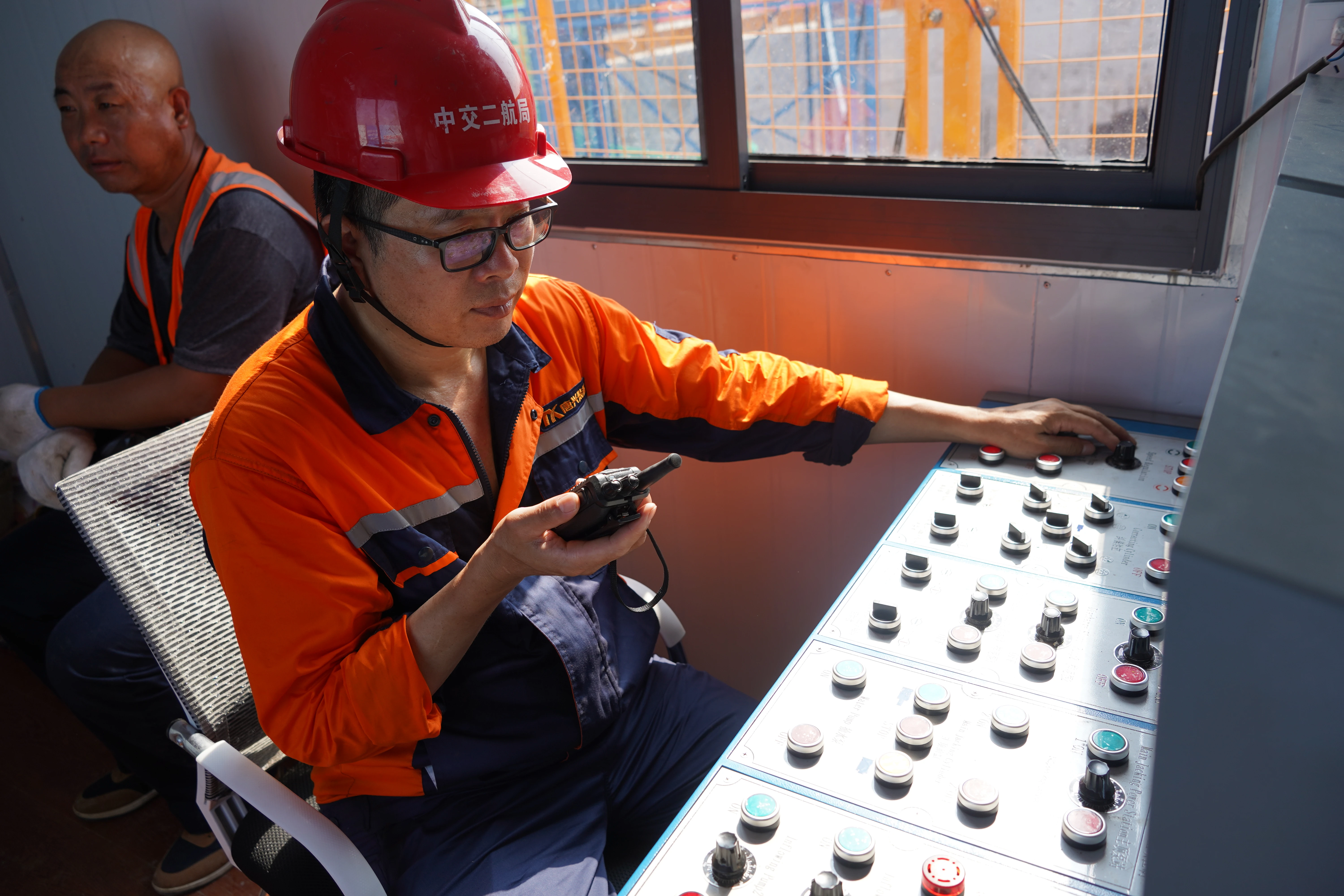
Micro tunneling lets you put pipes underground without digging big holes. The microtunnel boring machine, or MTBM, does the work. It grinds up dirt and pushes pipes with hydraulic jacks. This method places pipes exactly where you want them. It does not mess up the ground above much. Micro tunneling is good for cities and busy places. It keeps roads open and makes less noise.
Micro tunneling is known for being very accurate. It does not disturb the surface much. You can use it when you need careful pipe placement and little impact on people nearby.
Here is a simple comparison between micro tunneling and other tunnel machine methods:
|
Method |
Description |
|---|---|
|
Microtunneling |
A trenchless way to install pipes using a microtunnel boring machine (MTBM) for exact placement. |
|
Uses a spinning head to dig tunnels. It works for many ground types and bigger jobs. |
How small radius is achieved
Small radius is the main advantage of micro tunneling. You can make tight turns and bends that other methods cannot do. Micro tunneling uses GPS navigation to guide the machine. The GPS helps the machine stay on the right path. You avoid mistakes and keep the tunnel where you want it.
Micro tunneling machines have cutting heads that change for different soils. The machine checks the soil as it works and adjusts how it cuts. This helps you deal with tricky ground and keep a small radius.
Small radius helps when you need to go under roads, railways, or rivers. Micro tunneling avoids problems from digging open trenches. You cause less traffic trouble and finish faster.
Microtunnelling Machine features
Microtunnelling machines have features that help make small radius tunnels:
-
Hydraulic jacks push pipes gently through the ground.
-
GPS keeps the tunnel straight.
-
Cutting heads change for different soils.
-
Real-time checks keep things safe and accurate.
Small radius is the main advantage because these features let you work in tight spots and crowded cities. You save time and money by not disturbing the surface. You lower risks and get better results.
Micro tunneling saves money and time. You can trust it for jobs that need accuracy and little impact.
Small radius is the main advantage for utility crossings, tricky paths, and city projects. You get good results and a smoother building process.
Comparing trenchless and open-cut methods
Open-cut vs. tunnel machine costs
You might ask when open-cut is cheaper than using a tunnel machine. For small and easy jobs, open-cut usually costs less. When the project gets bigger or harder, micro tunneling saves more money. You do not have to fix roads or sidewalks after. Micro tunneling also keeps traffic and businesses running. This makes it a smart pick for cities.
-
Micro tunneling often costs less than open-cut because you do not need to fix the surface.
-
It causes less trouble for traffic and businesses, so it works well in cities.
-
Micro tunneling saves more money as the project gets bigger, the pipe gets wider, or the city gets busier.
TBM tunnel boring machine and auger boring machine limitations
Tunnel boring machines and auger boring machines are good for straight tunnels and big jobs. But if your project needs sharp turns or must fit in tight places, you may have problems. These machines cannot always make small radius bends. Micro tunneling is special because it can make small radius turns. You can use it for hard paths and city crossings.
HDD and curve constraints
Horizontal directional drilling (HDD) is another way to dig without trenches. But HDD has some problems, especially with curved paths in cities.
|
Challenge |
Description |
|---|---|
|
Geological Factors |
The type of ground can change your project’s cost and time. |
|
Precise Steering |
It is hard to steer exactly on curved paths in cities. |
|
Management of Drilling Fluids |
You need to control drilling fluids to stop harm to the environment. |
|
Noise Mitigation |
Drilling can be loud and bother people nearby. |
|
Permits |
Getting permits can take a long time, especially in special areas. |
|
Inadvertent Return (IR) |
Drilling fluids can leak to the surface and cause problems. |
You should think about these problems when picking the best way for your project.
Project types needing small radius
Urban and congested sites
Working in cities is hard. Streets are busy all day. There is not much space to build. You cannot block traffic or bother stores. Micro tunneling helps with these problems. It lets you put pipes under roads and buildings. You do not have to dig up the surface.
Here is a table that shows urban projects needing micro tunneling with small radius:
|
Project Description |
Conditions Necessitating Microtunneling |
|---|---|
|
Project on Airport Road |
Heavy live traffic 24/7, small clearances, need for precise alignment |
|
Small diameter curved microtunnel |
Required to navigate tight urban spaces with existing infrastructure |
Small radius is the main advantage of micro tunneling. It helps you work around obstacles. You can fit new pipes into busy city areas.
Utility crossings and complex alignments
You may need to go under railways or rivers. Sometimes you must follow a winding path. This avoids other utilities. Micro tunneling with small radius makes these jobs possible. You can control where the tunnel goes. You keep the surface safe and open.
The table below shows how micro tunneling helps with utility crossings and tricky paths:
|
Feature/Benefit |
Description |
|---|---|
|
Precision |
Uses advanced guidance for millimeter-level accuracy. |
|
Minimal Surface Disruption |
Needs only small entry and exit points, keeping landscapes and roads intact. |
|
Environmental Stewardship |
Protects trees, drainage, and habitats, meeting strict regulations. |
|
Community Benefits |
Keeps access open for homes and businesses during construction. |
|
Long-term Performance |
Accurate tunnels reduce future problems in utility systems. |
|
Adaptability to Complex Alignments |
Handles tight curves and tricky paths, perfect for urban utility work. |
Micro tunneling can handle tough utility crossings. It gives you flexibility and accuracy for modern projects.
Practical impacts of small radius tunneling
Cost and time efficiency
Micro tunneling saves money on projects with tight curves. You can go around obstacles and make longer drives. This helps you finish jobs faster. You do not have many delays. Micro tunneling is very accurate, up to +/- 10 mm. You do not need to fix mistakes often. Here is a table that compares micro tunneling and open-cut methods for curved drives:
|
Aspect |
Microtunneling |
Open-Cut Methods |
|---|---|---|
|
Complexity of Curved Drives |
Needs special guidance systems |
Straightforward excavation |
|
Accuracy |
+/- 10 mm |
Less precise |
|
Drive Length |
Can extend by avoiding obstacles |
Limited by excavation constraints |
|
Soil Compatibility |
Works in various soil types |
Depends on excavation methods |
Small radius is the main advantage of micro tunneling. It lets you work where other methods cannot. You save time and money.
Environmental and community benefits
Micro tunneling keeps the surface almost untouched. You only need entry and exit points. Roads and sidewalks stay open. This method makes less noise and dust. People nearby have an easier time. You protect trees and habitats too. The table below shows how micro tunneling helps the environment:
|
Evidence Description |
Environmental Benefit |
|---|---|
|
Less disruption to the ground surface |
|
|
Trenchless technology for underground cables |
Reduces environmental disruption |
Micro tunneling helps city life. Traffic keeps moving. Businesses stay open.
Safety and risk reduction
Micro tunneling lowers risks for workers and buildings. It cuts vibration by 85%. Nearby buildings are safer. Remote controls and automation reduce accidents by 73%. Collapse risks drop by 68%. Micro tunneling avoids soil shearing. It handles curved routes safely. You use smaller machines and dig less. This means fewer hazards. Here are some safety improvements:
-
Greater flexibility for curved routes
-
Smaller outside diameter pipes
-
Reduced excavation volume
-
Fewer accidents and collapse risks
Micro tunneling makes projects safer, especially in crowded or tricky places.
Choosing the right tunnel machine
Assessing project radius needs
You need to look at your project’s details before you choose a tunnel machine. Each project is different. Some jobs need small radius curves. Others need to go through tough ground. You should think about these key points:
-
Soil conditions matter. Machines work best in certain soils like clay, sand, or rock.
-
Alignment complexity changes your choice. If your tunnel must turn or curve, you need a machine that can handle those paths.
-
Existing infrastructure affects your plan. You want a machine that works without harming pipes, cables, or buildings nearby.
You should match the tunnel machine to your project’s needs. This helps you avoid problems and finish on time.
Tip: Always check the ground and the path before you pick a tunnel machine. This step saves you time and money.
CEGC’s trenchless solutions
CEGC offers trenchless solutions for many types of projects. You can trust their experience with Microtunnelling Machines, TBM tunnel boring machines, and auger boring machines. Their team helps you pick the right machine for small radius jobs.
Here are some real project results that show how CEGC’s solutions work:
|
Case Study Description |
Key Findings |
|---|---|
|
Micro-tunneling of a 275 m sewer pipe in urban setting |
Used EPB TBM technology and ground monitoring to stop building settlement and keep the area safe. |
|
8m diameter sewer tunnel in London Clay |
Used 3D modeling and EPB TBMs to predict surface movement and keep the tunnel on track. |
You get better results when you use the right tunnel machine. CEGC helps you solve tough problems and finish your project safely.
Micro tunneling’s small radius gives you special benefits. You can save money and finish jobs quickly. It also causes less trouble for people nearby.
Trenchless methods like microtunneling make less mess in cities. They do not disturb streets as much as open-cut ways. This helps with planning because less mess means lower costs. People sometimes forget about these costs, but they can be big.
You can use CEGC’s tools to compare ways and pick the best one.
|
Description |
|
|---|---|
|
Expert Technical Consulting |
Helps with planning, picking machines, checking ground, and making work better. |
|
Comprehensive Trenchless Support |
Gives help for HDD, pipe jacking, and microtunnelling jobs. |
|
Training Programs |
Teaches how to use machines, keep them working, stay safe, and fix problems. |
FAQ
When is open-cut cheaper than a Microtunnelling Machine?
Open-cut costs less for small, easy jobs. Microtunnelling saves money for longer projects or busy city places.
What regulatory triggers require trenchless tunnel machine methods?
You must use trenchless methods under roads, railways, rivers, or protected habitats. Many permits and rules make you use this way.
Tip: Always check local rules before you start your project.
Can CEGC provide a cost-benefit model comparing open cut and Microtunnelling Machine?
You can ask CEGC for a cost-benefit report. Their experts help you compare choices and pick the best tunnel machine.


