
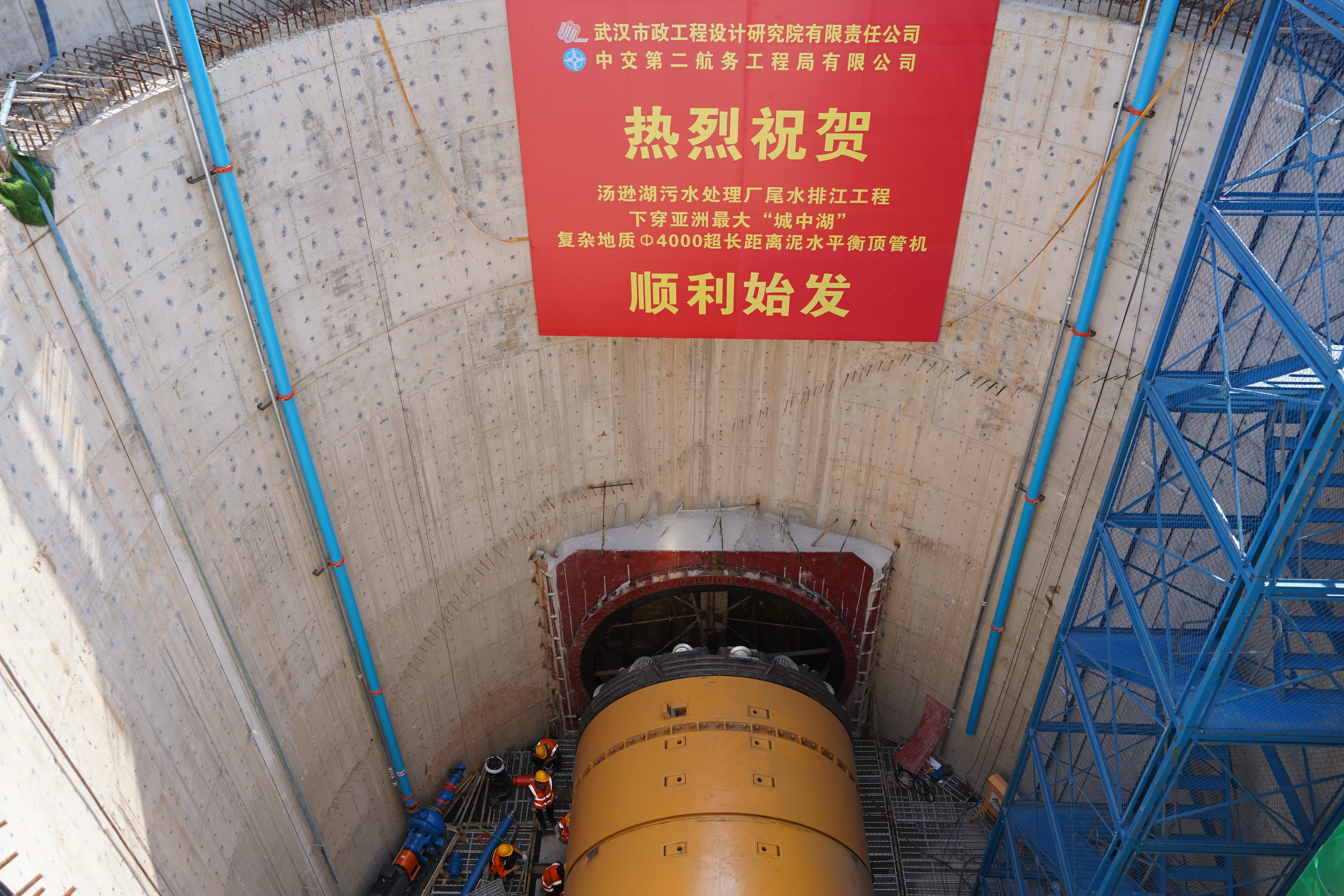
\Curves amplify blockage risk in micro tunneling drives, increasing the danger you face during projects. Issues such as friction, alignment problems, uneven soil pressure, and material build-up can negatively impact your project. CEGC is here to assist you in understanding how proper planning, thorough geotechnical investigation, and the selection of trenchless tunnel machines over open-cut methods can safeguard your costs, schedule, and asset performance.
Key Takeaways
-
Curves in microtunneling make friction and resistance go up. Lubrication is very important. Bentonite slurry helps lower friction by almost 90%.
-
Good alignment is very important in curved drives. Use guidance systems to help stay on the right path. Thick-walled pipes also help stop blockages.
-
Check slurry flow and pressure often to stop material from building up in curves. Planning well and studying the soil helps pick the best tunnel machine.
How Curves Amplify Blockage Risk in Microtunnelling
Increased Friction and Resistance
When your tunnel machine goes around a curve, it faces more friction and resistance. The pipe and shield push against the soil at an angle. This makes more contact and stress happen. Studies show that lubrication is very important. If you inject bentonite slurry, friction can go down by up to 90%. Without lubrication, frictional stress is about 5.5 kPa. With good lubrication, it drops to about 2.3 kPa. You need to think about the soil type and how much lubricant you use. If you do not pay attention, your tunnel boring machine will have trouble moving forward.
Project managers and engineers use different ways to deal with friction in curved drives:
-
Lubrication systems make it easier for the shield to move.
-
Intermediate jacking stations give extra push for long drives.
-
Anti-roll tools like grippers and roller disc cutters help keep the machine steady.
You should plan for these solutions. They help you avoid delays and expensive repairs.
Alignment and Soil Pressure Challenges
Curves make it harder to keep your tunnel boring machine on the right path. The machine must steer carefully to stay on course. If it goes off track, friction and jacking loads get higher. This makes blockages more likely. Research shows that the ground type affects steering. You need to keep the tunnel at the right grade to stop problems.
The right pipe design matters too. Rigid pipes can bend at the joints in tight curves. This makes blockages more likely. You need to seal the joints to keep out water and soil. Good pressure transfer helps stop blockages.
Here are some good ways to keep alignment in curved drives:
-
Special guidance systems help the machine stay on track.
-
Thick reinforced concrete or polymer concrete pipes work best for tight curves.
-
Joints with steel bands or collars and spigot ends with gaskets seal the pipes.
You should use these ideas to lower blockage risk and keep your project going.
Slurry Flow and Material Accumulation
Curves make it harder for slurry and material to move in micro tunneling drives. In small tunnels, bends can slow down or stop the slurry. This can cause dirt and debris to pile up and block the tunnel. If you do not manage slurry flow, blockages can happen.
You need to check slurry pressure and flow rates often. Changing these can stop material from settling in curves. Trenchless installation methods help keep the tunnel clear and do not disturb the surface much. Good planning and soil checks help you pick the right tunnel machine.
Tip: Always check your slurry system when working in curves. Regular checks and changes keep the tunnel open and lower blockage risk.
Curves make every part of micro tunneling harder. You need to focus on friction, alignment, and slurry flow to finish your project.
Practical Implications for Tunnel Machine Projects
Design and Planning Considerations
You must plan carefully when working with curved microtunneling. Curved drives need special pipes and joint designs. Using longer pipes means fewer joints to worry about. Hydraulic joints help move force safely during jacking. Good guidance systems, like Laser Total Station or Gyro Navigation System, keep the tunnel straight. Thick-walled pipes are needed for curves. These pipes can handle more stress and keep things safe.
|
Design Consideration |
Description |
|---|---|
|
Pipe Joint Design |
Longer pipes mean fewer joints, since joints take most of the bending. |
|
Hydraulic Joints |
Pressure transfer rings help move jacking force safely between pipes. |
|
Guidance Systems |
Good guidance, like Laser Total Station or Gyro Navigation System, is needed for curved tunnels. |
Curved microtunneling helps you go around things and make longer tunnels. You must seal pipe joints well to stop water from getting in. Watching the jacking process helps you find problems early. CEGC’s engineers can help you pick the best pipe and guidance system.
Operational Strategies for Curved Drives
You need strong plans to keep tunneling working well. Checking things often is important in microtunneling. You should look at pipe alignment and soil often. New tunnel machines use sensors to watch in real time. This helps you act fast if something changes.
Keeping the tunnel straight is very important, especially in small spaces or cities. Modern machines are very accurate. But, if the ground changes or you hit something, problems can happen. This can cost more money or make you start again.
You should plan for more jacking force in curves. Watching the process helps you change things if needed and keep work going well. CEGC’s experts can help you set up checks and pick the right pipe for curved drives.
Curves in microtunnelling drives make blockages more likely. You need to plan well and pick the best tunnel machine, like a TBM machine or auger boring machine. Good design and smart ways of working help you stop problems from happening.
Ó Cuanacháin says, “It was very important that we made curved microtunnels and followed the road’s path.”
Ask CEGC for expert help and use their tools to get the most value from your project.
FAQ
When is open-cut cheaper than a Microtunnelling Machine?
Open-cut costs less for short and easy jobs. Microtunnelling saves money on long tunnels or when the ground is hard. It also helps in cities or busy places.
What regulatory triggers require trenchless tunnel machine methods?
You must use trenchless methods under roads, railways, or rivers. Protected habitats also need these machines. Rules and client needs often say you must use tunnel machines.
Can CEGC provide a cost-benefit model comparing open cut and Microtunnelling Machine?
Yes, you can ask CEGC for a cost-benefit report. Their tools help you see which method is better for your project.


