
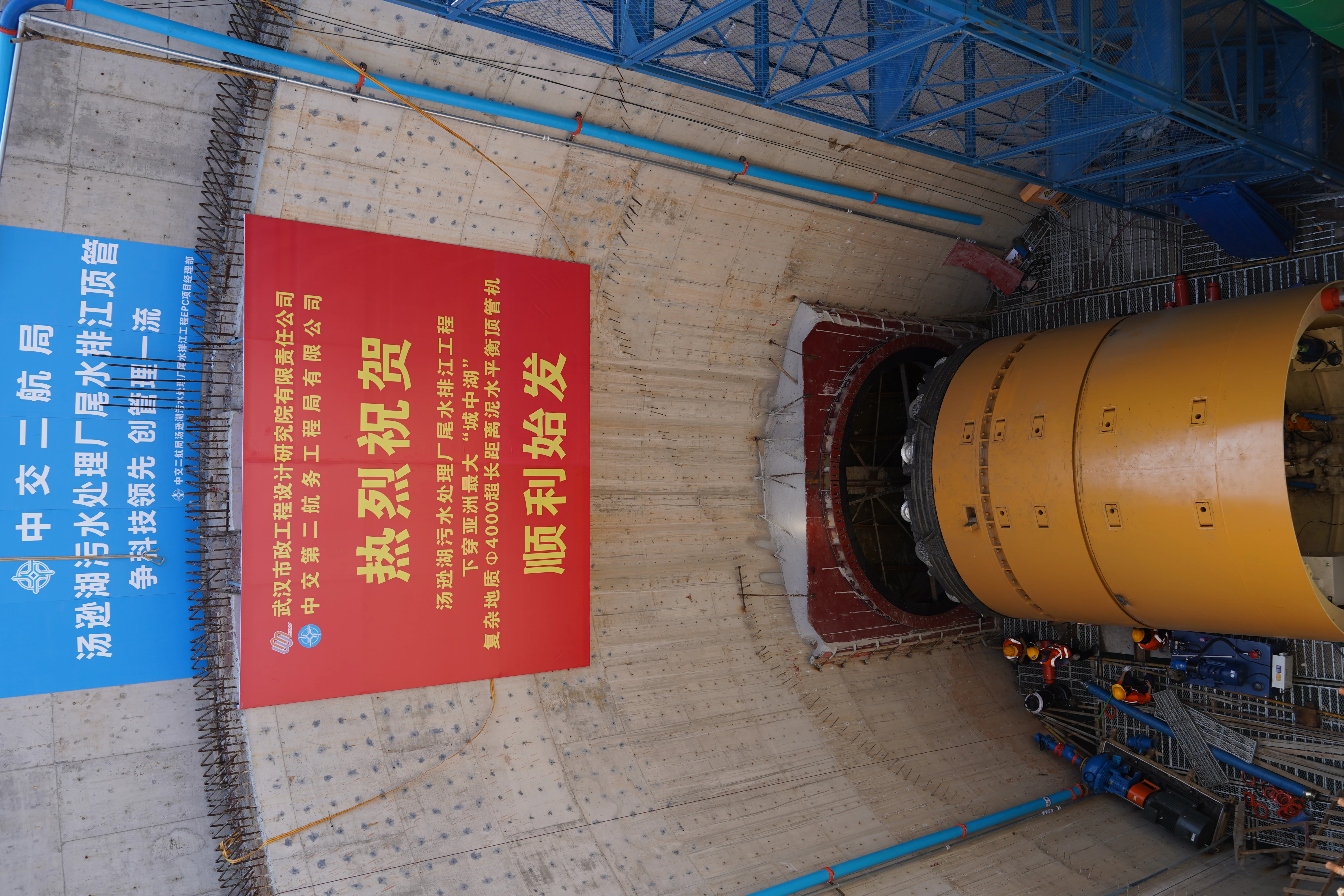
By utilizing a small radius, you can reduce detours in micro tunneling alignments, resulting in straighter tunnels and improved project outcomes. CEGC recommends this approach because it minimizes unnecessary deviations and enhances overall efficiency. When trenchless methods are employed, the impact on the community is significantly reduced. The table below highlights why CEGC advocates for this method.
|
Tunneling Method |
Social Cost Impact |
Advantages |
|---|---|---|
|
Open-Cut |
Higher disruption costs |
More visible impact on community |
|
Trenchless |
Small radius can reduce detours in micro tunneling alignments, leading to less impact on surrounding areas |
Key Takeaways
-
A small radius in micro tunneling lets tunnels turn tighter. This helps cut down detours and keeps tunnels straighter.
-
Trenchless methods cause less mess on the surface. This means less trouble and lower costs for people nearby.
-
Picking the right tunnel boring machine is very important. It helps handle tight curves and makes the project work better.
Small radius can reduce detours in micro tunneling alignments
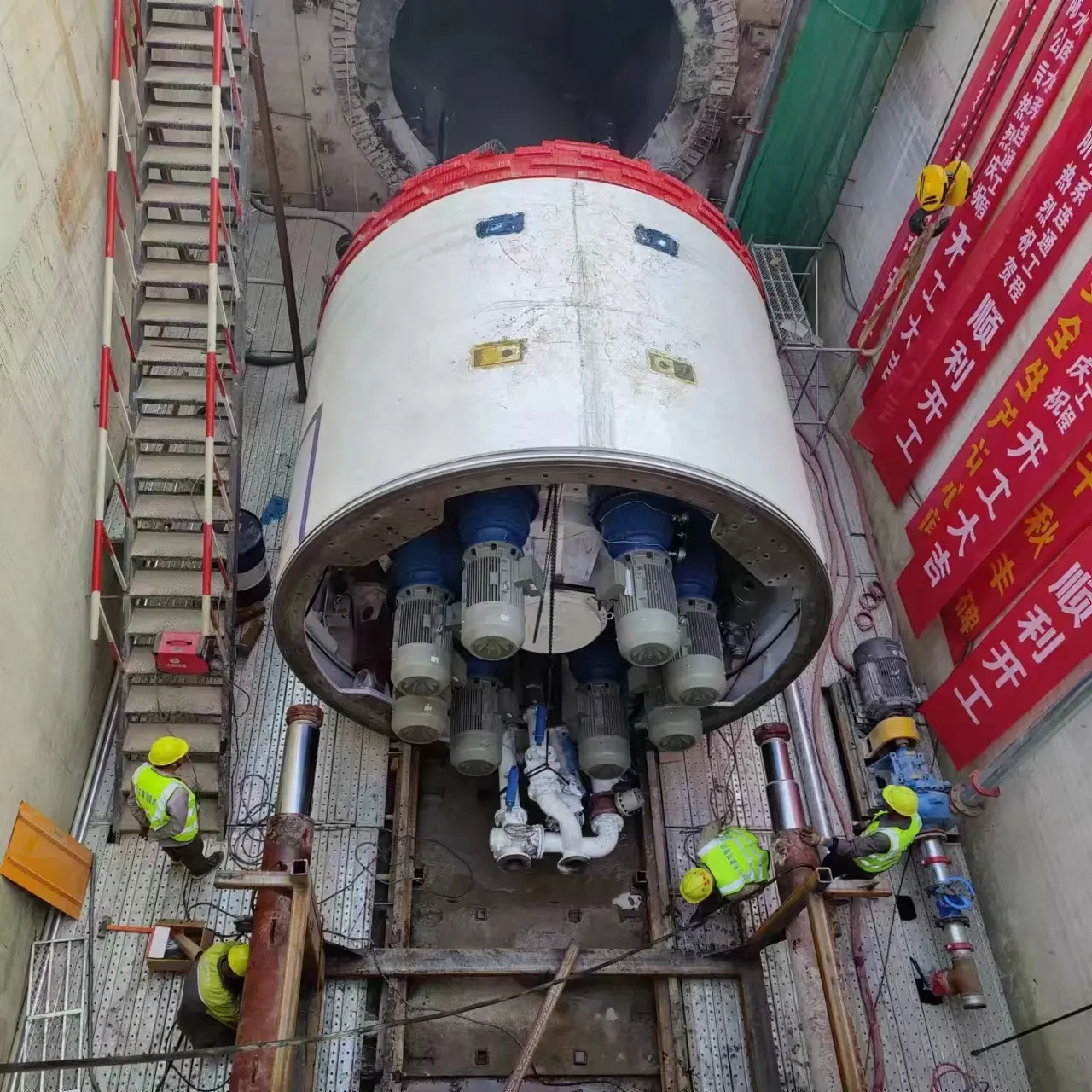
Definition and Application
A small radius in micro tunneling means you can make tight turns underground. This lets you build tunnels that do not have to be straight. You can move the tunnel machine around things like roads or property lines. Trenchless technology helps you design smoother paths. You do not need as many shafts or sharp turns.
Here is a table that shows how small radius curves work in micro tunneling:
|
Description |
Detail |
|---|---|
|
Implementation of curves |
Contractors use curves so they do not need extra shafts. |
|
Design alignment |
You get smoother routes, like lines joined together instead of broken by many shafts. |
|
Example of a small radius curve |
In Paris, a microtunneling boring machine made a 500m-radius curve for a sewer project. |
Small radius helps you avoid obstacles and keep the tunnel short. You do not need to dig as much. This means less mess on the surface. Trenchless technology makes these designs possible, especially in busy cities.
Curve Alignment and Route Optimization
Small radius curves help you make the tunnel go where you want. The tunnel does not have to be straight. You can follow roads, rivers, or property lines without big detours. Trenchless technology uses special machines like the TBM tunnel boring machine, Microtunnelling Machine, and auger boring machine.
Here are some ways small radius can reduce detours in micro tunneling alignments:
-
You can mix vertical and horizontal curves. For example, the Keswick Effluent Outfall project used small radius curves to make the first combined vertical and horizontal curve microtunnel in North America. The contractor removed two shafts and saved over $800,000.
-
You can make shafts less deep. In Texas, a project used a 30-ft deep launch shaft and a steep downslope with a 620-ft radius vertical curve. This avoided the need for much deeper shafts.
-
You can fit the tunnel into the city’s layout. In Los Angeles, a project used three curves with a 45-degree radius and short sections to match the city’s layout.
You need the right tunnel machine for these jobs. A TBM machine or Microtunnelling Machine can handle tight curves in cities. The jacking pipes and their joints must be strong and fit well. They need to handle the stress from the curve.
Here is a table that shows how small radius can reduce detours in micro tunneling alignments:
|
Evidence Description |
Source |
|---|---|
|
Curved alignments in microtunneling allow for longer drives and fewer intermediate shafts, making tunnels shorter. |
Trenchlesspedia |
|
Curves in microtunneling remove the need for extra shafts and improve hydraulic flow. |
Tunnels and Tunnelling |
|
Vertical curves help reduce the construction footprint and surface disruption. |
Trenchless Technology |
You also need to think about the ground. Hard rock or soft soil can make tunneling harder. You must pick the right TBM tunnel boring machine or Microtunnelling Machine. Good planning and the right tools help you finish the job.
Trenchless technology gives you more ways to design your tunnel. You can avoid traffic, buildings, and other things in the way. You also make less mess for the community. CEGC helps you pick the best way for your project. You get a tunnel that is shorter, faster to build, and less disruptive.
Small radius can reduce detours in micro tunneling alignments. Trenchless technology can make your project better, safer, and save money.
Trenchless methods and project benefits
Design Flexibility and Cost Savings
When you pick trenchless methods, you get many good things. Trenchless technology gives you more ways to design your project. You do not have to dig big trenches. You can put pipes under roads, rivers, or buildings. Trenchless methods let you use small radius curves. This helps you go around things and keep tunnels short. You spend less money because you do not have to fix roads or deal with traffic as much.
-
Trenchless methods make less mess on the surface. This matters a lot in busy cities.
-
Trenchless technology means less traffic trouble and saves money on traffic jams.
-
Open-cut methods cause more traffic and hurt stores nearby.
-
Trenchless methods use materials that need less digging.
-
You pay less for traffic control and fixing roads.
-
Trenchless projects need fewer extra things like manholes.
Here is a table that shows how the environment is affected:
|
Impact Type |
Trenchless Tunneling |
Open-Cut Excavation |
|---|---|---|
|
Ground Displacement |
Yes |
Yes |
|
Bore Hole Collapse/Subsidence |
Yes |
No |
|
Ground Vibrations |
Yes |
Yes |
|
Surface Disruption |
Low |
High |
|
Social Costs |
Lower |
Higher |
Construction Efficiency and Risk Management
Trenchless methods help you finish work faster and safer. You can use a tunnel machine that is very exact. This helps you avoid mistakes and keeps the tunnel where it should be. Trenchless projects need careful planning. You check the ground and plan for problems before starting. You design pits to stop the ground from falling in. You watch for ground movement while you work.
-
Trenchless methods use data to find problems early.
-
You can control ground settling and keep buildings safe.
-
Trenchless technology lets you work in hard or soft ground.
-
You can use trenchless methods in many places, even with busy roads above.
CEGC gives you trenchless solutions that help your project. You get good machines and expert help. CEGC supports you with parts and advice. This makes your project easier and saves time.
Trenchless methods give you better results. You get less mess, spend less money, and work is safer. You can trust CEGC to help you do well with trenchless technology.
You can get better results by using small radius curves and trenchless methods. These new ways help you avoid extra turns, save time, and spend less money. Tunnel machines with good guidance systems make tunnels safe and work well.
|
Innovation |
Contribution to Project Outcomes |
|---|---|
|
Lets you make longer tunnels and work in tough places. |
“When you use the trenchless method, there is less traffic, less noise, and less pollution.”
Pick CEGC if you want expert help and the best tunnel path.
FAQ
When is open-cut cheaper than a Microtunnelling Machine?
Open-cut can cost less for small jobs. It works best when there are no obstacles. For long or tricky routes, trenchless methods usually save more money.
What regulatory triggers require trenchless tunnel machine methods?
You must use trenchless methods for tunnels under roads or railways. These rules protect nature and help with wastewater management.
Can CEGC provide a cost-benefit model comparing open cut and Microtunnelling Machine?
You can ask CEGC for a cost-benefit model. This lets you compare open-cut and trenchless choices for your project.


