
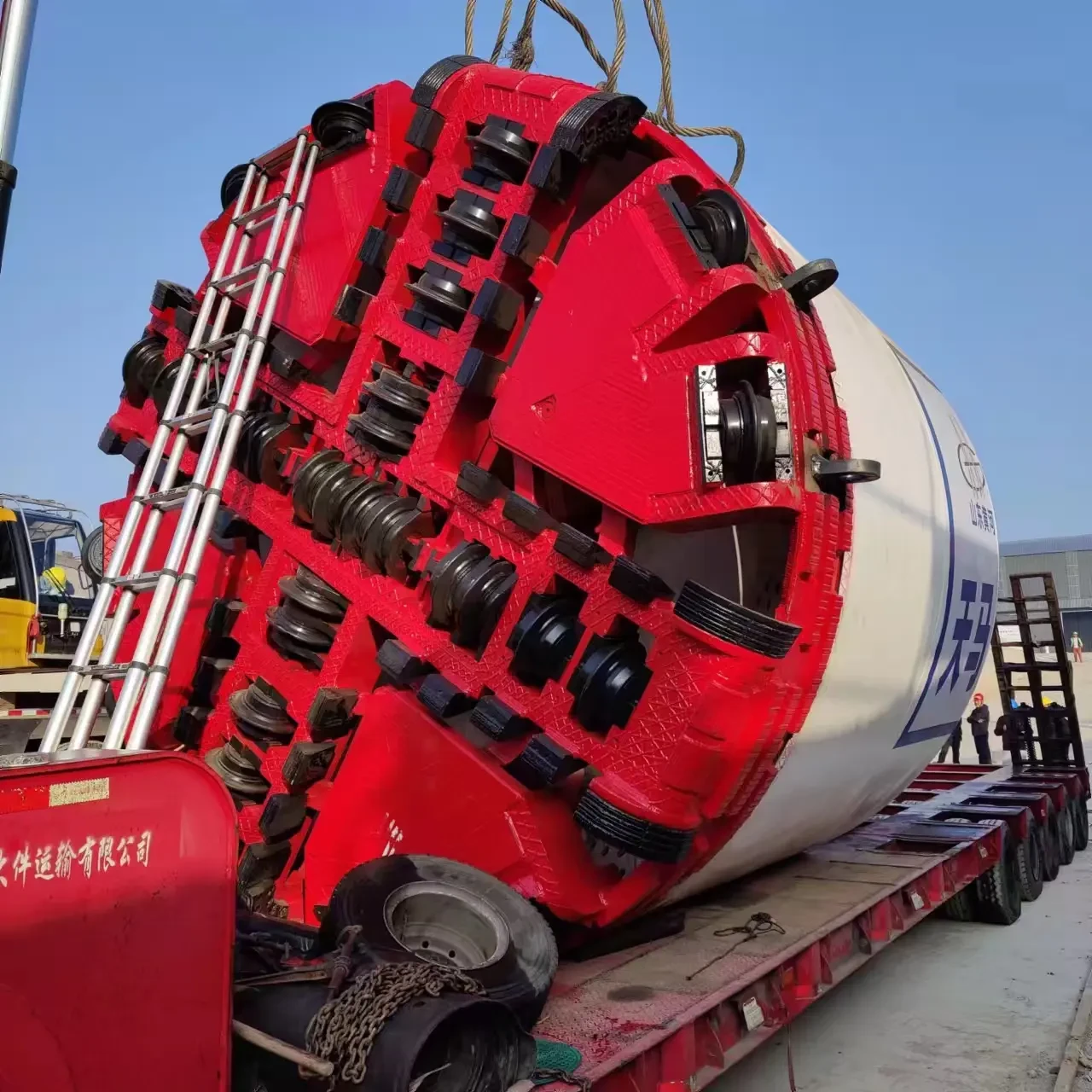
The small radius makes micro tunneling feasible under highways. Microtunneling is the optimal choice if you want to avoid significant issues on the surface. It enables you to operate in confined spaces and complete projects on schedule. CEGC provides tunnel machines specifically designed for microtunneling, even in tight areas. Additionally, microtunneling helps you manage costs and tackle challenging aspects of the project. It ensures the highway remains safe while keeping your project on track.
Key Takeaways
-
Microtunneling is a way to put pipes under highways without digging big holes. This keeps cars moving and protects nature.
-
Small radius solutions help tunnel machines fit into small spaces. They can turn corners easily. This lowers the chance of hitting wires or pipes. It also keeps highways safe.
-
Microtunneling makes less noise and mess. This is good for cities. It also saves money and time because there is no need for big digging.
Microtunneling Under Highways
What Is Microtunneling?
Microtunneling is used to put pipelines or cables under highways without digging up the road. It is a trenchless construction technique. This method makes small tunnels with little surface disruption. Traffic can keep moving, and the environment stays safe. Tunnel machines work underground while you control them from above. Here is a quick look at how microtunneling helps highway projects:
|
Definition |
Application |
|---|---|
|
Microtunneling is a trenchless construction method for installing small-diameter utility tunnels with minimal surface disruption. |
It is applied in highway infrastructure projects to install pipelines under roads without extensive excavation, thus maintaining traffic flow and reducing environmental impact. |
Why Highways Need Small Radius Solutions
Planning microtunneling under highways brings many challenges. You need to keep the tunnel in the right spot. You must avoid harming the road and keep workers and drivers safe. Small radius solutions let the tunnel machine fit into tight spaces and make sharp turns. Large tunnel machines can cause ground problems, sinkholes, or damage to utilities. Using a small radius keeps the highway safe and lowers the risk of issues. There is also less noise and vibration, which is good for busy cities. Contractors use remote control systems to keep workers safe and follow safety rules.
Tip: Microtunneling causes less surface disruption, so it works well for urban highways and sensitive places.
Tunnel Machine Types
There are different tunnel machines for microtunneling. Each one has its own strengths. CEGC has many tunnel machines for microtunneling contractors. Here is a comparison:
|
Type of Machine |
Diameter Range |
Accuracy |
Applications |
Ground Type |
|---|---|---|---|---|
|
0.4 to 4 meters |
+/- 10 mm |
Gravity sewers, crossings |
Soft soil, water-rich areas |
|
|
Tunnel Boring Machines (TBMs) |
1 to 17.6 meters |
Varies |
Many projects |
All ground types |
You can also use auger boring machines for some microtunneling jobs. The best tunnel machine depends on what your project needs. CEGC can help you pick the right machine for your highway crossing.
Small Radius Makes Micro Tunneling Feasible
Navigating Tight Spaces
When you work under highways, space is often very tight. The small radius helps micro tunneling work because you can steer tunnel machines very well. Microtunneling lets you make tunnels that turn sharply and fit in small spaces. Machines use articulation joints and steering cylinders to move around bends. Laser targets and guidance systems help keep the tunnel straight. You can watch the tunnel machine as it works and fix problems right away. The lubrication system makes the tunnel machine move smoothly through the ground.
|
Feature |
Description |
|---|---|
|
Articulation Joint |
You can change the direction of the tunnel machine and go around curves. |
|
Laser Target |
You get live data to help guide the tunnel machine. |
|
Lubrication System |
You add bentonite to lower friction and stop ring breakage. |
|
Precision Guidance |
You use lasers and PLC controls to watch and fix the tunnel path. |
Microtunneling contractors use these features to work in small spaces. You can avoid things in the way and keep the tunnel boring machine on track. The small radius helps micro tunneling work under highways because you can handle tricky layouts and busy city areas.
Avoiding Utilities and Obstacles
You need to stay away from pipes and other things when you tunnel under highways. Microtunneling lets you steer around cables, pipes, and other things underground. The small radius helps micro tunneling work under highways by letting you turn quickly and follow different paths. Microtunneling contractors use different ways to find and avoid problems:
-
Confirmation surveys help you find all pipes, even ones not on maps.
-
Test pits let you check the ground under the surface.
-
Ground Penetration Radar (GPR) shows what is under the ground.
-
Horizontal Directional Drilling (HDD) checks the ground sideways without digging up the road.
Microtunneling pushes a microtunnel boring machine through the ground and puts in pipes at the same time. You can use pipe bursting to swap old pipes or slip lining to fix broken pipes. Microtunneling keeps the surface safe and traffic moving. The small radius helps micro tunneling work under highways because you can avoid hitting pipes and lower the chance of damage.
Maintaining Highway Integrity
You must keep the highway safe during tunneling. Microtunneling keeps the road strong and steady. The small radius helps micro tunneling work under highways by making less mess and keeping the tunnel straight. You use steering cylinders to push the machine and deal with water pressure. Anti-roll parts stop the tunnel machine from rolling and getting off track. Good thrust management from jacking keeps the tunnel in the right place.
|
Measure |
Description |
|---|---|
|
You keep cars moving and do not close roads or make detours. |
|
|
Safety |
You run the tunnel boring machine from far away, so workers are safer. |
|
Precision and Control |
You watch and control the digging to stop mistakes. |
|
Environmental Benefits |
You protect nature and keep the area looking nice. |
Microtunneling contractors use these steps to keep highways safe and finish projects well. The small radius helps micro tunneling work under highways because you can keep the road safe, protect the environment, and get good results. Microtunneling is great for cities where you do not want to cause problems or put people in danger.
Note: Microtunneling uses a machine that works by itself, so you can put in pipes underground with little mess on top. This method is good for busy cities and helps you stay away from shops and traffic.
Microtunneling gives you many ways to go, keeps the tunnel straight, and makes less mess. The small radius helps micro tunneling work under highways and lets you finish jobs quickly and safely.
Benefits and Applications of Microtunnelling
Reduced Surface Disruption
Microtunneling lets you keep roads open for cars. You do not need big trenches, so the highway stays in good shape. There is less noise, dust, and mess for people who live or work nearby. Microtunneling helps protect the road and keeps traffic moving. Trenchless methods do not block lanes or make long traffic jams. Workers control the tunnel machine from above, so they stay safe and the road stays clean. This also helps the environment and local businesses.
Microtunneling means you do not need big holes. The road stays strong and traffic keeps moving during the work.
Cost and Flexibility Advantages
Microtunneling gives you more ways to put in pipes. You can work in small spaces and turn under highways. The jacking process pushes pipes through the ground without digging up the road. This saves money on fixing roads and traffic control. Crews finish faster because they do not have to move a lot of dirt. You can use microtunneling for many jobs, like water pipes or sewer lines. The small radius helps you avoid things in the way and fit new pipes where you want them.
Real-World Examples
You can find microtunneling used in many highway jobs. Here are some ways teams use this method:
-
Microtunneling puts water pipes under highways, usually 50 to 100 meters long.
-
Crews set up access points and props on both sides of the road or track, which can take a few weeks.
-
The microtunneling part is fast and sometimes done in just a few shifts.
Contractor teams know it can be hard to fix pipes because they are deep underground. Special tools might be needed if repairs are needed. Still, microtunneling keeps the road safe and lets you finish jobs with less trouble for people nearby. Microtunneling and microtunnelling both give you strong, long-lasting results for your next project.
You can see why small radius helps microtunneling work under highways. Microtunneling lets you be exact and causes little mess. It is flexible and can fit in many places. You do not block traffic or waste time. Contractors like that pipes can bend and need fewer parts. CEGC can help you pick the best tunnel machine for your job.
|
Features |
|
|---|---|
|
TBM |
Full-face closure, seals, roll correction |
|
Auger Boring Machine |
Handles adverse ground |
|
Microtunnelling Machine |
Remote control, active direction control |
FAQ
Can you use a tunnel boring machine for all highway projects?
Tunnel boring machines work for many highway jobs. If the space is small or the tunnel needs sharp turns, use a microtunnelling machine or auger boring machine instead.
How does microtunneling keep highways safe?
Microtunneling keeps the road strong and safe. You do not dig big holes. The tunnel machine is controlled from above. This keeps cars moving and protects the road surface.
Does CEGC help you choose the right tunnel machine?
Yes! CEGC gives you help and advice. You get expert tips about TBM tunnel boring machines, auger boring machines, and Microtunnelling Machines for your highway job.


