
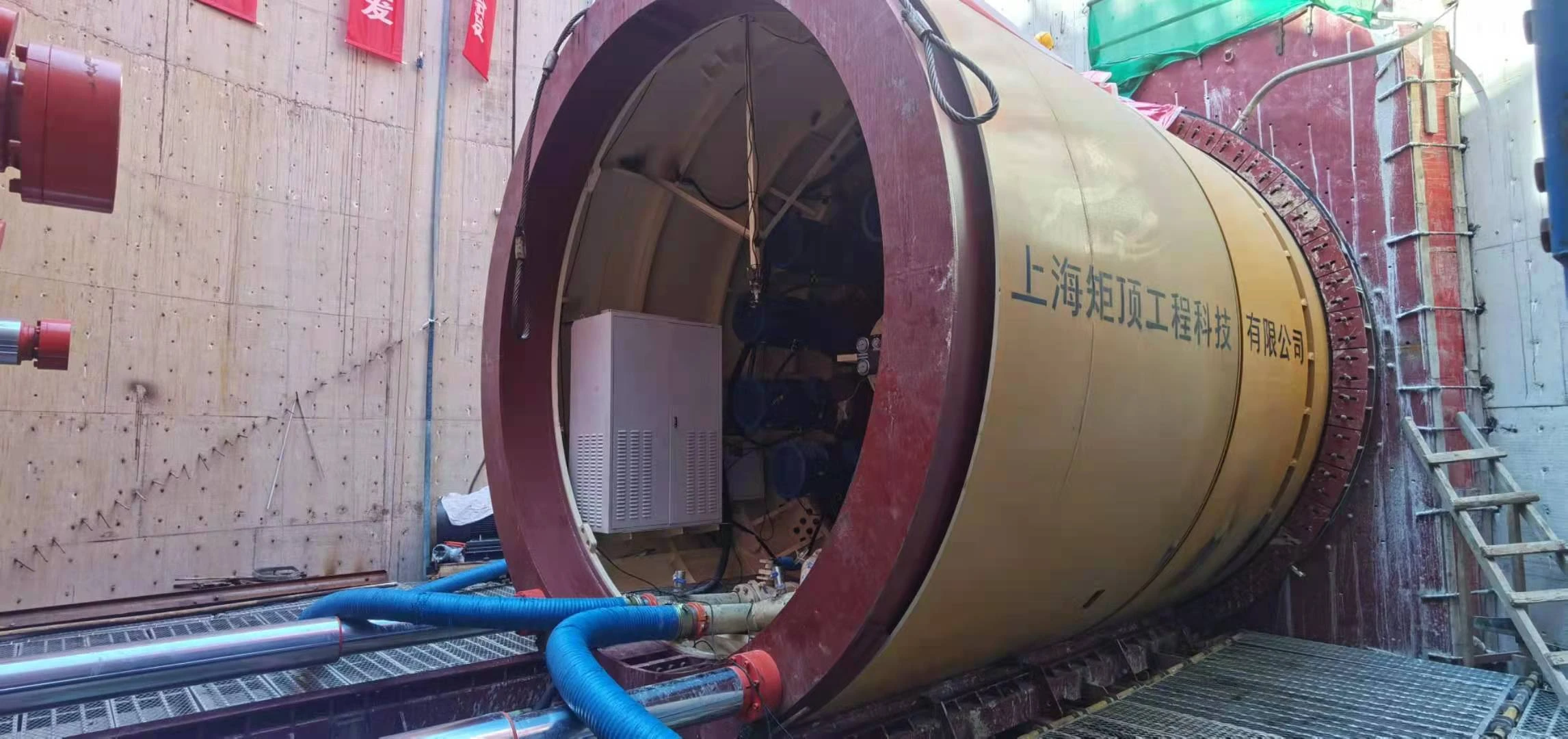
Curves can trigger retries on TBM machine steering. This occurs when the tunnel path changes, requiring the TBM to adjust its movement. Selecting the wrong tunnel machine for navigating curves can lead to increased delays and safety risks. CEGC provides a safety system and expert assistance to help you choose the best equipment for your project.
Key Takeaways
-
Curves in tunnels can make TBM machines try steering again. This can cause the project to take longer.
-
Picking the right tunnel boring machine is very important. It helps the machine move through curves well.
-
Talking to CEGC experts can help you choose the best equipment. This can make your project go better.
TBM Machine Steering and Alignment
Steering Basics in Tunnel Boring Machines
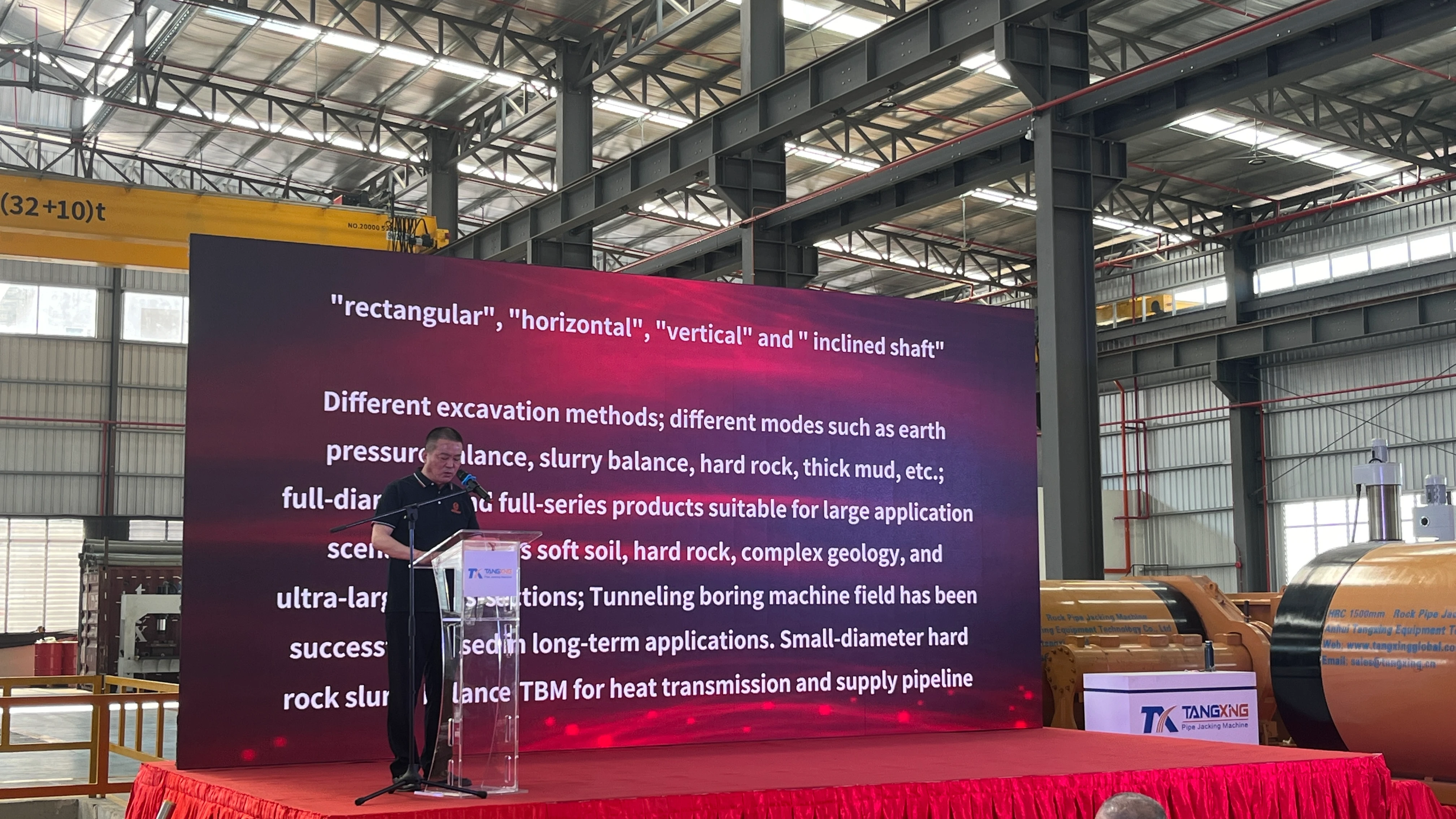
You steer a TBM by changing its direction. You keep it on the planned tunnel path. The machine uses special navigation tools. It checks its position all the time. Automated controls help you steer very accurately. Gyroscopic systems give a steady reference point. They work even when conditions are hard. Building Information Modeling (BIM) links your plans to the digging. This makes sure you follow project rules.
|
Mechanism |
Description |
|---|---|
|
Laser guidance, GPS, and computers help keep the machine on track. |
|
|
Real-time Position Monitoring |
Tracks where the machine is and how far it has gone. Gives you information for choices. |
|
Automated Control Systems |
Algorithms change digging settings based on feedback. |
|
Gyroscopic Systems |
Give steady direction in tough places. |
|
Building Information Modeling (BIM) |
Connects design plans to digging progress for accuracy and following rules. |
TBM machines and roadheaders are not the same. TBM machines use a spinning cutterhead for round tunnels. They steer very precisely. Roadheaders use a boom cutter for digging in certain spots. They work well in odd-shaped or short tunnels. CEGC has both machines. You can pick the best one for your tunnel job.
Role of Sensors and Operator Actions
Sensors are important for steering well. You use machine vision and inertial navigation to keep the machine straight. Intelligent perception helps too. Laser guidance and geological sensors check soil and rock. Feedback loops let you change speed, torque, and pressure.
-
Machine vision
-
Inertial navigation
-
Motion control
-
Intelligent perception
-
Precise positioning
You decide what to do using sensor data and system feedback. The THICSsys remote-control system mixes these technologies. It gives you very accurate control and smart cutting. With the right machine and CEGC’s help, you can handle tricky tunnel paths with confidence.
How Curves Can Trigger Retries on TBM Machine Steering
Technical Challenges of Curved Tunnels
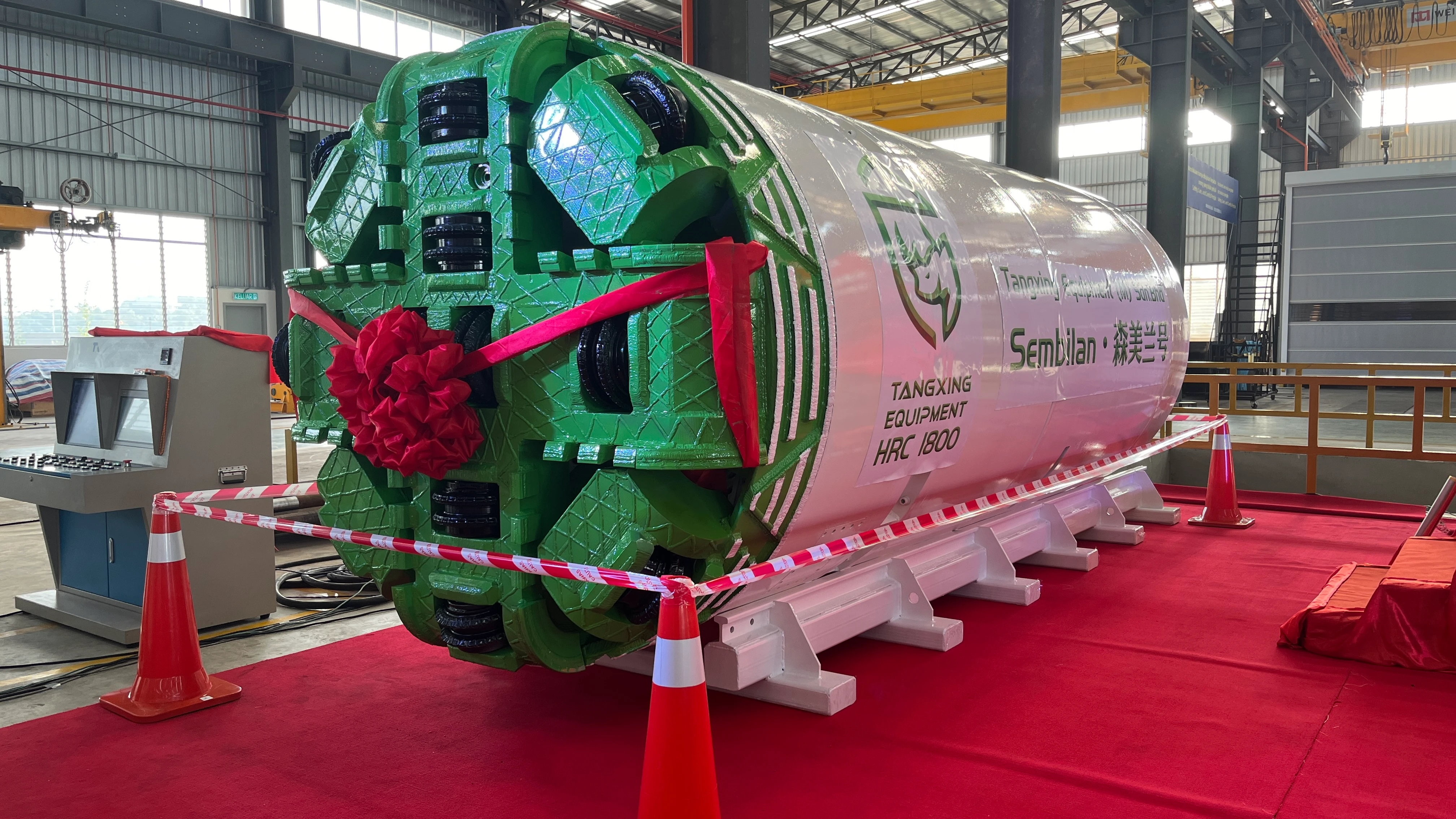
You face many challenges when you steer a tunnel boring machine through a curved tunnel. The machine must follow the planned path exactly. When the tunnel bends, you need to adjust the machine’s direction. The steering system uses cylinder groups and shield jacks to help you make these changes. These parts work together to push and guide the machine.
Here is a table that shows how each component helps you steer the tunnel boring machine:
|
Component |
Function |
|---|---|
|
Thrust System |
Drives the shield ahead and controls its pose to follow the intended tunnel path. |
|
Hydraulic Cylinders |
Actuate the thrust jacks, allowing for precise control of the TBM's movements. |
|
Grouping Control |
Reduces control costs and facilitates operations by connecting oil circuits of cylinders. |
You must pay attention to the curvature ratio. This ratio tells you how sharp the curve is. When the curve is tight, you need to make bigger adjustments. If you do not steer carefully, curves can trigger retries on tbm machine steering. The machine may drift off the path, and you must correct it.
Retry Mechanisms and System Responses
Curves can trigger retries on tbm machine steering because the machine detects when it moves away from the planned line. Sensors check the position all the time. If the machine goes off track, the system sends a signal. You must stop and try again to steer the machine back. Sometimes, ground conditions change quickly in a curve. The soil or rock may be harder or softer. This can make the machine slip or slow down.
You see the retry mechanism in action when the machine stops, checks its position, and adjusts its direction. The feedback loop uses sensor data to help you make corrections. You may need to change the pressure, speed, or angle. If the machine cannot fix the problem, curves can trigger retries on tbm machine steering again. You must repeat the process until the machine follows the curve.
Practical Implications for Tunnel Projects
When curves can trigger retries on tbm machine steering, you face delays. The machine stops and starts many times. This slows down the project. You also see more wear on the machine parts. The shield jacks and cylinder groups work harder. You may need to replace parts sooner. Operators must pay close attention and act fast. If you do not respond quickly, the tunnel may not follow the design.
You can use several strategies to reduce retries. You can improve the engineering design. You can train operators to handle curves better. You can choose the right tunnel machine for curved drives. If you pick a tunnel boring machine with advanced steering, you handle curves more easily. You can also ask CEGC for help. Their experts know how curves can trigger retries on tbm machine steering and can guide you to the best solution.
Tip: Always check the tunnel alignment and machine settings before you start a curved drive. This helps you avoid problems and keeps your project on track.
-
Curves make the TBM machine try again to steer.
-
These retries can slow down your project and hurt the machine.
-
You need to plan well and pick the right tunnel machine.
If you want expert help, talk to CEGC. Their team will help you find the best equipment for your tunnel job.
FAQ
Can a roadheader achieve the same advance rate as a TBM tunnel boring machine?
A TBM tunnel boring machine moves faster. Roadheaders are good for tricky shapes. They usually go slower when digging through rock.
At what tunnel length does a TBM machine become more economical than a roadheader?
TBM machines save money on long tunnels. Roadheaders are better for short tunnels. You can ask CEGC which tunnel machine fits your project best.
Does CEGC supply roadheaders as well as TBM machines?
CEGC offers both roadheaders and TBM machines. Their safety system helps you use the equipment safely and easily.


